Steel and aluminum beams serve vital structural functions in countless commercial buildings, covered patios, and modern residential designs. These metal elements resist loads that wood cannot, spanning distances and supporting weights that enable open floor plans and dramatic architectural gestures. Yet their industrial aesthetics often clash with design visions that demand warmth, texture, and natural material associations. Polyurethane beam sleeve covers resolve this tension, transforming utilitarian structural elements into architecturally appropriate design features.
The sleeve cover approach offers compelling advantages over alternative concealment strategies. Wrapping metal beams with wood trim introduces moisture trapping concerns, as genuine timber contacting metal creates condensation pathways that accelerate decay in exterior applications. Painting metal surfaces provides limited aesthetic improvement and requires ongoing maintenance to prevent corrosion-related failures. Polyurethane sleeve covers sidestep these problems through material properties specifically engineered for exterior durability while delivering the wood-grain aesthetics that design projects require.
Engineering for Exterior Performance
Exterior polyurethane formulations differ significantly from interior-grade materials. UV stabilizers incorporated during manufacturing prevent the chalking, color shift, and surface degradation that would compromise appearance under prolonged sun exposure. These additive packages, tested through accelerated weathering protocols, ensure that sleeve covers retain their original appearance through years of climate exposure without the refinishing requirements that plague painted surfaces.
Impact resistance proves crucial for exterior installations where maintenance activities, weather events, or accidental contact threaten surface integrity. Premium polyurethane formulations achieve hardness levels that resist denting from normal handling while maintaining enough flexibility to absorb without cracking from thermal expansion stresses. This balance between protection and durability distinguishes exterior-grade sleeve covers from interior alternatives that would fail prematurely in challenging outdoor conditions.
Thermal cycling resistance addresses concerns specific to exterior beam applications. Metal structural elements conduct temperature changes rapidly, transferring these fluctuations to surrounding materials. Polyurethane covers designed for exterior service accommodate these thermal movements without delamination, cracking, or joint separation that would expose underlying metal. Quality manufacturers validate this performance through temperature cycling tests that simulate decade-scale exposure in compressed timeframes.
Installation Approaches for Metal Beam Concealment
Successful sleeve cover installation begins with accurate measurement of existing metal beam dimensions. Width, depth, and flange thickness determine appropriate cover selections, while span requirements influence whether single-piece or multi-section installations suit specific applications. Measurement precision matters enormously—covers sized too tightly create installation difficulties while oversized covers telegraph void spaces that betray concealment origins.
Mechanical attachment systems provide secure mounting that survives environmental stresses. Stainless steel fasteners resist corrosion that would compromise painted alternatives, while strategic fastener placement distributes loads appropriately across cover surfaces. Many installations employ hidden fastener approaches where brackets or clips engage cover profiles without visible hardware, creating clean appearances that approach solid wood installation aesthetics.
Joint treatment between cover sections requires attention for longer beam spans requiring multiple cover pieces. Precision-mitered corners, interlocking profile designs, and adhesive bonding between sections create seamless transitions that resist water penetration and maintain concealed appearance. Quality manufacturers provide specifically engineered joint solutions rather than expecting generic trim approaches to perform adequately in these demanding applications.
Design Integration Considerations
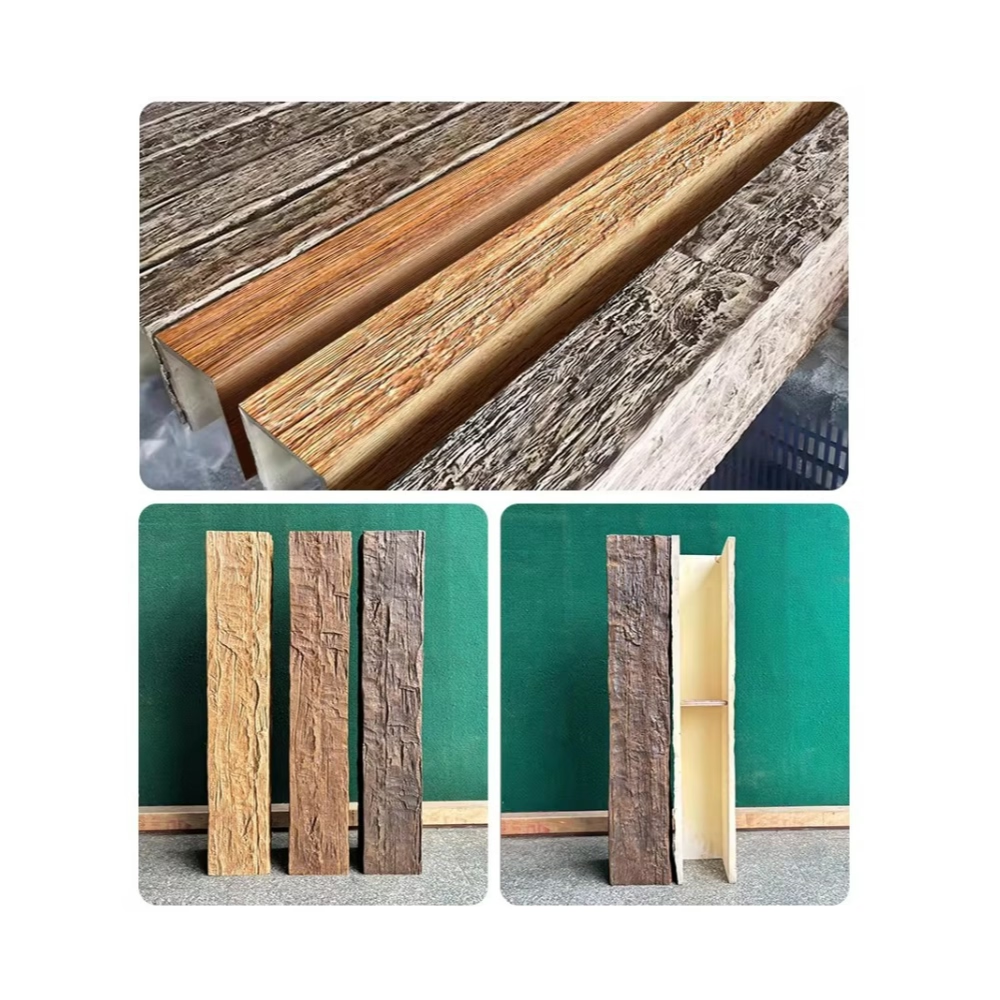
Sleeve cover profile selection profoundly influences finished appearance and integration with surrounding architectural elements. Exposed flange profiles create bold, substantial looks appropriate for rustic and craftsman-style designs, while recessed flange options suit contemporary aesthetics favoring clean lines and minimal visual weight. Understanding these profile implications guides selection decisions that affect overall design coherence.
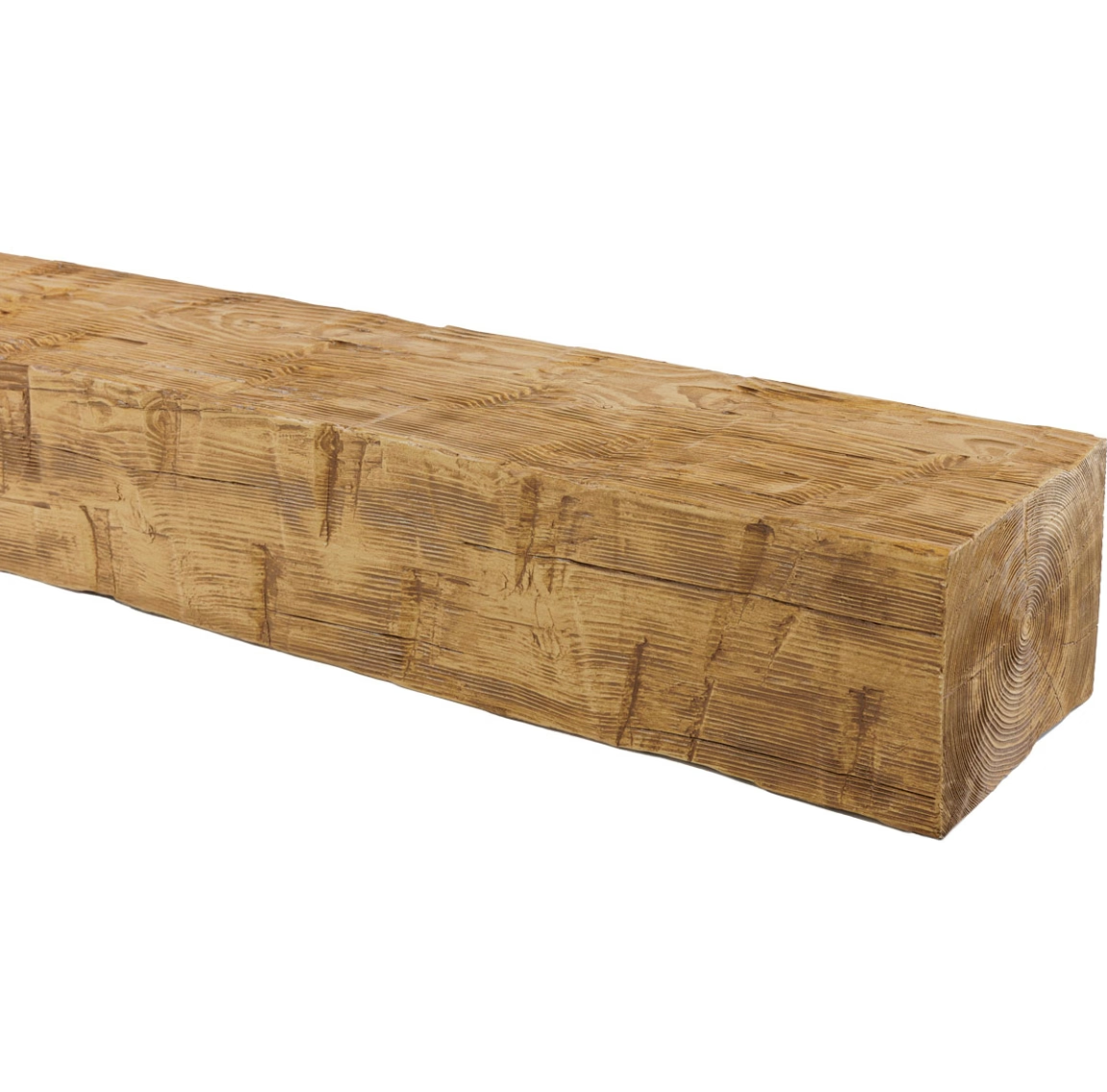
Finish selection extends beyond simple color matching to include texture depth, grain pattern scale, and surface sheen appropriate for specific applications. Mediterranean-inspired designs benefit from warm terracotta undertones with heavy texture, while contemporary commercial installations often specify cooler finishes with subtle grain and matte surfaces. These finish characteristic considerations ensure that concealed beams contribute positively to overall design expression rather than appearing as disconnected elements.
Coordination with adjacent materials determines whether concealed beams feel integrated or conspicuous. Matching sleeve cover finishes to nearby woodwork, coordinating trim profiles with existing millwork, and aligning installation details with established building conventions creates cohesive results that satisfy discerning clients. This coordination effort rewards attention, transforming metal beam concealment from cosmetic compromise into architectural enhancement.
Weather Performance and Longevity
Exterior installations demand material performance that interior specifications cannot anticipate. Freeze-thaw cycling tests validate that polyurethane covers survive temperature ranges common to continental climates without cracking, delaminating, or losing dimensional stability. Water absorption testing confirms that prolonged precipitation exposure does not compromise core material integrity or surface finish adhesion.
Wind load considerations apply for beam installations in exposed locations where aerodynamic pressures stress attachment systems. Engineering verification for specific installation conditions ensures that sleeve covers remain secure during severe weather events, protecting both investment in finished appearance and safety of building occupants. Responsible manufacturers provide load rating information that guides appropriate specification and installation practices.
Long-term maintenance requirements for quality exterior polyurethane covers remain minimal compared to alternative concealment approaches. Occasional cleaning removes environmental soiling while UV-stable finishes maintain original appearance without refinishing. This maintenance simplicity proves especially valuable for commercial applications where ongoing upkeep budgets strain operational resources.

The transformation of industrial metal beams into architecturally appropriate design elements represents one of polyurethane's most practical architectural applications. By combining structural concealment with aesthetic enhancement, sleeve covers resolve design challenges that previously required expensive custom fabrication or compromised visual standards. These solutions serve both commercial clients seeking cost-effective architectural improvements and residential owners pursuing design visions that metal structures originally precluded.
Material development continues improving exterior polyurethane performance, with newer formulations offering enhanced UV resistance, improved impact tolerance, and broader finish availability. These improvements expand application possibilities while increasing value propositions that drive market adoption. Design professionals specifying exterior beam concealment benefit from staying current with these developments, incorporating latest-generation materials into projects that demand both immediate satisfaction and long-term performance.
The relationship between structural integrity and aesthetic appeal—often positioned as competing priorities—finds reconciliation through polyurethane sleeve cover technology. Metal beams continue performing their essential structural functions while disappearing behind appearances that satisfy design requirements. This elegant problem-solving approach exemplifies how material innovation addresses real-world design challenges while creating market opportunities for suppliers and specifiers alike.

Technical References
ASTM standards cited in every specification
Test Data
Lab results from internal testing program
Updated 2026
Reviewed against current product specs


