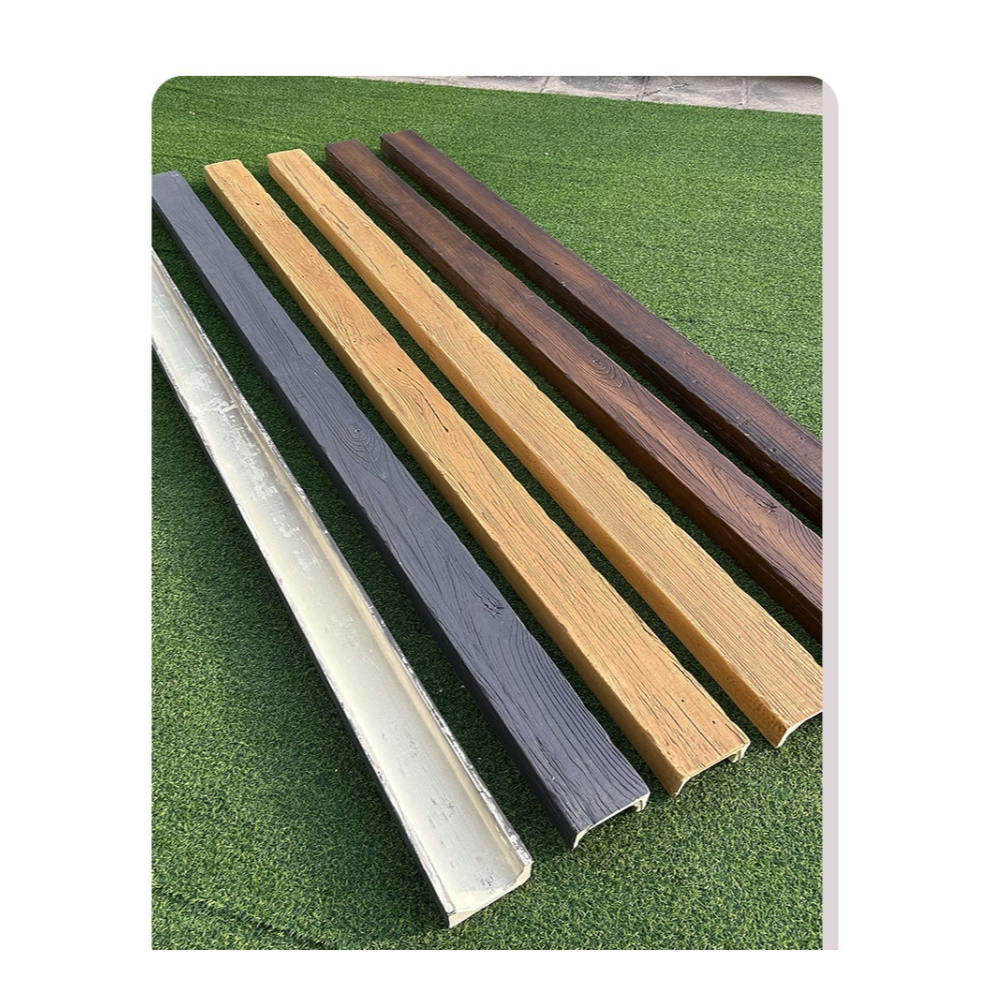
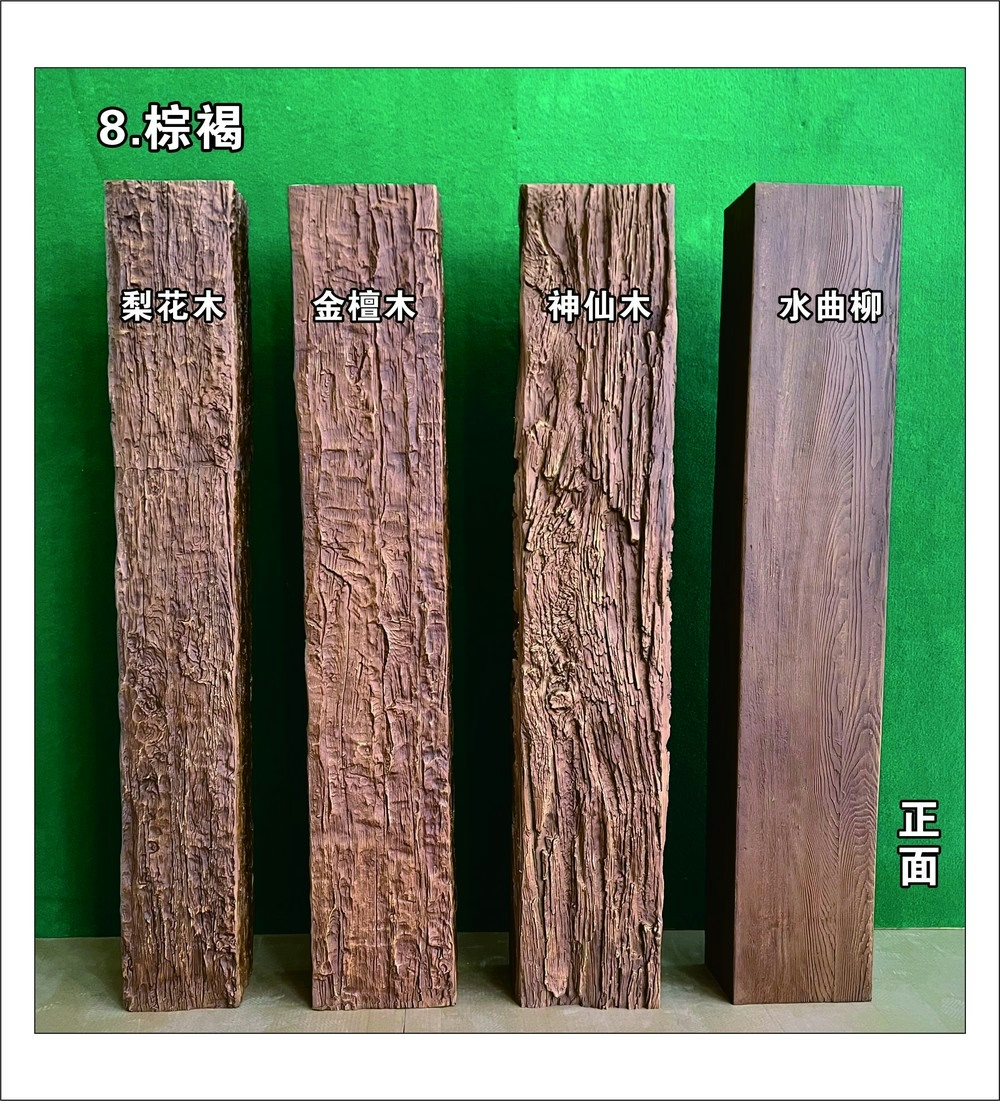
Modern spaces demand modern infrastructure. Behind the rustic charm of exposed wood beams, sophisticated clients expect smartphone charging stations, integrated audio systems, ambient lighting controls, and seamless connectivity. These expectations create tension with design visions that resist visible cable runs, conduit routing, and the technological infrastructure that contemporary living requires. Polyurethane beam wire channel inserts resolve this tension elegantly, providing concealed pathways for electrical and data cables that preserve beam aesthetics while enabling technological functionality.
The integration of wire management into beam products reflects manufacturing sophistication that continues expanding application possibilities. Rather than treating cable routing as afterthought accommodated through surface-mounted solutions or penetrating beam surfaces with visible conduit channels, manufacturers now offer purpose-designed inserts that maintain structural appearance while providing substantial routing capacity. These engineered solutions demonstrate how product development responds to evolving market requirements.
Engineering Behind Hidden Cable Systems
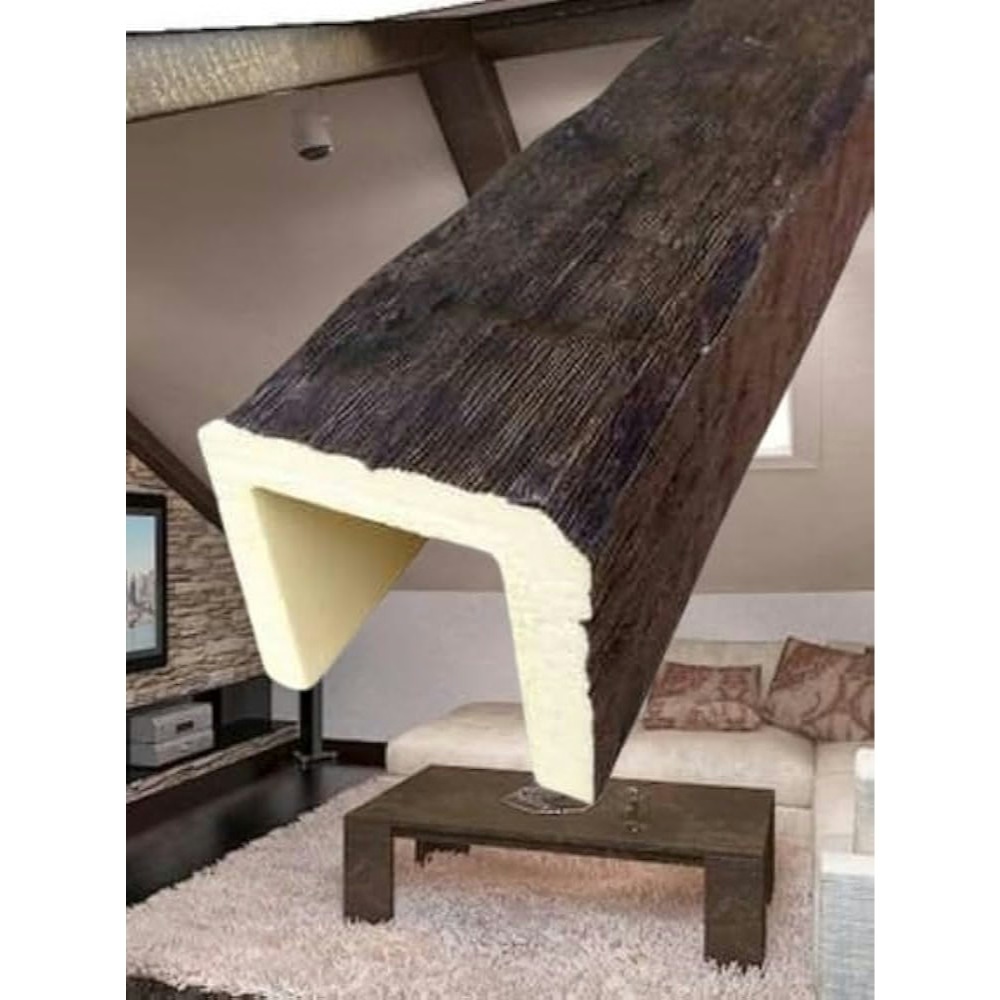
Wire channel inserts begin with careful structural analysis that determines load-bearing capacity and installation requirements. Channels machined or molded into beam profiles must maintain sufficient material around routing pathways to prevent structural compromise while maximizing available space for cable bundles. This engineering balance distinguishes professional-grade inserts from improvised solutions that risk either inadequate cable capacity or compromised beam integrity.
Thermal considerations influence channel design when cables carrying significant current pass through enclosed spaces. Heat dissipation pathways built into insert profiles prevent thermal accumulation that could affect cable performance or create fire hazards. Quality manufactured inserts incorporate these thermal management features through geometry optimization that promotes airflow while channel depth positions cables away from beam surfaces where heat would concentrate.
Accessibility planning ensures that routed cables remain serviceable throughout building life. Insert designs incorporating removable covers, access points at termination locations, and junction box integration enable cable maintenance without beam removal or cosmetic damage. This serviceability consideration proves especially valuable in commercial applications where technology infrastructure evolves frequently, requiring ongoing access for system upgrades and modifications.
Installation Approaches and Techniques
Beam preparation for wire channel inserts typically occurs during manufacturing rather than job site fabrication, ensuring precision that field work cannot reliably achieve. Pre-installed inserts arrive ready for cable routing once beam installation completes, minimizing job site labor while guaranteeing fit and finish quality. This prefabrication approach suits project schedules that demand installation efficiency without sacrificing aesthetic outcomes.
Cable routing through completed beam installations requires careful technique that avoids damage to both cables and beam surfaces. Pull strings pre-installed during beam fabrication facilitate cable insertion, while lubricant application reduces friction that could complicate longer runs. Professional installers develop specialized skills for navigating cable through beam pathways efficiently, avoiding the kinking, binding, and surface scratching thatinexperienced handling creates.
Junction box integration connects beam cable pathways to building electrical systems through code-compliant terminations. These connections require licensed electrical contractors in most jurisdictions, creating coordination requirements between beam installers and electrical trades. Clear scope delineation between trades prevents installation gaps where responsibilities fall between different contractors, ensuring complete systems that function safely and reliably.

Capacity Planning for Current and Future Needs
Technology infrastructure requirements evolve faster than building structures, making capacity planning for future needs essential in wire management specification. Current cable loads representing today's technology may increase substantially as building occupancy changes, tenant improvements occur, or technology refreshes introduce new systems. Inserts sized only for immediate requirements risk inadequate capacity when future needs exceed original expectations.
Professional cable management design follows structured cabling standards that separate electrical categories and prevent interference between signal types. Power cables, low-voltage data cables, audio/video cables, and control wiring each require appropriate separation distances and containment approaches that generic cable channels cannot provide. This structured approach requires advance planning that integrates technology requirements with beam specification decisions.
Spare capacity预留 represents prudent planning that accommodates unforeseen requirements without costly retrofitting. Industry guidelines suggest reserving thirty to fifty percent additional channel capacity beyond calculated requirements, providing flexibility for technology additions that original planning could not anticipate. This marginal investment in additional capacity prevents the substantial costs of post-installation modifications.
Integration with Building Systems
Fire stopping requirements apply wherever cable pathways penetrate fire-rated building assemblies, including beam installations in rated ceiling or wall constructions. Wire channel inserts designed for these applications incorporate fire stopping features that maintain assembly ratings while providing cable routing capacity. Specification attention to these code requirements prevents inspection failures that delay project completion and require expensive remediation.
Acoustic considerations influence cable routing in spaces where sound transmission affects occupant comfort or privacy. Cable fills that convert beam cavities into acoustic pathways can compromise sound isolation between spaces, requiring careful attention when beam installations occur in theaters, recording studios, or residential bedroom areas. Acoustic engineering consultation helps identify mitigation requirements before installation conceals routing pathways.
Coordination with HVAC systems prevents conflicts where beam cable routes intersect ductwork, equipment, or ventilation pathways. Integrated building information modeling enables clash detection that identifies these conflicts during design phases when resolution costs minimal, rather than during construction when modifications become expensive. This coordination investment pays dividends through construction efficiency and reduced change orders.

Wire channel inserts exemplify how product innovation addresses practical requirements that design aesthetics cannot ignore. The ability to route cables invisibly through beam installations enables technology integration that clients demand without compromising the rustic charm or contemporary elegance that beam installations provide. This problem-solving capability expands market opportunities for both beam products and the spaces that benefit from their installation.
Technology infrastructure continues expanding as connected devices proliferate and building intelligence increases. Future beam installations will require even greater cable management capacity, requiring ongoing product development that addresses emerging requirements. Manufacturers who anticipate these needs position themselves to capture market opportunities while serving clients whose expectations continue rising.
The convergence of aesthetic quality and practical functionality through engineered solutions like wire channel inserts represents broader industry evolution toward integrated product approaches. Rather than treating appearance and performance as competing priorities, sophisticated manufacturing delivers both through thoughtful design that addresses real-world requirements. Polyurethane beam products benefit from this engineering philosophy, providing installation solutions that satisfy immediate needs while accommodating future evolution.

Technical References
ASTM standards cited in every specification
Test Data
Lab results from internal testing program
Updated 2026
Reviewed against current product specs