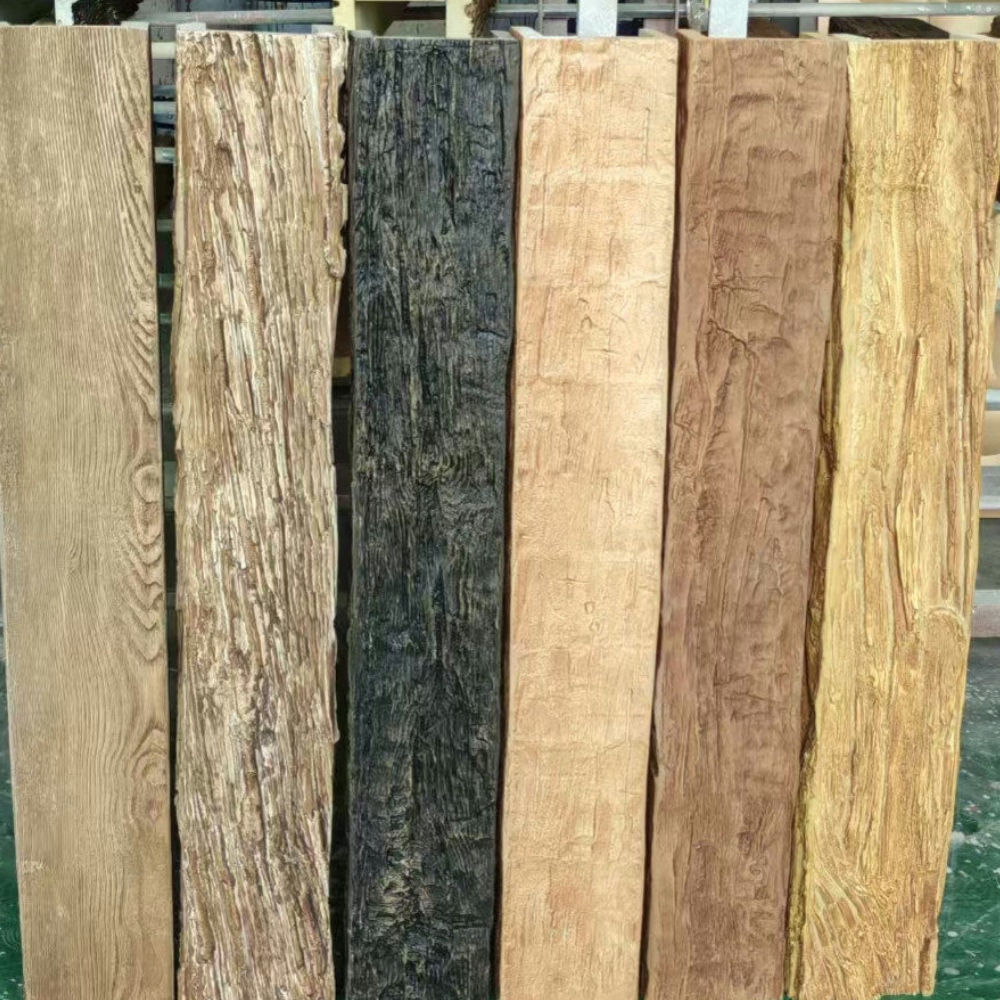
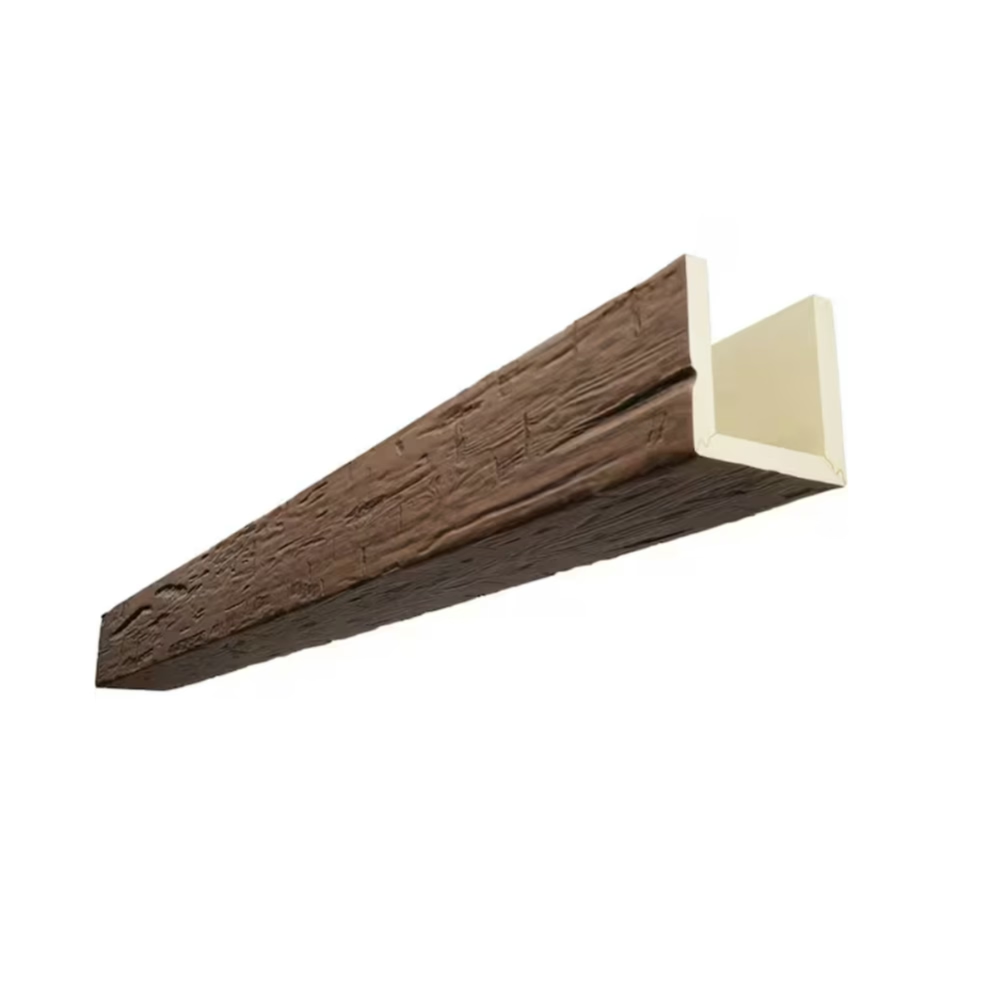
Coordinated decorative systems create more satisfying visual results than assembled collections of unrelated elements. When ornamental corbels support faux beams, the relationship between these elements deserves as much attention as individual component quality. Matching polyurethane corbels to PU faux beams ensures unified appearance where components appear designed together rather than arbitrarily combined.
The functional role of corbels in beam installations extends beyond mere support—these brackets carry visual weight that connects beams to surrounding architecture. Whether appearing to bear actual structural loads or providing purely decorative enhancement, corbels must balance aesthetic contribution with truthful relationship to beam elements. The most convincing installations create apparent structural logic where corbels appear appropriately scaled for their apparent loads.
Understanding the variety available in ornamental corbel design helps guide specification decisions. Traditional corbel profiles derive from centuries of architectural development, with forms tested by their ability to satisfy aesthetic expectations. Contemporary interpretations may either modernize traditional profiles or develop entirely novel approaches. Selection should align with overall design intent while maintaining authentic appearance.
Corbel Profile Types and Characteristics
Traditional scroll corbels feature curved profiles that echo classical design traditions. The S-curved profile provides elegant visual support while classical detailing—acanthus leaves, egg-and-dart moldings, or rosette medallions—adds refinement. Traditional scroll corbels suit design vocabularies ranging from strict historical revival to transitional contemporary applications. Their proven visual success provides reliable decorative enhancement.
Geometric corbels employ angular profiles rather than flowing curves. These contemporary interpretations of traditional support forms suit modern and minimalist interiors where organic shapes might feel inappropriate. Geometric corbels range from simple angled brackets to complex faceted forms that catch light in interesting ways. The clean lines complement contemporary architecture while providing necessary visual support.
Floral and naturalistic corbels incorporate botanical motifs that connect interior spaces to natural environments. Vine and leaf patterns climb corbel faces while more sculptural interpretations might feature stylized flowers, branches, or naturalistic branches. These organic profiles suit design contexts emphasizing biophilic connection—organic modern, farmhouse, or cottage-inspired interiors benefit from naturalistic corbel treatments.
Figural corbels occasionally appear in traditionally styled interiors where sculptural human or animal forms provide decorative support. These distinctive corbels make strong design statements appropriate for spaces where dramatic detail serves overall concept. Most contemporary applications avoid figural corbels except in historically accurate restoration projects or eclectic personal expressions.
Matching Corbel Design to Beam Profiles
Proportion relationships between corbels and beams determine visual coherence. Oversized corbels supporting modest beams create top-heavy appearances that undermine both elements. Underscaled corbels disappear beneath substantial beams, failing to provide meaningful visual contribution. Appropriate scaling creates balanced compositions where corbel and beam reinforce each other's presence.
Design vocabulary coordination ensures corbels and beams appear related rather than arbitrarily paired. Shared profile elements, similar molding details, and compatible finish treatment unify components visually. Manufacturers offering coordinated product lines simplify this matching process by designing complementary elements together. Custom matching requires more deliberate attention to proportion and detail relationships.
Corner treatment corbels present specific matching challenges when beam runs change direction. These specialized elements must coordinate with both intersecting beams while providing graceful transition between different directions. Corner corbel profiles often feature more elaborate decoration to accommodate viewing from multiple angles and provide visual emphasis at intersection points.

End corbels at beam terminations require coordination with beam end treatments. The corbel should provide appropriate visual conclusion for beam runs while coordinating with any decorative treatment applied to beam ends. Matching end cap designs between corbel and beam ensures unified appearance at termination points.
Installation Approaches for Coordinated Results
Structural support requirements for corbel installation depend on beam size and intended appearance. Decorative corbels that appear to support beams may require actual structural connection to ceiling framing. Engineering consultation identifies reinforcement needs for corbel installations where visual weight seems substantial. Addressing structural requirements prevents settling, sagging, or failure over time.
Positioning precision determines how convincingly corbels appear to support beam elements. Corbel tops should align precisely with beam bottom planes—no gaps or misalignments visible from normal viewing positions. Laser leveling and careful measurement ensure accurate positioning. Template fabrication for repetitive installations maintains consistency across multiple corbel positions.
Adhesive and mechanical fastening combine for secure corbel attachment. Construction adhesive provides continuous bond along mating surfaces while mechanical fasteners address immediate loads during adhesive cure. Fastener locations should be concealed within corbel profiles or positioned in areas hidden from normal viewing. The combination ensures installations that resist both gravity loads and building movement.
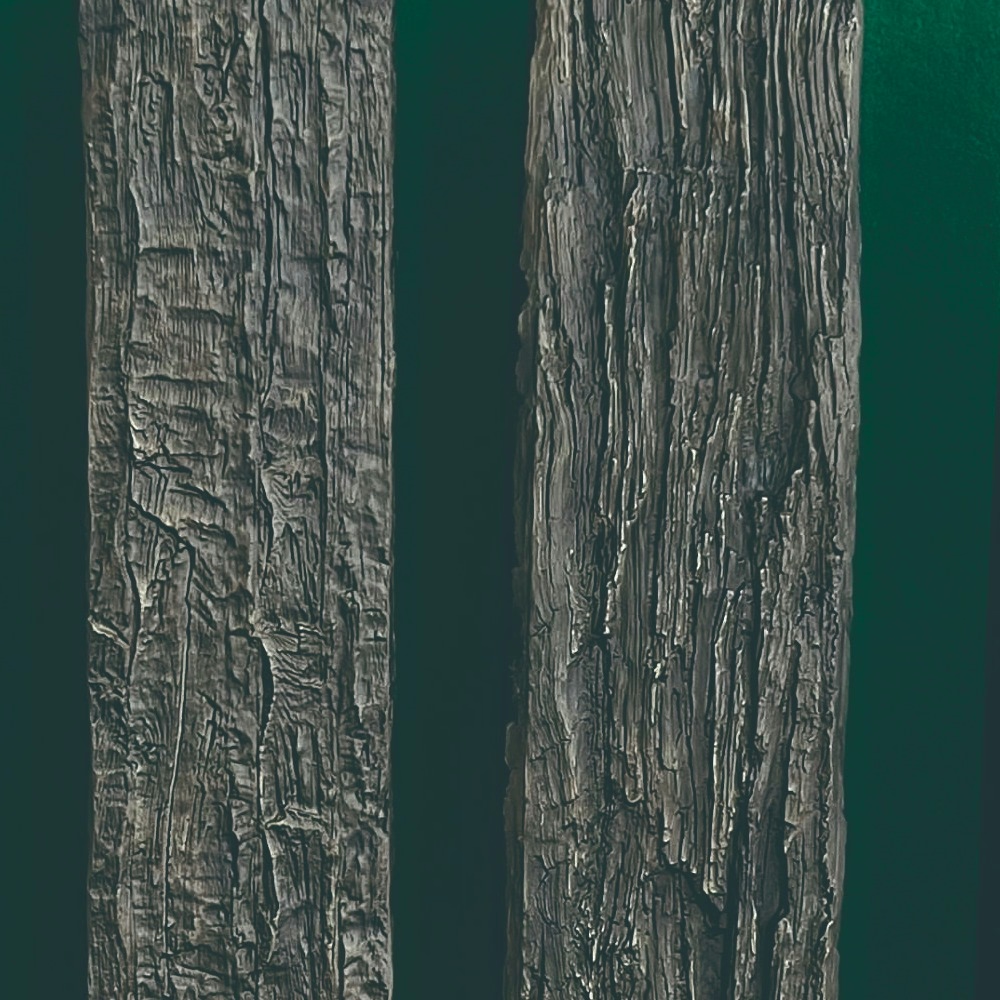
Finishing the junction between corbels and beams completes coordinated installations. Caulking, spackling, and touch-up finishing ensure invisible transitions between components. Paint or stain application should treat corbels and beams as unified system rather than individual elements. The finishing process should eliminate evidence of assembly, presenting instead a coherent architectural composition.
Design Applications and Considerations
Kitchen applications frequently combine corbels with faux beams around kitchen islands or dining areas. Substantial corbel support beneath exposed beam crossings creates visual anchors that define kitchen zones within open floor plans. Kitchen corbel selection should consider cooking-related exposure—finish durability and cleanability affect long-term appearance in these demanding environments.
Living room beam installations benefit from corbel support at visible intersections and beam ends. The corbels provide visual weight that grounds floating beam appearances while adding decorative interest at key viewing positions. Living room corbel selection should coordinate with fireplace surrounds, built-in millwork, and other architectural elements competing for visual attention.
Commercial applications in hospitality venues require fire rating compliance alongside aesthetic quality. Specified corbels and beams should carry appropriate certifications for intended applications. Corbel placement in commercial spaces should consider traffic patterns and potential impact exposure. Higher mounting positions reduce impact risk while maintaining visual contribution.
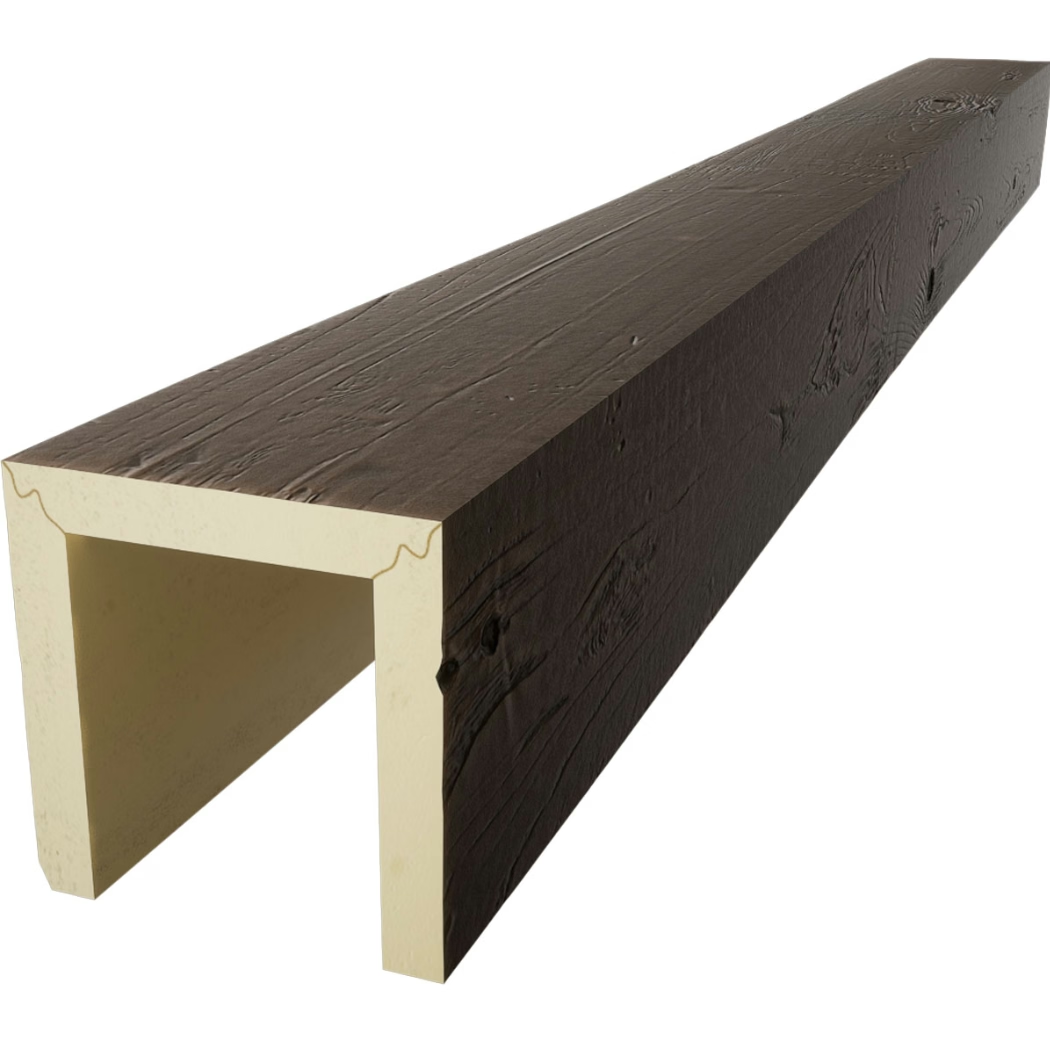
Matching corbel and beam systems create unified decorative ceiling compositions that enhance interior environments. When components appear designed together rather than arbitrarily assembled, the visual result satisfies expectations for quality architecture. Polyurethane manufacturing enables coordinated production of matching elements at price points that make comprehensive decorative systems accessible to projects across market segments.
Technical References
ASTM standards cited in every specification
Test Data
Lab results from internal testing program
Updated 2026
Reviewed against current product specs