The vocabulary of classical architecture—columns, cornices, medallions, corbels—has been reinvented for contemporary construction through polyurethane manufacturing. These familiar design elements, historically carved from stone or hand-finished in timber, now emerge from molds with precision that artisan craftsmanship cannot reliably achieve. For modern building renovations seeking architectural richness without structural burden, polyurethane decorative beam components provide vocabulary that speaks both to classical heritage and contemporary performance requirements.
Renovation projects present unique challenges that new construction specifications cannot anticipate. Existing structural systems may limit load-bearing additions, creating constraints that decorative elements must accommodate rather than ignore. Historic building requirements may demand materials compatible with original construction while meeting current performance standards. Tight renovation budgets may preclude the custom fabrication that unique design visions would otherwise require. Polyurethane decorative components address these challenges through lightweight construction, compatibility with existing systems, and manufacturing efficiency that controls costs without sacrificing quality.
Expanding Design Possibilities
The component approach to decorative beam design multiplies application possibilities beyond what monolithic beam products provide. Individual corbels, decorative braces, end caps, and trim pieces combine in unlimited configurations that custom fabrication would price prohibitively. A renovation project can specify standard components arranged in unique compositions, achieving distinctive results through creative assembly rather than expensive custom production.
Scale flexibility distinguishes manufactured components from traditional artisan products. The same corbel design might appear as intimate residential trim or dominate a hotel lobby through proportionally scaled manufacturing. This scalability enables design consistency across project types while accommodating specific spatial requirements that standardized dimensions would otherwise prevent. Architectural detailing can relate appropriately to its setting regardless of whether installation occurs in a powder room or grand ballroom.
Finish options available for manufactured components exceed what traditional materials provide naturally. While genuine stone offers limited color ranges and timber finishes depend on wood species characteristics, polyurethane accepts custom color matching, specialty textures, and protective coatings that expand aesthetic possibilities. A renovation seeking antique bronze beam corbels achieves this appearance through appropriate finish application rather than expensive material sourcing.
Integration with Existing Architecture
Successful decorative component installation requires careful attention to how new elements integrate with existing building features. Substrate conditions determine appropriate mounting approaches, while relationship to adjacent materials affects visual coherence. Renovation design that considers these integration factors achieves seamless results that appear original to the building rather than obvious additions.
Proportion relationships between decorative components and surrounding elements deserve careful attention during design development. Oversized corbels supporting inadequate beam loads telegraph false structural messaging that educated observers recognize as inauthentic. Conversely, undersized decorative elements disappear against substantial surrounding architecture, failing to provide the visual impact that justified their installation cost. Achieving appropriate proportion requires both design judgment and honest assessment of what decorative intent the renovation serves.
Lighting integration enhances decorative component visibility and contribution to spatial character. Strategic illumination reveals surface details that ambient lighting overlooks, while shadow patterns add dimensionality that flat lighting cannot achieve. The investment in lighting design that complements decorative installations pays dividends through enhanced visual impact that justifies component costs.
Load Considerations and Structural Support
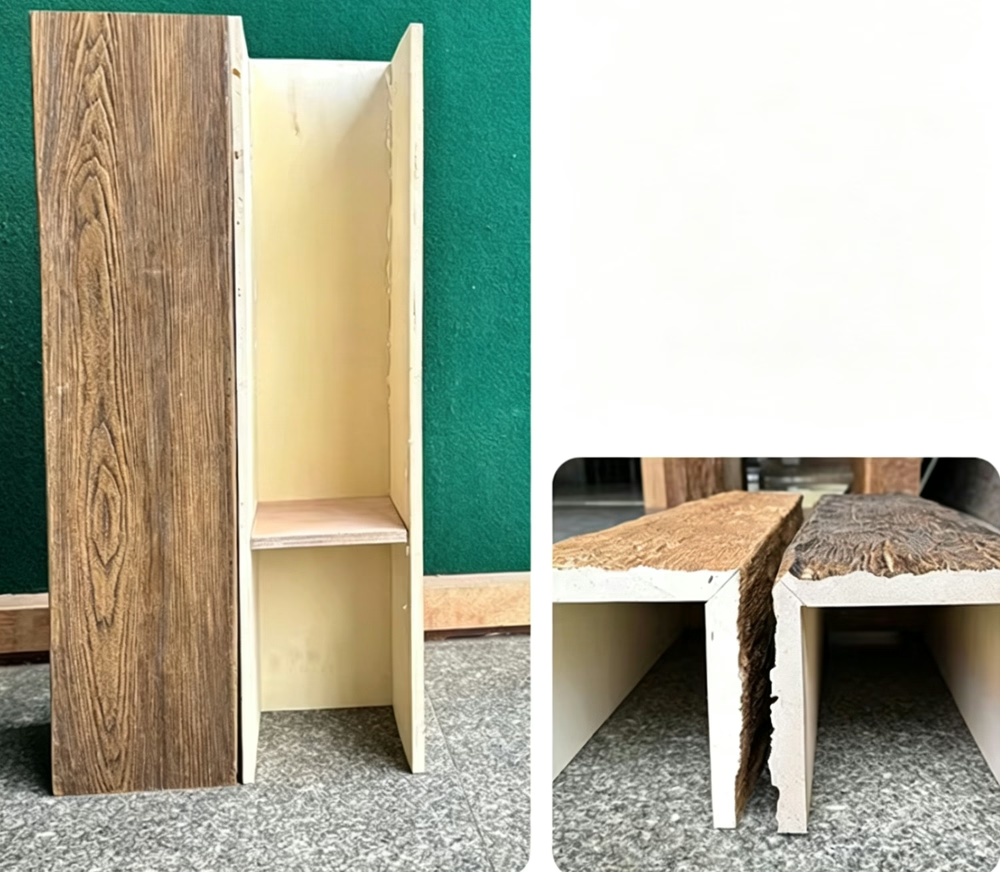
Decorative components introduce load considerations that structural beam installations do not face. While structural beams transfer loads through engineered systems, decorative elements may cantilever from support points or attach to substrates with limited fastening capacity. These attachment requirements must be evaluated honestly during specification, with mounting approaches selected to provide adequate security without requiring structural reinforcement that budgets cannot accommodate.
Cantilever limits for decorative elements derive from material strength properties and attachment capacity. Polyurethane's lightweight nature provides some advantage here, reducing moment forces that cantilever distances generate. However, material strength limitations constrain how far decorative elements can extend before deflection or failure becomes likely. Quality manufacturers provide load rating information that guides appropriate specification while preventing applications that exceed material capabilities.
Support framing hidden within decorative components can address structural requirements while maintaining aesthetic purity. Wood blocking, metal brackets, and engineered connection points concealed within polyurethane housings provide attachment capacity that exposed mounting cannot achieve. These hidden support systems require coordination during design development, ensuring that concealed elements integrate properly with both decorative components and supporting structure.
Cost-Benefit Analysis for Renovation Projects
Material costs for polyurethane decorative components typically fall below equivalent custom-fabricated alternatives in most wood or stone materials. Manufacturing efficiency through mold reproduction distributes design development costs across production volumes, while standardized component dimensions enable inventory availability that custom fabrication cannot match. These cost advantages prove especially significant in renovation contexts where budget constraints may determine project viability.
Installation labor savings compound material cost advantages through reduced handling difficulty and simplified attachment procedures. Lightweight polyurethane components install faster than stone alternatives while eliminating the specialized trades that carved wood or masonry installation requires. These labor efficiency gains translate directly into reduced installation costs that improve renovation project economics.
Lifecycle cost considerations favor polyurethane in many renovation applications. Maintenance requirements for quality manufactured components typically involve periodic cleaning without refinishing, repair, or replacement that traditional materials demand periodically. This maintenance simplicity proves valuable in commercial renovation contexts where ongoing upkeep budgets compete with capital improvement priorities.

The renaissance of decorative millwork in contemporary renovation reflects broader appreciation for architectural detail that modern construction often lacks. Polyurethane decorative beam components satisfy this demand through accessible pricing, practical performance, and aesthetic quality that satisfies discerning clients. The transformation of traditional craft vocabulary through modern manufacturing creates opportunities that neither traditional artisans nor purely industrial approaches could provide alone.
Product development continues expanding component availability as manufacturers identify market opportunities and design professionals request specific profiles. This expanding catalog enables specification choices that previous generations of designers could not access, democratizing architectural richness across project types and budget levels. The availability of sophisticated decorative elements at accessible price points changes renovation possibilities for clients previously priced out of detailed architectural improvements.
Successful decorative component specification requires design judgment that technology cannot replace. Understanding how components relate to architectural context, perform structurally, and contribute to spatial experience demands human expertise that product catalogs cannot provide. Design professionals who develop this expertise position themselves to transform renovation opportunities into distinctive completed projects that satisfy client aspirations while demonstrating material possibilities that others might overlook.

Technical References
ASTM standards cited in every specification
Test Data
Lab results from internal testing program
Updated 2026
Reviewed against current product specs


