The archway has defined architectural entry for millennia, marking transitions between spaces while framing the moments when people move from one environment to another. Above that curved opening, the lintel bears responsibility for bridging the gap while bearing loads that the arch alone cannot accommodate. In contemporary construction, this functional necessity has become design opportunity through polyurethane faux timber lintels that elevate structural requirements into architectural statements.
The word lintel describes the horizontal member spanning openings in walls—doorways, windows, and arches—whereas the arch itself provides the curved upper portion that distributes loads into supporting walls. Together, these elements create the complete architectural frame that polyurethane products can now address comprehensively. From rustic farmhouse kitchen arches to sleek contemporary entry vestibules, lintels in various styles establish the character that archway designs express.
Understanding Lintel Function and Specification
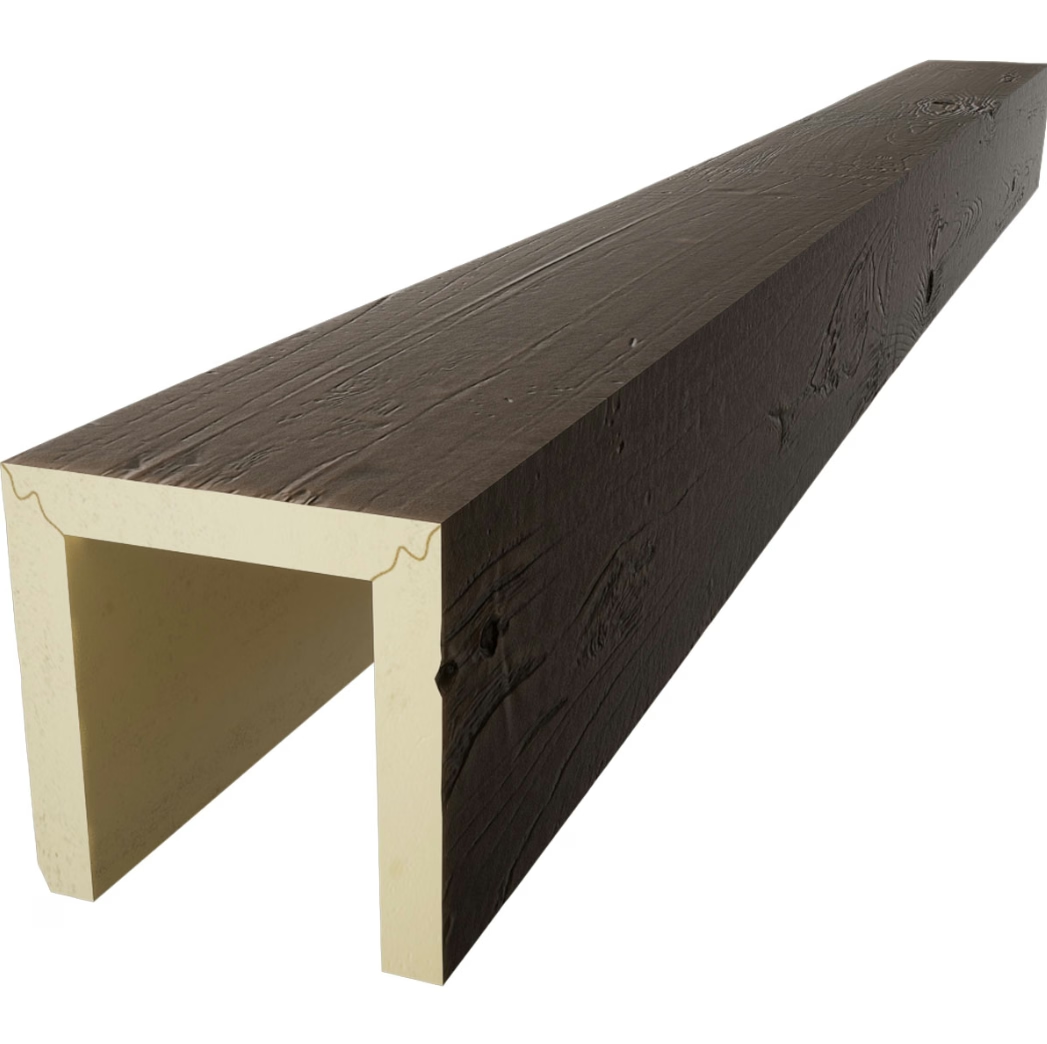
Lintel specification begins with structural analysis that determines load requirements. The lintel must support whatever building materials exist above the opening—wall sections, upper floors, roof structures—while bridging the width of the arch below. Polyurethane faux lintels address appearance requirements rather than structural ones; actual structural support typically comes from concealed steel or engineered lumber that polyurethane trim conceals.
Span length significantly influences lintel specification decisions. Wider openings require deeper lintels with greater load-bearing capacity, creating proportional relationships that affect visual appearance. A lintel appropriate for a three-foot interior doorway would appear trivial spanning a twelve-foot commercial entrance, requiring proportionally larger members that affect both material costs and visual impact.
Integration with surrounding trim establishes the lintel within larger architectural compositions. Kitchen archways might coordinate lintels with cabinet crown moulding and countertop edging, creating unified millwork programs that pull spaces together visually. Exterior applications coordinate with fascia trim, window casings, and foundation water tables, requiring attention to these broader relationships during lintel selection.
Exterior Archway Applications
Exterior archways face environmental challenges that interior applications avoid. Weather exposure—rain, sun, temperature cycling, humidity variation—tests material durability in ways that climate-controlled interiors do not stress. Polyurethane formulations designed for exterior service incorporate UV inhibitors, impact modifiers, and water-resistant properties that enable long-term performance without the maintenance requirements that genuine timber demands.
Entry archways establish first impressions that affect how visitors perceive entire properties. A welcoming front entry arch creates positive anticipation before interior spaces reveal themselves, while a stark or neglected archway presentation undermines otherwise successful design. Polyurethane lintels and arch components enable entry presentations that enhance curb appeal through coordinated material selections and professional installation quality.
Garage openings, patio accesses, and covered walkway arches require lintels that coordinate with broader exterior design programs while standing up to demanding conditions. Vehicle traffic vibration, landscaping equipment proximity, and exposure to lawn care chemical splatter all threaten exterior trim installations. Polyurethane's resistance to moisture, rot, and chemical exposure provides durability that wood alternatives cannot match without regular maintenance attention.
Interior Design Applications
Interior archways offer greater design freedom than exterior applications since weather resistance requirements do not constrain material selection. This freedom enables focus on aesthetic qualities—finish options, profile details, and integration with interior trim—without the performance compromises that exterior durability demands. Interior polyurethane lintels can employ lighter formulations, finer surface details, and more delicate profiles than exterior equivalents.
Kitchen renovation frequently features archways that define work zones without visual separation that walls would create. The breakfast nook separated from food preparation areas by a graceful arch benefits from lintel treatment that frames this transition while maintaining visual flow between spaces. Polyurethane lintels provide this framing with wood aesthetics that complement cabinetry, flooring, and countertop material selections.
Home office and study archways create focal points that distinguish work zones within open floor plans. A书房 library alcove framed by substantial timber-style lintels establishes gravity appropriate for focused work while remaining visually connected to surrounding living areas. These psychological zoning functions—separating activities without spatial division—represent archway design opportunities that polyurethane makes accessible.
Style Variations and Design Coordination
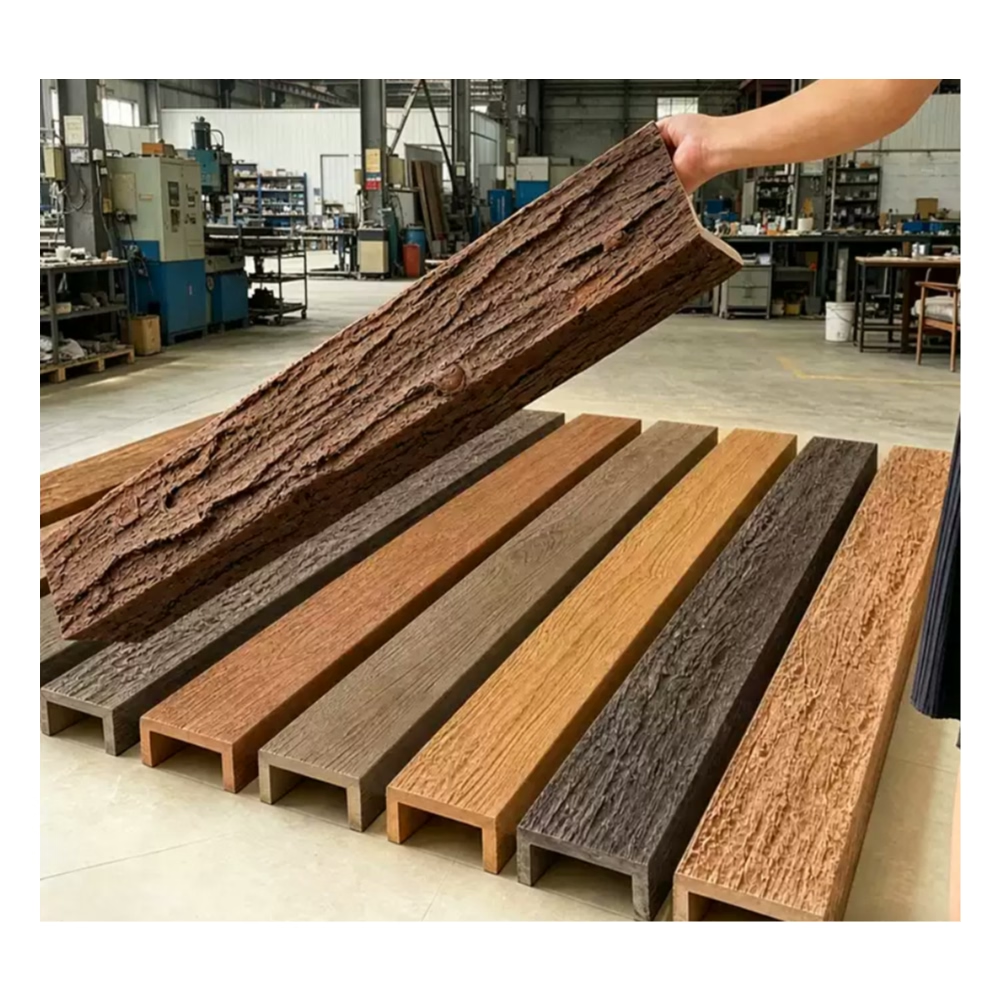
Rustic farmhouse archways favor substantial lintels with heavy textures, natural wood tones, and distressing that suggests genuine aged timber. These applications benefit from polyurethane products that replicate reclaimed wood aesthetics without the availability constraints and quality variations that actual reclaimed materials present. Consistent appearance across multiple pieces enables professional installations that reclaimed timber sourcing cannot guarantee.
Contemporary archways require different aesthetic approaches—cleaner profiles, flatter finishes, and minimal texturing that suggest modern manufacturing rather than handcraft. Polyurethane products designed for contemporary applications feature these characteristics while maintaining the durability advantages that polyurethane provides across all style categories. The design flexibility inherent in mold manufacturing enables style options that natural materials cannot offer.
Transitional designs that blend traditional and contemporary elements present coordination challenges that careful specification addresses. A design that combines clean-lined lintels with traditional trim profiles requires attention to how these different aesthetic approaches integrate. Polyurethane manufacturers often offer product lines designed for transitional applications, providing coordinated elements that simplify the specification challenge.
Installation Details for Lasting Performance
Lintel installation over archways requires attention to structural coordination that decorative trim typically avoids. The concealed structural member must align with finish lintel positioning while providing adequate bearing surface for load transfer. Coordination between structural engineer requirements and finish contractor execution ensures that hidden structure and visible trim work together reliably.
Joint treatment between lintel and arch components deserves attention during installation planning. Thermal movement, building settlement, and humidity variation all stress these joints over time, creating gaps or separations if installation details do not accommodate movement. Quality installation details incorporate flexible adhesive connections and backing materials that absorb movement without visible consequences.
Finish application over polyurethane lintels requires primers and paints compatible with polyurethane substrates. Not all coatings adhere properly to polyurethane surfaces without appropriate preparation; quality results require attention to manufacturer recommendations for coating systems. This finish preparation investment protects the aesthetic investment that lintel installation represents.

The archway's enduring presence in architectural history reflects functional elegance that polyurethane faux timber lintels now make universally accessible. Whether framing grand hotel entrances or modest residential doorways, these structural-turned-decorative elements create transitions that elevate everyday movements into architectural experiences. The combination of aesthetic quality and practical performance positions polyurethane lintels for continued market growth as design appreciation expands.
Style evolution continues as manufacturers develop new profiles, finishes, and installation systems that address emerging design preferences. Contemporary minimalism creates demand for sleeker lintel profiles, while neo-traditional revivals inspire reinterpretations of classical archway details. These stylistic variations ensure that polyurethane lintel options expand alongside design trends, providing solutions for projects regardless of aesthetic direction.
The decision to specify polyurethane lintels involves considerations beyond simple material comparison. Architects and designers who understand how lintels function within larger architectural compositions create installations that contribute meaningfully to spatial experience. The technical competence that proper specification requires combines with design judgment that transforms functional elements into architectural assets.

Technical References
ASTM standards cited in every specification
Test Data
Lab results from internal testing program
Updated 2026
Reviewed against current product specs


