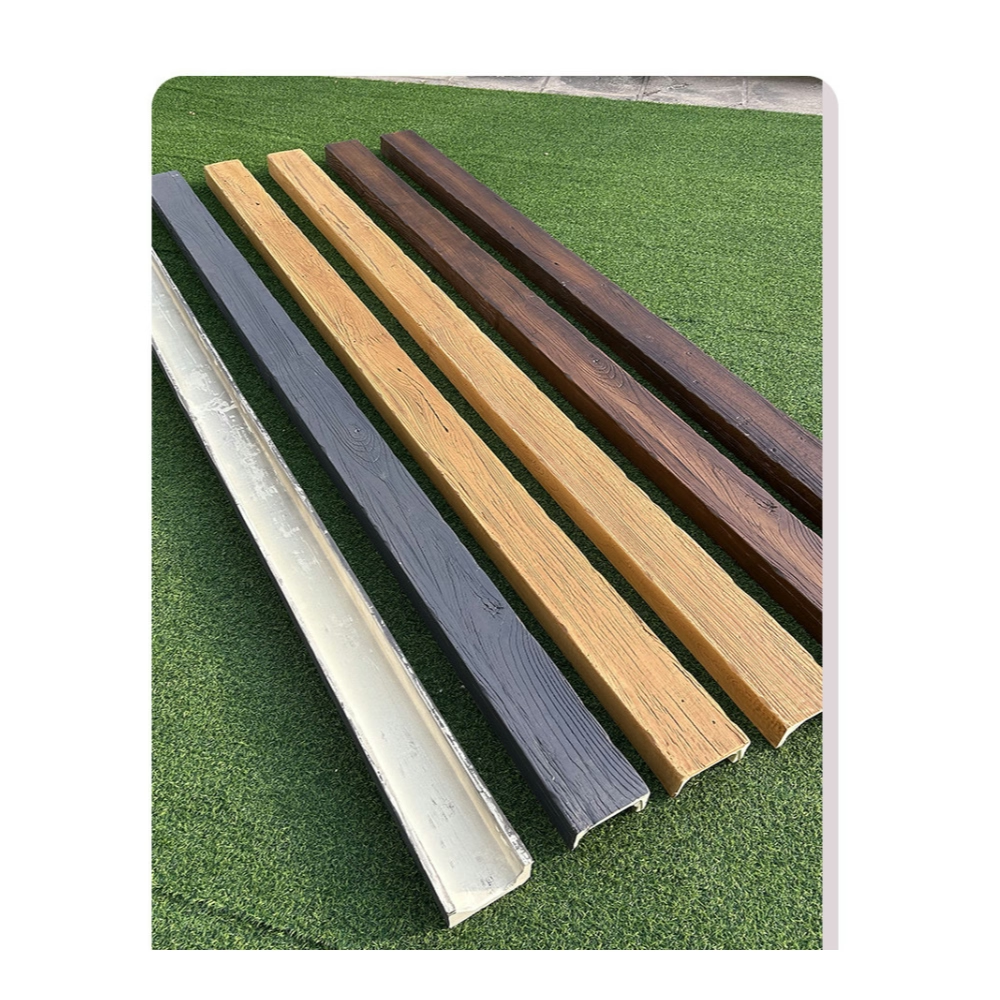
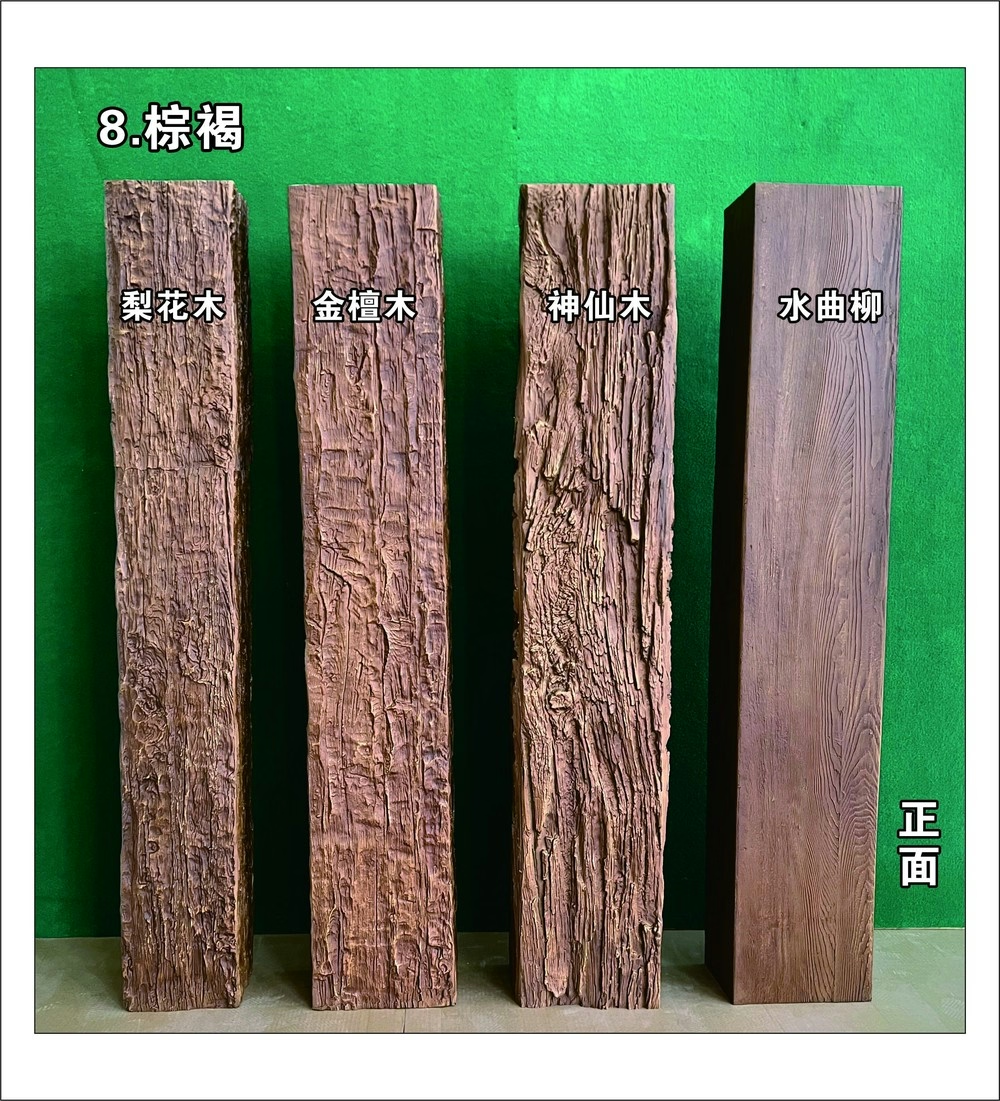
A twenty-foot ceiling beam makes a statement. A forty-foot continuous run of matching beams creates an experience. The scale of architectural installations affects how spaces feel, how light behaves, and how occupants experience environments over time. Polyurethane resin beam extension sections make these impressive long runs achievable, providing the joinery solutions that continuous beam installations require.
Standard beam lengths often cap at eight to twelve feet—practical limits for manufacturing, shipping, and handling that cannot accommodate the longer spans that ambitious designs demand. Extension sections bridge these length gaps, enabling installers to create appearances that single-piece beams cannot achieve while managing practical constraints that limit individual piece dimensions.
The Engineering Behind Seamless Extensions
Creating convincing continuous beam appearances requires attention to how joints read under various viewing conditions. Head-on examination from below, angled viewing from room corners, and side approaches from doorways each reveal different joint characteristics. Extension section design addresses these viewing angles, creating connection details that maintain realistic wood appearances from all reasonable observation positions.
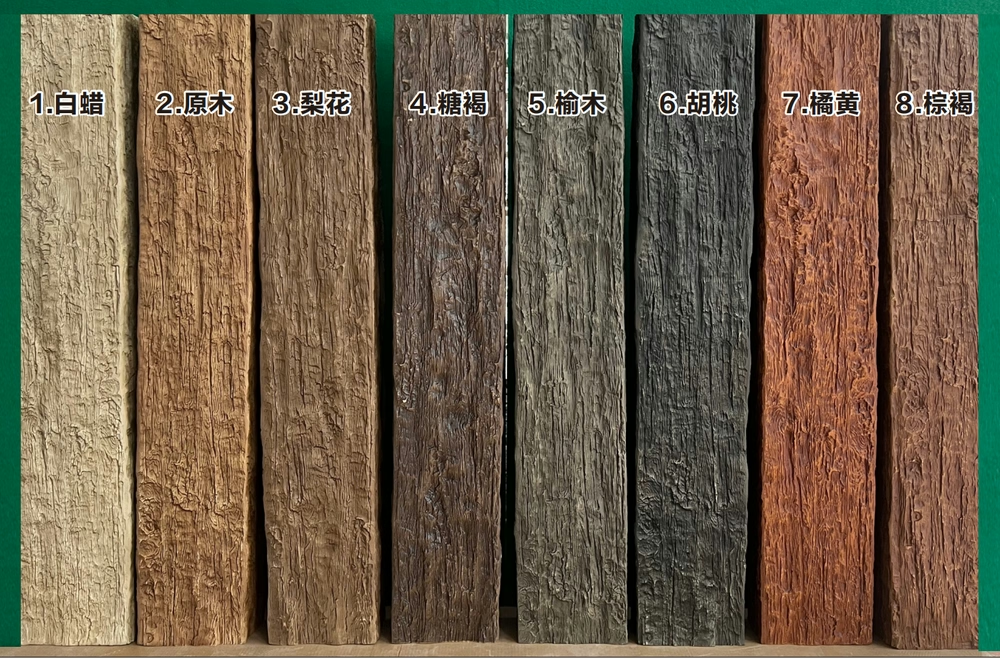
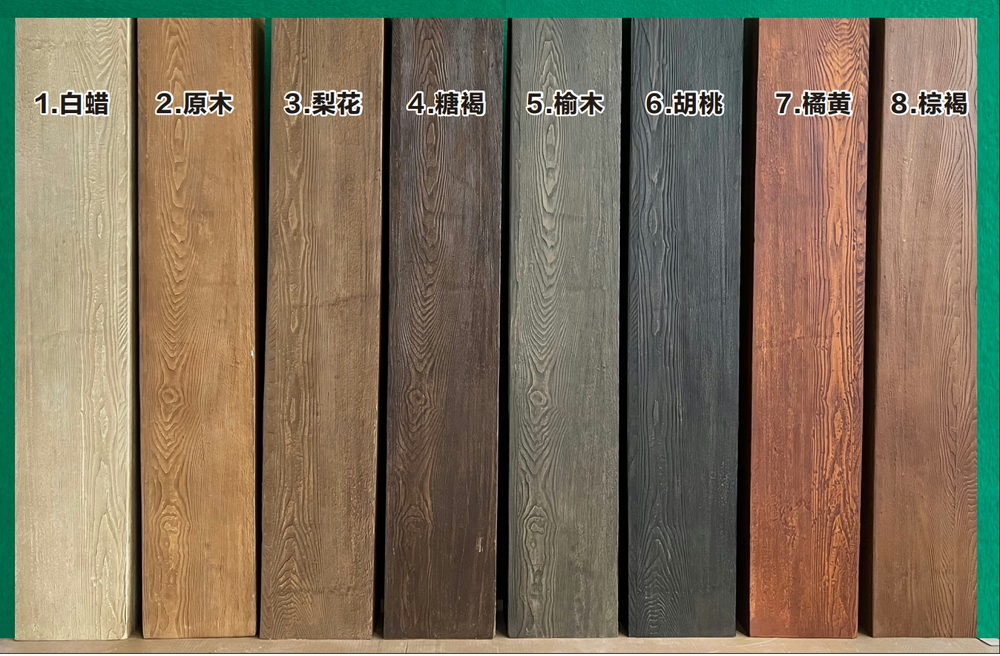
Grain pattern continuation across joints requires thoughtful design that extends texture features naturally. A joint positioned where a significant knot appears in genuine timber would draw immediate attention; extension sections positioned at grain pattern transitions create similar jarring discontinuities. Quality extension design identifies where grain patterns naturally begin and end, positioning joints at these logical transition points rather than arbitrary locations.
Color consistency across extended runs demands manufacturing precision that ensures batch-to-batch uniformity. A beam installed today should match an extension section installed next month without visible differences. Quality manufacturers maintain color formulation control that achieves this consistency, eliminating the appearance variations that would betray the multi-piece construction that long runs require.
Installation Techniques for Professional Results
Field measurement for extension installations requires precision that affects finished appearance significantly. Small measurement errors accumulate across long runs, creating alignment problems that become increasingly severe with distance. Professional installers measure multiple times, check measurements against building references that may not be perfectly square, and account for ceiling irregularities that affect final positioning.
Support structure for extended beam runs must accommodate increased loads that longer spans create. While polyurethane remains lightweight compared to timber, the cumulative weight of a forty-foot run requires adequate support that individual short-span installations might not need. Structural consultation for substantial installations ensures that support systems handle loads safely and securely.
Connection details between beam sections require both structural integrity and cosmetic perfection. Hidden metal plates, biscuits, or splines provide mechanical strength that adhesive alone cannot guarantee. Covering these connections with matching finish materials—fabricated end caps, coordinated trim pieces, or integrated seam treatments—maintains continuous appearance that observers never question.
Design Applications for Extended Runs
Great room ceiling beams frequently span the full length of open floor plans, defining spatial boundaries while adding architectural interest to expansive volumes. These installations benefit from extension section technology that achieves spans impossible for single-piece beams. The visual impact of beams running continuously from one wall to another creates design coherence that shorter segments cannot match.
Commercial applications—hospitality lobbies, restaurant dining rooms, retail showrooms—often feature even longer runs that extension sections enable.跨度 These extended installations create the impressive architectural statements that commercial spaces require to establish brand identity and spatial character. Polyurethane extension technology makes these ambitious installations practical without the engineering complexity that genuine timber long-span construction would demand.
Outdoor applications including covered walkways, pool enclosures, and porte-cochères present additional challenges for extended runs. Thermal expansion across long exterior spans creates movement that interior installations avoid. Extension section designs for exterior applications incorporate accommodation for this movement, preventing the stress buildup that rigid connections would create as temperature changes cause material expansion and contraction.
Joint Detailing Options
Butt joint connections between beam ends create the simplest extension approach, relying on careful alignment and finish matching to achieve convincing results. This approach works best when beam texture patterns naturally terminate at convenient locations, when viewing distances keep joints from close scrutiny, or when architectural details—corbels, medallions, or cross beams—conceal junction points.
Scarf joints that angle the connection interface provide greater surface area for adhesive bonding while creating transitions that read more naturally than butt joints. The angled cut through the beam cross-section reveals wood-grain patterns that continue across the joint, mimicking how timber splices have been made traditionally. This traditional technique translated to polyurethane creates convincing authenticity that simple butt joints cannot achieve.
Decorative joint covers—metal straps, wooden dowels, or forged iron plates—transform extension joints into design features rather than hidden connections. These decorative treatments suit rustic and farmhouse aesthetics where visible joinery celebrates craft rather than concealing it. The same approach applied to contemporary designs might employ metal sleeves or geometric connectors that complement modern sensibilities.
Planning Extended Installations
Project planning for long beam runs must account for production lead times that extension requirements may extend. Multi-piece beams require additional manufacturing time for component production and quality verification. Ordering well in advance of installation dates ensures that materials arrive in sequence without the scheduling pressure that late ordering creates.
Storage and handling logistics for extended beam runs require site-specific planning. Long pieces require clear pathways and adequate staging areas that shorter pieces might not need. Coordination with other trades ensures that beam delivery and installation occur when site conditions accommodate the logistics that extended beams demand.
Inspection protocols for extended installations should verify each joint before subsequent sections install. Catching alignment problems early prevents cascading errors that would compound across long runs. This incremental verification approach—checking each connection before proceeding—transforms what could be a catastrophic error into a manageable correction.

The ambition to create impressive long-span beam installations becomes achievable through extension section technology that extends design possibilities beyond single-piece limitations. Whether spanning great room ceilings or running through hospitality venues, continuous beams create spatial impacts that shorter installations cannot approach. Polyurethane manufacturing makes these ambitious designs practical through consistent quality and accessible pricing.
The craftsmanship that extended beam installations demand rewards professional execution with architectural results that justify the investment. Installers who master the techniques that long runs require develop specialized skills that distinguish their work from commodity beam installation. This expertise development represents career investment that continues generating value across projects.
Design professionals who specify extended beam installations benefit from understanding how extension technology enables design visions that shorter spans would compromise. Communicating these possibilities to clients expands the range of outcomes that projects might achieve, creating opportunities for installations that conventional thinking might never explore.

Technical References
ASTM standards cited in every specification
Test Data
Lab results from internal testing program
Updated 2026
Reviewed against current product specs