Decor beams serve purposes that structural beams do not address. While engineered timber or steel elements perform load-bearing functions, decorative beams exist to create visual interest, establish architectural style, and add dimension to spaces where pure function would produce uninspiring environments. Polyurethane resin faux wood decor beams accomplish these aesthetic objectives without the weight, cost, and maintenance concerns that genuine timber or stone alternatives impose.
The word decor implies intention beyond pure utility—decisions made deliberately to create environments that serve psychological and emotional needs as much as practical requirements. Spaces decorated with care affect how people feel within them, influencing mood, productivity, and overall wellbeing in ways that unadorned construction cannot achieve. Decorative beam installations contribute to these experiential qualities through visual warmth, spatial definition, and architectural character.
The Psychology of Decorative Beam Installations
Spatial perception responds to ceiling height in predictable ways that beam installations can manipulate. Lower ceilings create intimate, protective atmospheres suited to conversation and relaxation, while higher ceilings promote alertness and formality appropriate for work and public gathering. Decorative beams installed at actual ceiling heights or below through suspended mounting influence these perceptions, enabling designers to adjust spatial psychology through beam placement decisions.
The horizontal lines that parallel beam installations introduce into ceiling planes create visual rhythms that organize complex spaces. These rhythms guide eye movement across rooms, establishing navigation paths that occupants follow unconsciously. Restaurant designers leverage this principle, using beam directions to draw attention toward service areas or feature walls while creating the spatial coherence that comfortable dining requires.
Wood aesthetics contribute warmth that many interior styles seek. The natural material associations that wood surfaces evoke—organic origins, craft traditions, environmental connection—create psychological comfort that stone or metal cannot replicate. Polyurethane resin beams that successfully evoke wood aesthetics capture these psychological benefits without the practical limitations that genuine wood imposes.
Style Options and Aesthetic Categories
Rustic farmhouse aesthetics favor substantial beams with prominent textures, natural finish tones, and deliberate distressing that suggests age and honest construction. These style requirements align well with polyurethane capabilities—the material reproduces heavy textures effectively while accepting finish applications that achieve authentic rustic appearances. Installations serving rustic design intentions benefit from beams with visible character marks, uneven surfaces, and traditional joinery details.
Contemporary interiors demand different decorative beam qualities—cleaner profiles, flatter finishes, and minimal texturing that suggest precision manufacturing rather than handcraft. Contemporary style beams often feature sharp profile corners, uniform surfaces, and paint-grade finishes that coordinate with modern color palettes. Polyurethane's manufacturing precision enables these contemporary aesthetics that handcrafted timber cannot reliably achieve.
Transitional designs blending traditional and contemporary elements present specification challenges that require careful balance. Beams serving transitional applications might combine simplified traditional profiles with contemporary finish treatments, creating hybrid aesthetics that neither purely rustic nor purely modern approaches achieve. This design complexity rewards attention during specification while creating opportunities for distinctive installations.
Integration with Interior Design Programs
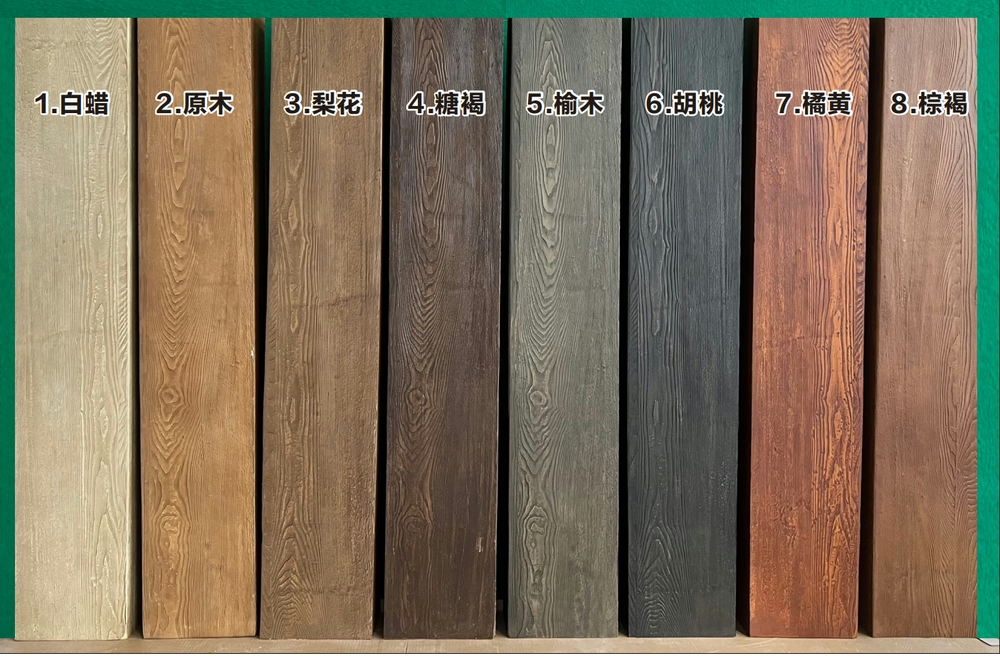
Coordinated material palettes ensure that decorative beams contribute to unified design compositions rather than appearing as disconnected additions. Beam finish selections should relate to flooring tones, furniture materials, and wall treatments through deliberate color relationships. Complementary relationships that echo existing colors create visual harmony, while contrast relationships that introduce new tones add visual interest without creating chaos.
Proportion relationships between beams and surrounding elements require attention during design development. Massive beams in modest rooms overwhelm spatial scales, while delicate beams in grand spaces disappear without contributing meaningful visual impact. Achieving appropriate proportion involves understanding how beam scale relates to ceiling height, room dimensions, and furniture sizes within spaces.
Lighting integration enhances decorative beam contributions to interior design. Recessed fixtures between beams create shadow patterns that emphasize beam depth and texture. Uplighting that illuminates beam undersides from concealed sources reveals grain details while adding ambient illumination. These lighting strategies transform beam installations from static elements into dynamic features that change character through daily light cycles.
Commercial Decor Beam Applications
Hospitality venue design relies heavily on decorative beam installations to establish brand identities and spatial characters that guests remember. Resort lobbies featuring dramatic beam ceilings create arrival experiences that distinguish properties while encouraging social behavior the business model requires. Polyurethane's durability advantages benefit these high-traffic commercial applications where maintenance access proves difficult and appearance standards remain demanding.
Restaurant ceiling beam installations create dining environment atmospheres that complement food and service experiences. Rustic tavern beam installations support pub identities, while contemporary beam treatments serve upscale dining concepts targeting different market segments. The ability to specify custom beam profiles, unique finishes, and coordinated trim elements enables brand-consistent designs that support customer experience objectives.
Retail space beam treatments define merchandise presentation zones while adding architectural interest that generic ceiling tiles cannot provide. High-ceiling retail environments benefit particularly from beam installations that bring scale closer to merchandise and customer activity levels. These commercial applications demand installation durability that polyurethane provides, surviving cleaning routines, seasonal merchandising changes, and ongoing traffic that would damage less robust materials.
Investment Considerations for Decor Beam Projects
Material and installation costs for decorative beam projects vary substantially based on design complexity, scale, and specification quality. Premium polyurethane products with superior textures and finishes cost more than commodity alternatives, but the appearance difference justifies investment in visible applications. The value proposition extends beyond initial cost to include reduced maintenance, extended service life, and satisfaction that appearance quality provides.
Return on investment for decorative beam installations manifests through multiple channels. Residential applications that enhance homeowner satisfaction and property values, commercial installations that support business performance through improved customer experience, and portfolio value improvements for income properties all represent potential returns. Understanding which return channel applies to specific projects guides specification decisions about quality levels and budget allocations.
The relationship between decoration investment and project scope deserves consideration during planning phases. A few strategically placed beams might transform space perception more effectively than extensive installations that overwhelm through quantity rather than quality. Design judgment about appropriate decoration investment prevents both under-decoration that misses opportunity and over-decoration that wastes resources without proportionate benefit.

Decorative beam installations translate design vision into architectural reality, transforming ordinary ceiling planes into features that define spaces. The selection of polyurethane resin faux wood beams for these applications combines aesthetic flexibility with practical performance that serves commercial and residential requirements alike. This material combination enables design ambitions that budget constraints or material limitations might otherwise prevent.
The craft of decorative beam installation extends beyond simple mounting to encompass the design judgment that creates successful outcomes. Understanding how beams affect spatial perception, relate to surrounding materials, and support overall design intentions separates professional results from amateur installations. This expertise development rewards investment through project outcomes that clients value and remember.
As interior design trends evolve, decorative beam aesthetics adapt to changing preferences while polyurethane manufacturing improves to meet emerging requirements. Staying current with both trends and product development enables design professionals to offer clients solutions that incorporate latest possibilities. This professional currency benefits practitioners and clients alike through improved project outcomes.

Technical References
ASTM standards cited in every specification
Test Data
Lab results from internal testing program
Updated 2026
Reviewed against current product specs


