Popcorn ceilings carry decades of accumulated reputation—from modern convenience to dated eyesore in the span of changing aesthetic preferences. Textured surfaces once applied to hide imperfections and simplify maintenance now signal obsolete construction that sophisticated buyers expect renovation to address. The question becomes how to transform these textured surfaces efficiently without the expense and disruption of complete ceiling replacement.
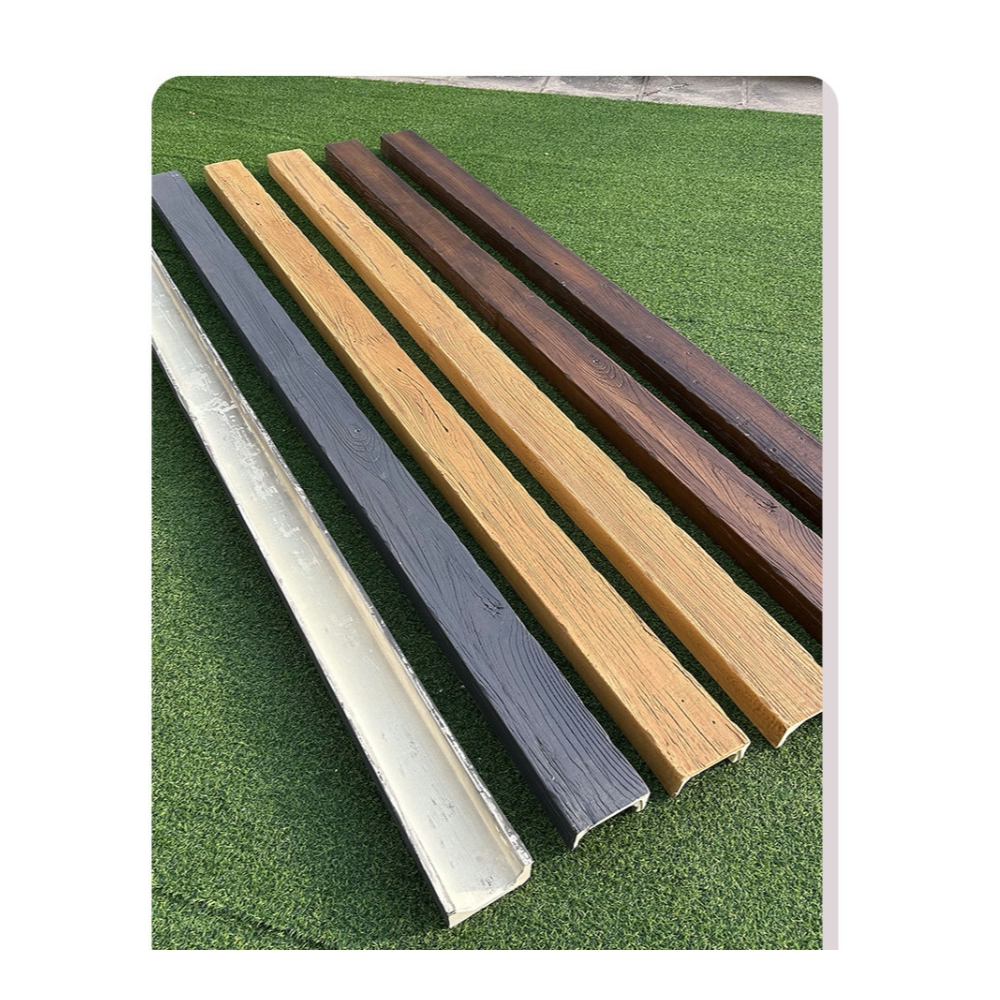
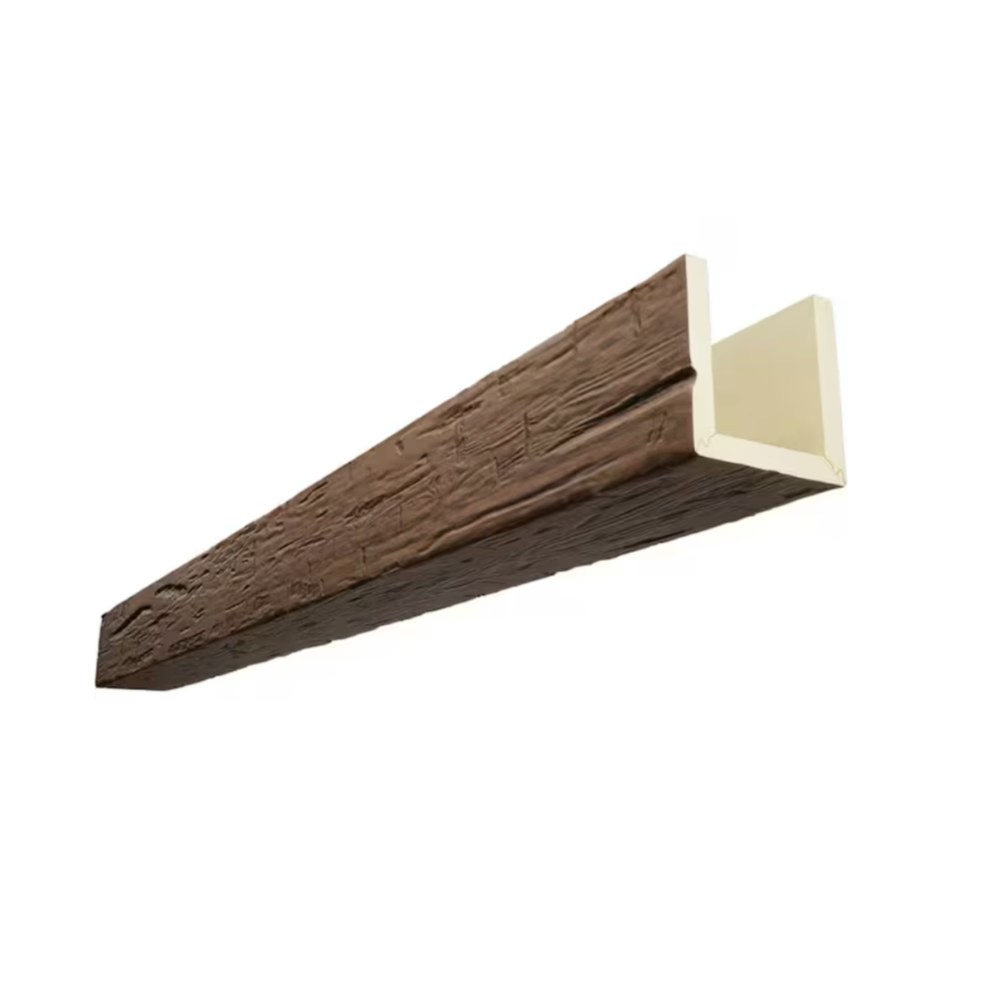
Polyurethane beam installations provide elegant solutions for popcorn ceiling transformations that avoid demolition mess while adding architectural interest that paint or texture removal cannot achieve. Beams mounted directly over existing popcorn surfaces create entirely different ceiling character while avoiding the asbestos concerns that plague pre-1980 construction and the labor intensity that removal generates.
Understanding Popcorn Ceiling Characteristics
Popcorn texture consists of compound applications—typically paint base plus texture material—applied as spray coating to ceiling surfaces. This texture achieves its characteristic bumpy appearance through vermiculite, perlite, or styrofoam particles mixed into wet coating materials. The resulting surfaces resist cleaning, complicate fixture mounting, and accumulate visible soiling that renovation typically addresses.
Adhesion challenges distinguish popcorn surfaces from smooth ceiling substrates that beam installation normally assumes. The irregular texture creates bonding surface variability where mechanical fastener holding power remains unpredictable. Adhesive products perform inconsistently over textured surfaces where contact depends on coating thickness variation. These adhesion concerns require specific preparation approaches that popcorn ceiling upgrades demand.
Moisture sensitivity affects older popcorn applications particularly where kitchen grease, tobacco smoke, or humidity have penetrated coating layers. These compromised areas may delaminate under beam weight if not addressed during preparation. Testing adhesion through tape pull tests or visual inspection identifies problem areas requiring remediation before beam installation proceeds.
Surface Preparation Approaches
Thorough cleaning removes accumulated contaminants that affect adhesion quality. TSP solutions, degreasers, or specialized ceiling cleaners address specific contamination types, but cleaning must penetrate textured surfaces thoroughly to achieve adequate substrate preparation. This cleaning effort represents substantial portion of popcorn ceiling upgrade labor but cannot be skipped without compromising installation quality.
Adhesive testing determines whether direct mounting over existing surfaces can succeed or whether removal becomes necessary. Small test areas with sample weights confirm adhesive performance before committing to full installation approach. This testing investment prevents costly failures that adhesive incompatibility with popcorn textures might create.
Priming prepares cleaned surfaces for adhesive bonding while equalizing absorption that textured coatings often exhibit unevenly. Primer application also seals any remaining contamination that cleaning did not fully remove. Premium bonding primers designed for problematic substrates provide additional adhesion assurance that standard primers cannot guarantee over challenging popcorn surfaces.
Direct Overhead Mounting Techniques
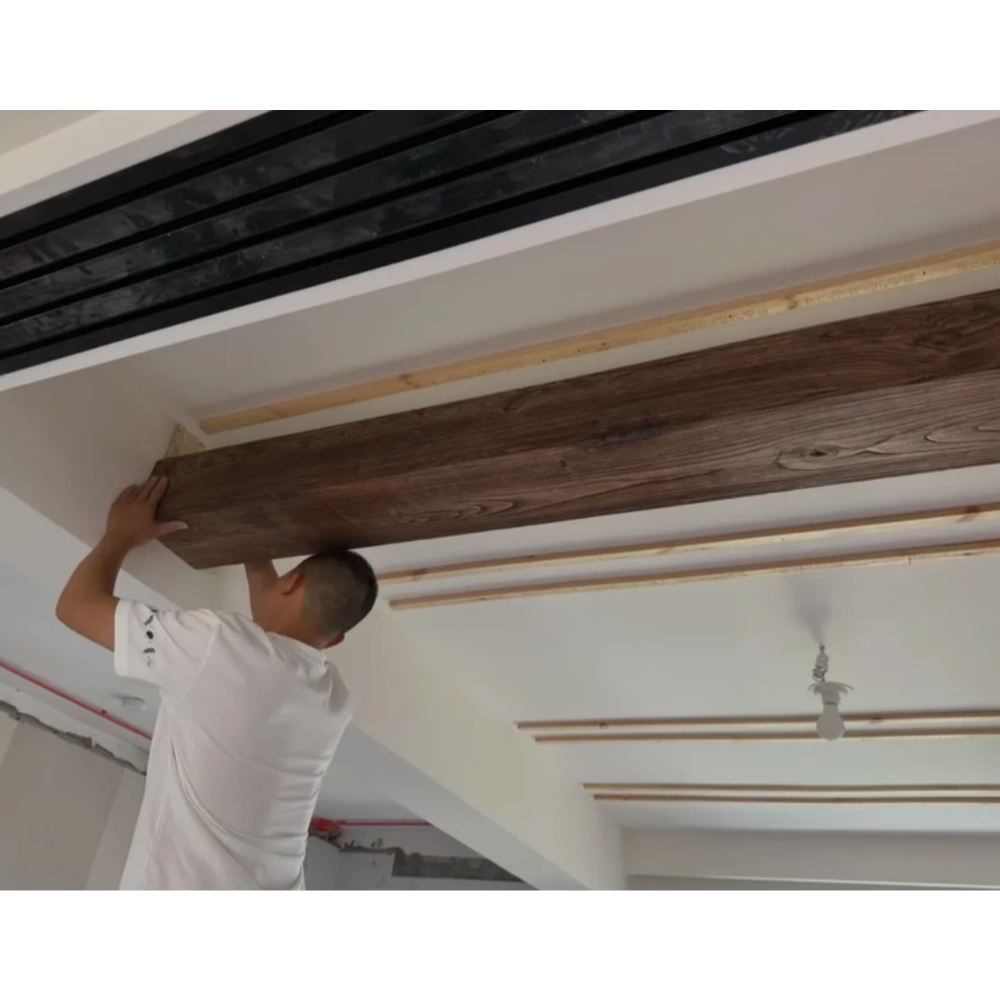
Mechanical fastening through polyurethane beams into structural substrates provides the most secure attachment approach where ceiling structure permits. Long screws penetrating beam backs into joists or structural ceiling create mechanical connections that adhesive alone cannot match. This direct fastening works best where beam runs align with structural members, requiring layout planning that coordinates beam positioning with ceiling construction.
Adhesive bonding provides alternative or supplementary attachment where mechanical fastening cannot reach structural elements. Construction adhesives formulated for problematic substrates create permanent bonds when properly applied. Full-coverage adhesive application—rather than spot bonding—distributes beam weight across maximum surface area, reducing stress concentration that might exceed adhesive capacity.
Combination mounting using both mechanical fasteners and adhesive combines the security of mechanical attachment with the even distribution that adhesive provides. This approach requires accurate fastener location to penetrate structural elements while applying adhesive that fills gaps between beam and textured ceiling. The extra installation effort rewards through attachment security that neither single approach achieves independently.
Design Strategies for Transformation Impact
Strategic beam placement maximizes visual impact while minimizing material and labor investment. Perpendicular beams crossing ceiling spans create grid patterns that transform ceiling character dramatically with fewer linear feet than parallel-only installations require. This grid approach suits rooms where beam crossings can align with room geometry rather than fighting existing spatial organization.
Beam spacing affects both appearance and budget. Wider spacing creates bolder individual statements but requires more substantial beam profiles to avoid appearing sparse. Tighter spacing creates denser ceiling textures that may overwhelm modest rooms. Finding spacing relationships that suit specific room dimensions requires design judgment informed by understanding how beam scale relates to spatial perception.
Accent beams focusing on specific ceiling areas rather than complete coverage may provide better value in some contexts. A single dramatic beam crossing a dining room ceiling, or beams framing a seating area without covering entire ceiling planes, can transform appearances with targeted investment. This focused approach suits rooms where popcorn ceilings affect limited areas or where design intentions emphasize specific architectural features.
Managing Existing Fixtures and Systems
Light fixtures require coordination with beam installations that ceiling planes without beams would not demand. Pendants, ceiling fans, and recessed fixtures each present attachment challenges that beams either complicate or provide opportunities for. Planning fixture relocation or adjustment before beam installation prevents decisions made under installation pressure that might not serve design intentions.
Smoke detectors and sprinkler heads may occupy ceiling positions that beam installations would cover or require relocation. Building code requirements often specify fixture locations that renovation must maintain, creating constraints that beam design must accommodate. Early identification of fixture positions enables design adjustments that late discovery would prevent.
Electrical runs, HVAC ductwork, and plumbing pipes may occupy ceiling cavities in ways that affect beam mounting options. These hidden systems create obstacles that beam installations must navigate without damaging. Careful survey of ceiling cavities through available access points—attic spaces, fixture removals—identifies constraints before installation begins.

The transformation potential that beam installations provide for dated popcorn ceilings represents one of renovation's most cost-effective upgrades. Avoidance of demolition expense and debris disposal, combined with the dramatic visual improvement that beams provide, creates value propositions that demolition-and-replacement cannot approach. This transformation approach suits both budget-conscious renovation and projects where schedule constraints prevent extended ceiling work.
The preparation investment that popcorn ceiling upgrades require determines installation success as much as beam quality or mounting technique. Surfaces that appear adequately clean may harbor contamination that adhesion testing reveals. This preparation reality rewards thoroughness that short-cutting undermines. Professional installers understand this relationship, investing preparation effort proportional to the transformation benefits beams will provide.
Design judgment about beam placement, spacing, and style selection translates technical capability into aesthetic achievement. The most perfectly installed beams fail to deliver satisfaction if placement decisions create visual confusion rather than improvement. This design responsibility deserves attention that commodity installation thinking might overlook. Spaces transformed through beam installations reflect the design intelligence applied during planning as much as the installation quality achieved during construction.

Technical References
ASTM standards cited in every specification
Test Data
Lab results from internal testing program
Updated 2026
Reviewed against current product specs