Latin American interior design encompasses remarkable diversity that generalizations cannot capture. From Mexican hacienda traditions through Brazilian modernism to Andean craft influences, the region expresses design through cultural lenses that each country, and often each region within countries, interprets distinctly. Faux beam installations serving these markets require understanding how regional design vocabularies shape specification decisions that generic recommendations cannot address.
The shared colonial heritage that binds much of Latin American architecture creates common threads that cross national boundaries. Spanish and Portuguese colonial influences established spatial organizations, material palettes, and decorative conventions that contemporary design reinterprets while acknowledging. Understanding these historical foundations enables beam specifications that resonate with cultural expectations rather than imposing foreign design paradigms.
Spanish Colonial Revival Applications
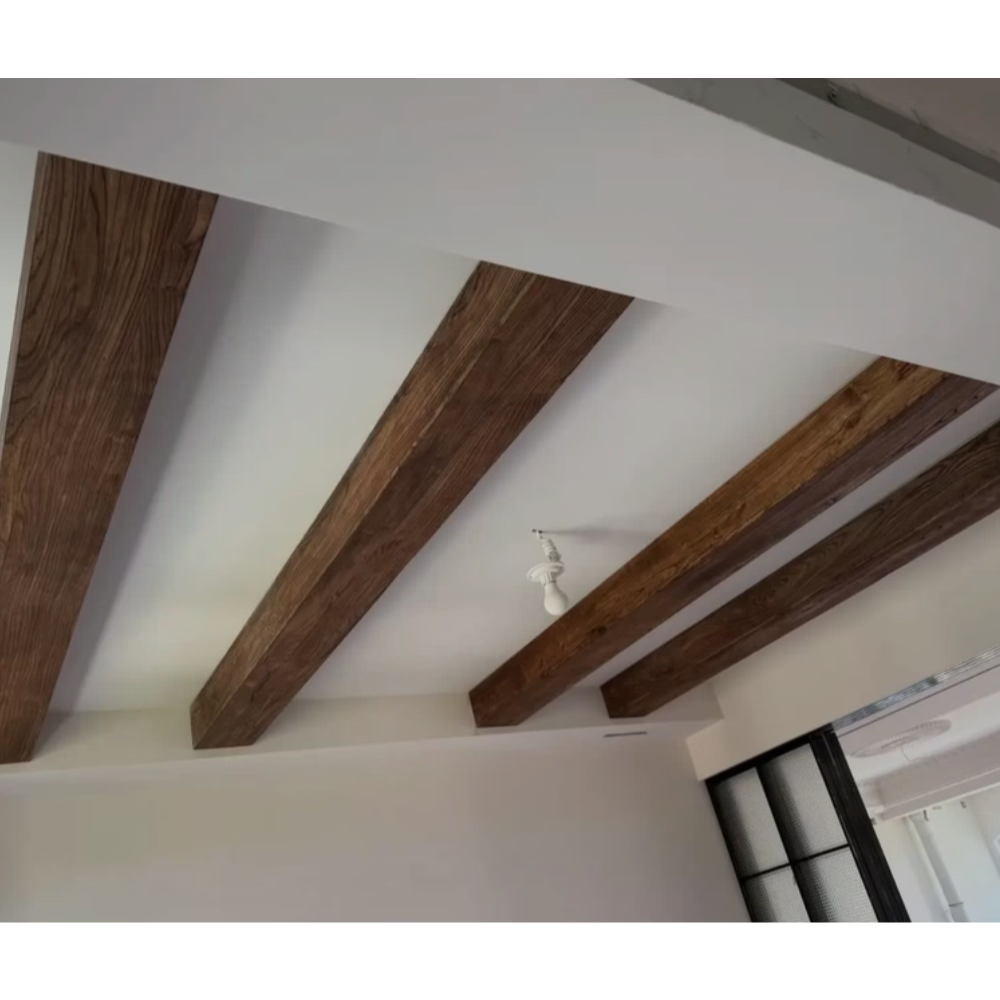
Spanish colonial architecture established beam-using traditions that continue influencing Latin American design centuries after original construction. Heavy timber beams—vigas—spanning large openings characterized original hacienda and church construction, creating ceiling rhythms that Spanish colonial revival design replicates. Polyurethane faux beams serving this style tradition should evoke timber massiveness rather than delicate trim proportions.
Color palettes for Spanish colonial applications favor warm earth tones—terracotta, adobe, ochre—that Mexican and Central American environments naturally provide. Beam finishes should complement these palettes through warm brown stains, raw timber tones, or painted finishes that coordinate with established color schemes. Cool tones that contrast with regional color traditions disrupt design coherence that successful installations achieve.
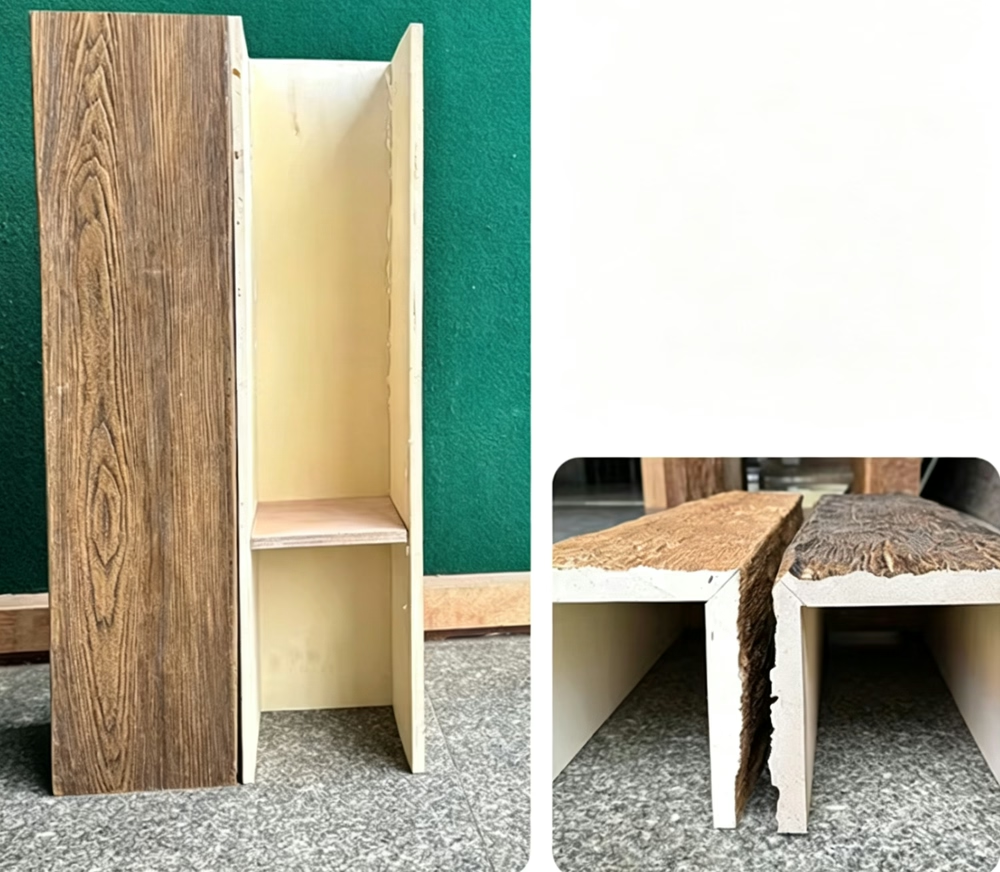
Texturing for Spanish colonial beams should suggest aged timber that centuries of service have weathered authentically. Heavy grain patterns, visible checking, and subtle surface irregularities communicate age and honest construction that contemporary materials rarely achieve. These authentic texture requirements align well with polyurethane's molding capabilities, enabling surface qualities that extruded plastics cannot produce.
Modern Tropical Interpretations
Contemporary Latin American architecture increasingly interprets tropical modernism that architects like Ricardo Legorreta and Luis Barragán established. This design approach balances indoor and outdoor spaces, employs bold color accents, and creates spatial experiences through light and shadow rather than ornamentation. Faux beams serving these interiors require different aesthetic qualities than traditional applications demand.
Clean-lined profiles suit modern tropical interiors where decorative detail would compete with architectural clarity. Beam proportions should relate to contemporary construction scales—typically lighter and simpler than Spanish colonial massiveness. Finish selections might coordinate with bold accent colors that tropical modernism employs or provide neutral warmth that balances colorful architectural elements.
Integration with tropical outdoor living expectations affects beam specifications for spaces flowing to patios, courtyards, and gardens. The indoor-outdoor spatial organization that Latin climate enables requires beam treatments that transition gracefully to exterior contexts. This spatial fluidity suggests beam installations extending through openings or visible from multiple vantage points that emphasize spatial continuity.
Regional Craft Influences
Andean weaving traditions influence Peruvian and neighboring country design through textile pattern applications to architectural surfaces. Beam installations might incorporate painted or routed patterns derived from indigenous textile designs, creating cultural connections that generic timber appearances cannot achieve. This craft integration requires customization beyond standard product catalogs that manufacturers might not provide.
Brazilian design absorbs African, indigenous, and European influences through distinctive synthesis. São Paulo modernism coexists withBahian folk traditions, creating design contexts that range from minimalist luxury to vibrant craft-based aesthetics. Faux beam specifications must navigate this diversity, responding to specific client orientations rather than assuming uniform regional preferences.
Mexican artisan traditions—Talavera tile, wrought iron, carved wood—create rich design environments where beams contribute to layered compositions rather than standing alone. Beams in these contexts should coordinate with surrounding craft elements through complementary color relationships and proportional scaling that honors the artisanal quality of adjacent materials.
Climate Considerations for Beam Selection
Humid tropical climates affect beam material requirements that temperate zone specifications do not face. Polyurethane's moisture resistance provides advantage in these environments where genuine timber faces constant humidity stress. However, UV exposure accompanying tropical sun accelerates surface degradation that sheltered installations avoid. Material selection should account for exposure conditions specific to each installation.
Coastal salt exposure creates corrosion concerns that inland installations ignore. Fasteners, mounting hardware, and any exposed metal components should resist salt corrosion in beachfront applications. Polyurethane beam materials themselves survive salt exposure well, but attachment systems must accommodate environmental conditions that material selection alone cannot address.
Ventilation strategies that tropical architecture employs affect beam installation approaches. High ceilings, ceiling fans, and cross-ventilation create air movement patterns that influence beam placement and appearance. Beams positioned where ventilation flows create visible movement may accumulate dust faster than sheltered installations, suggesting finish selections that accommodate maintenance requirements.
Market Considerations for Regional Suppliers
Latin American import markets present logistics challenges that domestic supply chains avoid. Shipping costs, customs procedures, and delivery timeframes affect product availability in ways that influence specification decisions. Local or regional manufacturing that avoids long-distance shipping may provide practical advantages beyond mere convenience.
Currency fluctuation affects pricing stability for imported beam products, creating budget uncertainty that domestic materials avoid. Specification professionals working across Latin American markets navigate these economic realities through pricing structures, contract terms, and supplier relationships that accommodate exchange rate volatility.
Design professionals serving Latin American clients benefit from understanding how regional design traditions shape aesthetic expectations. The cultural knowledge that enables appropriate specification develops through study, travel, and direct engagement with regional design communities. This expertise development rewards investment through project success in markets where generic design thinking fails to resonate.

The diversity of Latin American design contexts creates specification challenges that demand cultural knowledge alongside technical competence. Faux beam products serving these markets must respond to regional design vocabularies that generalize poorly, requiring specification professionals to understand specific project contexts rather than applying categorical recommendations. This localization requirement rewards expertise development while creating barriers for generic product approaches.
The continued growth of Latin American interior design markets creates opportunities for manufacturers and specification professionals who invest in regional understanding. Design expectations rise as economies develop and design awareness expands, creating demand for quality products that serve sophisticated regional preferences. Polyurethane faux beams that address these evolving requirements position themselves for market success in one of the world's most dynamic design regions.
Cross-cultural design collaboration increasingly connects Latin American markets with global design influences, creating hybrid aesthetics that blend regional traditions with international contemporary trends. Faux beam specifications in these contexts must navigate cultural authenticity expectations while accommodating modern design sensibilities. This design balancing act rewards sophistication that surface-level specification cannot achieve.

Technical References
ASTM standards cited in every specification
Test Data
Lab results from internal testing program
Updated 2026
Reviewed against current product specs


