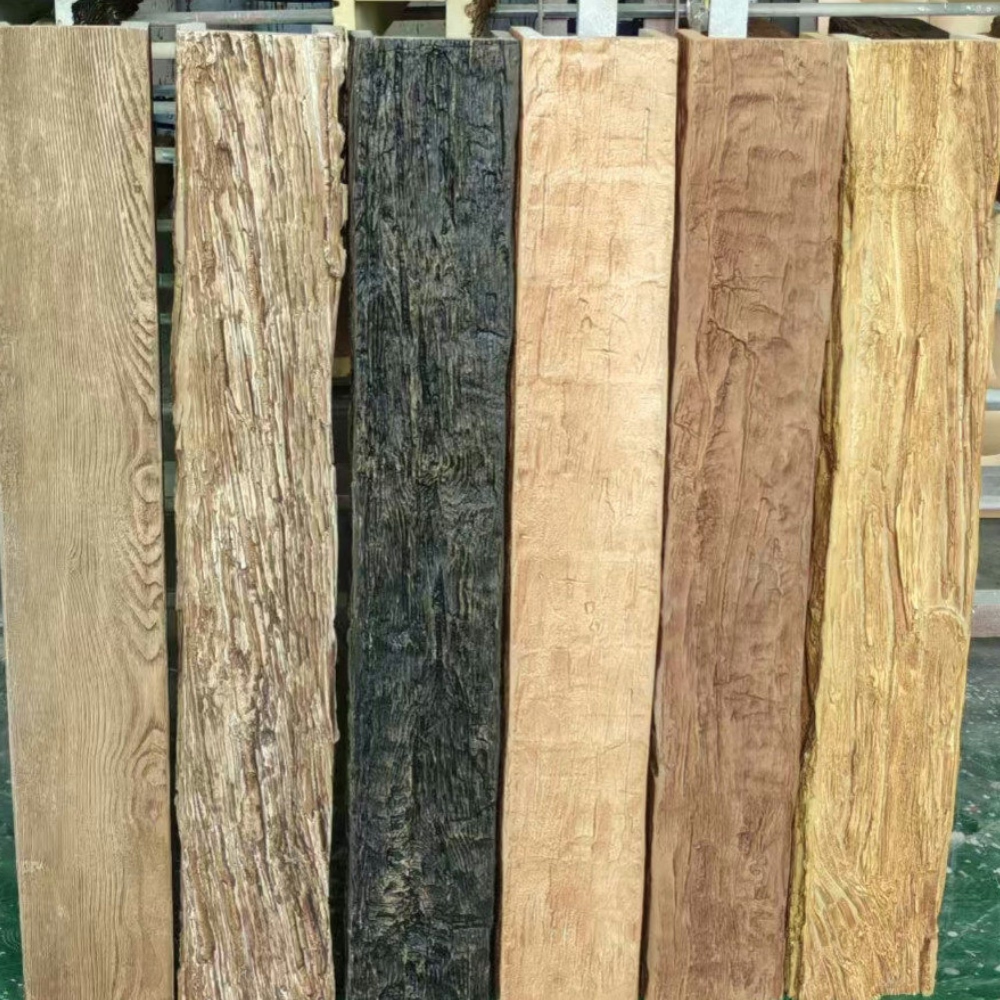
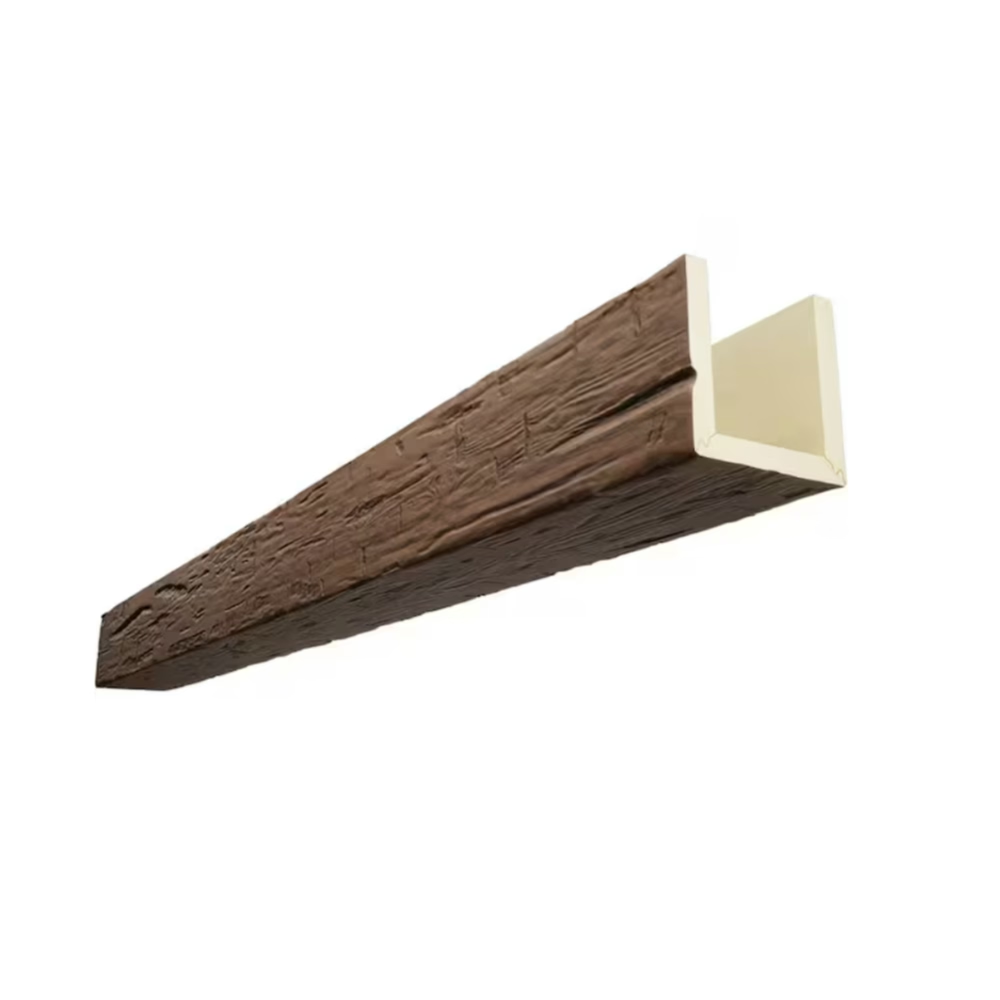
The ceiling plane has become design canvas in ways that previous generations did not prioritize. While earlier construction treated ceiling surfaces as afterthoughts requiring only paint or texture, contemporary design recognizes ceiling treatment as primary opportunity for spatial enhancement. Polyurethane faux beams participate in this ceiling design evolution through products specifically engineered for modern applications.
Modern ceiling treatments break from traditional exposed beam vocabulary, incorporating beams as elements within comprehensive ceiling systems rather than standalone features. Coffered ceilings, tray ceiling enhancements, and dropped beam features all represent product categories where beam elements integrate with surrounding ceiling architecture. Understanding these modern treatment approaches enables specification that serves contemporary design intentions.
Coffered Ceiling Systems
Coffered ceilings divide ceiling planes into recessed geometric panels that create architectural interest through shadow and dimension. Traditional coffered construction employed timber or plaster frameworks, requiring substantial structural support and skilled craftsmanship that limited application to premium projects. Polyurethane coffered components democratize this treatment, enabling coffered ceilings in projects where traditional construction would cost prohibitively.
Coffered system components include beam grid frameworks, recessed panel inserts, and decorative trim elements that together create complete ceiling compositions. These modular components assemble into configurations that standard grid patterns or custom arrangements suit, providing design flexibility that rigid traditional construction cannot achieve. Project-specific customization through component selection and arrangement creates coffered ceilings appropriate for each installation context.
Coffer depth significantly affects visual impact and manufacturing complexity. Deeper coffers create stronger shadow definition but require more substantial polyurethane components and more dramatic ceiling height reduction. Shallower coffers integrate more easily with existing ceiling conditions but may appear subtle compared to deep coffered alternatives. Finding depth relationships that suit specific room conditions requires design judgment informed by understanding how coffer dimensions affect spatial perception.
Tray Ceiling Beam Enhancements
Tray ceilings create stepped ceiling profiles that rise from walls toward center spans, adding dimension without the structural complexity that vaulted or coffered ceilings demand. Polyurethane beam additions enhance tray ceiling treatments, introducing wood aesthetics that plain drywall tray profiles lack. These enhancements range from subtle trim details to substantial beam features that dramatically transform tray ceiling character.
Beam placement options in tray ceiling applications include crown placement along transition steps, spanning beams across elevated center sections, or combining multiple beam types in comprehensive treatments. Each placement approach creates different visual effects that suit different design intentions. Crown placement provides transition detail that softens the geometric step, while center spanning beams add focal interest that draws attention upward.
Lighting integration enhances tray ceiling beam treatments through cove lighting, recessed fixtures, and LED strip installations that highlight beam features. Light washing beam surfaces reveals texture details that ambient lighting overlooks, while shadow casting creates depth perception that flat lighting cannot achieve. These lighting strategies transform beam treatments from static installations into dynamic features that change through daily light cycles and lighting adjustments.
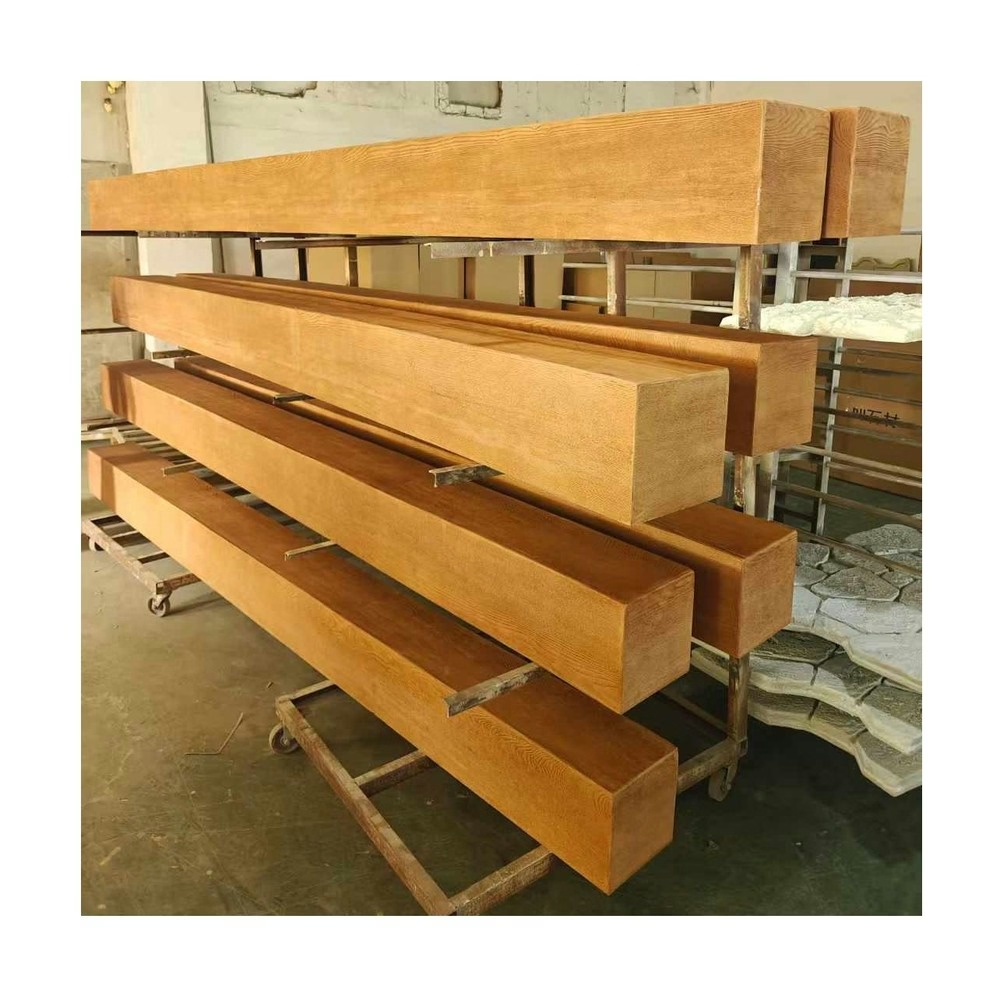
Dropped Beam Features
Dropped beam installations create floating ceiling elements that suspend below primary ceiling planes, adding visual interest while preserving ceiling height in spaces where full beam depth would feel oppressive. Modern dropped beams typically feature clean-lined profiles, minimal flanges, and contemporary finishes that suit current design preferences better than traditional rustic beam aesthetics.
Drop clearance between dropped beams and primary ceiling affects both visual impact and practical considerations. Greater clearance creates stronger floating effect but increases ceiling height reduction that might constrain room function. Minimal clearance creates subtle dimensionality that barely registers but preserves more ceiling height. Design decisions about clearance depend on ceiling height, room proportions, and the drama level that specific projects seek.
Suspended mounting systems for dropped beams require engineering that ensures secure attachment while concealing support hardware. Aircraft cables, threaded rods, and concealed brackets each provide load capacity while enabling installation approaches that hide structural elements from view. Professional dropped beam installation requires attention to these mounting details that casual installation might overlook.
Integrated Ceiling Systems
Comprehensive ceiling systems combine beams with related treatments—medallions, architectural moldings, panel systems—into coordinated design programs. These integrated approaches create ceiling environments rather than isolated features, achieving visual richness through layered treatments that individual elements cannot provide. Polyurethane manufacturing enables these integrated systems through consistent material, finish, and profile coordination.
Custom integrated system design addresses project-specific requirements that catalog products cannot accommodate. Architectural millwork suppliers offering custom polyurethane fabrication translate design intentions into manufactured components that achieve unique ceiling treatments. This custom capability expands possibilities beyond standard product limitations, enabling ceiling designs limited only by design imagination rather than manufacturing constraints.
Finish coordination across integrated system components requires attention during specification and manufacturing phases. Variations between beam finishes, molding finishes, and panel finishes would undermine the unified appearance that integrated systems aim to achieve. Quality manufacturers maintain finish consistency across product lines, ensuring that components specified together appear designed as complete systems rather than accumulated pieces.
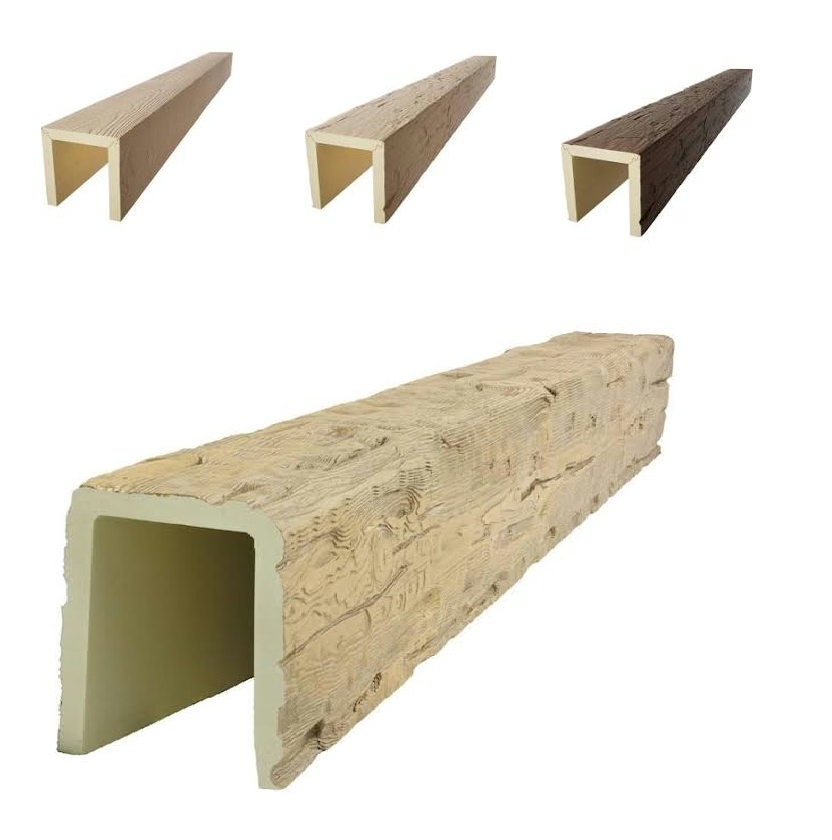
Commercial Modern Applications
Contemporary commercial interiors increasingly employ ceiling treatment products that residential applications pioneered. Hospitality venues, corporate offices, and retail environments all benefit from ceiling enhancements that create memorable spaces while meeting commercial performance requirements. Polyurethane products designed for commercial applications incorporate fire ratings, durability enhancements, and installation systems suited to professional contractor execution.
Brand-consistent ceiling treatments across multiple commercial locations require manufacturing precision that ensures identical appearance regardless of installation site. Polyurethane's manufacturing consistency provides this replicability, enabling chain operators to maintain visual standards across diverse locations. This consistency capability distinguishes manufactured products from handcrafted alternatives that vary inherently between executions.
Maintenance requirements for commercial ceiling treatments affect long-term ownership costs significantly. Polyurethane's cleanable surfaces and durable finishes reduce maintenance labor and materials compared to genuine wood alternatives requiring periodic refinishing. These maintenance advantages translate into lifecycle cost savings that commercial property managers recognize when evaluating ceiling treatment investments.

Modern ceiling treatment products featuring polyurethane faux beams represent significant evolution from traditional exposed beam installations. The integration of beams into comprehensive ceiling systems—coffered, tray, dropped, and hybrid approaches—expands design possibilities while addressing practical requirements that standalone beams leave unmet. This product development responds to market demand for ceiling treatments that serve contemporary design expectations.
The specification of modern ceiling treatments requires design understanding that product selection alone cannot provide. How beam elements relate to overall ceiling composition, how lighting interacts with surfaces, and how installations coordinate with surrounding elements all influence whether treatments succeed or disappoint. Professional design input ensures that product investments translate into satisfying spatial outcomes.
Manufacturing innovation continues expanding modern ceiling treatment possibilities as producers develop new products addressing emerging design preferences. Profile refinements, finish innovations, and mounting system improvements all contribute to product evolution that keeps modern ceiling treatments fresh and competitive. Specification professionals who track these developments incorporate latest capabilities into projects that benefit from current best practice.

Technical References
ASTM standards cited in every specification
Test Data
Lab results from internal testing program
Updated 2026
Reviewed against current product specs