American home design has experienced a significant evolution in wood finish preferences over recent decades. While the dark, rich mahoganies and walnuts of traditional interiors once dominated, contemporary homes increasingly embrace lighter, more natural aesthetics that connect interior spaces with broader design movements emphasizing simplicity, authenticity, and connection to natural materials.
Faux wood beams have tracked these shifting preferences closely, with manufacturers developing extensive finish libraries that address the full spectrum of current popular styles. Understanding which finishes resonate most strongly with today's homeowners—and why those preferences exist—helps homeowners and designers select beam finishes that will age gracefully while remaining aligned with contemporary taste.
The Natural Light Movement
Perhaps no single factor has influenced modern wood finish preferences more significantly than the emphasis on natural light that pervades contemporary residential design. Open floor plans, generous windows, and the removal of visual barriers all work together to flood interiors with daylight. Wood finishes that complement rather than compete with this brightness have consequently risen to prominence.
Light oak finishes exemplify this approach perfectly. The honey-toned warmth of light oak adds character and texture to bright spaces without darkening them or introducing heavy color saturation. These finishes work particularly well in living rooms, kitchens, and dining areas where families spend significant time and benefit from the uplifting quality that lighter tones provide.
Whitewash and pickled finishes extend this logic further, adding wood grain texture while maintaining near-white coloration that maximizes perceived brightness. These treatments have proven especially popular in coastal and Scandinavian-influenced designs where pale, airy interiors represent the aesthetic ideal.
Warm Neutrality and Greige
The emergence of greige—gray-beige hybrids—as a dominant interior color has influenced wood finish selection significantly. Homeowners seeking the sophisticated neutrality that greige provides on walls and large surfaces need wood tones that complement rather than clash with these carefully selected neutrals.
Warm-toned woods in the honey, caramel, and wheat ranges align naturally with greige undertones. These finishes share the yellow-orange warmth that prevents rooms from feeling cold while maintaining the low saturation that greige color schemes require. Beams in these tones integrate seamlessly with greige walls, creating cohesive environments where architectural elements reinforce rather than disrupt color relationships.
The practical advantage of warm neutrality extends beyond initial aesthetics. These finishes age gracefully, maintaining their appeal as lifestyle changes and design evolution occur. Homeowners who select timeless warm neutrals rarely regret their choices as trends shift, avoiding the dated appearance that trend-driven selections sometimes acquire.

The Dark and Dramatic Counter-Trend
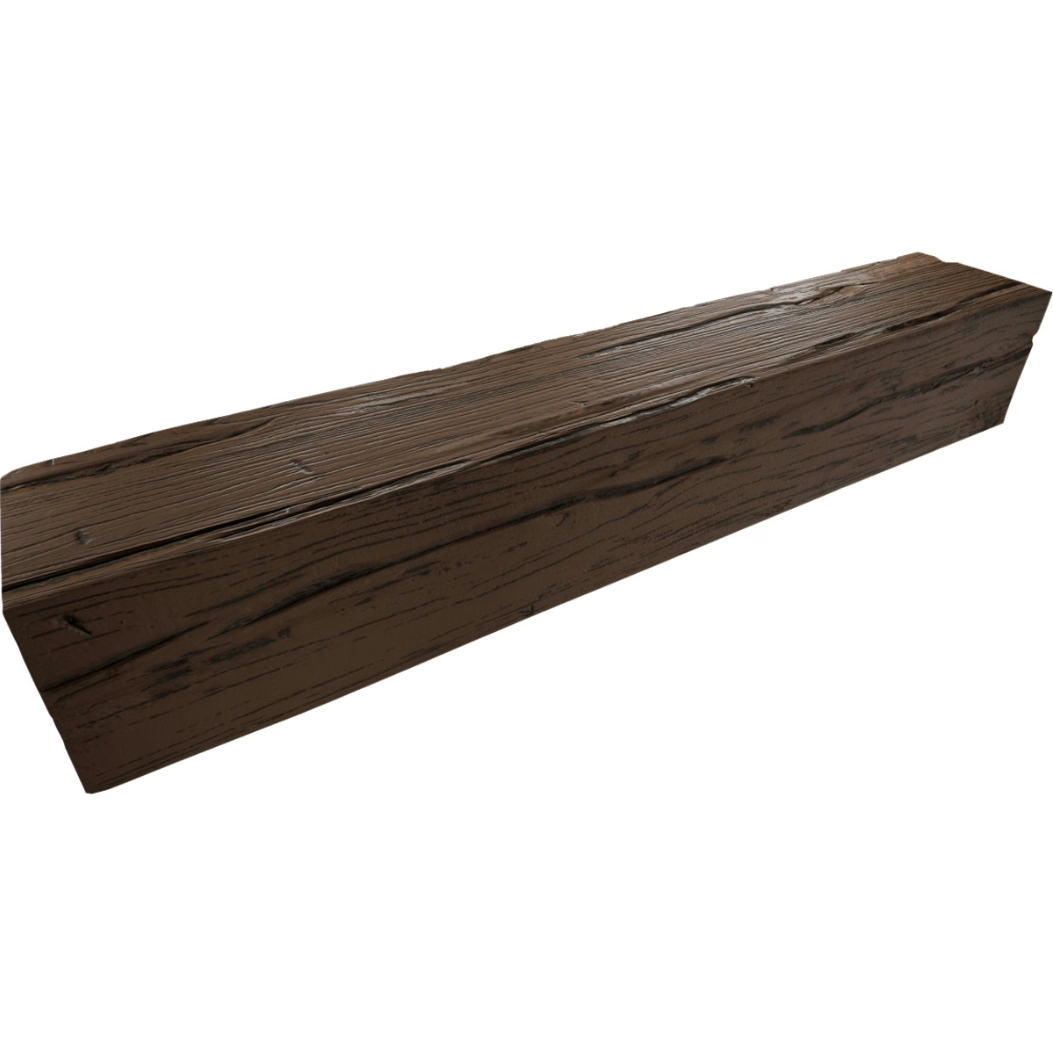
While light finishes have dominated recent years, a significant counter-trend embraces darker wood tones that create dramatic, intimate atmospheres. These finishes reject the brightness emphasis of contemporary design in favor of moodier environments that feel like sanctuaries from the high-energy pace of modern life.
Ebony and near-black stains represent the extreme end of this spectrum, creating beams that read as dark accents against lighter ceilings and walls. These high-contrast treatments make bold statements that anchor rooms visually while adding sophistication that lighter alternatives cannot match. They prove particularly effective in media rooms, home offices, and master bedroom suites where occupants seek more private, focused atmospheres.
Walnut and dark mahogany finishes occupy middle ground between dramatic blacks and mainstream honey tones. These finishes provide meaningful visual weight without the extreme contrast that ebony produces. They work well in traditional and transitional interiors where richer, more established aesthetics appeal to homeowners seeking warmth without brightness.
Gray and Weathered Esthetics
The weathered wood look—authentic or simulated—has captured significant market share among homeowners seeking rustic character without the maintenance demands of genuine aged timber. Gray finishes in various saturation levels, from pale silver to deep charcoal, provide this weathered quality while maintaining the clean, refined appearance that modern interiors require.
The popularity of reclaimed wood aesthetics has driven demand for finishes that simulate the silver-gray patina that develops on naturally weathered timber. Faux wood beams with gray finishes capture this look effectively, providing the character of aged wood without the inconsistencies and maintenance concerns that genuine reclaimed materials present.
White oak with gray toning has emerged as a particularly popular finish, combining the warmth of natural wood with the sophisticated neutrality of gray. This hybrid approach appeals to homeowners who appreciate both rustic texture and contemporary refinement, achieving a synthesis that neither purely natural nor purely weathered aesthetics accomplish.
Two-Tone and Layered Finishes
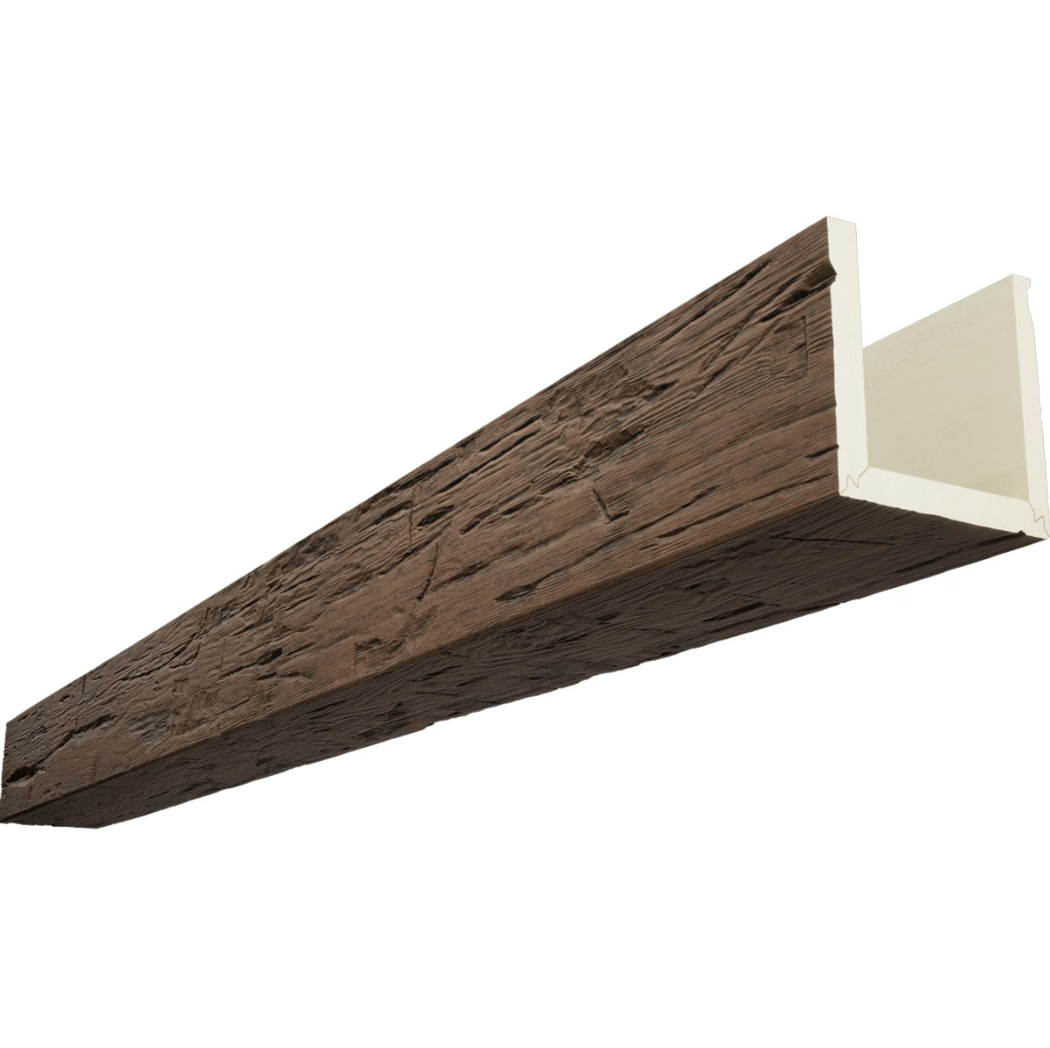
Sophisticated finish techniques have expanded the aesthetic possibilities beyond solid stains and paints. Two-tone treatments that combine natural wood tones with darker accents create visual depth that single-finish beams cannot achieve. These layered approaches highlight architectural details while adding complexity that rewards close examination.
Hand-scraped and distressed finishes simulate the character that genuine antique timber acquires through decades of use. These textural treatments work particularly well with medium-toned finishes that read as aged without appearing artificially darkened. The combination of texture and color creates convincing authenticity that elevated finishes enhance.
Glazing and antiquing techniques add further dimension, concentrating darker tones in recesses and corners while maintaining lighter highlights on raised surfaces. This approach mimics how natural wood ages, with UV exposure and handling gradually lightening prominent areas while shadows accumulate in protected crevices.
Matching Beams to Existing Woodwork
Homeowners adding beams to homes with existing woodwork face the challenge of achieving coordination without requiring perfect matching. Exact matching between new beams and old woodwork is often impossible given finish aging and color variation in natural materials. The goal shifts from matching to complementing.
Evaluating existing woodwork under actual lighting conditions reveals true color relationships that showroom examination cannot capture. The same finish appears different in morning light, afternoon sun, and evening artificial illumination. Understanding these variations helps homeowners select beam finishes that will look appropriate throughout the day.
Professional color matching services can analyze existing wood samples and develop custom formulations that achieve close correspondence. This service typically costs more than standard finish selection but produces results that justify the investment when integration with existing elements matters significantly.
Future Directions in Finish Preferences
Design preferences continue evolving, with several emerging directions likely to influence wood finish trends in coming years. Sustainability concerns drive interest in finishes that appear naturally sourced and responsibly produced, regardless of the actual substrate. Faux wood beams with authentic-feeling natural finishes align with these environmental values without requiring harvesting of genuine timber.
Biophilic design principles emphasizing connection to natural environments favor wood finishes that feel genuine rather than artificial. The increasing sophistication of faux wood finishing techniques means that polyurethane beams now achieve looks that even knowledgeable observers cannot distinguish from natural wood, supporting biophilic goals without practical compromises.
Regional variation persists in finish preferences, with different parts of the country gravitating toward distinct aesthetic directions. Western coastal markets favor lighter, more casual finishes, while eastern metropolitan areas often prefer richer, more formal tones. Understanding local preferences helps designers and homeowners select finishes that align with regional expectations while expressing individual taste.
Technical References
ASTM standards cited in every specification
Test Data
Lab results from internal testing program
Updated 2026
Reviewed against current product specs


