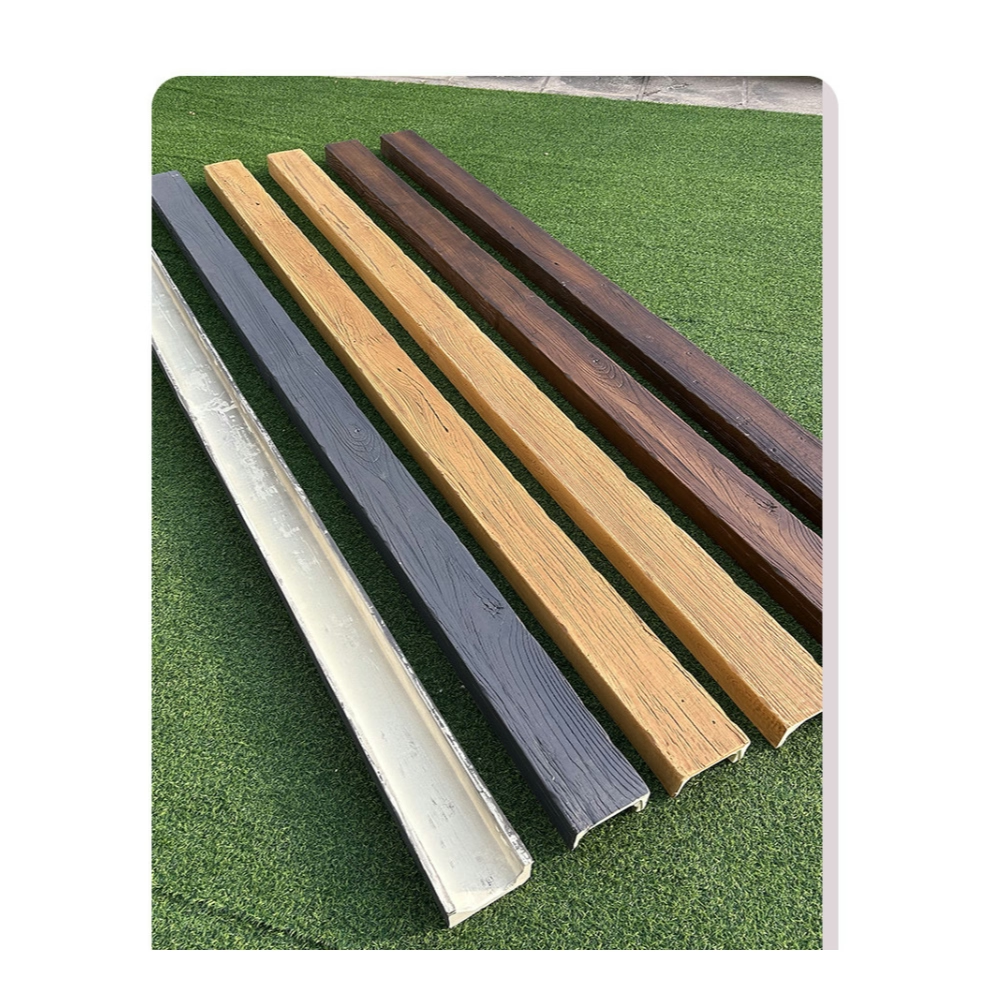
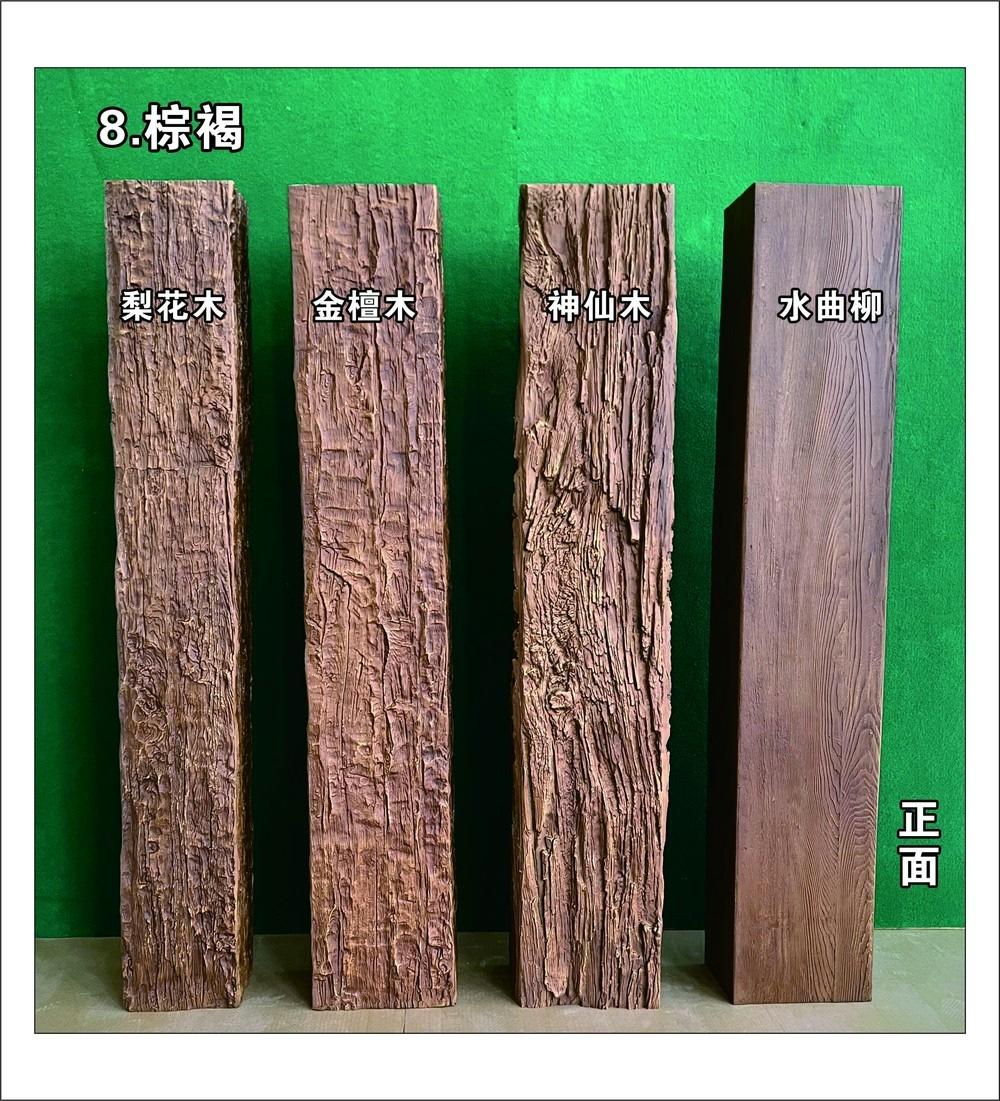
Anyone who has attempted to install heavy ceiling beams understands the challenges immediately. The awkward dimensions, the need for multiple helpers, the risk of damage to finishes during handling—these practical difficulties add frustration and expense to projects that should be straightforward. Lightweight polyurethane faux beams address these concerns directly, transforming what was once a major construction undertaking into a manageable project achievable by individual installers.
The weight advantage of PU beams extends throughout the entire project lifecycle, from shipping and storage through installation and long-term maintenance. Understanding these practical benefits helps contractors plan more efficiently, helps DIY homeowners set realistic expectations, and helps designers specify products that their clients can actually install.
Single-Installer Feasibility
Traditional beam installation typically requires at least two people working together. The beams must be lifted, positioned, held in place while fasteners are driven, and adjusted for alignment—all simultaneously. Coordinating this teamwork adds complexity to projects and limits when installation can occur. Finding available helpers on short notice or for quick adjustments creates scheduling challenges.
Lightweight PU faux beams change this equation fundamentally. A single person can carry, position, and install these beams without assistance. One installer can hold the beam against the ceiling, check alignment, and secure fasteners independently. Adjustments during installation require only one person to execute.
This single-installer capability transforms what's possible for DIY homeowners. Projects that previously required recruiting friends or family members can now proceed whenever the homeowner has time. Weekend beam installations become realistic rather than major undertakings requiring careful advance planning. The psychological barrier of needing help disappears.

Reduced Equipment Requirements
Heavy beams require appropriate handling equipment. On high ceilings, this often means lifts, scaffolding, or specialized ladders capable of supporting both the worker and the beam simultaneously. Renting this equipment adds significant cost to projects—daily lift rentals can exceed one hundred dollars, plus delivery and pickup charges. Setting up and maneuvering equipment in furnished spaces creates logistical challenges.
Lightweight PU beams typically need nothing beyond a standard ladder or step stool. The beam重量轻 to the extent that one person can hold it overhead safely. Portable ladders, rolling scaffold systems, or even stable step stools provide adequate access for most residential ceiling heights. The equipment savings alone can exceed the cost premium of the beams themselves.
The reduction in required equipment also simplifies logistics for contractors. Service vehicles don't need to carry heavy lifting equipment. Setup time decreases dramatically without equipment positioning and stabilization requirements. Jobs that previously required advance equipment rental can now proceed with whatever access equipment happens to be available on-site.
Faster Installation Cycles
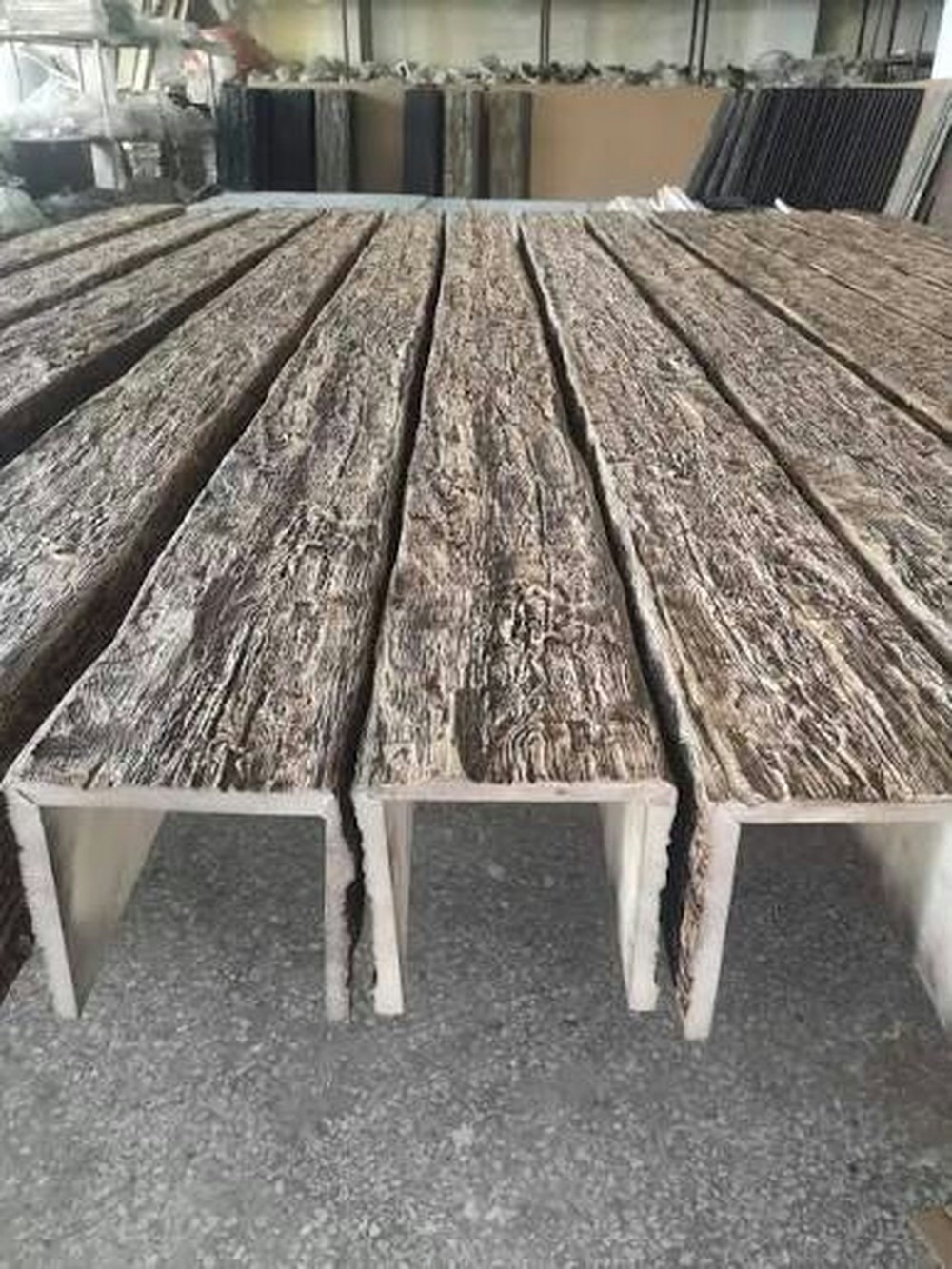
Time is money in construction, and the speed advantage of lightweight beams compounds throughout an installation. What takes two workers an hour with traditional beams might take one worker twenty minutes with PU alternatives. These time savings translate directly to labor cost reductions or increased daily completion capacity for contractors.
Faster installation also means shorter project duration overall. Rooms don't need to be blocked off for extended periods. Other trades can proceed sooner. Families displaced during renovation can return to their homes more quickly. The efficiency gains ripple through entire project schedules, benefiting everyone involved.
The reduced physical fatigue of handling lightweight materials matters for worker wellbeing and productivity. Heavy lifting causes fatigue that accumulates throughout a workday, slowing progress and increasing injury risk. Lightweight materials allow installers to maintain consistent pace throughout the day without the energy decline that follows exhausting physical labor.
Ceiling Structure Considerations
Traditional heavy beams impose real loads on ceiling structures. A dozen twelve-foot timber beams might add several hundred pounds to a ceiling assembly. Engineering analysis may be required to confirm the structure can support this additional weight safely. In some cases, structural reinforcement becomes necessary before installation can proceed.
Lightweight PU beams impose negligible loads. The same dozen beams might weigh twenty or thirty pounds rather than several hundred. This weight difference is essentially unmeasurable from a structural engineering perspective—no calculations required, no reinforcement needed. The beams can be installed on virtually any standard ceiling construction without concern.
This structural freedom opens possibilities for applications where heavy beams would simply be impossible. Older homes with limited ceiling load capacity can now feature impressive beam installations. Apartment balconies with restricted structural ratings can accommodate PU beams that would exceed weight limits for timber. The design possibilities expand accordingly.
Handling Safety Improvements
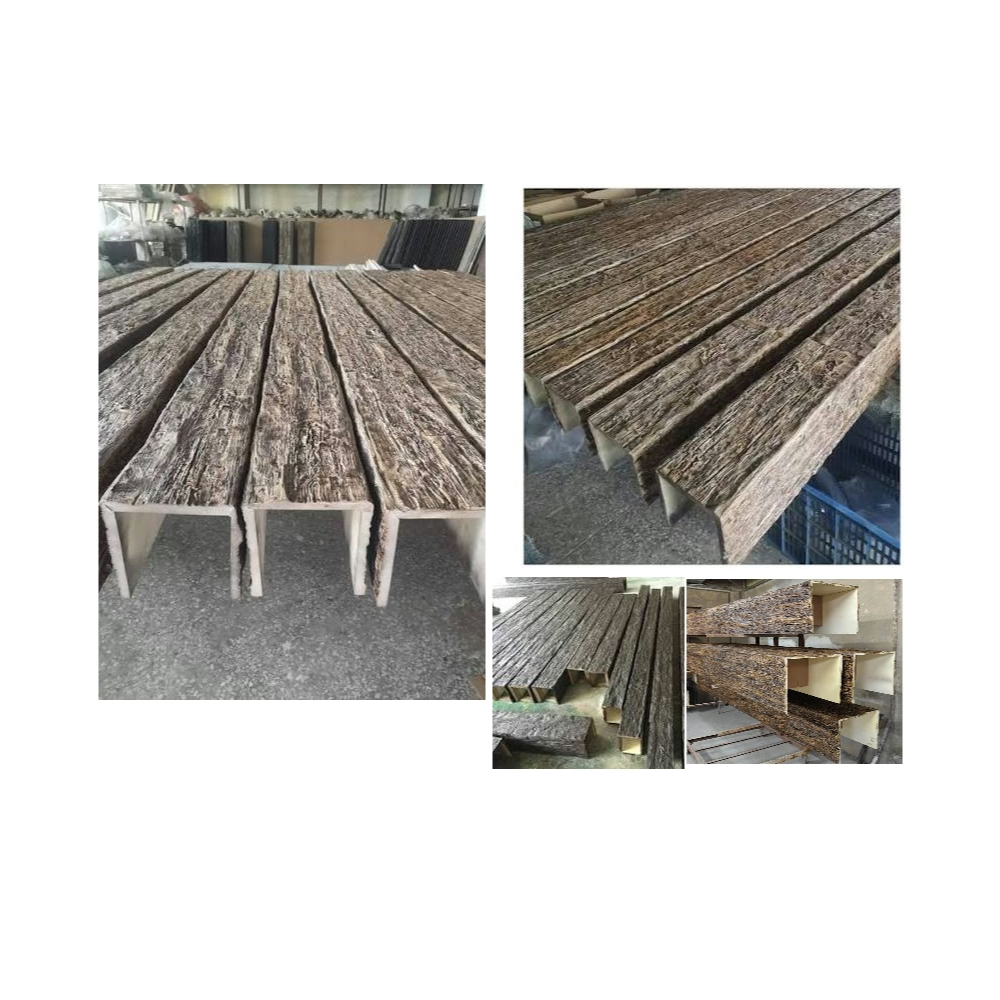
Heavy beam handling creates injury risks that lightweight materials eliminate. Strains from lifting awkward loads, impacts from beams during positioning, falls from ladders stressed by heavy cargo—these accidents send workers to hospitals and create liability concerns for contractors. The construction industry experiences high rates of musculoskeletal injuries directly related to manual handling.
Reducing beam weight by eighty percent proportionally reduces handling hazards. Workers can maneuver beams into position without straining. Ladders and platforms support the reduced loads without concern. The physical demands of installation shift from borderline heavy labor to routine elevated work.
Safety improvements benefit everyone. Contractors avoid insurance cost increases and lost-time incidents. Homeowners undertaking DIY installations can proceed without risking injury that professional tradespeople have learned to manage. The overall safety profile of beam installation improves substantially with lightweight materials.
Shipping and Storage Convenience
Getting heavy beams from supplier to installation site presents its own challenges. Standard shipping services may refuse oversized heavy packages. Freight costs escalate rapidly with weight. Local pickup requires vehicles capable of hauling awkward cargo. These logistics add cost and complexity to procurement.
Lightweight PU beams ship efficiently. Multiple beams pack into manageable boxes that standard carriers accept. Individual packages remain light enough for one person to handle upon delivery. Storage at job sites or in workshops doesn't require heavy-duty shelving or structural supports. The entire supply chain simplifies.
Contractors maintaining inventory benefit from the storage convenience as well. Warehouses don't need reinforced floors to support heavy beam stock. Showroom displays can feature full-scale installations without structural concerns. The logistics of stocking and distributing beam products become straightforward rather than specialized.
Access to Challenging Locations
Some installation locations present extreme access challenges—tight stairwells, narrow doorways, limited turning areas. Moving traditional heavy beams through these passages may be impossible without disassembly or major reconstruction. Measurements taken at the project site may not account for these transit constraints, creating unwelcome surprises when delivery arrives.
Lightweight beams navigate passages that would block timber alternatives. The flexibility to maneuver through tight spaces without disassembly saves planning time and prevents installation aborts. Beams can be oriented diagonally, carried vertically, or pivoted through spaces that rigid heavy timbers cannot traverse.
This access advantage proves particularly valuable in renovation work where homes have already been finished. Moving materials through occupied living spaces without damaging walls, floors, or furniture requires careful maneuvering that heavy objects make extremely difficult. Lightweight beams simplify these logistics substantially.
The practical benefits of lightweight polyurethane faux beams extend far beyond simple convenience. These characteristics enable installations that would otherwise be impossible, reduce costs throughout the project lifecycle, improve safety outcomes, and expand the range of applications where decorative beams can enhance spaces.
Contractors who understand these advantages incorporate them into project planning and client proposals. Homeowners who recognize what lightweight beams make possible can pursue design visions that heavier alternatives would foreclose. The practical wisdom of choosing lightweight PU beams becomes clear when considered comprehensively.
Technical References
ASTM standards cited in every specification
Test Data
Lab results from internal testing program
Updated 2026
Reviewed against current product specs