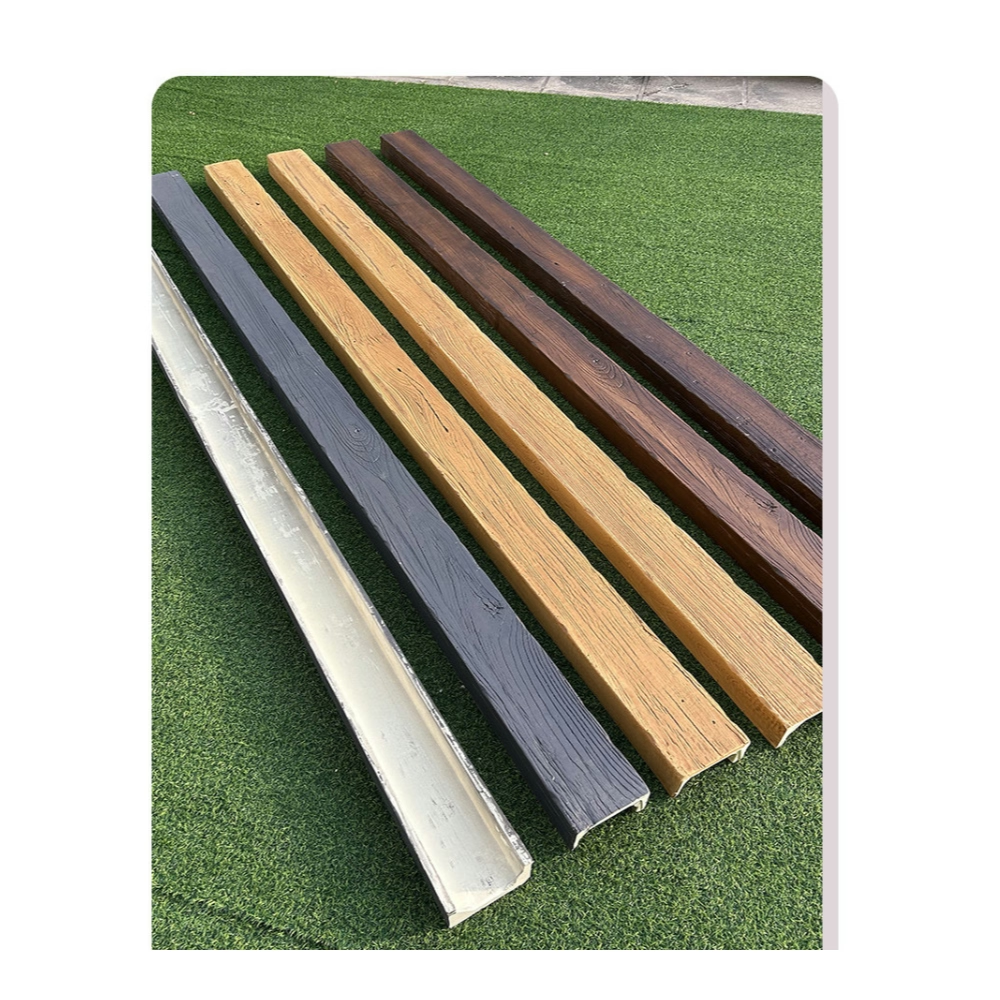
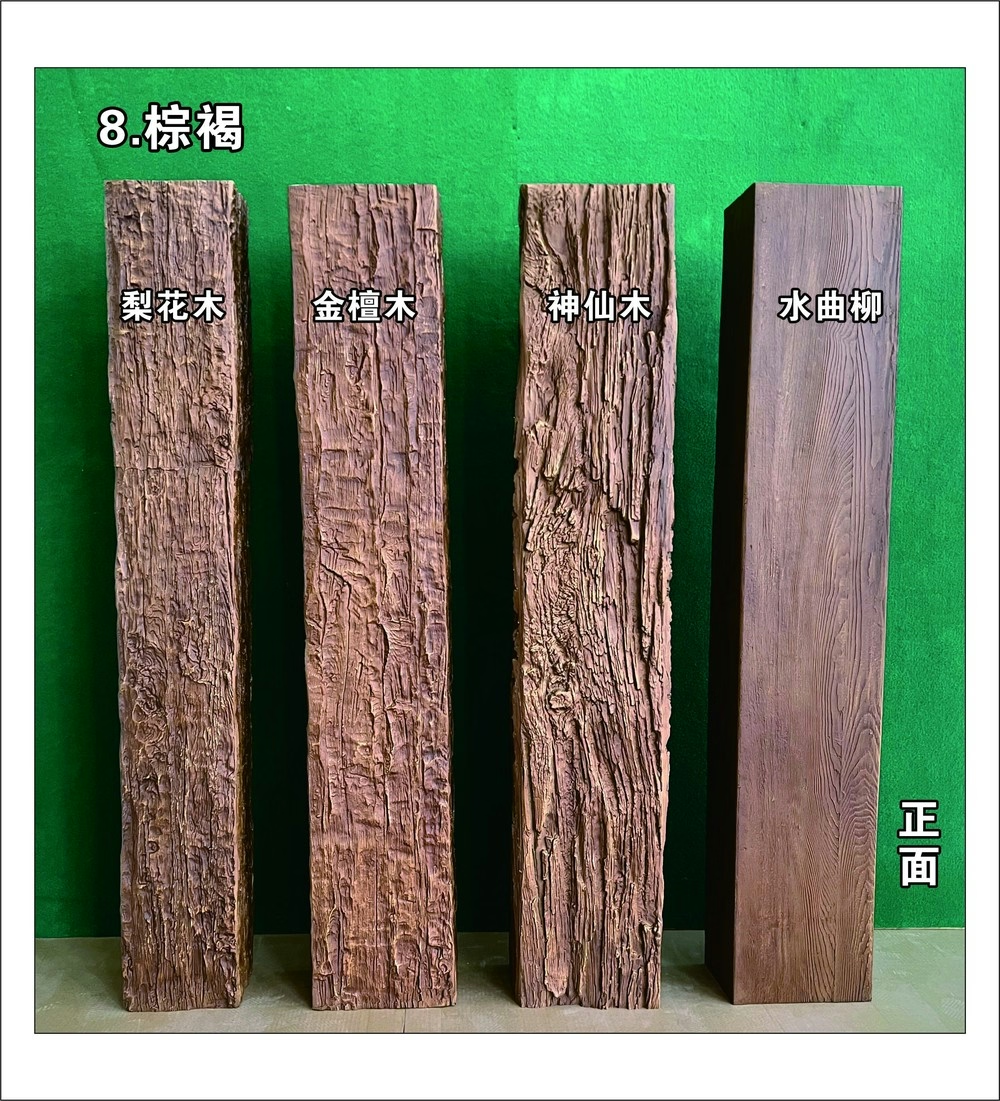
The gap between standard faux wood beams and fixture-ready installations often requires custom fabrication that adds cost and complexity to ceiling projects. Pre-cut light opening inserts bridge this gap by providing mounting frameworks and finishing treatments that convert stock beams into fixture-ready components. These inserts arrive precisely manufactured to match specific beam profiles, enabling installation efficiency that custom solutions cannot match.
Insert design addresses multiple functional requirements that individual products must satisfy simultaneously. Structural mounting provisions accept fixture housings securely. Thermal management features dissipate heat that might damage beam materials. Edge finishing creates clean transitions between beam surfaces and fixture openings. Aesthetic coordination ensures that visible trim elements complement beam finishes appropriately. Pre-cut inserts integrate these requirements into unified products that simplify specification and installation.
Insert Construction and Materials
Light opening inserts typically employ durable polymer materials engineered for long-term performance in ceiling environments. These materials resist moisture, temperature variation, and UV exposure that might degrade lesser products. The durability of insert materials ensures that mounting provisions remain functional throughout the beam lifetime, preventing the loosening or failure that could compromise fixture security.
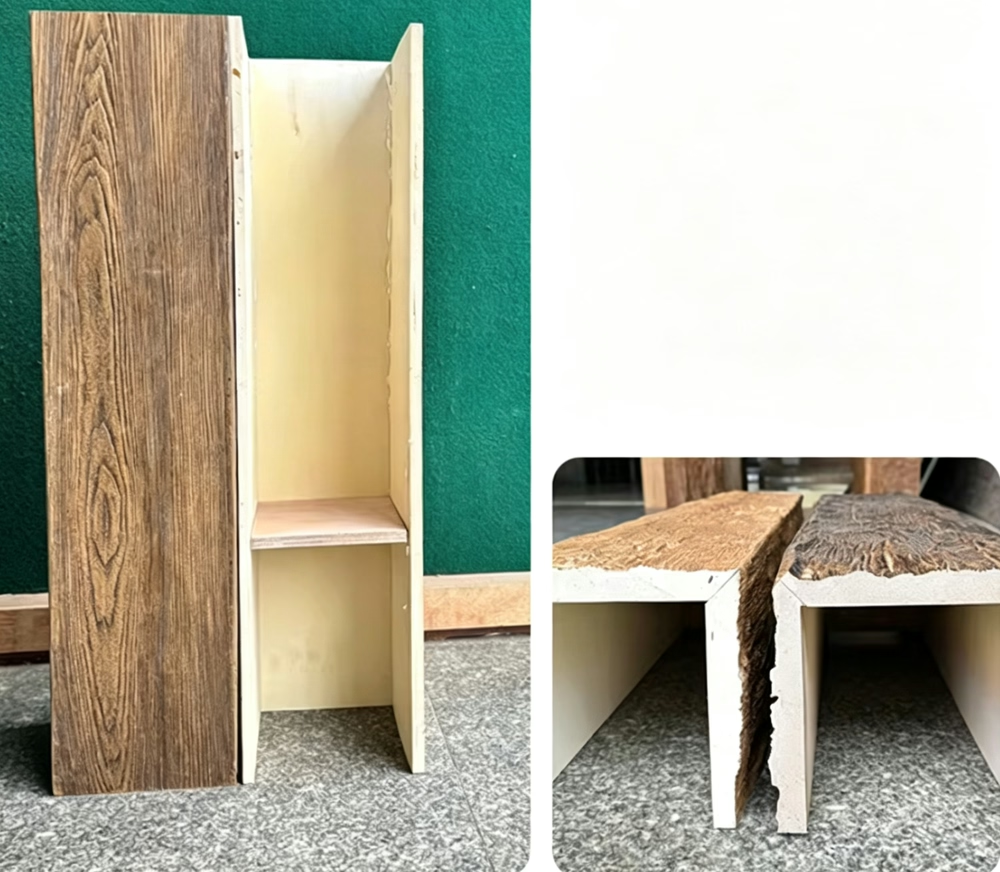
Structural elements within inserts provide load paths that transfer fixture weights to beam structure. Internal bracing creates bearing surfaces where housing mounting hardware attaches. Ribbed geometries add stiffness without significant weight increase. These structural features are engineered specifically for fixture loads, providing capacities that generic mounting approaches cannot match reliably.
Surface finishes on inserts coordinate with beam finishes to create unified appearance. Some inserts are designed to remain invisible after installation, hidden within beam cavities where only structural function matters. Others incorporate visible trim flanges that become part of finished appearance, requiring color and texture coordination with surrounding beam surfaces. The visibility of insert components should influence selection criteria during specification.
Mounting Provisions and Hardware
Fixture housing attachment to inserts typically uses manufacturer-specified hardware that ensures proper load transfer. The hardware may be included with inserts or specified separately, but should be selected for the specific insert and fixture combination being installed. Universal hardware solutions often provide inadequate performance, creating risks that specified systems eliminate.
Adjustable mounting features in some insert designs allow field compensation for fixture positioning variations. These adjustments accommodate tolerances in fixture dimensions and housing placement, ensuring secure attachment even when precise positioning is challenging. The flexibility of adjustable systems comes with increased complexity, requiring careful setup to achieve proper function.
Safety considerations in mounting design prevent fixture falling that could cause injury or damage. Locking features secure hardware once adjusted, preventing gradual loosening over time. Redundant attachment points ensure that single point failures don't compromise overall security. These safety provisions reflect the serious consequences that fixture falling would create, justifying the engineering attention that quality inserts receive.
Installation Procedures
Proper insert installation begins with preparation that ensures clean bonding surfaces. Beam interior surfaces should be free from contamination that might impair adhesive performance. Dry fitting confirms that inserts seat properly before permanent attachment. This preparation investment prevents problems that adhesive failures would create, ensuring durable bonds that last.
Adhesive selection should match insert manufacturer recommendations for specific beam materials. Polyurethane beams may require different adhesives than alternative materials, with chemical compatibility determining appropriate products. Two-part adhesives provide strong bonds but require careful mixing. One-part products offer easier application but longer cure times. Understanding these trade-offs helps select appropriate adhesives for specific project conditions.
Clamping during adhesive cure ensures consistent contact pressure across bonding surfaces. Even pressure distribution promotes complete bonding without voids or weak spots. Clamp positioning should access beam interior without distorting external surfaces. Following manufacturer cure time recommendations before stress application ensures that bonds achieve design strength before fixtures are mounted.
Quality Verification Steps
After insert installation but before fixture mounting, verification confirms that inserts are properly positioned and secured. Physical inspection checks for complete adhesive coverage and absence of gaps. Gentle pulling confirms that inserts resist dislodging forces. Any movement indicates inadequate bonding that should be corrected before proceeding.
Fixture mock-fitting before final installation reveals clearance or alignment issues that might require correction. Housings should seat fully without forcing that might damage inserts or beam materials. Trim components should align properly with opening perimeters. This verification step identifies problems while correction remains straightforward, before fixture wiring makes removal difficult.
Documentation of insert locations helps future maintenance and renovation work. Photographs showing insert positions relative to beam ends and other reference points enable future workers to locate mounting provisions without extensive searching. This documentation investment protects building owners from difficulties that hidden hardware creates during subsequent work.
Design Flexibility Through Insert Options
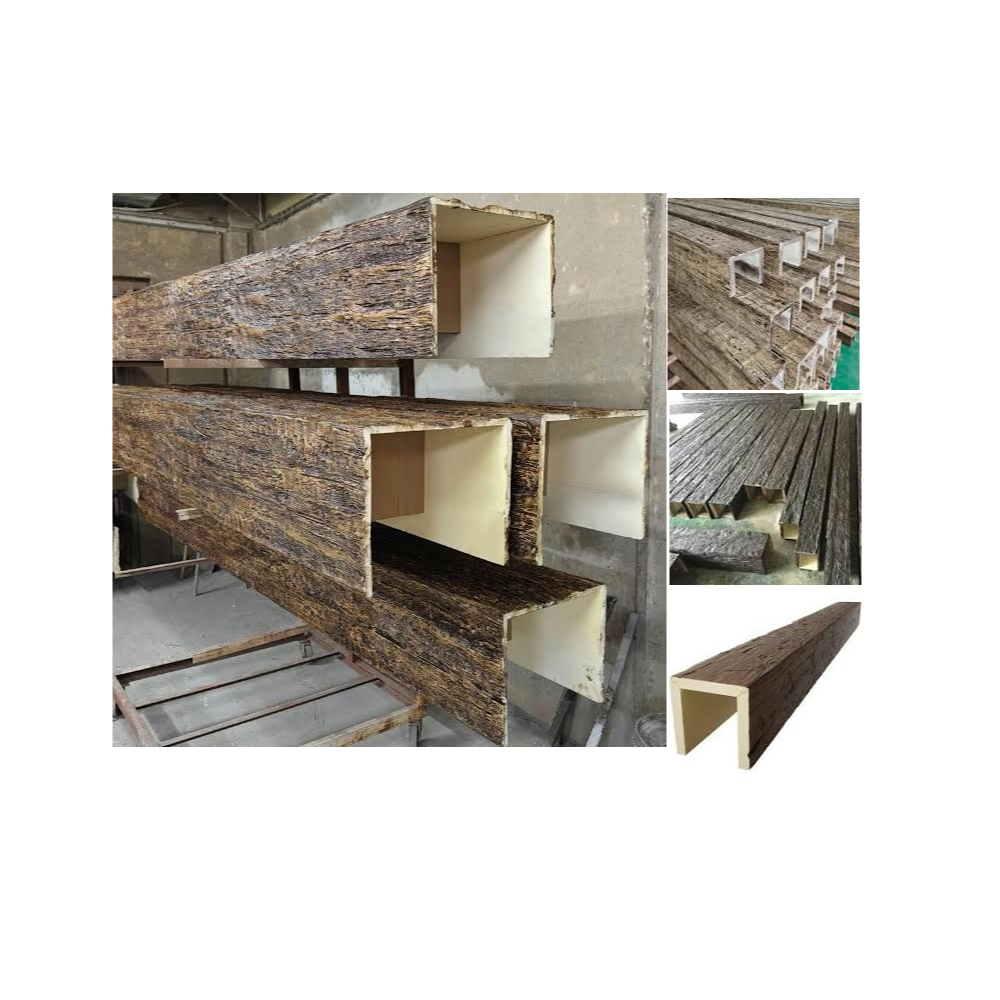
Insert designs accommodate various fixture types and mounting configurations, providing flexibility for different lighting requirements. Standard round openings serve most recessed fixture applications. Square and rectangular options support specialty fixtures with non-circular form factors. Multiple opening configurations within single beams allow mixed fixture types in unified ceiling compositions.
Adjustable insert designs extend flexibility further by accommodating fixture positioning variations after beam installation. These inserts allow fixtures to be aimed or repositioned without beam modification, enabling lighting adjustments that accommodate changing uses or furniture arrangements. The additional cost of adjustable inserts often proves worthwhile for applications where flexibility adds significant value.
Custom insert fabrication for unusual requirements extends standard product capabilities when necessary. Projects with unique fixture specifications or non-standard beam dimensions might require inserts manufactured to specific requirements. Custom fabrication adds lead time and cost compared to standard products but enables applications that off-the-shelf options cannot support.
Cost-Benefit Analysis
Comparing insert costs against alternative approaches requires examining total project economics rather than component pricing alone. Pre-cut inserts add material costs to beam purchases but reduce installation labor significantly. Site fabrication alternatives might appear cheaper in material costs but require skilled labor that adds to total expense. Quality considerations also favor inserts, as professional results from site fabrication often require more time and expertise than pre-made products.
Schedule impacts from insert use often exceed direct cost savings. Faster installation reduces labor expenses while enabling earlier project completion. The schedule value of earlier occupancy or use often exceeds direct labor savings, particularly in commercial applications where business interruption carries significant costs. This schedule benefit has made pre-cut inserts increasingly popular among contractors seeking competitive advantages.
Risk reduction through insert use provides economic value difficult to quantify but genuinely significant. Insert products with established performance records reduce the probability of callbacks, remediation, and warranty claims that add to project costs. The peace of mind that proven products provide has independent value beyond direct economic considerations.


Pre-cut light opening inserts for polyurethane faux wood beams provide practical solutions that transform standard products into fixture-ready installations. By addressing mounting, thermal, and aesthetic requirements through engineered products, inserts simplify specification while improving installation outcomes. The resulting ceiling compositions demonstrate how thoughtful component design enables aesthetic achievement without sacrificing practical performance.
Technical References
ASTM standards cited in every specification
Test Data
Lab results from internal testing program
Updated 2026
Reviewed against current product specs