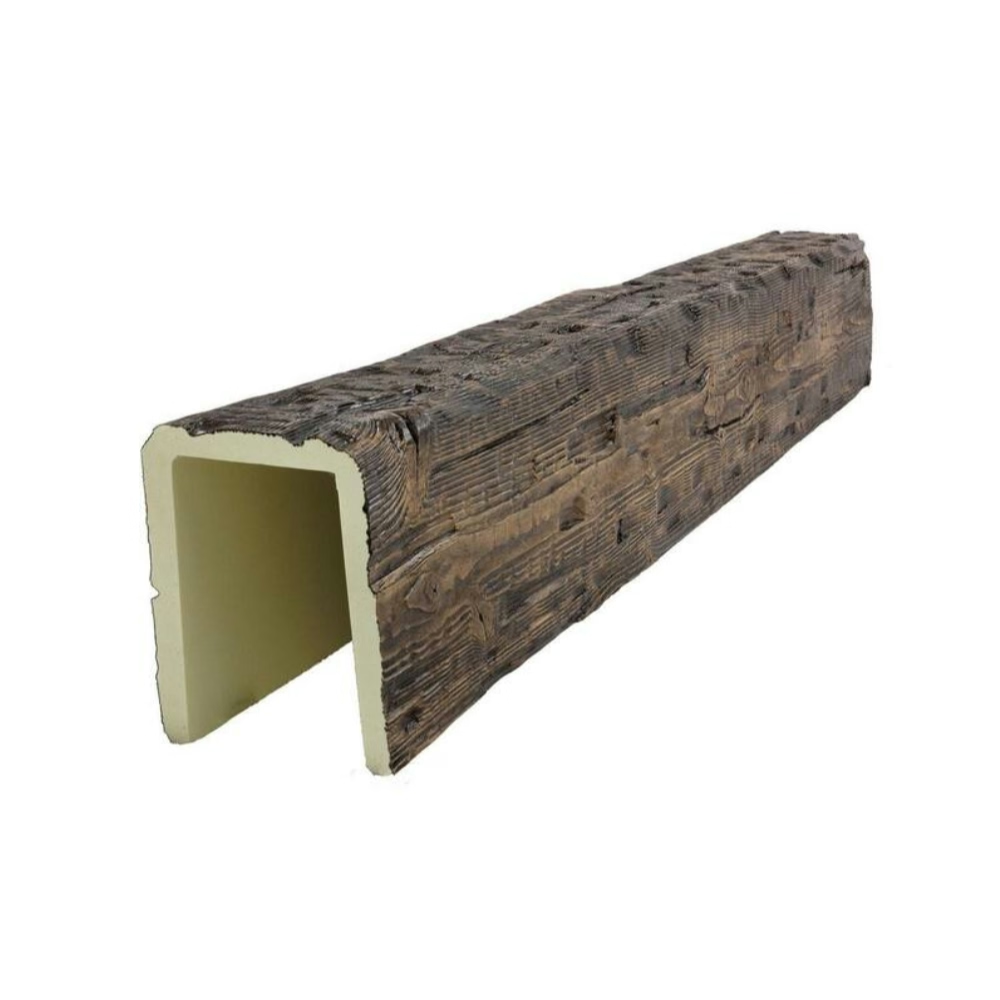
Accent lighting transforms spaces by directing attention to architectural features, artwork, and design focal points that general illumination would leave unremarkable. Achieving this dramatic effect with ceiling beams requires fixture integration that preserves beam aesthetics while enabling precise light direction. Pre-cut spotlight cutout faux ceiling beams provide this capability through factory-manufactured openings sized and positioned for directional fixtures that create compelling visual impact.
The directional nature of spotlight fixtures introduces requirements different from general downlighting. Adjustable fixtures must seat securely while allowing aiming adjustment. Trim components must accommodate articulation without compromising appearance. Pre-cut specifications address these specialized requirements, ensuring that spotlight integration achieves both functional performance and visual refinement.
Spotlight Fixture Compatibility
Adjustable spotlight fixtures include gimbal, eyeball, and pinhole styles that offer different adjustment ranges and aesthetic characteristics. Gimbal fixtures provide wide adjustment angles with concealed lamp positions. Eyeball fixtures offer distinct visual profiles that may complement or contrast with beam finishes. Pinhole fixtures provide minimal visible appearance with maximum adjustment flexibility. Pre-cut opening specifications should reference specific fixture styles being specified.
Housing requirements for adjustable fixtures often exceed those for fixed recessed lights. The adjustment mechanism requires adequate internal clearance that affects opening depth requirements. Pre-cut beams must provide sufficient cavity depth for fixture housings while maintaining structural integrity around openings. This depth requirement influences beam profile selection, with deeper profiles offering more flexibility for spotlight integration.
Trim interaction with beam surfaces differs for adjustable versus fixed fixtures. Adjustable trims must maintain appearance across the full adjustment range, not just in default positions. The range of visual angles created as fixtures aim in different directions should all present acceptably. Pre-cut specifications should verify that selected trims perform acceptably across intended adjustment ranges.
Adjustment Mechanism Integration
Pivot points in adjustable fixtures create stress concentrations that proper mounting must address. The weight of adjustable components creates torque loads on mounting provisions that fixed fixtures don't experience. Pre-cut opening inserts should provide secure mounting that accommodates these loads without gradual loosening over time. The engineering of mounting provisions significantly influences long-term performance.
Adjustment friction should maintain aimed positions reliably once fixtures are positioned. Fixtures that drift gradually from intended aim create maintenance requirements and inconsistent illumination. Quality fixtures incorporate adjustment mechanisms that hold positions through friction, locking, or both. Pre-cut specifications should reference fixtures with proven adjustment reliability, avoiding products that require frequent re-aiming.
Service access for lamp replacement and fixture maintenance should be considered during pre-cut specification. Adjustable fixtures might require access for re-aiming that straightforward lamp replacement wouldn't need. The relationship between opening position and service requirements should be established during design, ensuring that maintenance access doesn't require beam removal.
Lighting Design Applications
Artwork illumination represents the most common application for spotlight-integrated beams. Paintings, sculptures, and architectural features gain drama through directional lighting that emphasizes form and surface qualities. The precision of pre-cut spotlight openings enables accurate fixture positioning that aligns with specific artwork locations, ensuring that light reaches intended targets without spill onto adjacent surfaces.
Accent lighting for architectural features uses spotlights to highlight ceiling beams themselves or other structural elements. Grazing light across beam textures reveals grain patterns and surface details that perpendicular illumination would miss. The interplay between light and shadow creates dimensional interest that flat lighting cannot achieve. Pre-cut openings positioned for grazing effects create these dramatic results reliably.
Merchandising applications in retail environments benefit from spotlight integration that draws attention to displayed products. The adjustability of spotlight fixtures allows rapid repositioning as merchandise displays change, maintaining effective highlighting across rotating presentations. Pre-cut beams in retail installations should anticipate frequent reconfiguration, specifying fixture styles and opening arrangements that accommodate evolving display requirements.
Visual Effect Considerations
Beam appearance changes dramatically under spotlight illumination compared to general lighting conditions. Shadows cast across beam surfaces create depth that flat lighting cannot reveal. Highlighting enhances texture and color that might appear dull under ambient illumination. Understanding these lighting effects helps designers specify spotlight positioning that creates intended visual impact.
Light spill beyond intended targets affects overall room appearance in ways that specification should address. Uncontrolled spill creates glare and reduces contrast that undermines accent lighting effectiveness. Beam openings positioned near beam ends might create unintended wall illumination that competes with intended focal points. Pre-cut specification should consider spill effects, establishing aims and beam positions that control light distribution appropriately.
Color temperature effects on beam appearance differ between warm and cool light sources. Wood-toned finishes might appear warmer under low-color-temperature sources or cooler under high-temperature alternatives. Pre-cut specification should verify that intended light sources complement beam finishes, producing desired color relationships rather than unexpected clashes.
Installation Best Practices
Fixture aiming should occur after ceiling construction stabilizes to prevent adjustment from building movement. The final aimed position should be established once adjacent work is complete, avoiding the need for re-aiming after painting or other finishing operations. This sequence ensures that spotlight effects achieve intended results in the completed environment.
Documentation of fixture aims enables future adjustment or replacement without guessing at original positioning. Photographs showing fixture orientation relative to beam and ceiling planes help future workers understand aiming intentions. This documentation investment pays dividends during maintenance when understanding original design intent helps achieve appropriate restoration.
Testing after fixture aiming should verify that illumination reaches intended targets effectively. Walking the space while fixtures are energized reveals whether aims achieve design objectives or require adjustment. This on-site verification catches problems that theoretical positioning might miss, ensuring that completed installations meet illumination requirements.
The dramatic potential of spotlight-integrated faux ceiling beams transforms ordinary spaces into compelling environments that engage occupants through light and shadow. Pre-cut spotlight cutouts enable this integration through factory precision that accommodates directional fixtures while maintaining beam aesthetics. The resulting spaces demonstrate how technical solutions support design ambition, creating illumination that celebrates rather than competes with the decorative character that ceiling beams provide.


Pre-cut spotlight cutout faux ceiling beams represent specialized solutions for applications requiring directional accent lighting. The precision of factory-cut openings accommodates fixture requirements while maintaining the seamless appearance that makes beam installations desirable. By understanding fixture requirements, adjustment mechanisms, and lighting design applications, designers can specify beams that achieve both functional illumination and decorative refinement.
Technical References
ASTM standards cited in every specification
Test Data
Lab results from internal testing program
Updated 2026
Reviewed against current product specs


