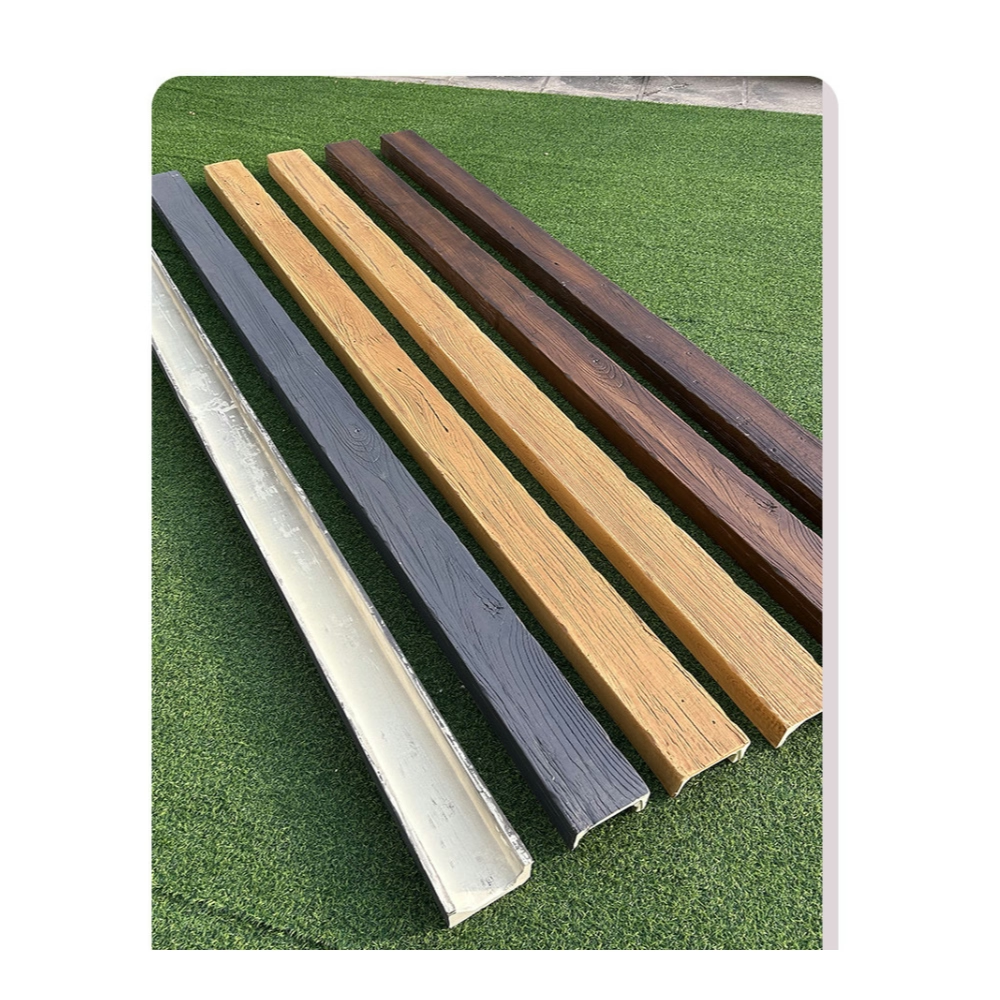
Lighting designers and interior architects increasingly specify pre-notched PU faux wood beams with integrated LED wiring channels as essential components in contemporary space design. These specially engineered beams combine the aesthetic warmth of natural wood with the functional versatility of modern LED technology, enabling lighting effects that were previously impossible or prohibitively expensive to achieve. The result is architectural elements that do double duty—providing structural visual interest while serving as sophisticated lighting infrastructure.
The integration of lighting technology into beam construction addresses a fundamental challenge in architectural design: how to introduce ambient illumination without visible wiring, bulky fixtures, or compromises to design vision. Traditional approaches often resulted in exposed conduits, surface-mounted fixtures, or recessed lighting that competed with beam aesthetics. Integrated channels within PU beams resolve these conflicts elegantly, hiding all electrical infrastructure within the beam structure itself.
Channel Design and Wire Routing
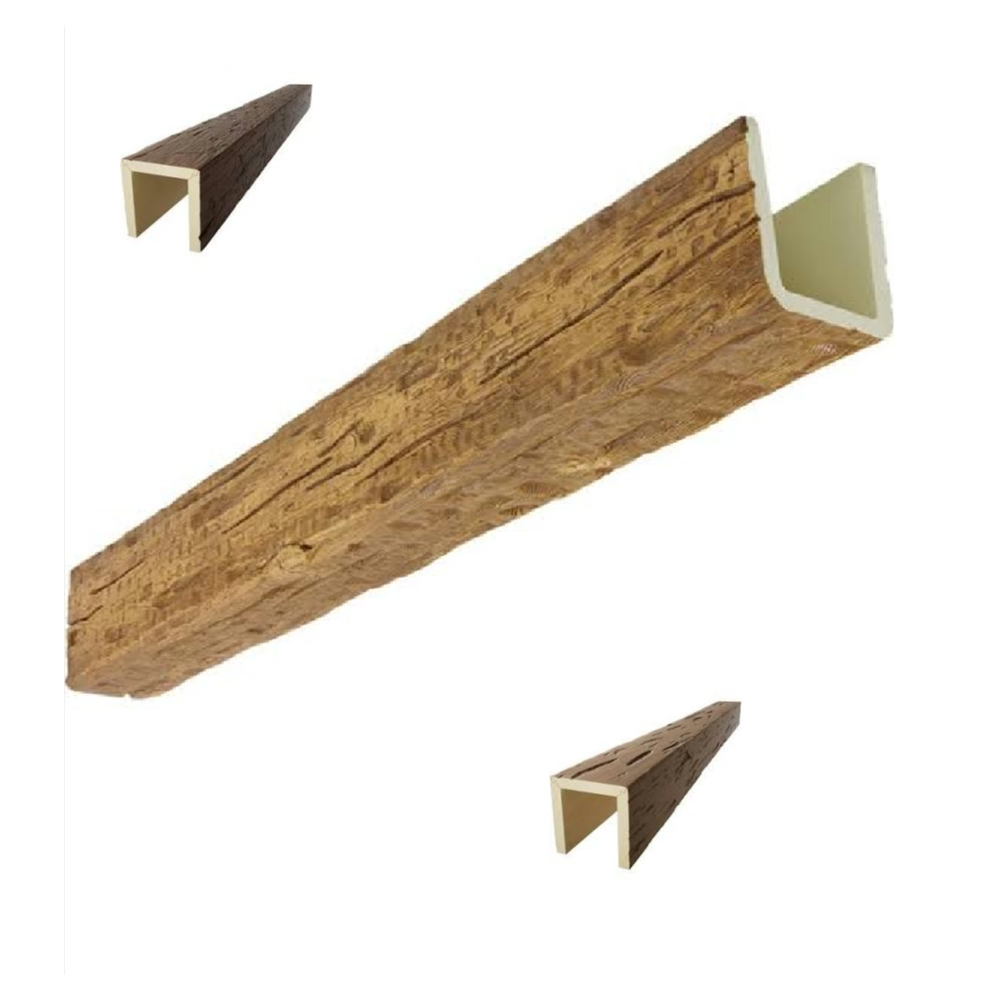
Engineering teams developing LED-integrated beam systems must balance multiple considerations simultaneously. Channel dimensions must accommodate standard LED strip lighting and associated wiring while preserving sufficient material thickness for structural integrity and authentic appearance. Typical configurations include dedicated channels sized for standard twelve-volt LED strips, with secondary routing paths for power connections and control wiring.
The routing patterns themselves follow logical paths that minimize installation complexity. Most commonly, channels run along the beam's lower face, positioning LED strips for downward illumination that creates grazing effects on surfaces below. Alternative routing along the beam's sides or within specially designed recessed areas allows for indirect uplighting that illuminates the beam itself, creating dramatic focal points within rooms.
Connection points receive particular attention during design and manufacturing. Access points positioned for convenient installation allow wires to exit beam interiors for connection to power supplies, controllers, and switching systems. These access locations are engineered to remain concealed after installation while providing practical access for maintenance and component replacement.

Benefits of Integrated LED Systems
The advantages of integrated LED beam lighting extend across aesthetic, practical, and economic dimensions. Aesthetically, the elimination of visible wiring and mounting hardware preserves the authentic wood appearance that makes beam installations desirable. Light sources appear to emerge naturally from architectural elements rather than being added as afterthoughts to existing structures.
Practically, channel integration simplifies every phase of lighting installation. Electricians appreciate the guided wire routing that eliminates guesswork and ensures proper positioning of light sources. General contractors benefit from reduced coordination requirements between trades. Homeowners gain maintenance accessibility through strategically positioned access points that allow component replacement without beam removal.
Economically, integrated systems often prove less expensive than equivalent traditional installations when all factors are considered. Reduced labor time, eliminated need for separate conduit systems, and simplified component sourcing contribute to favorable total project economics. The premium charged for integrated beam products frequently proves less than the combined cost of separate beam and lighting system installations.
Light Effects and Design Applications
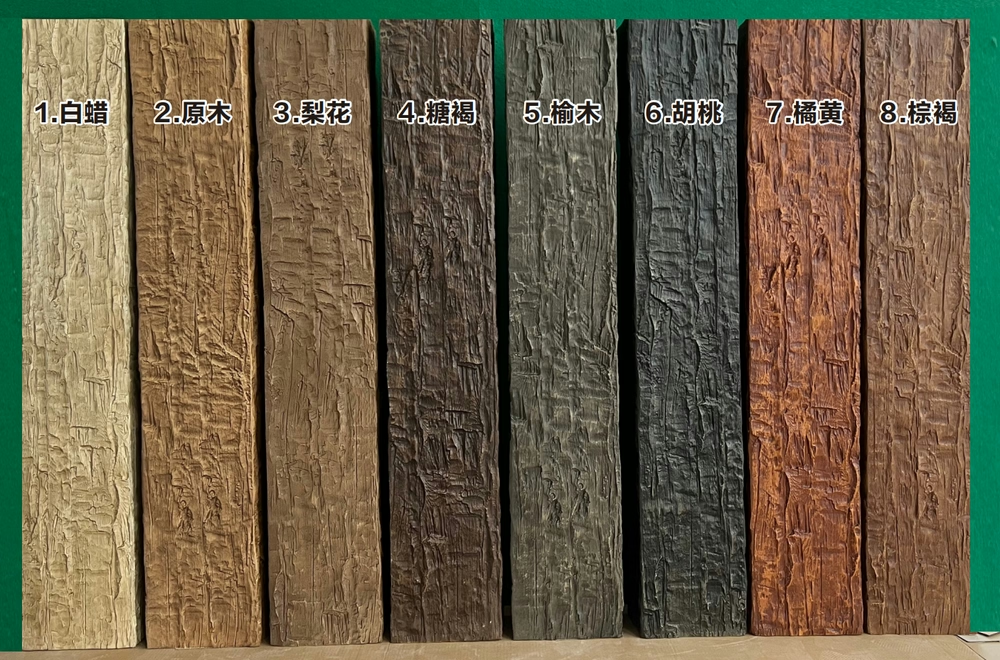
LED integration within beams enables several distinct lighting effects, each suited to different design intentions. Downlighting creates practical illumination suitable for task areas, wayfinding, and general ambient lighting. When LED strips run along beam undersides, the resulting pools of light provide functional brightness while casting subtle shadows that emphasize beam texture and depth.
Uplighting effects create entirely different atmospheres, washing beam surfaces with light that makes them glow softly against darker backgrounds. This approach works particularly well in spaces with dark ceilings or accent walls, where illuminated beams become sculptural elements that draw the eye upward. Color-changing LED systems amplify this effect, allowing beams to serve as dynamic design features that respond to ambient conditions or user preferences.
Grazing represents another popular technique, where LED light strikes beam surfaces at shallow angles that emphasize texture and relief. The interplay of light and shadow across wood grain creates visual depth that flat lighting cannot replicate. Pre-notched beams with integrated channels position light sources precisely for optimal grazing effects without requiring on-site adjustment or experimentation.
Installation Considerations
Successful LED-integrated beam installations require coordination between beam placement and electrical infrastructure. Early collaboration between designers, electricians, and beam installers prevents conflicts and ensures that wiring infrastructure aligns with beam positions. Electrical rough-in should precede beam installation, with wire runs positioned to connect with beam access points.
Power supply placement deserves careful planning. Low-voltage LED systems require transformers or power supplies that must be located somewhere in the building. Accessible locations with adequate ventilation prevent overheating while maintaining convenient access for maintenance. Some installations hide power supplies within ceiling cavities or equipment closets, while others position them in visible locations as intentional design elements.
Control system integration extends the functionality of LED-integrated beams. Dimming capabilities, color adjustment, and automated scenes all require compatible control systems. Modern installations frequently incorporate smart home integration, allowing beam lighting to participate in whole-home automation schemes. These considerations should inform product selection and installation planning.
Maintenance and Longevity
Quality LED systems integrated into PU beams offer exceptional longevity when properly installed. LED strips themselves typically last fifty thousand hours or more, representing years of continuous operation before replacement becomes necessary. The sealed environment within beam channels protects LED components from dust, humidity, and physical damage that might accelerate degradation in exposed installations.
When maintenance becomes necessary, access points designed into beam systems facilitate component replacement. Professional installers typically position these access locations in concealed positions that remain accessible without specialized tools. Understanding access point locations proves valuable for homeowners and building managers responsible for ongoing maintenance.
The PU beam material itself requires no maintenance beyond periodic cleaning. Unlike natural wood that might require refinishing or treatment over time, polyurethane maintains its appearance indefinitely with routine care. This characteristic simplifies building maintenance while ensuring consistent aesthetics throughout the LED system's operational life.
Planning Your LED-Integrated Beam Project
Successful projects begin with clear documentation of lighting intentions. Designers should specify desired effects, control requirements, and integration expectations before beam selection begins. This clarity ensures that ordered products accommodate intended lighting approaches rather than requiring compromises to match available products.
Budget allocation should account for both beam costs and lighting system expenses. While integrated systems often prove economical compared to separate installations, the total investment includes LED components, power supplies, controls, and professional installation labor. Realistic budgeting prevents scope reductions that might compromise intended effects.
Working with experienced suppliers who understand both beam and lighting systems facilitates successful outcomes. Technical representatives can advise on appropriate products, channel configurations, and installation approaches specific to intended applications. This expertise proves particularly valuable for projects with unique requirements or challenging installation conditions.
Pre-notched PU faux wood beams with concealed LED wiring channels represent a significant advancement in architectural lighting integration. By combining the timeless appeal of wood aesthetics with the versatility of modern LED technology, these innovative products enable design visions that were previously difficult or impossible to realize.
Technical References
ASTM standards cited in every specification
Test Data
Lab results from internal testing program
Updated 2026
Reviewed against current product specs