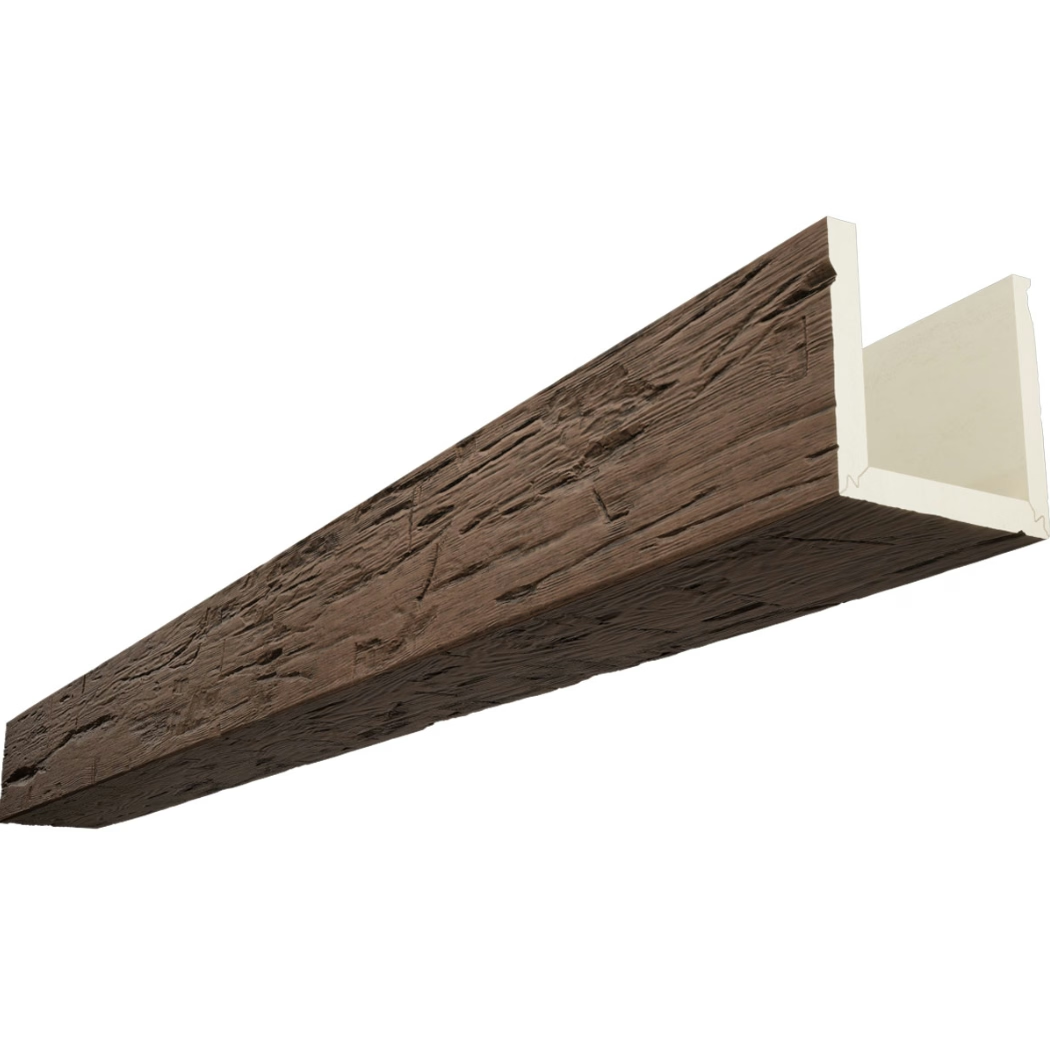
International trade in architectural building materials has evolved significantly over the past decade, with buyers increasingly recognizing the efficiency advantages of container-load purchasing for standardized products. PU faux wood beams exemplify items particularly well-suited to containerized shipping, given their favorable weight-to-value ratio and resistance to shipping damage. Understanding container-load dynamics helps distributors, contractors, and project managers optimize procurement decisions for overseas projects.
The shift toward container-load ordering reflects broader trends in global supply chain management. Rather than accepting higher per-unit costs for smaller shipments, sophisticated buyers recognize that consolidated container shipments reduce per-unit logistics costs substantially. These savings compound across large projects, making the difference between profitable and marginal project outcomes.
Understanding Container Load Optimization
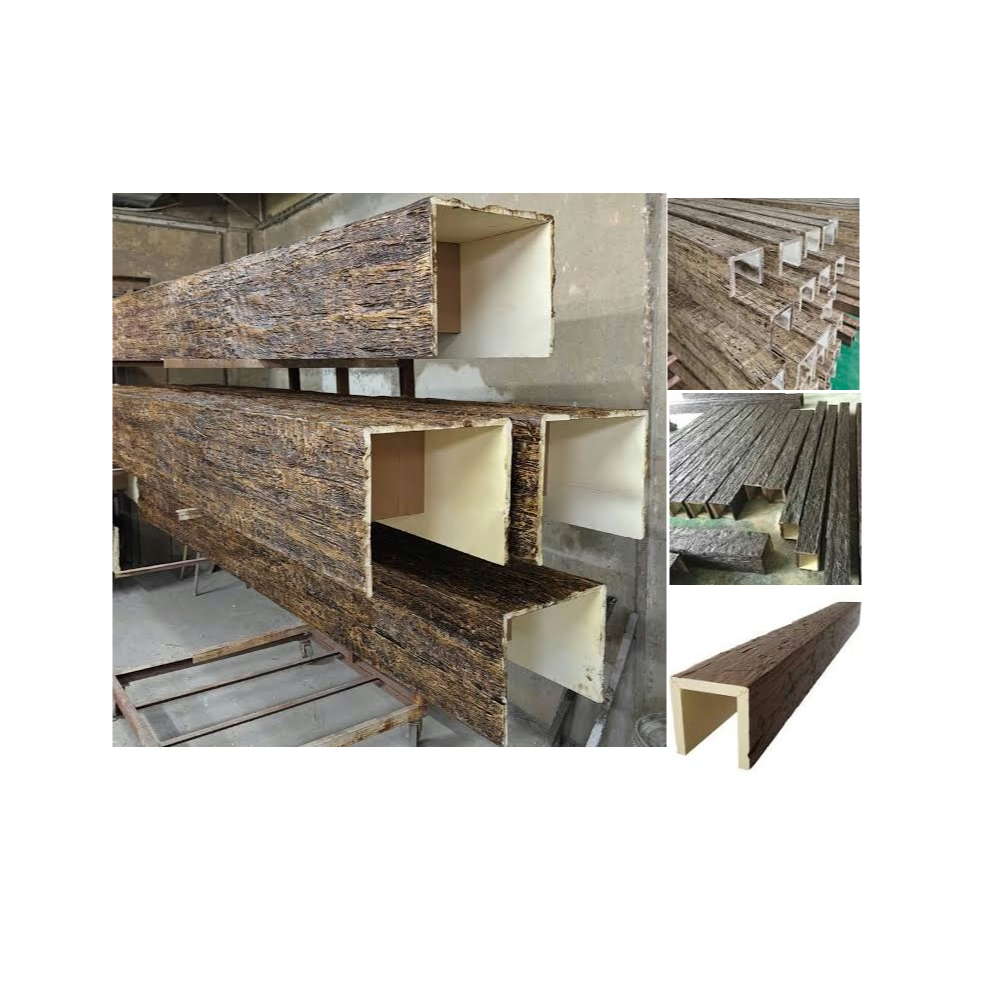
Standard twenty-foot and forty-foot shipping containers offer defined volumetric capacities that beam manufacturers design products to fill efficiently. Twenty-foot containers accommodate approximately ten to twelve standard beams, while forty-foot containers can hold thirty-five to fifty beams depending on dimensions and packaging configurations. Pre-packing strategies maximize these capacities while ensuring product protection during ocean transit.
Packaging engineering plays a crucial role in container optimization. Beams must be packaged to prevent shifting during sea transport, where vessel motion can generate significant forces on cargo. Standard approaches include corner bracing, strapping systems, and protective wrapping that prevents surface damage while allowing secure stacking. Premium packaging may incorporate custom crating for particularly valuable or fragile products.
Weight considerations interact with volume optimization to determine actual container loads. While containers have substantial volume capacity, weight limits restrict how much cargo can be loaded. PU beams' lightweight nature compared to natural wood or concrete alternatives means that volume typically becomes the limiting factor rather than weight, allowing fuller container utilization.

Cost Structures and Savings Potential
Ocean freight cost calculations involve multiple variables that container-load ordering helps optimize. Base shipping rates apply per container rather than per item, meaning that spreading fixed costs across more units reduces per-unit transportation expenses dramatically. A full container shipment might incur only marginally higher total freight costs than a half-empty container, creating strong incentives for consolidated ordering.
Customs duties and import fees often calculate based on declared values or unit quantities, creating additional advantages for consolidated shipments. Some jurisdictions offer favorable duty rates for manufactured building materials that don't apply to raw timber or natural products. Understanding applicable tariff classifications helps buyers optimize procurement structures to minimize total import costs.
Handling efficiency at destination ports benefits from consolidated shipments. Containerized cargo can move through modern port facilities efficiently, with cranes and handling equipment designed for standard container sizes. This infrastructure enables faster processing and reduced demurrage charges compared to less conventional shipping approaches.
Lead Time Considerations
Container-load ordering introduces lead time requirements that differ from smaller shipment approaches. Manufacturing must complete before container loading can occur, and production scheduling must align with vessel departures and transit times. Buyers should anticipate lead times of eight to sixteen weeks from order confirmation to port arrival, depending on manufacturing location and shipping routes.
Production scheduling coordination becomes increasingly important as order sizes increase. Manufacturers require sufficient time to produce container quantities while maintaining quality standards across all units. Rush orders for large quantities typically prove impossible to accommodate without compromising other customers' commitments or accepting quality risks associated with accelerated production.
Transit time variability affects planning reliability for container shipments. Ocean carrier schedules can shift due to port congestion, weather delays, or carrier operational issues. Experienced importers build contingency buffers into project schedules to accommodate these variations without causing downstream project disruptions.
Documentation Requirements
International shipments require comprehensive documentation that container-load ordering simplifies compared to less consolidated approaches. Commercial invoices, packing lists, and bills of lading reference container-level quantities that remain consistent throughout the shipping process. This consistency reduces documentation errors and facilitates smoother customs clearance.
Certificate of origin documentation proves important for shipments subject to preferential trade arrangements. Demonstrating that PU beams qualify for reduced tariffs under applicable trade agreements requires proper certification from recognized authorities. Manufacturers familiar with export requirements can assist buyers in obtaining necessary certifications.
Insurance documentation protects buyer interests during ocean transit. Containerized shipments, despite their relative security compared to loose cargo, remain subject to risks including water damage, impact damage, and theft. Comprehensive marine cargo insurance provides financial protection against these possibilities, with coverage amounts typically based on declared shipment values.
Quality Assurance for Export Orders
Reputable manufacturers maintain quality assurance processes scaled for export volumes. Inspection protocols verify product consistency across production runs, ensuring that container-load quantities meet the same standards as smaller orders. Statistical sampling approaches allow efficient inspection of large quantities without requiring examination of every single unit.
Pre-shipment inspection by third-party services provides additional assurance for significant orders. Organizations specializing in quality verification can confirm that shipped products match order specifications before containers leave origin ports. This verification prevents costly disputes discovered only after goods arrive at destination.
Packaging inspection completes the quality assurance process. Ensuring that protective packaging remains intact after loading and that bracing systems will withstand transit conditions protects products throughout their journey. Manufacturers with export experience understand the specific requirements of ocean shipping and prepare accordingly.
Working with Export Specialists
Manufacturers with established export capabilities offer advantages beyond basic production competence. These suppliers understand documentation requirements, shipping logistics, and destination country regulations that affect successful imports. Their experience prevents common pitfalls that trip unfamiliar buyers.
Freight forwarders specializing in building materials provide valuable logistics expertise. These professionals understand carrier capabilities, port operations, and documentation requirements across multiple trade routes. Their services typically cost less than the savings they generate through optimized routing and efficient handling.
Customs brokers at destination ports facilitate clearance processes that unfamiliar importers often find challenging. Professional brokers understand local requirements, maintain relationships with customs officials, and can resolve clearance issues quickly when they arise. Their fees typically represent minor expenses relative to the cargo values they handle.
Pre-packed container load PU faux wood beams represent an efficient procurement approach for anyone importing these products in meaningful quantities. The combination of reduced logistics costs, simplified logistics management, and quality assurance benefits makes container-load ordering the preferred choice for serious international buyers.
Technical References
ASTM standards cited in every specification
Test Data
Lab results from internal testing program
Updated 2026
Reviewed against current product specs