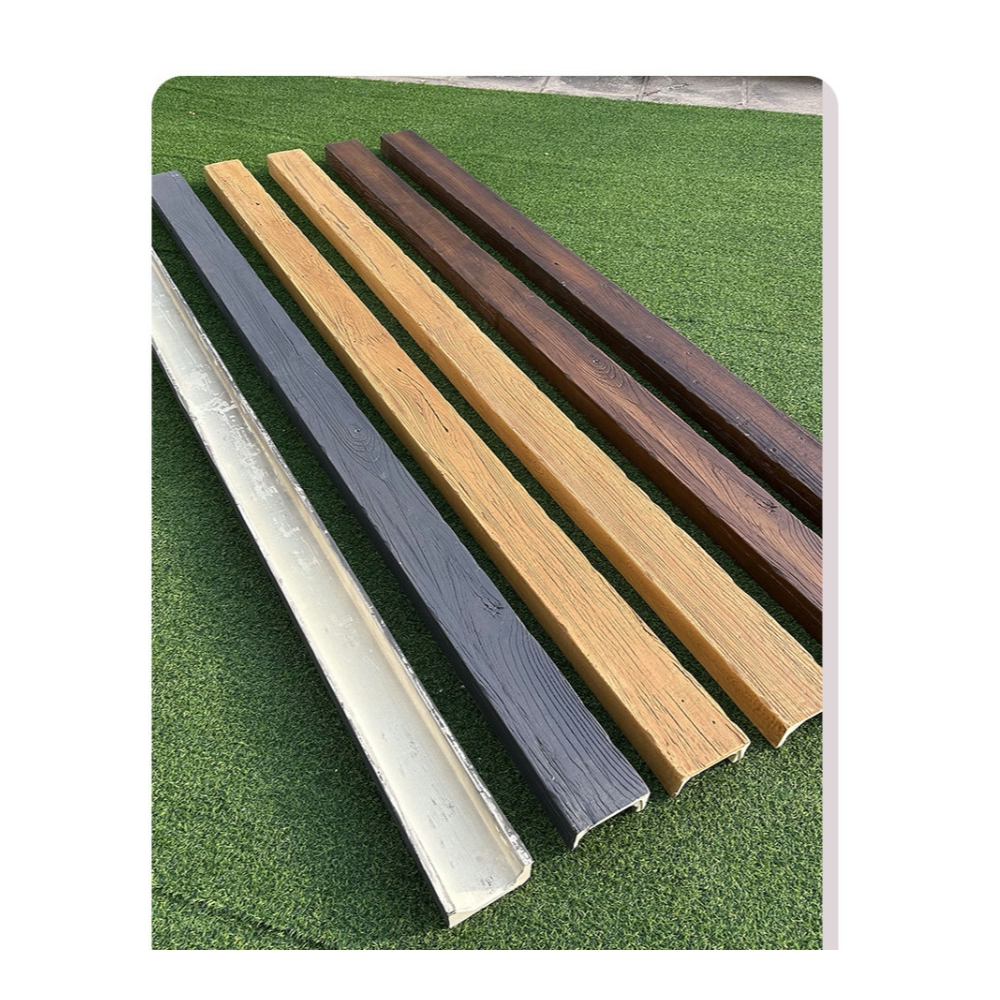
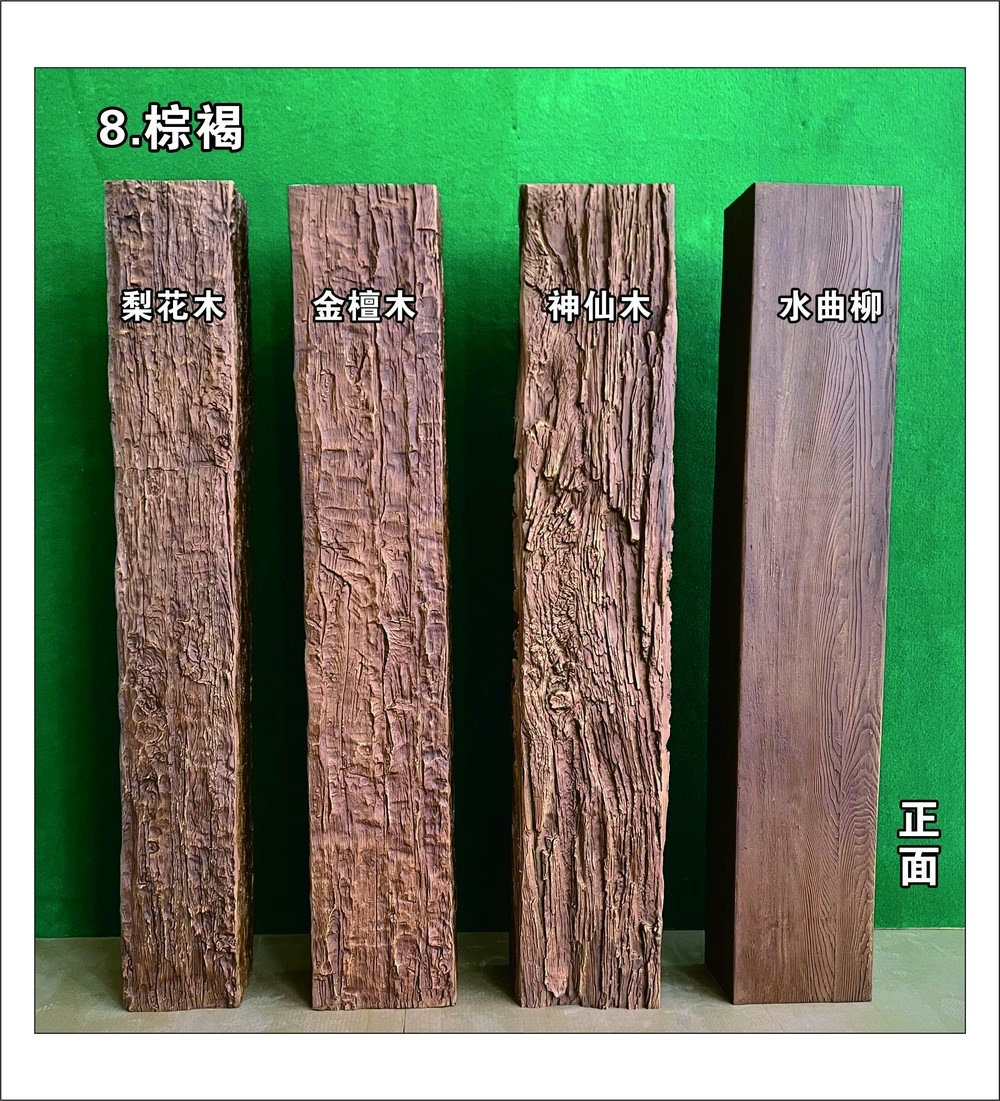
Every multi-beam ceiling installation tells a story of how individual elements come together to create something larger than themselves. The corner pieces are the connective tissue of that story—the components that join perpendicular beam runs while preserving the illusion of continuous, solid timber construction. Getting this detail right means the difference between a professional installation that impresses and a DIY effort that shows its seams.
The primary function of a corner piece is structural and aesthetic simultaneously. Structurally, it must transfer loads between the intersecting beams and provide secure attachment points to the ceiling or wall structure. Aesthetically, it must present a surface that matches the beams so completely that the eye cannot detect where the beam ends and the corner piece begins. This dual requirement explains why precision manufacturing matters so much in these components.
Different corner piece designs serve different aesthetic philosophies. The embedded joint style places the corner connection inside the beam profile, with the beams meeting at a factory-cut angle and the corner piece providing internal structural support while remaining invisible from normal viewing angles. This approach produces the cleanest visual result but requires the most precision in measuring and cutting beam lengths to achieve proper fit. The overlay style places the corner piece on top of the beam ends, creating a visible joint detail that some designers embrace as an honest expression of the construction method.

The scarf joint variant deserves particular attention because it combines structural strength with visual elegance. Rather than meeting at a 90-degree angle, the beam ends are cut on angles that allow them to overlap slightly at the corner, with the corner piece bridging and concealing the junction. This approach provides more gluing and fastening surface than a simple butt joint, resulting in a stronger connection that resists separation over time. The slight visual transition also helps disguise any minor dimensional variations between the beams.
Material selection for corner pieces typically mirrors the beam material—high-density polyurethane that accepts the same textures and finishes. Some manufacturers offer metal corner pieces, usually aluminum or stainless steel, for industrial design applications where a contrasting material detail adds to the aesthetic. These metal versions require different finishing approaches but provide exceptional durability and a distinctive visual statement that some commercial projects specifically require.
The installation sequence for corner pieces begins with structural preparation. The ceiling or wall at the corner location must receive adequate backing to support both the corner piece and the beams that will connect to it. Inaccessible ceiling cavities behind drywall require either pre-installation of blocking during earlier construction phases or the use of specialized hollow-wall anchors rated for the expected loads. Skipping this preparation leads to corner pieces that feel secure initially but develop movement over time as the adhesive ages.

Dry-fitting before adhesive application is not optional with corner pieces—it is essential. Place the corner piece in its intended position without adhesive, confirm that the beams seat fully and evenly, check that any texture patterns align across the joint, and verify that visible gaps do not exceed manufacturer specifications. This dry run identifies any issues while corrections are still easy, before adhesive sets and forces a choice between accepting imperfect alignment or undertaking a messy removal process.
Finishing the corner piece to match the beams may require site-applied stain or paint if the installation conditions differ from factory conditions. Direct sunlight, proximity to heat sources, or the particular lighting in the space can shift the perceived color of even the best-matched components. A thin application of the same finish used on the beams, applied to the corner piece before installation, helps normalize the appearance. Some installers keep small quantities of the beam finish on hand specifically for this purpose.
For projects with multiple corners, maintaining consistency across all corner pieces matters as much as matching each one to its adjacent beams. Using corner pieces from the same production lot ensures that any minor variations in texture or color are consistent throughout the installation. When ordering, specifying the quantity of corners required and requesting components from a single batch eliminates the frustrating discovery partway through installation that a replacement corner piece looks noticeably different from the ones already installed.
Technical References
ASTM standards cited in every specification
Test Data
Lab results from internal testing program
Updated 2026
Reviewed against current product specs