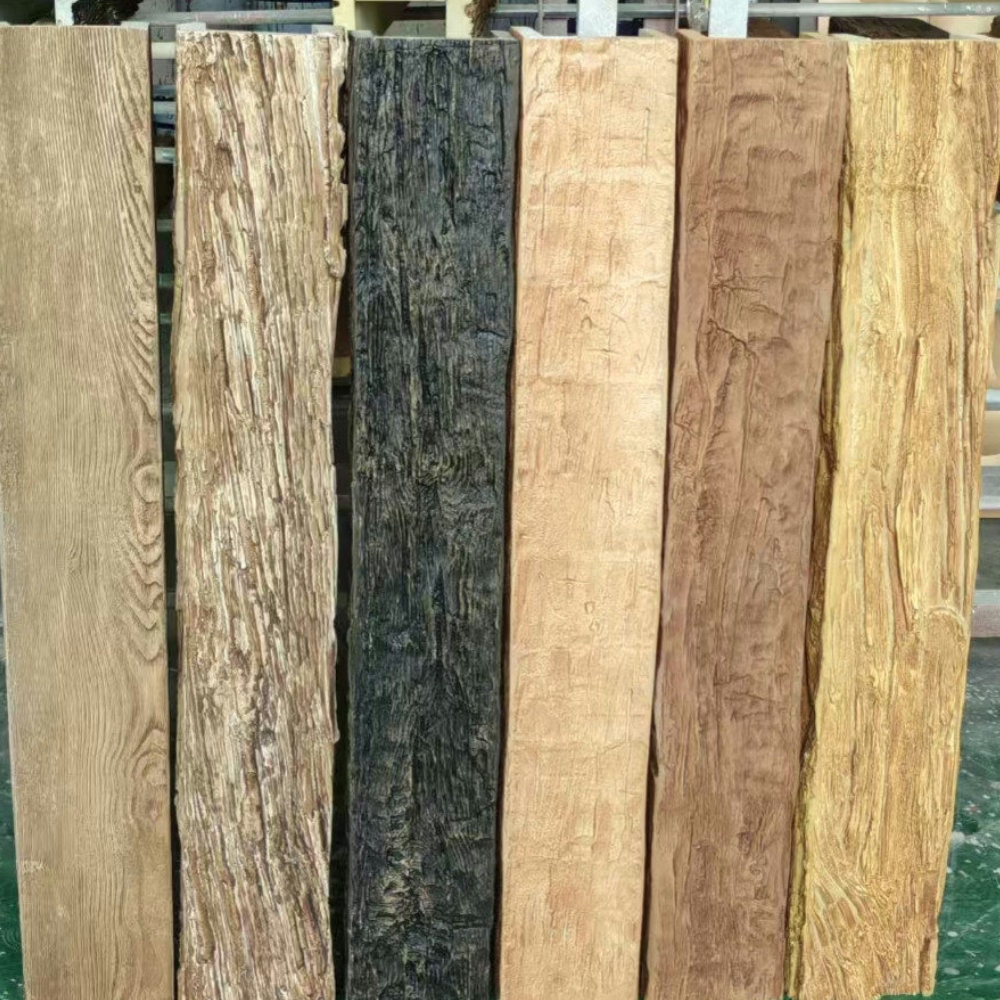
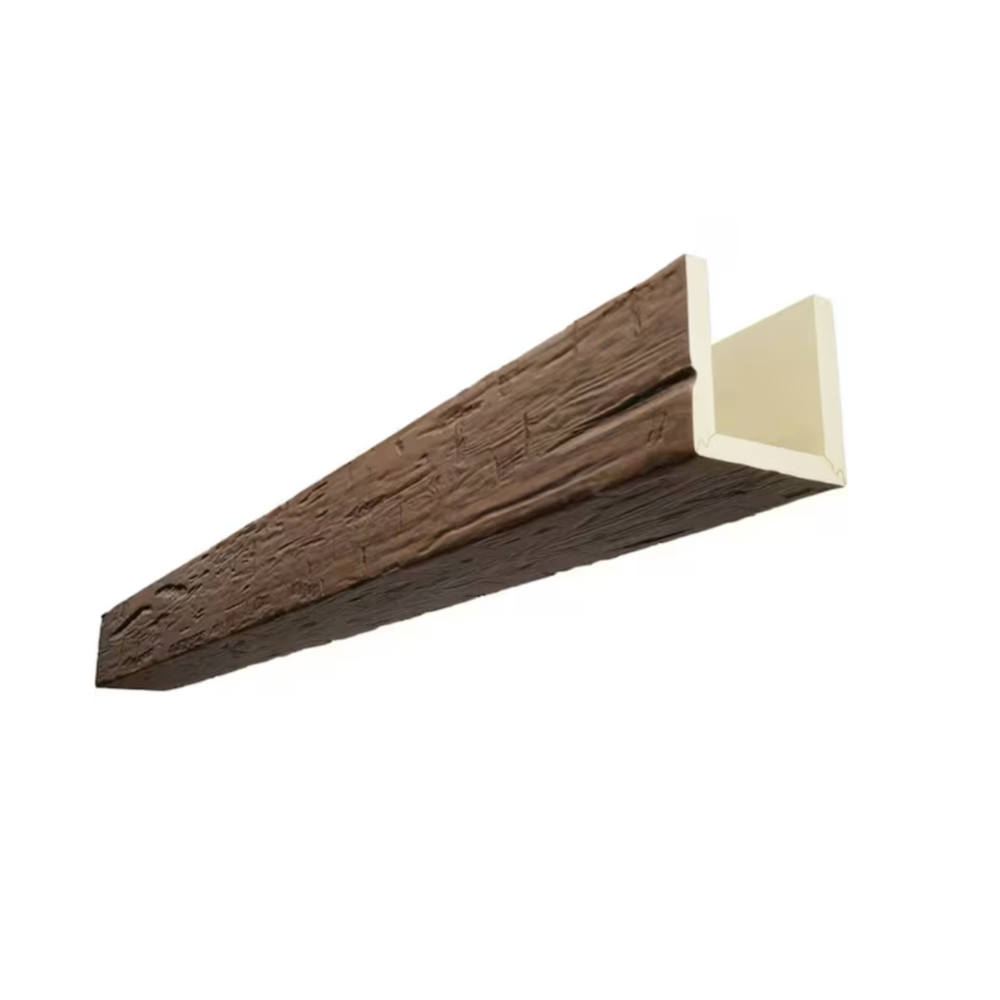
The role of timber in architectural decoration has evolved dramatically over centuries, from structural necessity to aesthetic choice to the current hybrid where timber appearance serves design goals independent of structural requirements. This evolution created opportunities for materials that deliver timber aesthetics without timber's practical limitations. Precision molded polyurethane beams occupy this space elegantly, providing the decorative impact of timber while eliminating the weight, moisture sensitivity, and installation complexity that accompany genuine structural wood.
Contemporary architects specify timber-look beams for applications ranging from subtle accent pieces that add warmth to minimal spaces to elaborate ceiling systems that define entire room characters. The versatility of polyurethane manufacturing enables product lines addressing each application type, with beam profiles, textures, and finishes optimized for specific uses. This specialization ensures that architects have appropriate options regardless of project scale or design intent.
The sustainability dimension of polyurethane timber-look beams increasingly influences specification decisions. As clients seek environmentally responsible design options, the fact that these beams require no timber harvest while delivering authentic wood appearance becomes a significant advantage. This environmental benefit multiplies across installations, potentially preserving significant timber volume that would otherwise be harvested for purely decorative purposes.
Decorative Beam Applications
Feature beams that span rooms or highlight architectural features represent the most common decorative application. These beams serve no structural function but create visual impact through their presence, scale, and appearance. The weight advantage of polyurethane becomes particularly valuable in these applications, as genuine timber beams of decorative scale would require substantial support systems.
Accent beams introduce timber character without the commitment of full-beam installations. Shorter beam sections above doorways, windows, or architectural niches create the impression of structural timber at reduced cost and installation effort. These accent pieces can transform otherwise plain spaces with minimal intervention, achieving significant design impact from modest investments.
Fascia and trim applications use beam-like profiles to frame ceiling planes or define transitions between surfaces. These applications benefit from polyurethane's consistent cross-section and easy workability, allowing clean cuts and simple fastening that would be more challenging with natural wood of equivalent scale.
Profile Selection for Architectural Goals
Architectural goals drive profile selection, with different profiles serving different aesthetic purposes. Traditional profiles featuring multiple planes and beveled edges suit classical and transitional interiors where architectural detail is valued. Contemporary profiles with simpler geometry and crisper edges support modern design directions where restraint defines the aesthetic.
Scale relationships between beams and their surrounding architecture require careful consideration. Beams that appear too small for their application look trivial rather than intentional. Oversized beams that overwhelm their surroundings create uncomfortable visual weight. Optimal selection balances beam dimensions against the architectural elements surrounding them, creating proportional relationships that feel natural rather than forced.
The interplay between beam depth and width affects both appearance and perceived scale. Deep, narrow beams create different impressions than shallow, wide beams of equivalent cross-sectional area. Understanding these relationships helps architects select profiles that support their design intentions rather than producing accidental results.
Texture and Finish Coordination
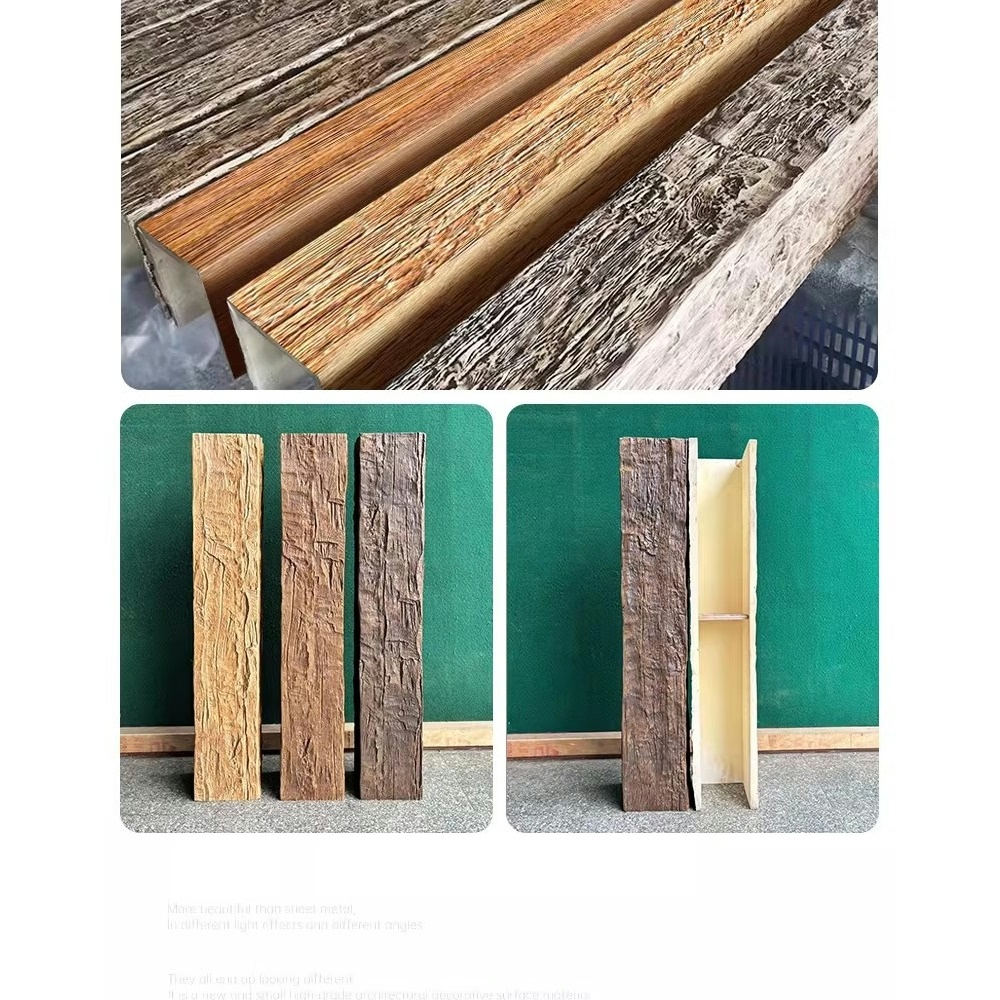
Texture selection for architectural beams should coordinate with other wood elements in the space for cohesive design. If the room includes hardwood flooring, millwork, or furniture, beam texture should complement rather than contrast with these elements. Mismatched textures between adjacent wood elements create visual discord that undermines the design coherence.
Finish sheens affect both appearance and maintenance requirements. Higher gloss finishes emphasize grain detail and create visual presence but show scratches and wear more readily. Lower sheen finishes appear more casual while hiding minor surface variations. The appropriate choice depends on anticipated use and maintenance capacity.
Color coordination extends beyond the beams themselves to surrounding surfaces and furnishings. The undertones in beam finishes should complement rather than conflict with wall colors, flooring tones, and upholstery fabrics. This coordination creates the color harmony that distinguishes professional design from amateur accumulation of unrelated elements.
Installation Approaches
Surface mounting provides the simplest installation approach for architectural beams, with adhesive and mechanical fasteners securing beams directly to ceiling or wall surfaces. This approach suits new construction and renovation projects where ceiling access is straightforward. The visible mounting creates the impression of beams applied to rather than integral with the architecture.
Recessed mounting embeds beams partially within ceiling structures, creating more integrated appearance while requiring more complex installation. This approach suits projects where beam appearance is desired without the visual weight of surface-mounted alternatives. Recessed beams typically require coordination with structural framing to accommodate the beam depth within the ceiling plane.
Suspended mounting systems enable beam installation where direct attachment to structures is impractical. Cable, rod, or bracket systems suspend beams at specified heights below structural ceilings, creating floating effects that enhance architectural drama. These systems require engineering attention to ensure adequate support while maintaining the appearance of effortlessness.
Commercial Applications
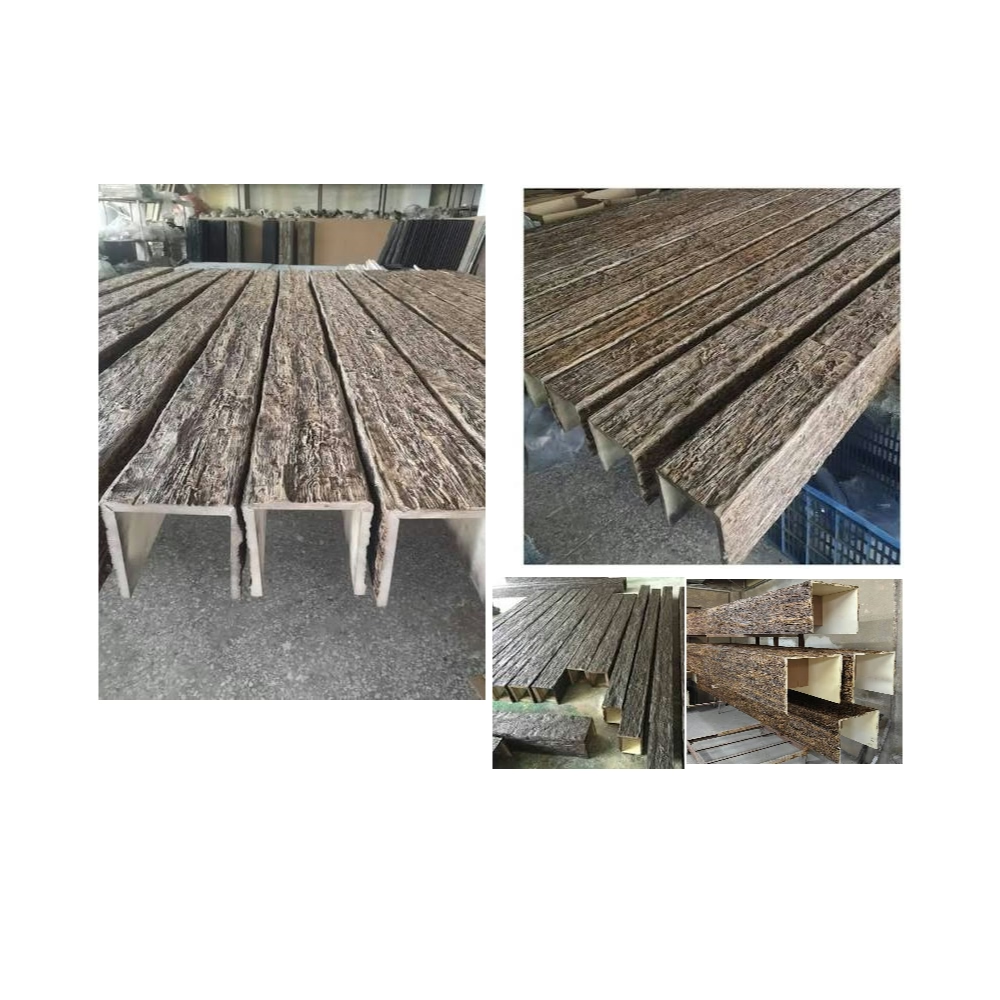
Hospitality venues including hotels, restaurants, and resorts frequently specify timber-look beams for their warmth and character. These spaces benefit from the durability of polyurethane finishes that resist the traffic and handling that damage natural wood in public areas. The consistency of manufactured products also simplifies specification and procurement across multiple properties.
Retail environments employ timber-look beams to create brand-appropriate atmospheres that support customer experience goals. The flexibility of custom profiles and finishes enables branding coordination that would be impractical with natural wood requiring extended lead times and producing variable results. This consistency supports both initial installation and future renovation needs.
Corporate offices increasingly incorporate timber-look beams to humanize workspace environments while maintaining the professional image appropriate for business settings. The acoustic benefits of beam installations, which help manage sound reflection and reverberation, complement the aesthetic improvements these beams provide.
Cost-Benefit Analysis
Initial cost comparison between polyurethane and natural wood beams reveals significant differences favoring synthetic alternatives. The manufacturing efficiency of polyurethane production, combined with lower material costs for raw inputs, creates meaningful price advantages that affect project budgets positively.
Installation cost differences amplify the material cost advantages. The lightweight handling of polyurethane beams reduces labor requirements and enables single-worker installation for beams that would require multiple workers in natural wood. Simplified fastening and reduced call-back rates further reduce installed costs.
Lifecycle cost analysis extends these advantages through the maintenance period. Natural wood beams require periodic refinishing, pest treatment, and moisture management that polyurethane eliminates entirely. The reduced maintenance burden translates to both cost savings and aesthetic preservation that maintains property values.
Design Trends
Scandinavian-inspired design continues influencing timber-look beam specifications, with light finishes and clean profiles supporting the airy, natural aesthetic this style demands. Polyurethane manufacturers have responded with product lines specifically developed for this application, offering whitewashed finishes and subtle textures that capture Scandinavian authenticity.
Industrial aesthetic influences encourage heavier timber-look beams with darker finishes and more pronounced textures. These specifications suit converted warehouse spaces and new construction attempting the exposed structural aesthetic. The durability of polyurethane finishes handles the wear these applications encounter without the maintenance natural wood would require.
Biophilic design principles drive specification of timber-look beams as elements connecting building occupants with natural environments. The authentic wood appearance of quality polyurethane beams satisfies biophilic objectives without the sustainability compromises that harvesting timber for decorative purposes would create.
Technical References
ASTM standards cited in every specification
Test Data
Lab results from internal testing program
Updated 2026
Reviewed against current product specs