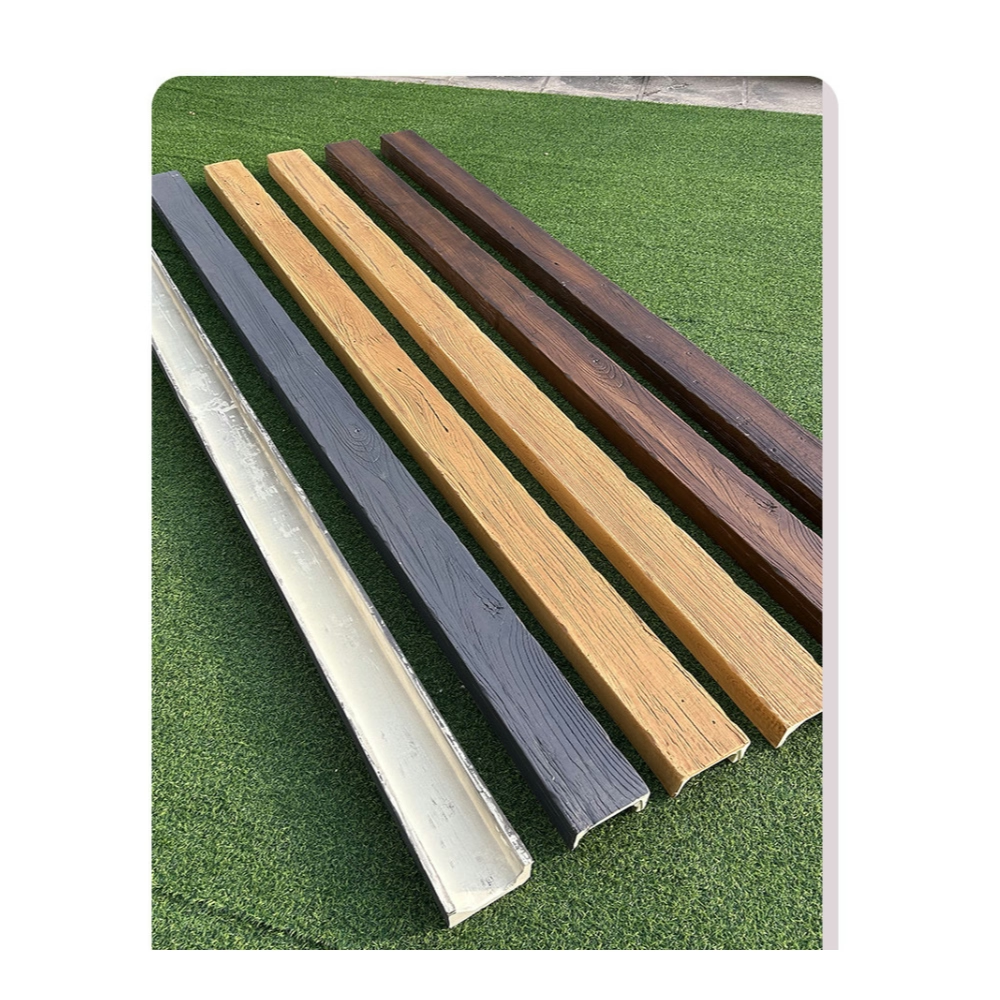
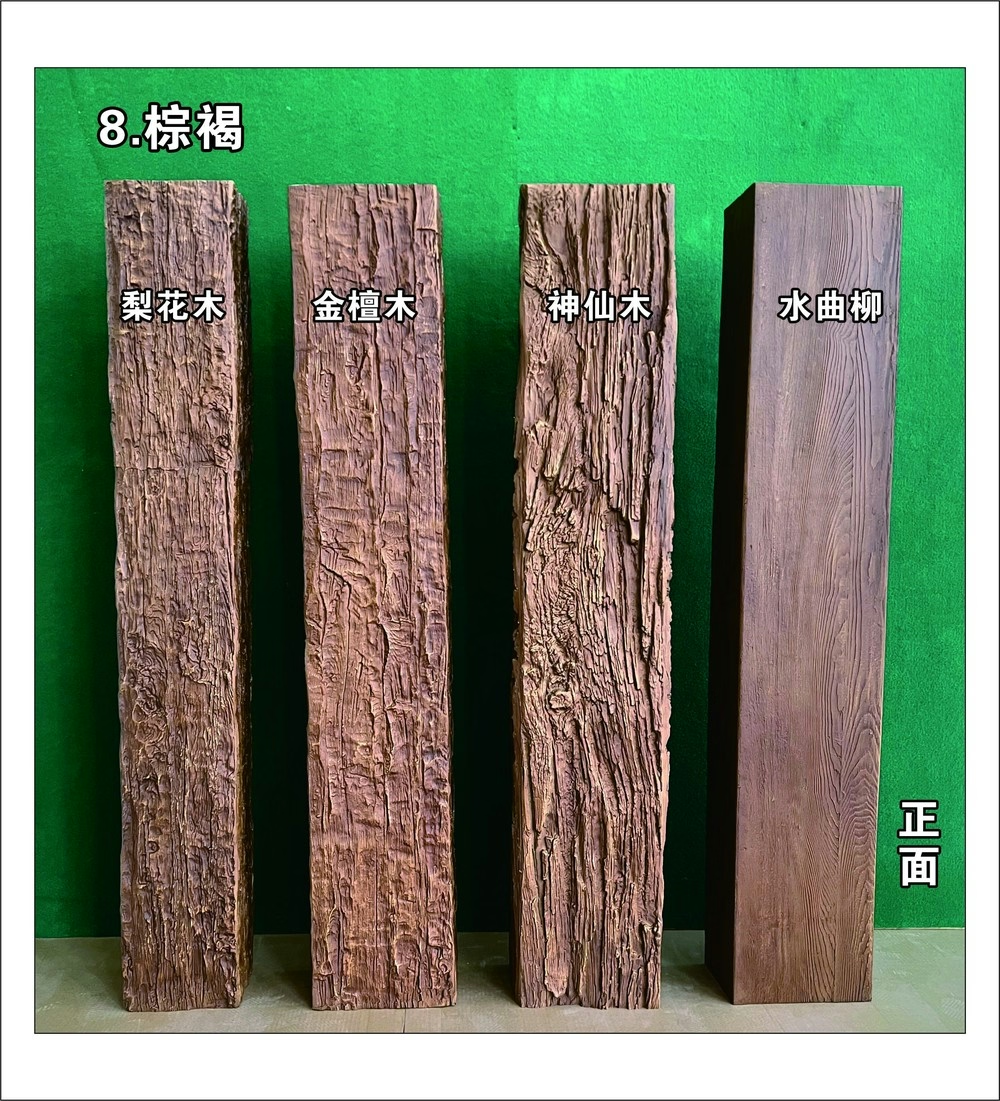
Outdoor installations subject building materials to stresses that interior applications never encounter. Rain, UV radiation, temperature extremes, and biological threats all challenge materials in ways that controlled interior environments eliminate. Faux timber beams specified for exterior use must address these challenges comprehensively, with joint solutions that maintain both structural integrity and visual appearance through years of environmental exposure.
The shift toward exterior faux timber applications reflects both improved material formulations and increased design interest in outdoor living spaces. Covered patios, pergolas, and porch ceilings increasingly feature timber-look beams that extend interior design aesthetics to outdoor rooms. Meeting these application requirements demands joint solutions specifically engineered for exterior conditions.
Polyurethane technology has evolved to address exterior challenges, with modern formulations incorporating UV stabilizers, moisture resistance, and temperature tolerance that earlier products lacked. These improved materials enable installations that maintain their appearance through seasons and years of service. However, the benefits of improved materials only materialize when installation techniques complement material capabilities.
Environmental Challenges for Exterior Joints
UV radiation breaks down many materials through photodegradation, causing surface chalking, color change, and loss of mechanical properties. Exterior polyurethane formulations incorporate UV absorbers and stabilizers that slow this degradation significantly. However, joints create interfaces where these protective systems may not extend, requiring attention to ensure long-term UV resistance throughout the assembly.
Moisture intrusion represents perhaps the most significant threat to exterior beam installations. Water entering joint areas creates conditions for adhesive degradation, biological growth, and freeze-thaw damage in cold climates. Sealing joints against moisture intrusion requires both initial attention and ongoing maintenance that preserves seal integrity over time.
Thermal cycling creates stress at joints through differential expansion between materials with different thermal properties. Even polyurethane beams with aluminum or steel mounting hardware experience these stresses, which accumulate over many cycles. Joint designs that accommodate movement without cracking or separating maintain integrity through this thermal fatigue.
Joint Design for Exterior Performance
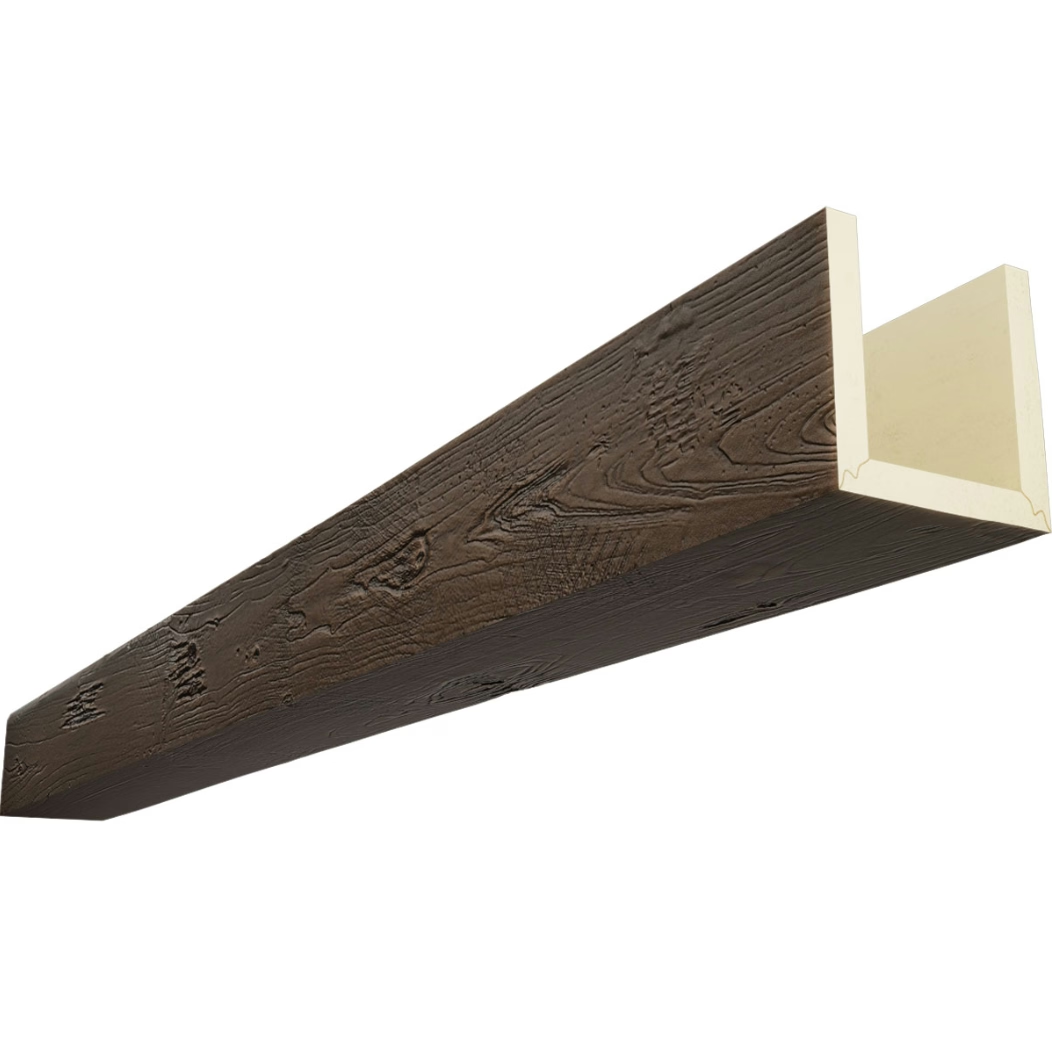
Hidden joint systems eliminate the visible seams that collect moisture and degrade over time. These systems embed connection hardware within the beam cavity, presenting continuous exterior surfaces without exposed joints. The complexity of hidden joint systems increases installation difficulty but provides superior long-term performance.
Drainage provisions at joints prevent water accumulation that might compromise the assembly. Small holes or channels that allow water to escape rather than pool extend joint service life significantly. These drainage features should be incorporated during initial design rather than added as afterthoughts.
Expansion accommodation in joint design recognizes that building materials move with temperature changes. Flexible joint compounds that compress and expand with this movement maintain seal integrity through thermal cycles. Rigid joints that resist movement eventually fail through cracking or delamination.
Adhesive Selection for Exterior Use
Not all construction adhesives are suitable for exterior applications. Products designed for interior use may degrade rapidly when exposed to moisture and UV radiation. Selecting adhesives specifically formulated for exterior use ensures that joint bonds maintain integrity throughout expected service life.
Moisture-resistant adhesive formulations provide protection against the water exposure that exterior installations encounter. These products maintain bond strength even when repeatedly wetted, unlike adhesives that soften or release when moisture penetrates the joint. The additional cost of quality exterior adhesives typically proves worthwhile through extended service life.
Temperature tolerance requirements vary by climate, with extreme temperature ranges demanding adhesives formulated for those conditions. Adhesive data sheets specify temperature ranges for application and service, which should be verified against actual conditions at the installation location.
Waterproofing Strategies
Continuous waterproofing layers beneath and around beam installations provide redundancy against moisture intrusion. These layers may include membrane materials that bridge gaps and direct water away from joint areas. The investment in waterproofing typically proves worthwhile through extended service life.
Joint sealing with flexible caulking compounds creates weatherproof barriers at visible junctions. These sealants should be specifically formulated for exterior use and compatible with the beam material. Regular inspection and reapplication maintains seal integrity that eventually degrades even in quality products.
Gutter and flashing provisions that direct water away from beam installations reduce moisture exposure significantly. Architectural details that shed water rather than pooling it extend the service life of all exterior materials. Incorporating these details during design proves far more effective than remediation after water damage occurs.
Maintenance Requirements
Exterior installations require more frequent inspection and maintenance than interior applications. Annual inspection should verify joint integrity, reapply sealants as needed, and address any damage or deterioration observed. This regular attention prevents minor issues from progressing to significant problems.
Cleaning protocols for exterior beams should account for biological growth including algae, mold, and mildew that may accumulate on surfaces. Gentle cleaning with appropriate solutions removes this growth without damaging beam finishes. Harsh chemicals or pressure washing may damage finishes and should be avoided.
Refinishing may become necessary as exterior exposure degrades original finishes over time. Having appropriate finish products available for touch-up or full refinishing maintains appearance throughout the installation's service life. The frequency of refinishing depends on exposure severity and original finish quality.
Climate-Specific Considerations
Humid climates accelerate biological growth and moisture-related degradation, requiring enhanced maintenance attention and potentially upgraded specifications. Mold-resistant formulations provide additional protection in these environments. More frequent cleaning and refinishing maintains appearance despite accelerated degradation.
Cold climates introduce freeze-thaw cycling that stresses joint materials through ice formation and melting. Joint designs that prevent water penetration avoid the damage that freeze-thaw cycles cause. Moisture-resistant adhesives and sealants provide additional protection against this failure mode.
Arid climates present different challenges including UV intensity and temperature extremes that may exceed material capabilities. UV-resistant formulations become more critical as exposure increases. Thermal cycling in desert climates requires joint flexibility that accommodates significant temperature ranges.
Product Selection Guidance
Exterior-rated polyurethane beams carry specifications indicating their suitability for outdoor use. These ratings should be verified before purchase, as interior products may fail rapidly when installed outdoors. Product documentation specifies appropriate applications, which should be followed strictly.
Warranty coverage provides insight into manufacturer confidence in exterior performance. Extended warranties covering five years or more suggest confidence in weather resistance, while products with minimal warranty coverage may not be suitable for exterior applications. The warranty terms should be reviewed carefully before specification.
Manufacturer guidance for exterior installation should be followed meticulously, as deviation from recommended practices may void warranty coverage. These guidelines address specific conditions the manufacturer has tested and validated. Following guidance ensures that products perform as warranted.
Design Approaches
Covered installations reduce but do not eliminate environmental exposure, requiring attention to joint design even when beams are not directly exposed to precipitation. UV protection and moisture resistance remain important, though less critical than in fully exposed applications.
Fully exposed installations demand the most robust joint solutions, as these locations experience the full intensity of environmental challenges. Design approaches that minimize exposed joints and incorporate multiple protection layers extend service life in these demanding applications.
Transitional spaces between fully interior and fully exterior environments present intermediate challenges. Covered but open-air spaces experience different exposure levels than either conditioned interiors or fully exposed exteriors. Joint specifications should match the actual conditions rather than assumptions about protection.
Technical References
ASTM standards cited in every specification
Test Data
Lab results from internal testing program
Updated 2026
Reviewed against current product specs