The interior finishing category encompasses the elements that transform constructed shells into inhabitable spaces. While structural systems, mechanical equipment, and basic construction receive necessary attention, it is finishing that determines how spaces feel, function, and communicate value. Premium faux beams occupy a distinctive position within finishing—architectural elements that contribute visual character while maintaining the practical performance that quality interiors require.
The evolution of faux beam products from budget alternatives to high-end finishing options reflects manufacturing advances that have dramatically improved appearance, durability, and design flexibility. Today's premium products belong conversationally with other quality finishing choices: premium flooring, designer lighting, professional-grade fixtures. Understanding what distinguishes these products as high-end options helps specify them appropriately.
Characteristics of High-End Finishing Products
High-end interior finishing products share characteristics that distinguish them from standard alternatives, regardless of material composition. Premium faux beams exhibit these characteristics through design, manufacturing, and performance that exceed commodity expectations.
Material quality provides the foundation for high-end performance. Premium polyurethane formulations utilize consistent, high-density materials that resist damage, maintain appearance, and perform predictably across varying conditions. This quality isn't visible in finished installations but becomes apparent over time as lesser materials degrade while premium products maintain their initial character.
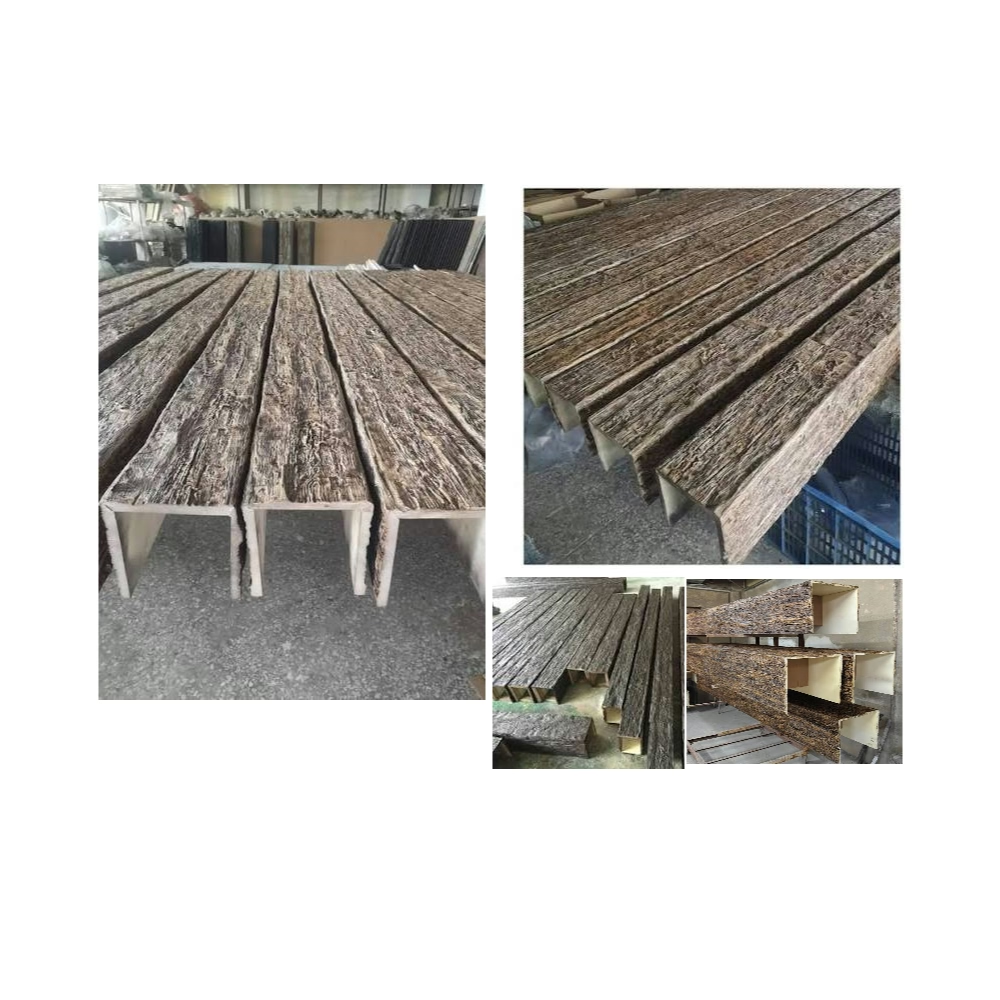
Finish quality distinguishes high-end products from alternatives. The factory finishing processes that premium manufacturers employ create surfaces with depth, consistency, and durability that on-site finishing cannot match. These finishes resist scratching, maintain color consistency, and integrate with underlying textures in ways that create authentic appearance. The result is installations that appear genuinely crafted rather than merely assembled.
Design sophistication elevates high-end products beyond functional basics. Premium faux beam manufacturers employ designers who understand architectural context, installation practice, and aesthetic coherence. The resulting product lines offer profiles, finishes, and options that serve sophisticated design intentions rather than simply providing beam-shaped objects.
Longevity ensures that high-end finishing maintains its value over time. Premium faux beams resist the degradation that affects lesser products—UV fading, surface damage, finish failure—maintaining their initial quality through years of service. This longevity supports the investment that high-end finishing represents.
Architectural Context and Application
Premium faux beams serve diverse architectural contexts, each requiring consideration of how beams interact with existing conditions to create coherent, successful results.
Contemporary architecture frequently lacks the architectural detail that characterizes traditional building. Flat ceilings, smooth walls, and minimal trim create clean aesthetics but can feel stark or unwelcoming. Beams in these contexts introduce organic warmth, visual texture, and the human scale that prevents contemporary interiors from feeling institutional. The beams reference traditional architectural elements while acknowledging their contemporary context through refined profiles and clean proportions.
Traditional and heritage architecture provides different opportunities. In spaces already featuring architectural detail—crown moldings, wainscoting, period trim—beams extend the established design vocabulary. Premium faux beams in these contexts should complement rather than compete with existing elements, matching scale and character while introducing additional visual interest.
Transitional spaces that blend traditional and contemporary elements find beams that bridge these vocabularies. A beam profile that suggests traditional construction while maintaining contemporary refinement serves these spaces effectively. Finish selection reinforces this bridge—warm wood tones that feel traditional without appearing antique, texture that implies authenticity without demanding it.
Outdoor and semi-protected applications extend faux beam use beyond interior spaces. Covered patios, enclosed porches, and protected outdoor living areas can benefit from beam treatment that brings interior aesthetics to exterior contexts. Premium products designed for these applications offer UV resistance and weather tolerance that standard products lack.
Investment Value and Lifecycle Consideration
High-end finishing products represent investments that should generate returns through extended service, enhanced property value, and sustained aesthetic satisfaction. Premium faux beams deliver these returns through characteristics that distinguish them from alternatives.
Initial cost for premium faux beams may exceed budget alternatives, but lifecycle cost analysis reveals different economics. Maintenance requirements for premium products are minimal—regular cleaning maintains appearance without refinishing, repair, or replacement that budget materials require. This maintenance differential accumulates over the product lifecycle, often making premium products more economical when total cost is considered.
Property value contribution extends beyond direct product cost. Homes featuring quality architectural elements like ceiling beams command attention in competitive markets. The investment in premium finishing contributes to property value that exceeds the initial expenditure—a combination of daily enjoyment and financial return that distinguishes smart renovation investment.
Design satisfaction sustains over time as premium materials maintain their initial quality. Budget alternatives begin degrading immediately, with fading finishes, surface damage, and visible wear that diminish satisfaction. Premium products maintain their character through years of service, sustaining the satisfaction that initial design intentions generated.
Environmental consideration increasingly influences high-end finishing decisions. Premium faux beams made from durable polyurethane require no harvested timber, supporting sustainable material selection without sacrificing aesthetic quality. The longevity that premium products provide further reduces environmental impact by eliminating replacement cycles that lesser products require.
High-end interior finishing demands products that deliver on promises made during specification. Premium faux beams meet this standard through material quality, finish excellence, design sophistication, and lasting performance. For design professionals and homeowners seeking finishing options that justify premium positioning, these products deserve serious consideration.
Technical References
ASTM standards cited in every specification
Test Data
Lab results from internal testing program
Updated 2026
Reviewed against current product specs


