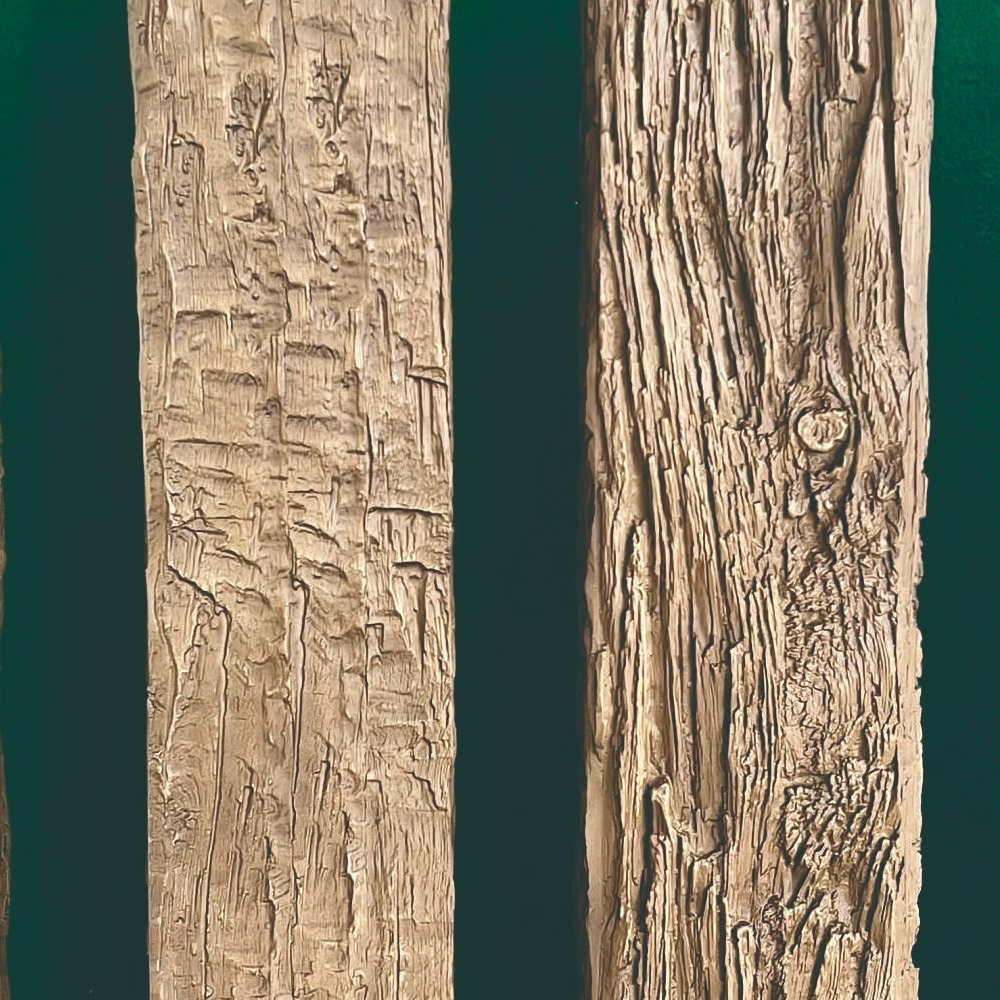
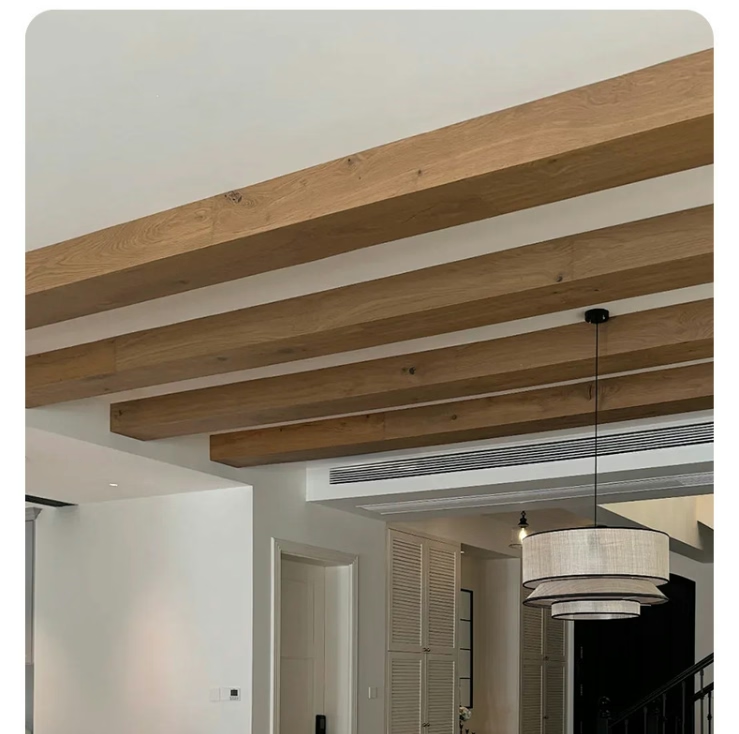
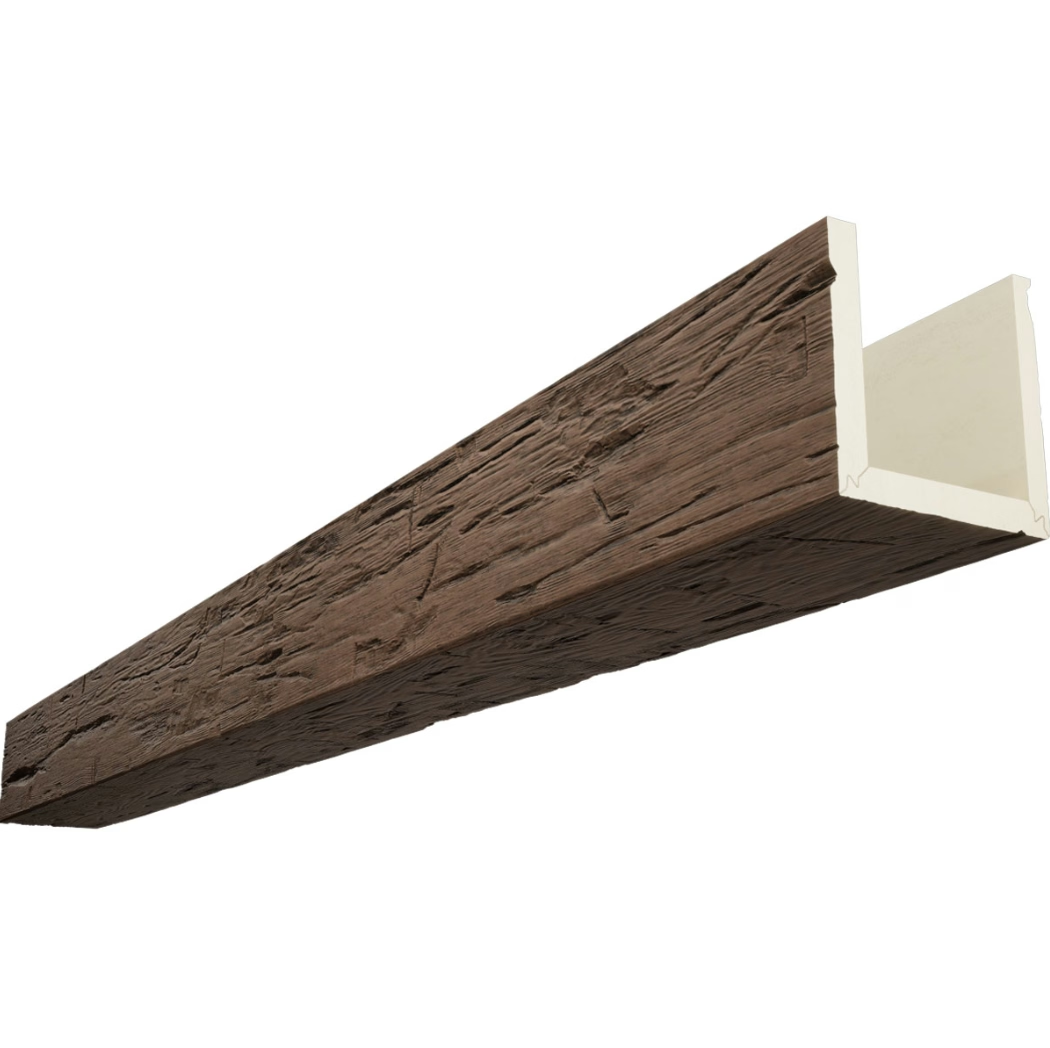
Professional renovation contractors face challenges fundamentally different from those encountered in new construction. Where new construction proceeds from known conditions and carefully controlled sequences, renovation work unfolds within existing structures whose conditions may differ significantly from expectations. Walls that appear plumb may conceal decades of patching and repair that affect finish attachment. Ceilings that seem level may slope in ways that complicate beam installation. Electrical and mechanical systems installed without coordination may occupy spaces where beams are planned. These uncertainties define renovation work, demanding materials and techniques that accommodate unpredictable conditions without requiring extensive modification or rework. Premium faux wood beams satisfy these requirements, providing renovation-appropriate solutions that perform reliably regardless of existing conditions.
The lightweight characteristics of polyurethane beams prove particularly valuable in renovation contexts where ceiling structures may have been designed for standard finish loads rather than the additional weight of authentic timber. Authentic timber beams impose significant structural demands that may exceed what existing structures can support, requiring engineering evaluation and potential reinforcement that adds cost and complexity. Faux beams eliminate this concern entirely, with weight reductions of eighty percent or more compared to natural timber that allow installation on virtually any standard ceiling without structural modification. This weight advantage simplifies the contractor's work while expanding the range of renovation projects where beam aesthetics can be achieved.

Adaptability to existing conditions distinguishes quality renovation work from hasty, problem-plagued attempts that disappoint clients and damage contractor reputations. Premium faux wood beams accommodate the variations and imperfections that characterize existing construction without requiring correction or concealment. Out-of-level ceiling surfaces can be addressed through strategic beam positioning that minimizes the visual impact of dimensional variations. Previously finished surfaces including textured ceilings, painted plaster, and wallpaper can receive beam installations without requiring removal or extensive preparation. The adhesive attachment method bonds effectively to most common renovation substrates, providing secure installation without the drilling and fastening that might damage underlying systems or compromise structural integrity.
The pace of renovation work requires materials that support efficient execution without sacrificing quality. Faux wood beams contribute to renovation efficiency through installation processes that proceed quickly once preparation is complete. The beam positioning and attachment sequence can be mastered by experienced workers, enabling rapid production once the technique is learned. Joint fitting and finishing proceed efficiently given the dimensional consistency of manufactured products. The elimination of drying and curing times that affect some construction materials allows renovation schedules to proceed predictably. This installation efficiency translates directly into improved productivity that benefits contractor profitability while reducing the disruption duration that renovation work imposes on occupied buildings.
Client communication about faux beam specifications requires contractor confidence in the product's quality and performance. Clients familiar with authentic timber may initially question whether faux alternatives can provide comparable appearance and durability. Contractors who have experienced the quality of premium products can address these concerns confidently, demonstrating samples, showing photographs of completed installations, and explaining the technical characteristics that make modern faux beams superior to the cheap imitations that may have colored client perceptions. This confidence in specification builds client trust that extends beyond the beam decision to encompass the entire renovation project.
Warranty and support considerations affect contractor risk when specifying any material for renovation applications. Premium faux beam manufacturers back their products with warranties that protect both contractors and their clients against manufacturing defects or performance failures. This warranty coverage reduces contractor exposure to claims arising from product issues, providing peace of mind that enables confident specification. The manufacturer's technical support resources provide answers to installation questions, helping contractors resolve challenges quickly without trial-and-error experimentation. This support infrastructure proves particularly valuable for contractors working on unfamiliar applications or in markets where local expertise is limited.
The long-term performance of faux beams in renovation contexts contributes to contractor reputation for quality work. Renovations that include beam installations become references for future clients, with appearance and durability over time demonstrating the value of the specification. When clients see beam installations that maintain their quality years after installation, they develop confidence in the contractor's material judgment that translates into referrals and repeat business. This reputation effect compounds over time, building contractor businesses on the foundation of quality specifications that satisfy clients consistently.
Competitive positioning in the renovation market depends on value propositions that differentiate contractors from competitors. Premium faux wood beams provide differentiation through the design impact they achieve, the efficiency they enable, and the reliability they deliver. Contractors who specialize in high-quality renovation work recognize that material selection matters, and they choose products that support their positioning rather than compromise it. Faux beams satisfy these requirements, enabling contractor differentiation that attracts clients willing to pay for quality while maintaining margins that support healthy business operations.
Technical References
ASTM standards cited in every specification
Test Data
Lab results from internal testing program
Updated 2026
Reviewed against current product specs