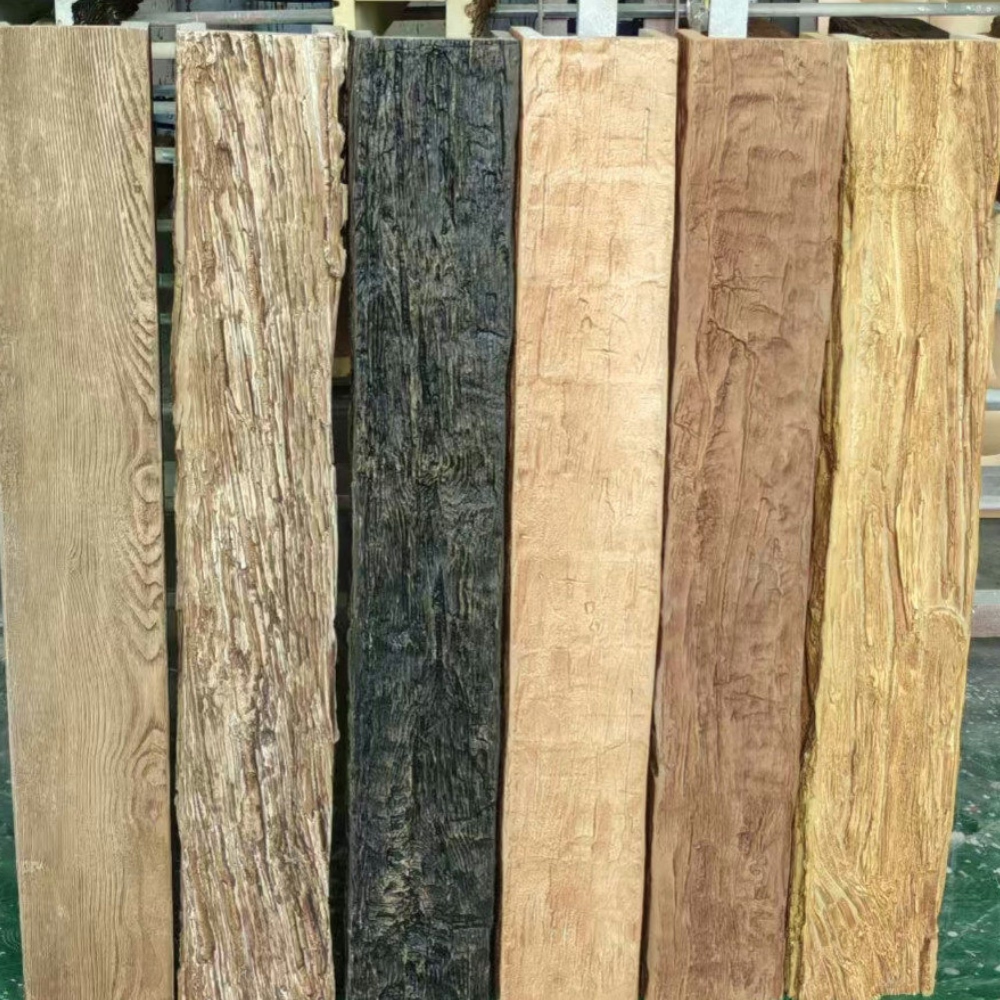
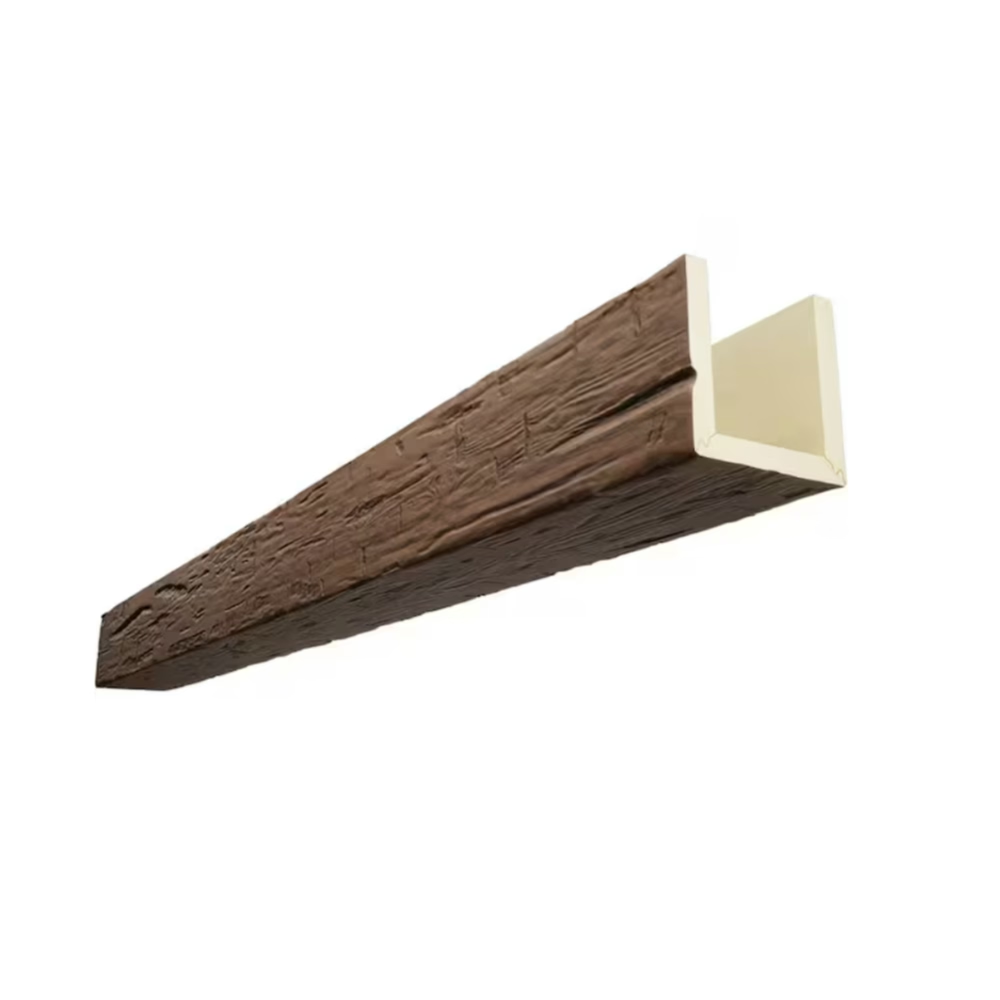
The simulation of natural materials has advanced dramatically across manufacturing industries, but few applications demonstrate this progress as clearly as faux wood beams. Where early alternatives displayed obviously artificial appearance with smooth surfaces and repetitive patterns, contemporary premium products achieve authenticity that withstands close inspection. This transformation reflects the convergence of advanced materials, sophisticated manufacturing processes, and refined finishing techniques that premium manufacturers have developed specifically for ceiling beam applications.
Realistic timber simulation requires attention to multiple visual characteristics that together create the impression of genuine wood. Each of these elements must be addressed convincingly to achieve the overall authenticity that premium applications demand.
The Science of Wood Grain Reproduction
Natural wood grain results from the biological processes that create tree growth, producing patterns that have evolved over millions of years. Reproducing these patterns convincingly requires understanding both their visual characteristics and the mechanisms that create them.
Growth ring patterns establish the fundamental visual structure of wood appearance. The annual growth patterns that define ring structure in real timber translate to curved lines and transitions that premium beam manufacturing captures accurately. Different wood species exhibit characteristic ring patterns that premium products reproduce through careful mold selection and production control.
Grain direction and flow follow the natural structure of wood fibers, creating the directional patterns that define wood's visual character. Premium manufacturing controls surface texture orientation to simulate realistic grain flow, avoiding the uniform directional patterns that betray artificial origin. This directional variation creates visual interest that engages viewers without demanding conscious attention.
Character marks including knots, checks, and mineral streaks appear in natural timber with varying frequency depending on wood species and growing conditions. Premium beam surfaces incorporate these character marks as integral design elements, using authentic reference materials to ensure that added details match the natural variation that wood exhibits. The resulting surfaces display the imperfections that characterize genuine timber.

Texture Development for Authentic Feel
Authentic wood appearance involves tactile qualities that influence perception even before visual inspection. Premium high-density foam construction enables surface textures that engage touch realistically.
Surface roughness variation across beam surfaces mimics the inconsistent texture that natural wood develops through aging and exposure. Premium products incorporate deliberate texture variation that prevents the uniform smoothness that identifies artificial materials. This variation catches light differently across the surface, creating the depth and interest that characterize authentic timber.
Edge treatment in premium beams addresses the worn edges that genuine timber develops over years of service. These subtle edge profiles prevent the crisp, manufactured appearance that would contradict the wood-like character that surfaces establish. The combination of surface and edge treatment creates a unified impression of aged, authentic material.
Relief carving in premium beams reproduces the tool marks and natural variations that hand-hewn timber exhibits. Modern manufacturing techniques including CNC machining and precision molding capture these details with accuracy that hand-crafting cannot match consistently. The resulting surfaces display the character that historical timber possessed while maintaining dimensional precision that traditional construction cannot achieve.
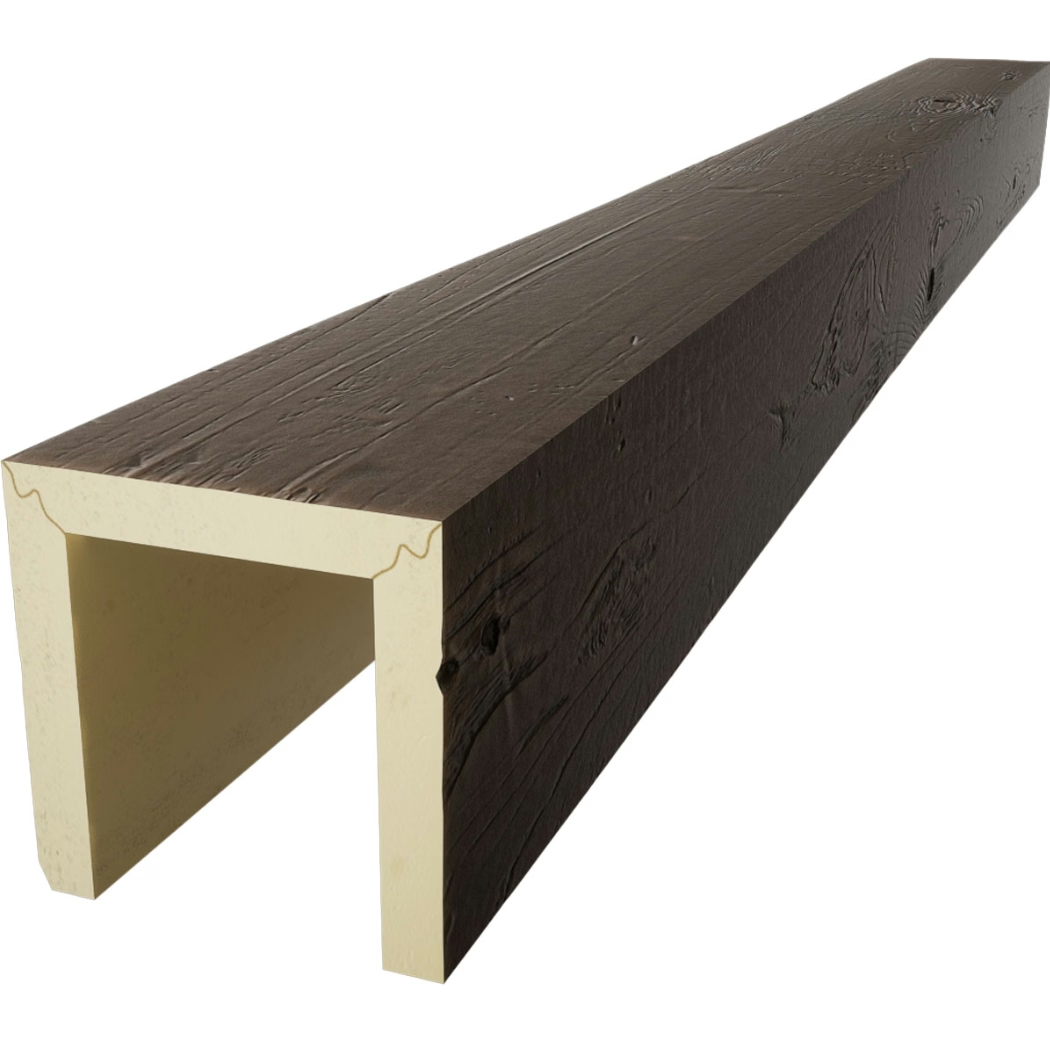
Color Development and Depth
Wood color involves more than simple hue selection, requiring depth and variation that premium finishing processes achieve through sophisticated technique.
Base color application establishes foundational tone while providing a surface that subsequent treatments modify. Premium processes apply color in controlled conditions that ensure consistent coverage without the application variation that affects lesser products. This consistent base enables accurate prediction of final appearance.
Highlight and shadow treatments add dimension to base color, emphasizing grain structure and creating the depth that characterizes authentic wood appearance. Premium finishing employs multiple treatment stages that build this dimension incrementally, achieving results that single-application systems cannot approach. Each stage adds subtle variation that accumulates into convincing authenticity.
Finish sealing protects color treatments while providing the final surface quality that completes authentic appearance. Premium sealers incorporate UV inhibitors that prevent the color change that would eventually alter intended appearance. This protection ensures that installations maintain their original quality throughout extended service.
Species Variation and Selection
Different wood species exhibit distinctive visual characteristics that premium products reproduce through careful reference and production control. Understanding species variation helps specifiers select appropriate products for their intended aesthetics.
Oak species present prominent grain patterns with distinctive ray cells that create the characteristic fleck patterns visible on quartered surfaces. Premium oak-replication products capture these details through molds derived from genuine oak samples. The resulting beams exhibit the warmth and character that oak's popularity reflects.
Pine species display subtler grain patterns with frequent character marks including knots and varied growth rates that create visual interest. Premium pine-replication products balance these character elements appropriately, avoiding both the sterile smoothness of artificial materials and the excessive character that would overwhelm typical applications.
Mahogany species offer rich color and interlocked grain patterns that create distinctive visual complexity. Premium mahogany-replication products capture this complexity through sophisticated coloring techniques that achieve depth without monotony. The resulting beams exhibit the sophisticated warmth that has made mahogany a premium wood species.
Walnut species provide deep, rich coloring with elegant grain patterns that complement both traditional and contemporary design schemes. Premium walnut-replication products achieve this refined appearance through careful color development that avoids the flat, uniform appearance that lesser products display.
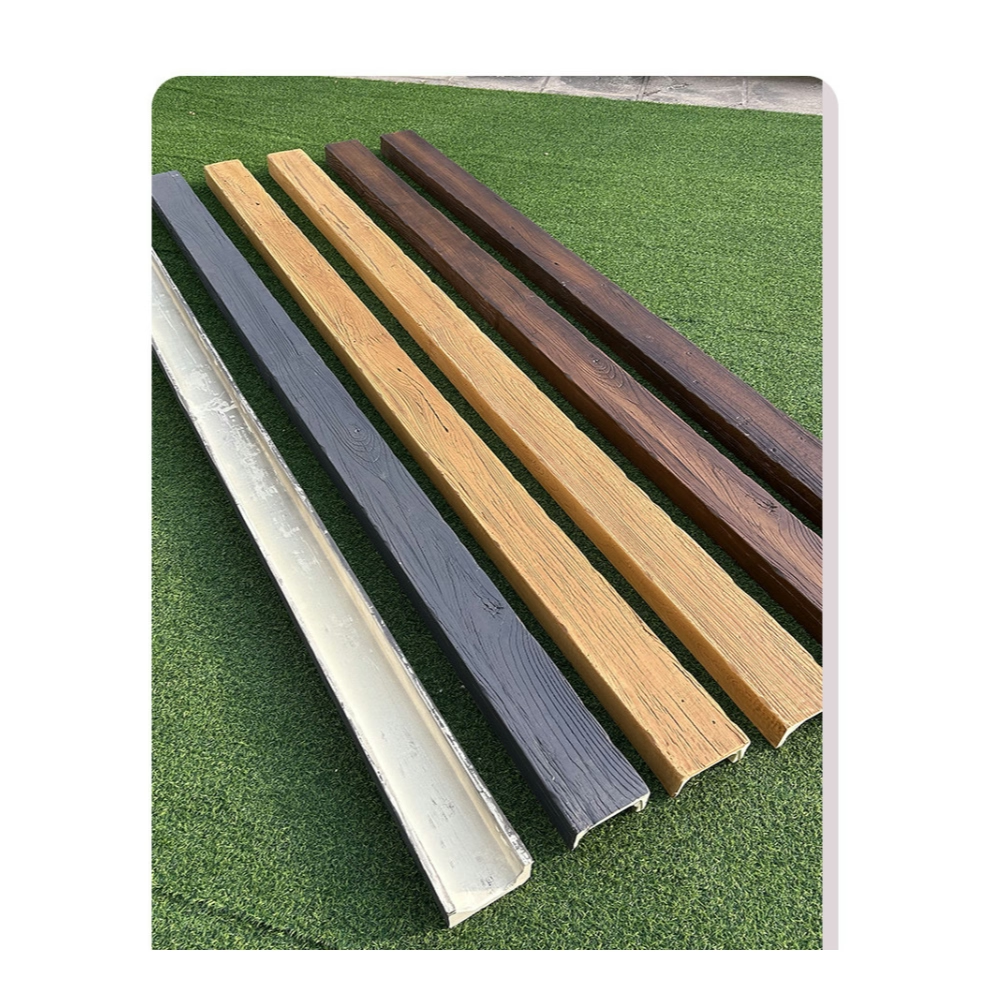
The Premium Advantage in Timber Simulation
The realistic timber simulation that premium high-density foam beams achieve represents substantial manufacturing investment that economy products cannot justify. This investment manifests in every aspect of appearance quality.
Reference material development begins with extensive sampling of genuine timber to understand the full range of characteristics that authentic species exhibit. Premium manufacturers maintain reference collections that inform mold development, color matching, and texture specification. This foundation in authentic material ensures that simulation begins with accurate understanding.
Mold production for premium products involves multiple refinement stages that progressively improve accuracy. Initial impressions undergo evaluation against reference materials, with subsequent iterations addressing any observed discrepancies. This iterative process continues until reproduction achieves satisfactory authenticity.
Quality control for appearance verification operates alongside structural quality assessment. Each beam undergoes visual inspection against acceptance standards that ensure consistent authenticity across production. Beams that fail appearance standards despite meeting structural requirements receive appropriate disposition rather than reaching customers.
Premium high-density foam faux beams demonstrate that manufactured products can achieve authenticity that natural materials cannot consistently provide. Their consistent quality, enhanced durability, and realistic timber simulation represent the state of the art in manufactured wood alternatives. For projects demanding authentic appearance without authentic limitations, these beams provide the realistic timber simulation that specifications require.
Technical References
ASTM standards cited in every specification
Test Data
Lab results from internal testing program
Updated 2026
Reviewed against current product specs