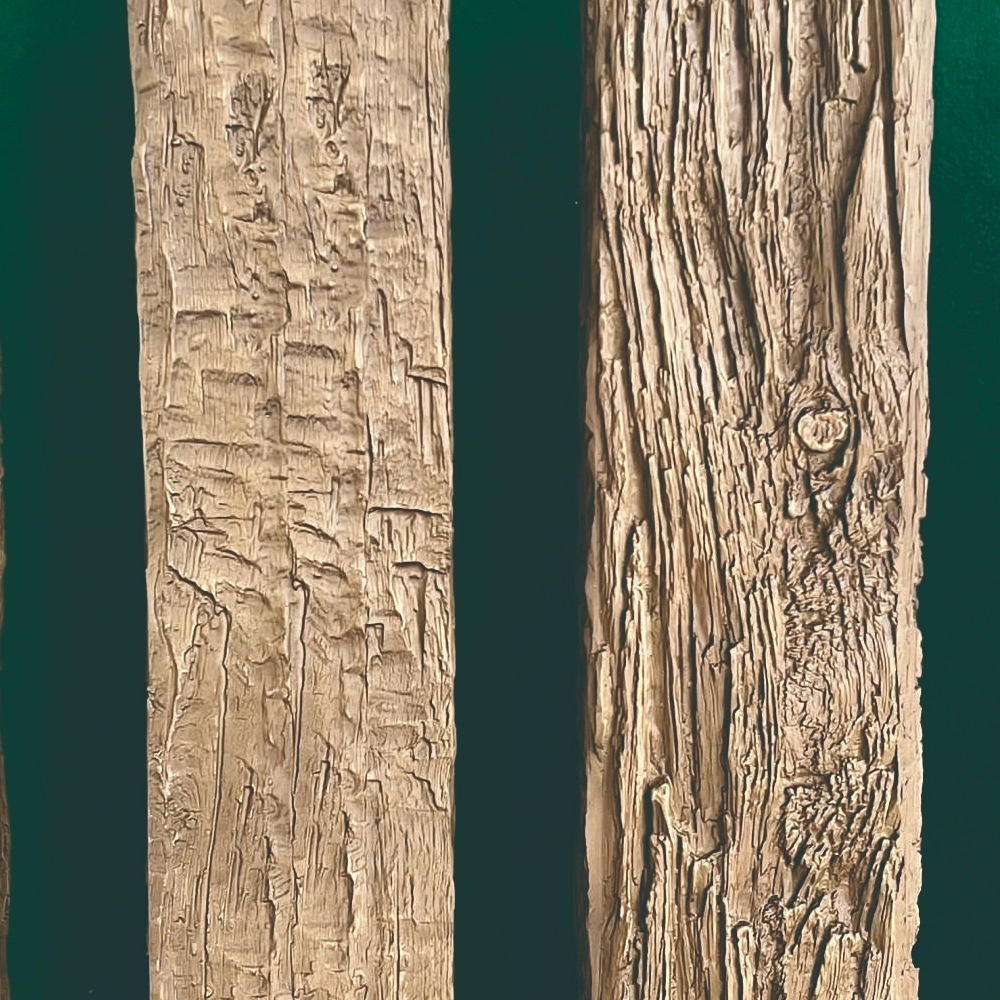
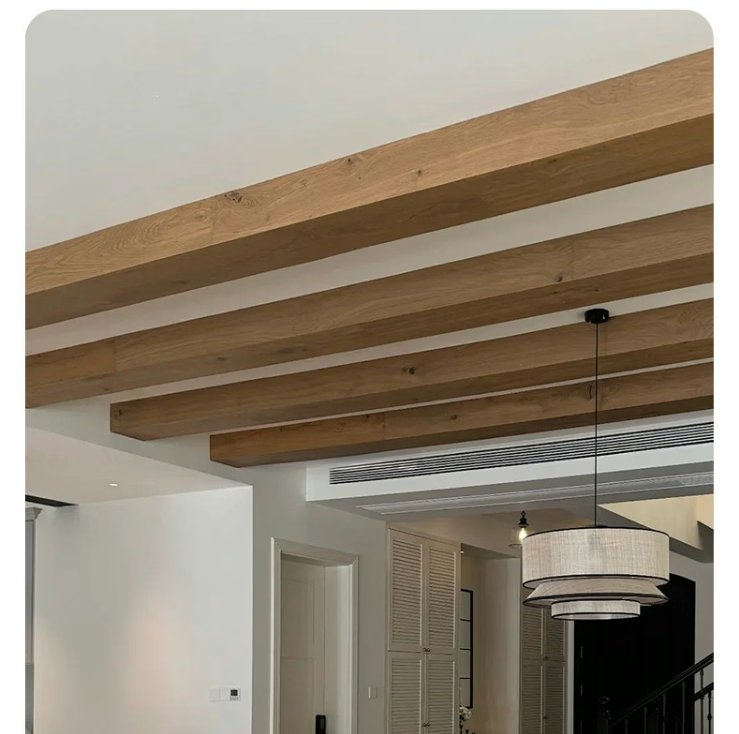
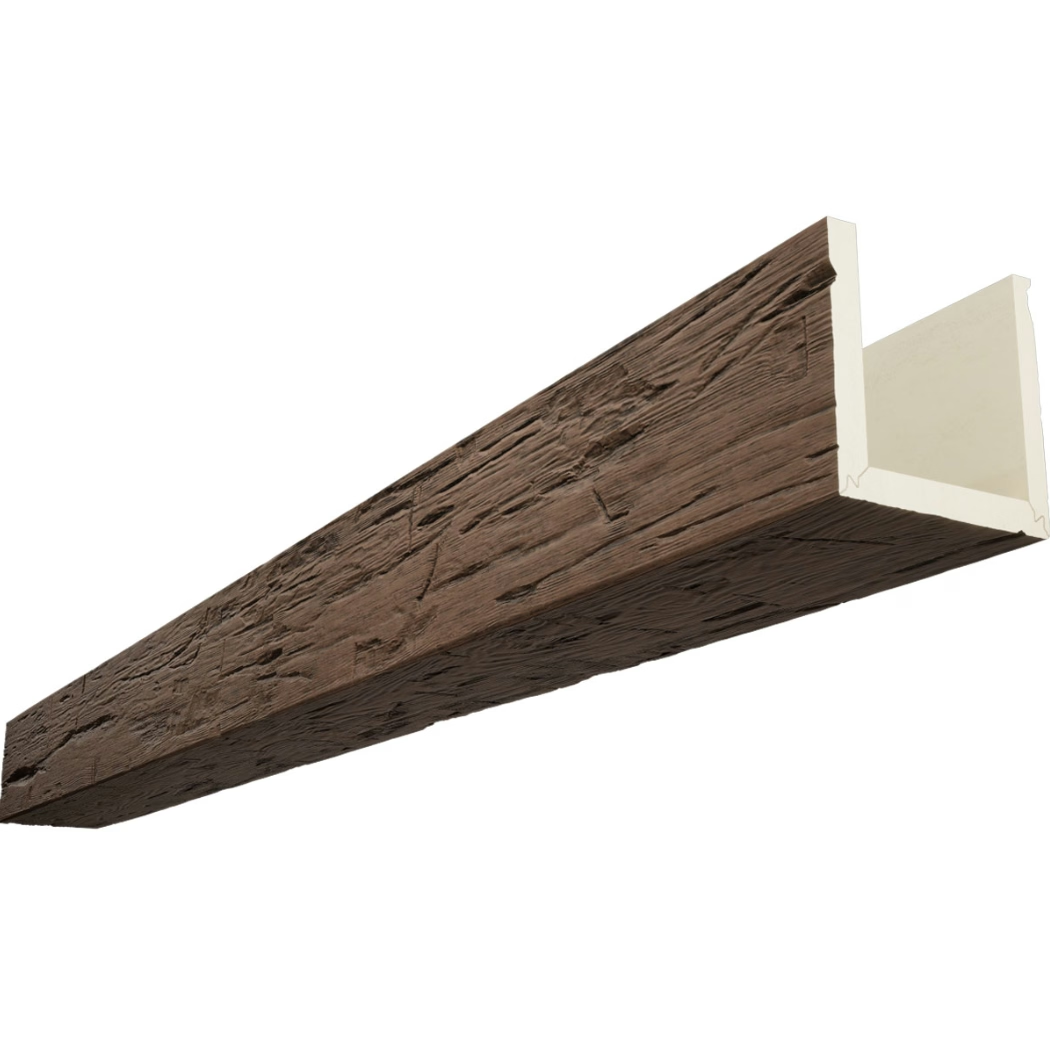
The vocabulary of interior architecture includes numerous terms that communicate specific aesthetic intentions and quality expectations. When architects specify "high-grade" materials for interior finishing, they communicate requirements extending beyond mere visual appeal to encompass durability, consistency, and appropriate performance characteristics for intended applications. Premium polyurethane beams satisfy these requirements comprehensively, earning their place in specifications across residential and commercial projects worldwide.
Architectural finishing serves purposes beyond decoration, though aesthetic considerations certainly drive many material selections. The ceiling plane presents opportunities for introducing visual interest, establishing style continuity, and creating focal points that guide occupant attention through carefully designed spatial compositions. Beams contribute significantly to these objectives while simultaneously addressing practical concerns including structural expression, lighting integration, and acoustic management.
The evolution of polyurethane technology has produced materials sophisticated enough to satisfy the most demanding architectural vision. Contemporary products bear little resemblance to early synthetic alternatives that prioritized cost reduction over quality. Modern premium offerings represent carefully engineered solutions that address specific requirements identified through collaboration between manufacturers and design professionals.

Material Properties Relevant to Interior Applications
Density specification determines fundamental characteristics that architects must consider during material selection. High-density polyurethane formulations provide the substance and visual weight that authentic architectural applications require. The tactile quality of a dense material differs noticeably from lighter alternatives, contributing to the perception of quality that distinguishes premium interiors from budget implementations.
Surface hardness affects both visual appearance and practical durability in interior applications. Premium formulations resist scratching and impact damage that would compromise appearance in high-traffic areas or locations subject to furniture contact. This resilience proves particularly valuable in hospitality environments where furniture movement and daily use create conditions that quickly degrade softer materials.
Thermal stability ensures that interior beams maintain dimensions and appearance despite temperature variations occurring within conditioned spaces. Unlike natural wood that responds to humidity changes, polyurethane maintains its original dimensions regardless of atmospheric conditions. This stability eliminates the seasonal adjustments and repair work that timber beams sometimes require, preserving design intent throughout the year.
Design Integration Considerations
Ceiling geometry influences beam specification decisions significantly. Vaulted ceilings accommodate dramatic beam installations that become primary design elements, while flat ceilings often feature beams as accent treatments that add visual interest without overwhelming existing architecture. Understanding how specific beam profiles interact with ceiling geometry enables architects to achieve intended effects while avoiding missteps that require costly corrections.
Lighting integration represents a critical opportunity in beam design implementation. Premium polyurethane materials accept routed channels and recessed areas that accommodate track lighting, pendant fixtures, and indirect illumination systems. Strategic placement of lighting elements within or adjacent to beams creates layered effects that enhance spatial perception while providing functional illumination for occupant activities.
The relationship between beams and other interior elements requires thoughtful coordination. Wall finishes, flooring materials, furniture selections, and architectural millwork all interact with ceiling beam treatments. Architects who develop comprehensive material palettes that consider these relationships achieve interiors with coherent visual identities rather than collections of unrelated components.
Quality Indicators and Specification Guidance
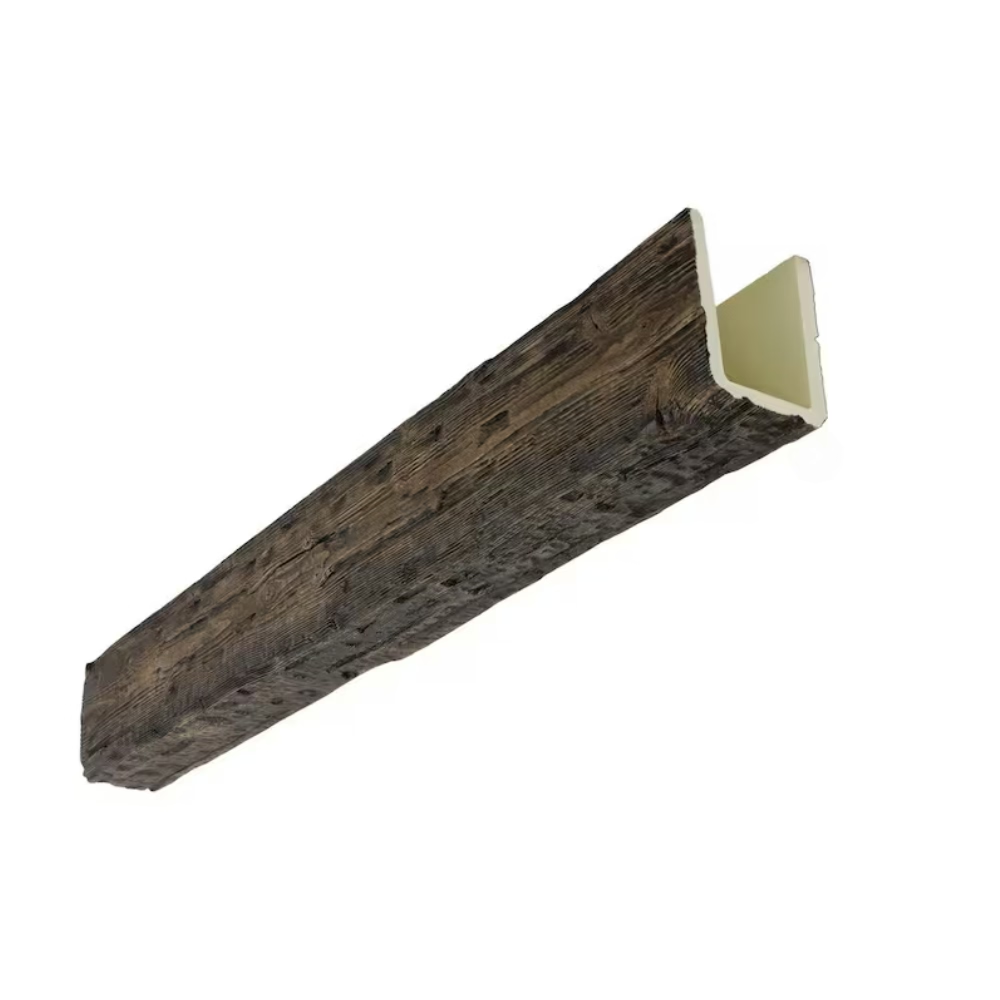
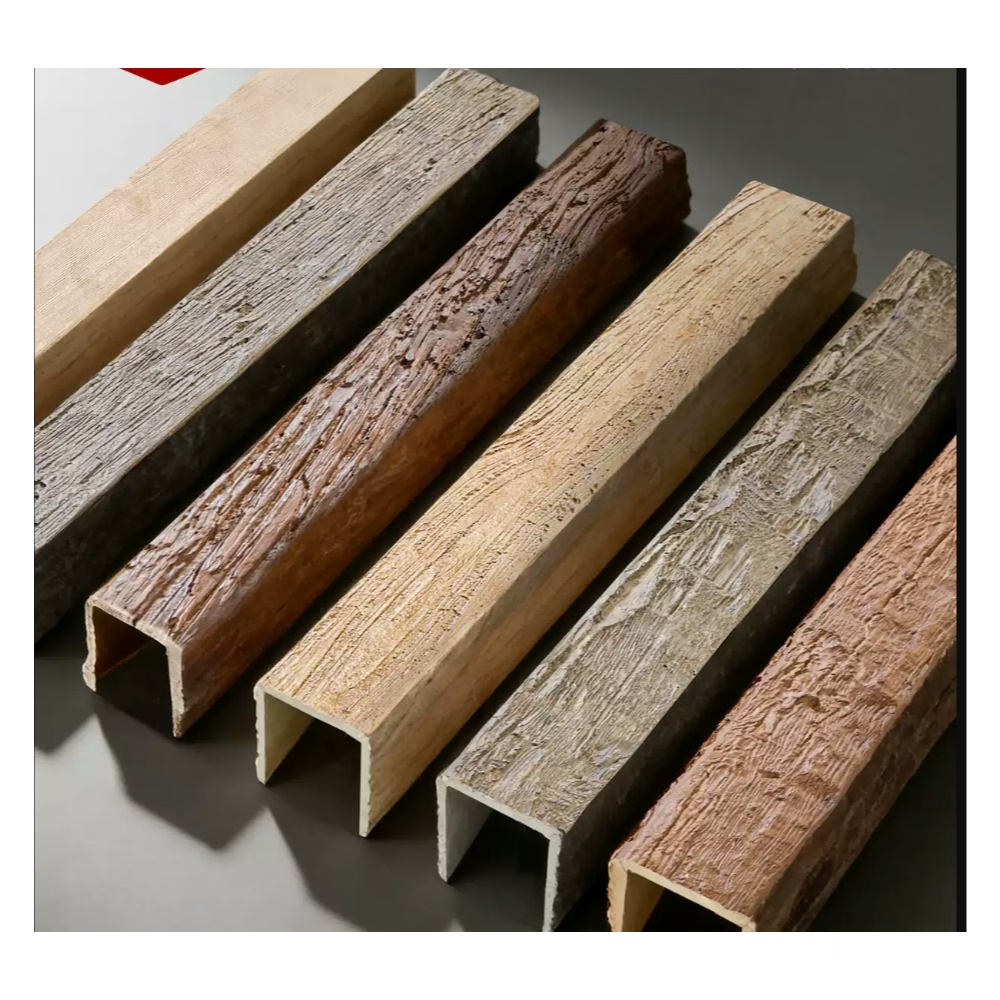
Wall thickness specifications provide useful guidance when evaluating beam quality for architectural applications. Beams with adequate wall thickness resist flexing and maintain authentic appearance under various viewing conditions. Thin-walled alternatives may appear adequate initially but often develop problems including oil-canning effects and visible deflection that compromise installation quality.
Joint construction methods affect long-term performance in multi-piece installations. Premium manufacturers design beam profiles that accommodate thermal movement while maintaining seamless appearance at connections. Quality indicators include properly designed expansion joints, concealed fastening systems, and attention to detail at mitered corners and beam intersections.
Finish quality distinguishes premium products from budget alternatives. The best manufacturers apply finishes uniformly across entire beam surfaces, including interior cavities and concealed areas. This comprehensive finishing approach ensures that any cutting or drilling during installation reveals surfaces that match original appearance, enabling clean details that withstand scrutiny.
Performance in Diverse Interior Environments
Residential interiors present conditions that premium beams handle admirably. Bedrooms, living rooms, and dining spaces benefit from the warmth and character that authentic-looking beams contribute while avoiding the moisture-related problems that affect natural wood in kitchens and bathrooms. Polyurethane performance in these spaces proves reliable across decades of use without special maintenance requirements.
Commercial interiors subject materials to demands exceeding residential expectations. Retail environments experience频繁 furniture repositioning and display changes that risk impact damage. Office spaces undergo regular reconfiguration as organizational needs evolve. Premium polyurethane beams withstand these conditions while maintaining appearance that supports professional environments.
Hospitality installations present unique challenges including high humidity, frequent cleaning, and constant public exposure. Hotels, restaurants, and entertainment venues require materials that perform reliably under scrutiny from discriminating guests while surviving the operational realities of commercial use. Polyurethane beams specified for these applications demonstrate the resilience that demanding environments require.

Long-Term Value Considerations
The initial specification cost of premium materials often concerns project managers operating within tight budgets. However, lifecycle cost analysis frequently favors higher-quality products when considering extended service periods and reduced maintenance requirements. Beams that maintain appearance for decades without refinishing or replacement deliver superior return on investment compared to alternatives requiring periodic attention.
Warranty coverage reflects manufacturer confidence in product performance. Premium suppliers provide warranties extending five years or longer, ensuring that building owners receive protection against manufacturing defects that might otherwise create unexpected expenses. These warranty protections provide valuable assurance that justifies specification of established brands with proven track records.
Resale value enhancement represents an often-overlooked benefit of quality interior finishes. Properties featuring premium architectural details command higher market values than comparable properties with budget treatments. Beams that contribute to sophisticated interior aesthetics provide ongoing returns through enhanced property values that exceed their original cost differential.
Installation Excellence and Contractor Selection
Achieving design intent requires installation practices matching material quality. Contractors experienced with premium polyurethane beams understand the specific requirements that successful installations demand. These professionals recognize the importance of proper support systems, appropriate fastening methods, and attention to alignment that distinguishes excellent installations from merely adequate ones.
Specification documents should clearly communicate quality expectations and installation standards. Detailed drawings showing beam placement, connection details, and adjacent material relationships help contractors understand project requirements before beginning work. This clarity reduces misinterpretations and costly corrections that arise from ambiguous communication.
Site preparation influences installation quality significantly. Building conditions including framing alignment, moisture levels, and adjacent material status affect how beams perform after installation. Professional contractors assess these conditions before beginning work, addressing problems that might compromise results and ensuring that environments support successful installations.
The architectural specification of premium polyurethane beams represents a commitment to quality that building owners and occupants appreciate throughout the service life of interior spaces. These materials enable the creation of sophisticated environments that support occupant wellbeing while demonstrating the attention to detail that characterizes exceptional architecture.
Technical References
ASTM standards cited in every specification
Test Data
Lab results from internal testing program
Updated 2026
Reviewed against current product specs