Exterior architecture presents challenges distinct from interior applications, with weather exposure creating demands that indoor specifications simply cannot address. Architects seeking to incorporate beam elements into facades, porches, and outdoor living spaces confront the fundamental incompatibility between natural wood and environmental conditions. The solution emerges through premium polyurethane formulations specifically engineered for exterior durability without sacrificing the authentic appearance that makes wood aesthetically desirable.
The porch ceiling represents one of the most common exterior applications where beams transform utilitarian structures into polished architectural compositions. TraditionalBuilders once specified natural wood for these applications, accepting the maintenance burden that accompanied the choice. Contemporary projects increasingly specify polyurethane alternatives that maintain pristine appearance indefinitely while eliminating the staining, sealing, and repair cycles that wood requires.
Commercial exterior applications demonstrate the scale possibilities that polyurethane technology enables. Restaurant patios, hotel entrance sequences, and retail storefronts benefit from beam installations that contribute warmth and character without the deterioration concerns that plague natural materials. These installations succeed despite constant exposure to sun, rain, and temperature extremes that quickly degrade lesser products.

Weather Resistance Engineering
Premium exterior-rated polyurethane incorporates UV inhibitors that prevent the degradation affecting unprotected materials. Sunlight exposure breaks down molecular structures in inferior products, causing chalking, discoloration, and surface erosion that compromise appearance within seasons. UV-stable formulations maintain surface integrity and color consistency despite years of solar exposure, preserving design intent across extended service periods.
Moisture resistance eliminates the吸水膨胀 and rot concerns that limit natural wood applications. Polyurethane absorbs no water, preventing the swelling, warping, and deterioration that occur when timber absorbs rainfall or ambient humidity. This characteristic proves particularly valuable in humid climates where wood degradation proceeds rapidly, and in coastal applications where salt spray accelerates material breakdown.
Thermal cycling resistance addresses the expansion and contraction stresses that occur as materials heat and cool throughout daily and seasonal cycles. Exterior beam installations experience temperature variations far exceeding interior conditions, with direct sun exposure creating significant thermal loads. Premium polyurethane accommodates these stresses without cracking, splitting, or delaminating that damage lesser products.
Aesthetic Realism for Exterior Applications
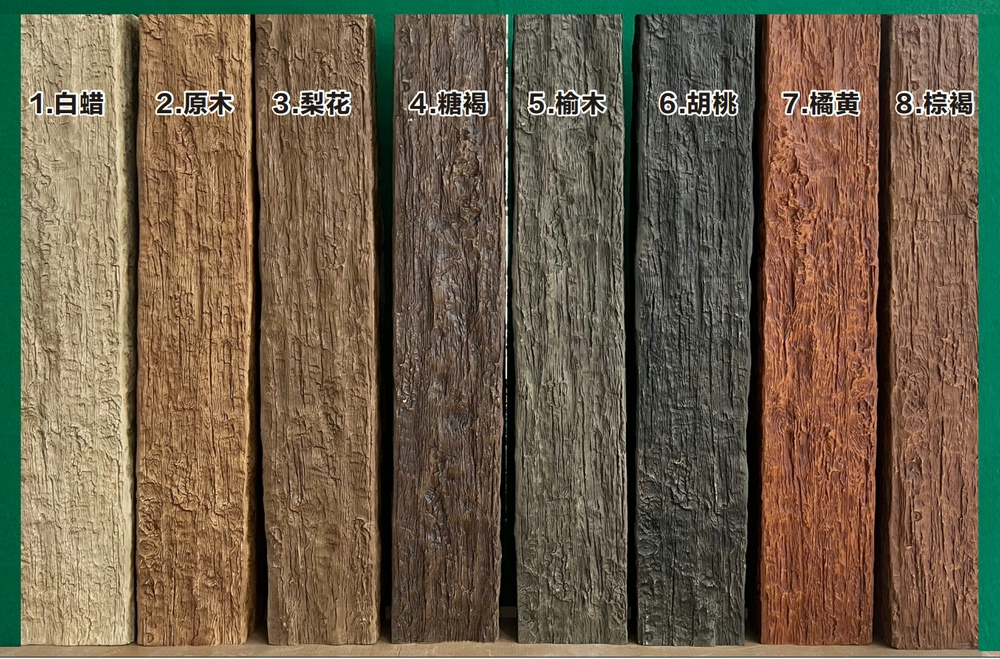
Surface texture reproduction has advanced to the point where polyurethane convincingly replicates weathered wood appearances appropriate for exterior contexts. The subtle checking patterns, greyed tones, and worn surfaces characteristic of aged exterior wood translate effectively into molded polyurethane reproductions. This capability enables architects to specify appropriately weathered aesthetics without waiting years for natural materials to develop desired patinas.
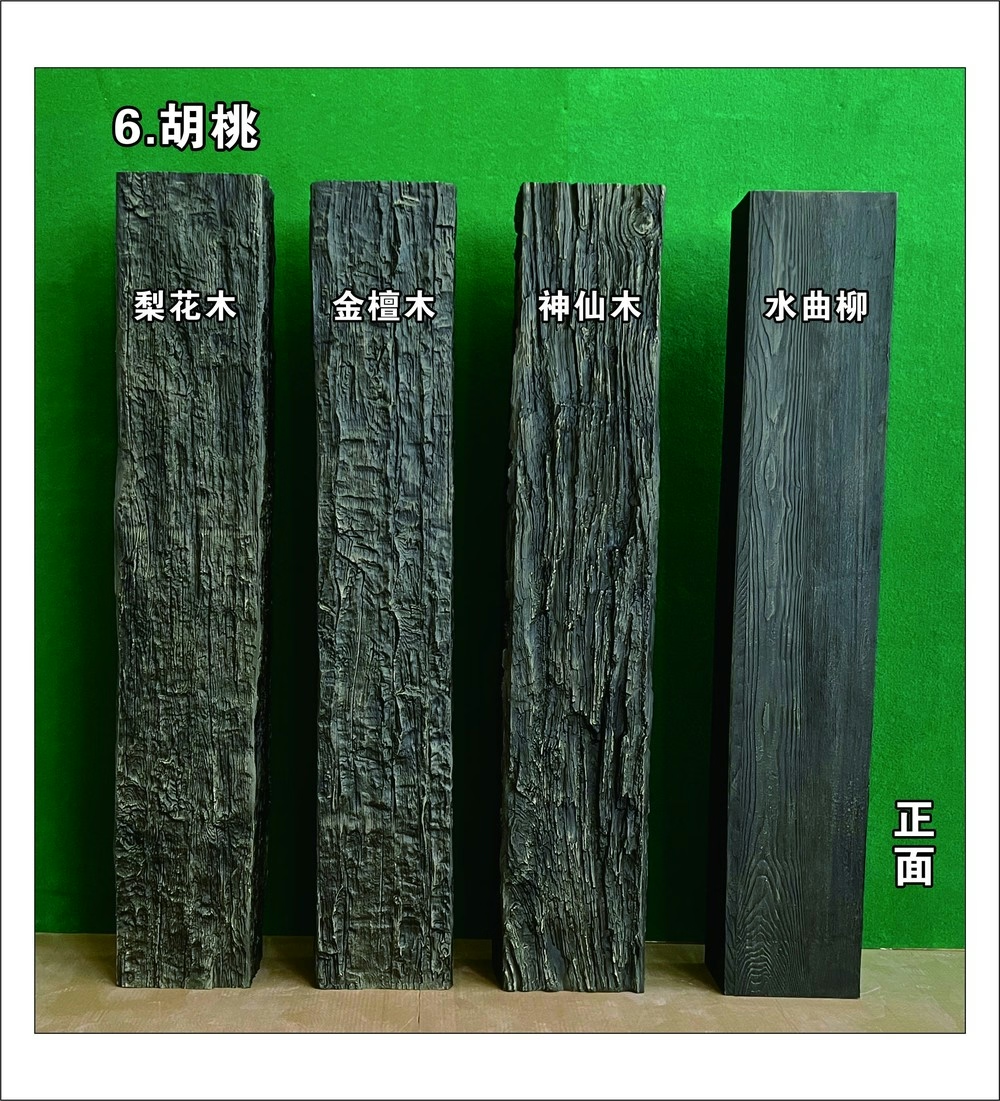
Grain pattern variety ensures that installations avoid the repetition that betrays manufactured origins. Premium manufacturers employ multiple master patterns and careful color variation within products to create visual diversity matching natural wood installations. Extended beam runs incorporate varied grain patterns that prevent the monotony resulting from repeated identical textures.
Detail fidelity at edges and ends distinguishes premium products from budget alternatives. The transitions between surfaces, the definition of corners, and the crispness of profiled edges all affect perceived authenticity. High-quality molds capture these details precisely, enabling polyurethane products that withstand close inspection from pedestrians and visitors approaching buildings.
Structural Considerations for Exterior Installation
Support requirements for exterior beams differ somewhat from interior applications due to wind loading and thermal movement considerations. Engineers specifying beam installations for facades and overhangs must account for these additional forces when designing attachment systems. Premium manufacturers provide load data and installation guidelines that enable proper engineering of exterior support structures.
Fastener selection requires attention to corrosion resistance in exterior environments. Stainless steel and coated fasteners prevent the staining and deterioration that occur when dissimilar metals contact in moist conditions. The specification of appropriate hardware ensures that attachment systems remain secure throughout the service life of beam installations without creating maintenance requirements.
Drainage considerations affect exterior installations in ways that interior applications do not encounter. Water that contacts beam surfaces must be directed away from building envelope components to prevent moisture damage to underlying structures. Proper flashing, sloping, and clearance from adjacent materials ensures that beams contribute to rather than compromise building water management systems.

Maintenance and Long-Term Performance
Exterior beam maintenance requirements should inform initial specification decisions significantly. Natural wood demands regular attention including cleaning, staining, sealing, and occasional repair to maintain appearance and structural integrity. Polyurethane alternatives require only occasional cleaning to remove accumulated dirt and debris, with no refinishing or sealing ever needed.
Inspection protocols for exterior installations should verify continued secure attachment and absence of damage. Annual examinations checking fastener condition, surface appearance, and drainage function help identify developing issues before they escalate into significant problems. This minimal maintenance investment preserves installation quality across decades of service.
Repair capabilities for damaged beams differ from natural wood situations. Unlike timber that can be patched, filled, or spliced, damaged polyurethane typically requires component replacement. However, the impact resistance of premium formulations reduces damage probability significantly compared to natural wood, and the consistency of manufactured products ensures that replacement pieces match existing installations perfectly.
Application Types and Design Strategies
Covered porch ceilings represent ideal applications for exterior beam treatments. The overhead plane of porches benefits from the visual interest that beams provide while enjoying some protection from direct precipitation. Polyurethane installations in these locations achieve long service life while delivering the aesthetic transformation that distinguishes well-designed porches from basic structures.
Gazebo and pergola construction offers opportunities for beam integration that extend beyond ceiling treatments. Structural members, decorative brackets, and trim elements can all incorporate polyurethane components that match or complement beam installations. This comprehensive approach creates cohesive visual identities for outdoor structures while maximizing the durability advantages that synthetic materials provide.
Commercial facade applications require careful coordination between beam installations and building envelope systems. Storefronts, restaurant exteriors, and hospitality entries benefit from beam treatments that establish distinctive identities while maintaining weather resistance essential for commercial applications. Premium polyurethane enables these installations to perform reliably despite constant public exposure and environmental stress.
Climate-Specific Considerations
Humid subtropical climates present extreme challenges for exterior materials due to persistent moisture and warm temperatures that accelerate degradation processes. Polyurethane formulations selected specifically for these conditions perform reliably where natural wood fails within years. The investment in premium exterior-rated products pays dividends in these challenging environments through extended service life and reduced maintenance burden.
Cold climate applications must address freeze-thaw cycling that damages many materials through ice formation in porous substrates. Polyurethane's closed-cell structure prevents water infiltration that causes freeze-thaw damage, enabling reliable performance in northern climates where winter conditions test material durability severely. Installations in ski resorts, northern residential communities, and cold-weather commercial developments benefit from this characteristic.
Coastal installations face salt exposure that accelerates corrosion and material degradation. Premium polyurethane resists salt spray damage that quickly compromises natural wood and many synthetic alternatives. Beachfront properties, marina facilities, and coastal commercial developments achieve durable, attractive beam installations that survive conditions that destroy competing products.
The specification of premium polyurethane decorative beams for exterior applications represents an investment in long-term performance and reduced maintenance burden. These materials enable architectural visions that natural wood cannot reliably achieve in outdoor environments while providing the authentic aesthetics that make wood-look elements desirable in the first place.
Technical References
ASTM standards cited in every specification
Test Data
Lab results from internal testing program
Updated 2026
Reviewed against current product specs


