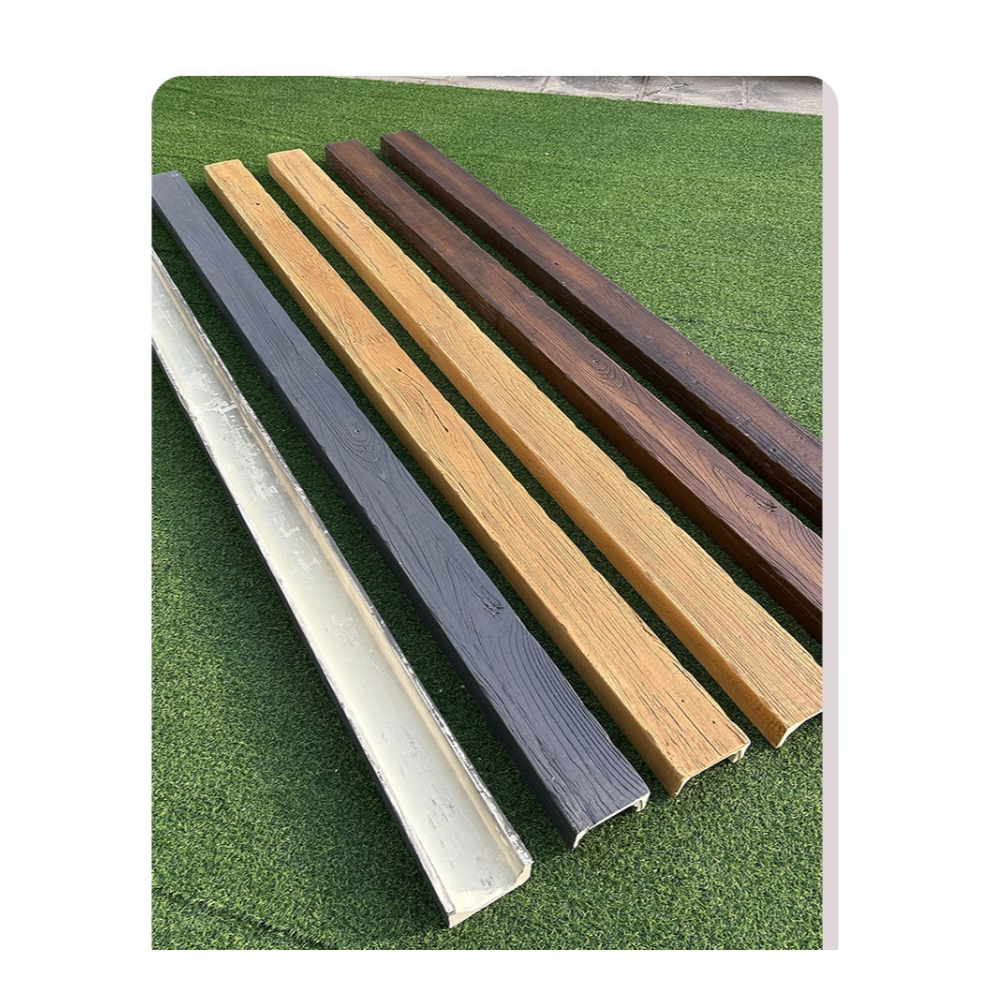
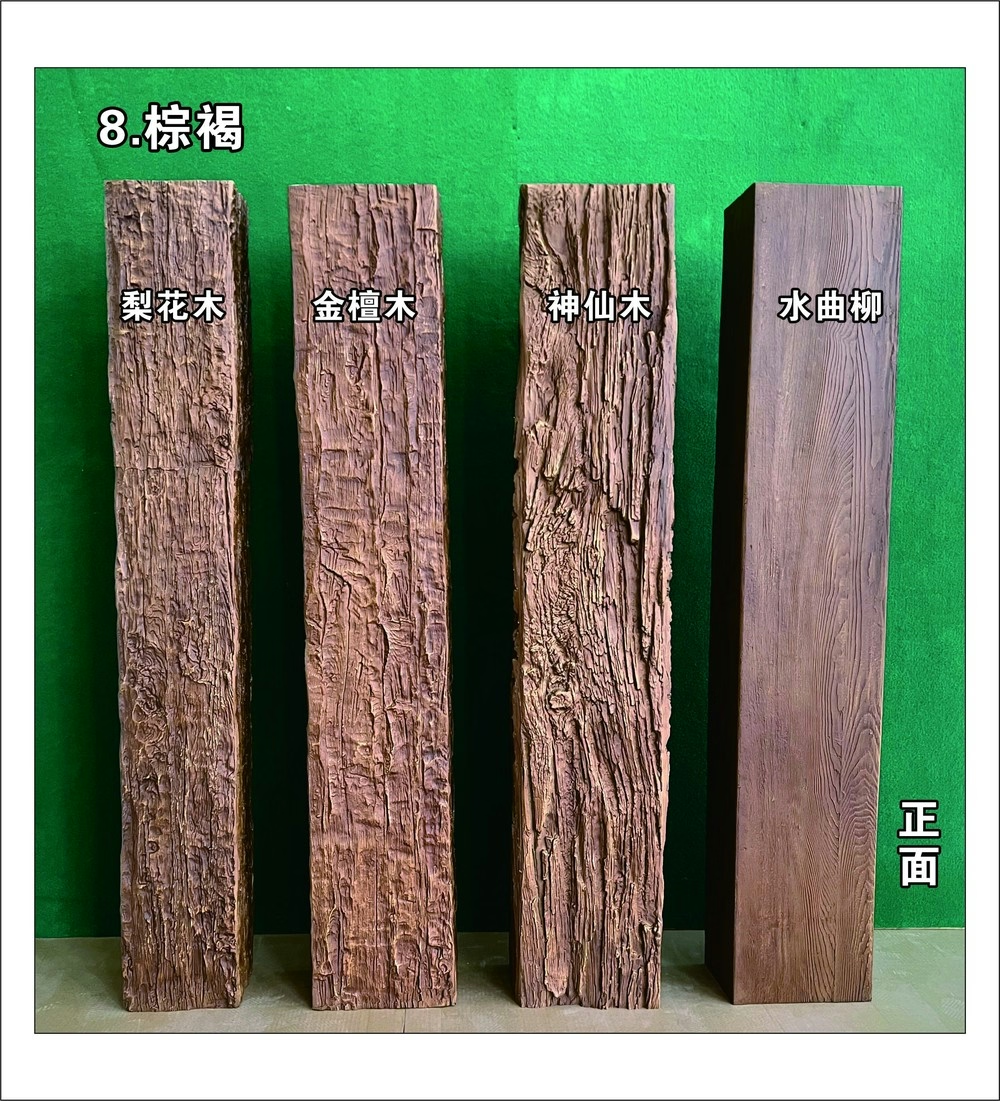
Interior renovation spans a remarkable range of scope, from freshening tired spaces with updated finishes to fundamentally restructuring room layouts and ceiling configurations. The common thread connecting these varied endeavors involves decisions about materials that will define renovated spaces for years to come. Premium polyurethane faux beams accommodate this spectrum through qualities that serve projects at every point along the renovation complexity continuum.
Budget renovation projects benefit from the cost efficiency that polyurethane technology enables. These materials deliver visual impact exceeding their cost, allowing limited budgets to achieve appearances that would require significantly greater investment using natural alternatives. The value proposition proves particularly compelling when renovation scope includes multiple rooms or extensive ceiling areas.
Major renovation undertakings demanding high-quality results find polyurethane beams meeting elevated expectations without compromise. The manufacturing precision, material consistency, and aesthetic quality satisfy professional standards that quality-conscious clients require. This combination of accessibility and excellence explains the broad appeal that polyurethane has achieved across renovation markets.

Scope-Based Renovation Strategies
Minor updates involving fresh paint, updated fixtures, and refreshed accessories benefit from beam additions that introduce new focal points without extensive construction work. These modest interventions achieve disproportionate impact through the visual weight that beams contribute. A living room ceiling that feels unremarkable suddenly commands attention when complemented beams provide.
Moderate renovation projects involving flooring replacement, wall treatment updates, and fixture modernization can incorporate beam installations as integral design elements. These mid-range undertakings often represent ideal opportunities for beam specification, with ceiling treatment completing comprehensive visual refreshes that achieve dramatic results.
Extensive renovations involving structural changes, layout modifications, and significant reconfiguration accommodate beams as major architectural components. Cathedral ceiling creation, room combination, and structural opening expansion often include beam specifications that express the new architectural character these projects achieve. The installation coordination required for these ambitious renovations proves manageable with proper planning.
Style Accommodation Across Renovation Contexts
Traditional renovation approaches seeking period-appropriate treatments find authentic-feeling options through premium manufacturers. Victorian, Craftsman, Colonial, and farmhouse aesthetics each have corresponding beam profiles that reference historical precedents accurately. These style-specific offerings enable renovations that satisfy knowledgeable observers who recognize stylistic authenticity.
Contemporary renovation projects seeking modern results find beam options emphasizing clean lines, geometric precision, and minimal ornamentation. These profiles avoid the decorative excess that traditional profiles sometimes introduce, supporting minimalist spatial compositions that define contemporary interior design.
Transitional renovations blending traditional and contemporary elements require versatile beam options that bridge these aesthetic territories. Beams with refined profiles but substantial presence work effectively in spaces that balance classic comfort with modern sensibility. This flexibility enables renovations that accommodate diverse household preferences without forcing stylistic extremes.
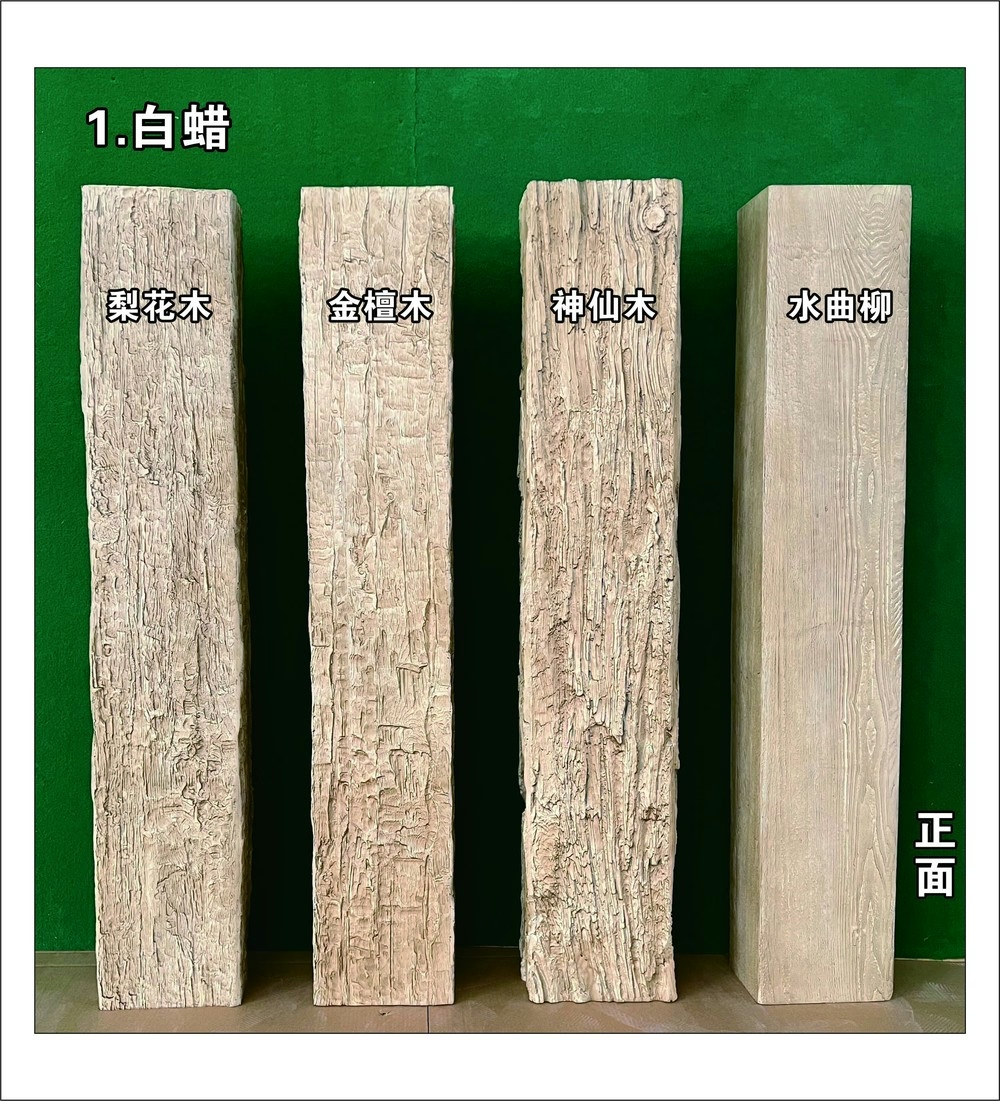
Technical Considerations for Renovation Applications
Existing ceiling conditions affect beam installation approaches significantly. Flat ceilings accommodate surface-mounted installations that require minimal preparation, while sloped, vaulted, or complex ceiling geometries may require custom mounting solutions. Premium suppliers provide technical guidance for these varying conditions.
Weight considerations in renovation contexts favor polyurethane alternatives over natural wood significantly. The lighter mass of synthetic materials reduces structural demands that existing ceiling framing may not satisfy. This weight advantage simplifies installation while eliminating concerns about overloading existing structure.
Clearance requirements for surface-mounted beams affect installation feasibility in spaces with limited overhead clearance. Beams sized inappropriately for small rooms can overwhelm proportions and interfere with door swings, fixture placements, and occupant movement. Thoughtful sizing ensures that beams enhance rather than complicate renovation outcomes.
Budget Optimization Strategies
Material cost comparison between polyurethane and natural wood reveals consistent advantages for the synthetic alternative. The elimination of premium wood species pricing, specialized finishing requirements, and heavy-duty mounting systems produces total project costs below natural material alternatives.
Labor cost differences favor polyurethane through simplified installation requirements. Single-worker handling capability, standard tool compatibility, and forgiving fastening systems reduce installation time compared to natural wood alternatives. These labor savings often exceed material cost differences, producing net project savings.
Maintenance cost projection over extended service periods further favors polyurethane. The absence of refinishing requirements, damage susceptibility, and age-related deterioration eliminates ongoing costs that natural materials generate. Lifetime cost analysis confirms the economic advantages that initial pricing comparisons suggest.
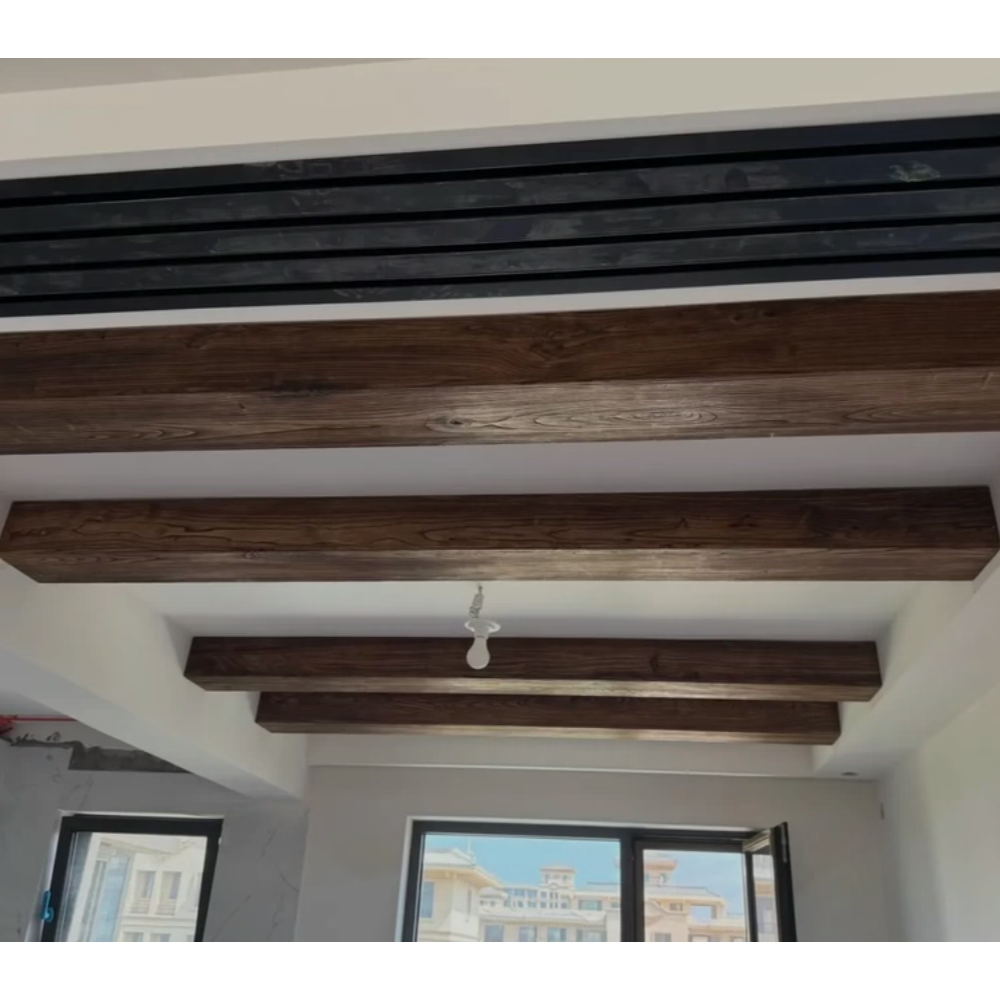
Renovation Phase Integration
Planning phase beam decisions enable integration with other renovation activities that improve overall project outcomes. Coordinating beam specification with flooring, wall treatment, and fixture selections produces cohesive results that random material choices cannot achieve. This integrated planning approach requires early beam consideration but rewards effort through superior final results.
Ordering timing affects renovation logistics significantly. Beams ordered early in renovation schedules allow delivery before installation phases begin, eliminating delays that material unavailability sometimes causes. The lead time required for non-standard sizes and custom finishes should inform scheduling decisions that ensure materials arrive when needed.
Installation sequencing within renovation workflows varies based on project-specific conditions. Some renovations benefit from beam installation before finish work proceeds, while others find later installation after painting and flooring completion reduces damage risk. This sequencing flexibility enables optimization for specific project circumstances.

Common Renovation Applications
Kitchen renovations frequently incorporate beam treatments in adjacent dining areas and breakfast rooms even when kitchen ceilings receive different treatments. This selective approach adds architectural character where it contributes most while accommodating the functional requirements that kitchen ceilings present.
Bathroom renovations require attention to moisture conditions that affect material selection. Premium polyurethane formulations resist moisture damage that affects natural wood in these challenging environments. The ability to specify polyurethane beams for bathroom applications eliminates the hesitation that moisture concerns create for natural material specification.
Basement renovation projects present climate challenges that polyurethane handles effectively. The humidity fluctuations common in below-grade spaces create conditions that damage natural wood through moisture absorption and subsequent drying. Polyurethane maintains appearance despite these variations, making it ideal for basement ceiling treatments.
Professional Versus DIY Considerations
Skilled DIY renovators can successfully install polyurethane beams in straightforward applications with proper preparation and attention to manufacturer guidelines. The forgiving nature of these materials tolerates minor errors that would compromise natural wood installations. This accessibility enables cost-conscious homeowners to achieve professional-quality results.
Complex renovation applications involving structural modifications, intricate geometries, or high visibility locations often benefit from professional installation. Experienced contractors bring techniques and tools that ensure quality outcomes while reducing installation time that DIY efforts might require. The cost of professional installation frequently proves worthwhile for challenging projects.
Contractor selection for beam installation should prioritize relevant experience that indicates familiarity with these materials. General carpentry competence does not automatically translate to beam installation excellence, making experience verification important during contractor evaluation.
Premium polyurethane faux beams accommodate renovation projects across the complete scope spectrum, from modest updates to comprehensive transformations. The versatility, quality, and value that these materials provide explain their growing presence in renovation specifications nationwide.
Technical References
ASTM standards cited in every specification
Test Data
Lab results from internal testing program
Updated 2026
Reviewed against current product specs