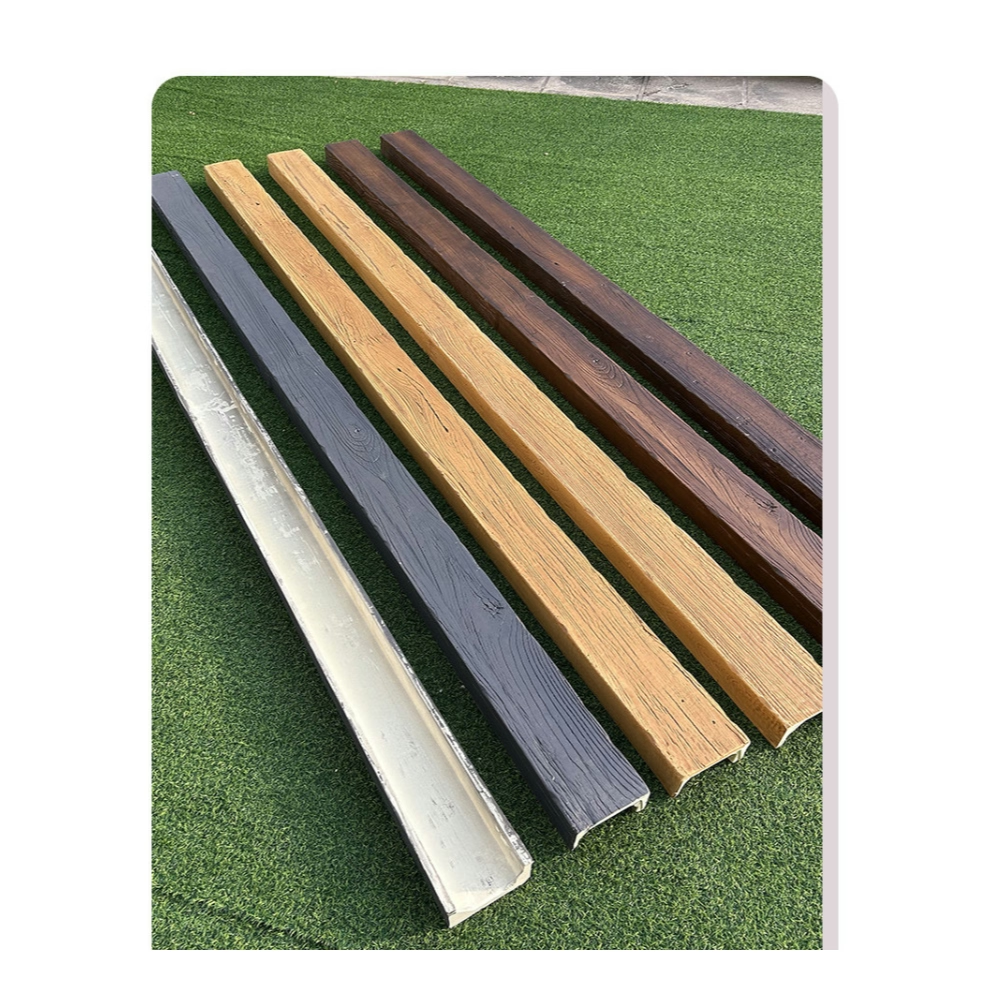
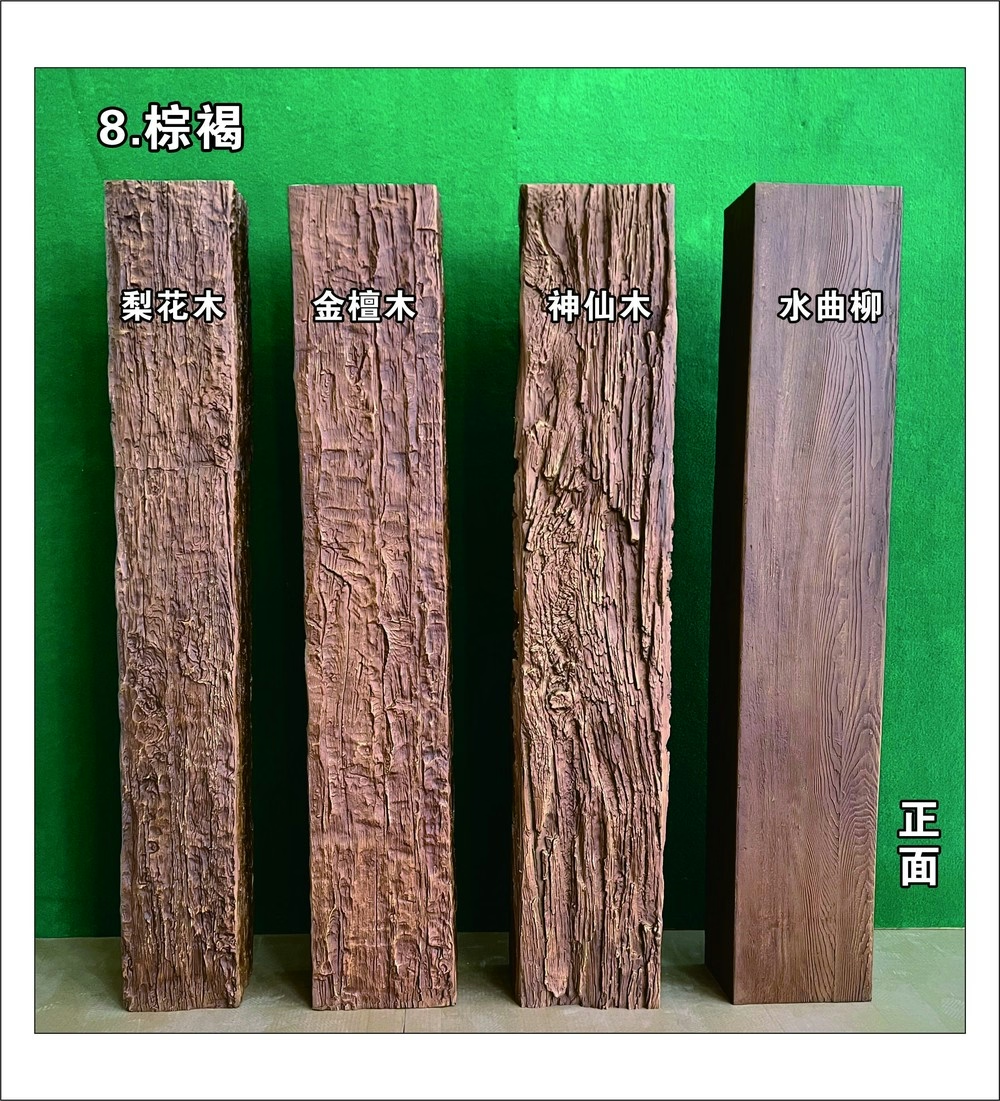
The difference between amateur and professional installations often reveals itself in details that casual observers might overlook. Beam terminations present one such detail category where end caps transform raw cuts into finished presentations that withstand close scrutiny. Premium polyurethane beam end caps serve this finishing function while matching the durability and appearance quality that characterizes the beams they complete.
End cap specification might seem straightforward, yet the variety of available options addresses distinct functional and aesthetic requirements. Exposed end treatments differ from concealed terminations, with each requiring appropriate cap design for successful outcomes. Understanding these options enables specification decisions that serve project requirements precisely.
The integration between end caps and beam bodies requires attention during both product selection and installation execution. Caps that mismatch beam profiles, colors, or textures create visual discontinuities that undermine otherwise quality installations. Premium manufacturers address these integration requirements through coordinated product development that ensures consistent appearance throughout finished installations.

Understanding End Cap Functions
Appearance completion represents the primary function that end caps serve in most applications. Beam terminations at walls, columns, or exposed positions present cut surfaces that require covering for professional presentation. End caps eliminate visible end grain, wood pattern interruptions, and mounting hardware that would otherwise compromise aesthetics.
Protection against moisture infiltration addresses functional requirements in exterior and humid interior applications. The end grain of wood-composite beams absorbs moisture more readily than face surfaces, creating vulnerability that end caps address by sealing these penetrable areas. Premium polyurethane caps provide this protective function while maintaining visual continuity.
Impact protection at vulnerable beam terminations reduces damage risk from furniture contact, equipment handling, and general use. The exposed corners of beam ends experience disproportionate contact that damages unprotected surfaces. End caps absorb impact while protecting the structural beam body from the denting and cracking that unprotected terminations suffer.
End Cap Style Options
Flat-cut end caps present simple planar surfaces at beam terminations, appropriate for installations where beams meet walls or other surfaces at perpendicular angles. These caps mount flush against adjacent materials, creating clean transitions that require minimal trim work. The simplicity of flat-cut designs suits contemporary aesthetics that value geometric clarity.
Angled end caps accommodate non-perpendicular terminations that occur in vaulted ceilings, stair wells, and architectural features with non-standard geometries. These caps require precise angle cutting that matches ceiling slopes or adjacent surface angles exactly. Premium manufacturers provide guidance for measuring and ordering these specialized configurations.
Decorative end treatments incorporate ornamental profiles that enhance beam terminations beyond mere covering. Carved details, molded patterns, and shaped contours add visual interest at these natural termination points. These decorative options suit traditional and transitional aesthetics where detail richness contributes to overall design character.
Material Matching Considerations
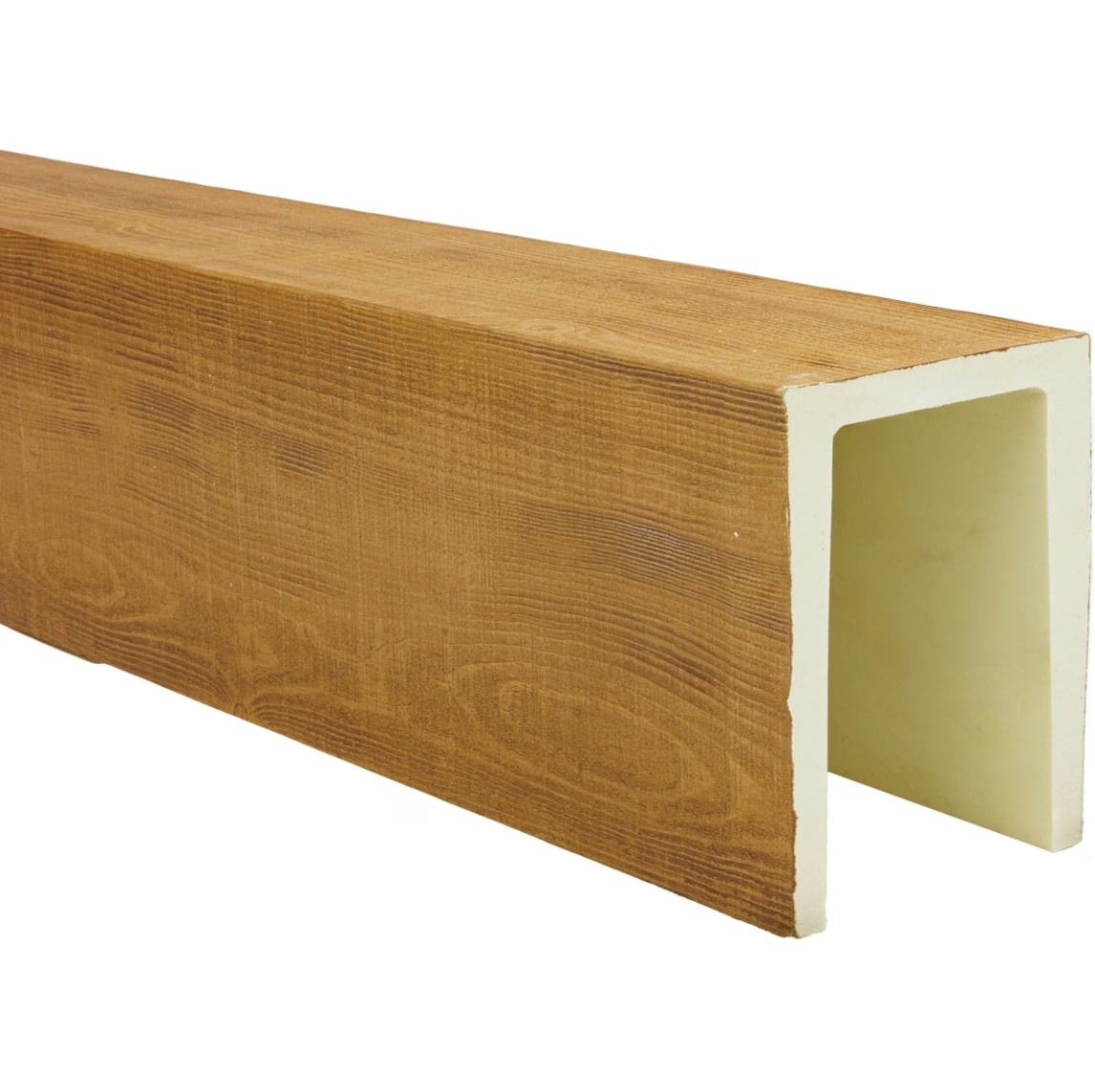
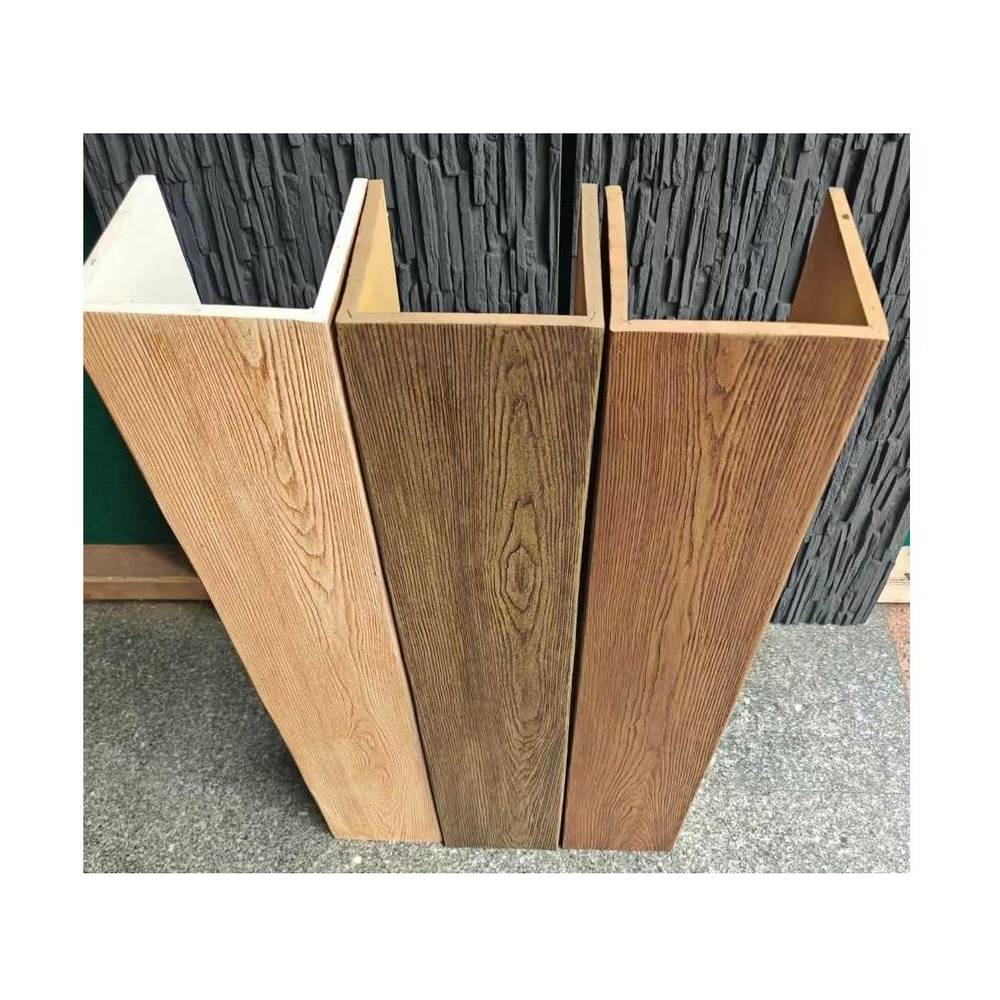
Color matching between end caps and beam bodies requires attention during specification to ensure seamless appearance. Premium manufacturers produce caps in colors matching corresponding beam lines, eliminating the visible seams that mismatched coloration creates. This coordination requires specifying matching products from the same manufacturer.
Texture continuity affects how light interacts with beam surfaces at termination points. Caps with smooth surfaces contrast with textured beam faces, creating visible interruptions that reveal manufacturing boundaries. Premium products incorporate surface textures matching their corresponding beams, ensuring that light behavior remains consistent throughout installations.
Profile matching ensures that end caps align properly with beam cross-sections. The cap interior must accommodate beam dimensions precisely, while the exterior profile must match beam appearance. Premium manufacturers produce caps specifically engineered for their beam products, ensuring proper fit and appearance.
Installation Best Practices
Surface preparation before cap installation ensures durable bonding that survives throughout service life. Clean, dry surfaces free from dust, grease, and loose material accept adhesives more readily than unprepared surfaces. This preparation investment prevents future delamination problems that inadequate adhesion causes.
Adhesive selection affects installation quality significantly, with polyurethane-compatible formulations providing best results. Construction adhesives designed specifically for synthetic materials ensure secure attachment without chemical interactions that might compromise either the cap or the beam. Premium manufacturers often recommend specific adhesive products that they have tested for compatibility.
Clamping during adhesive cure ensures consistent contact that produces strong bonds throughout cap surfaces. The pressure applied during cure should be uniform across entire cap-to-beam interfaces, eliminating voids where debonding might occur. This clamping attention proves particularly important for larger caps that cover substantial surface areas.
Application-Specific Guidance
Exterior beam terminations require end caps formulated for outdoor durability. UV-resistant materials prevent the degradation that affects interior formulations when exposed to sunlight. Moisture-sealing performance must address exterior humidity and precipitation that interior applications do not face.
High-traffic locations demand end caps capable of withstanding repeated contact without visible damage. Impact-resistant formulations protect both caps and underlying beams from the cumulative damage that busy environments impose. This durability proves essential in commercial applications, family rooms, and children's spaces.
Visible termination points at focal areas warrant premium end cap specifications that enhance rather than merely complete beam installations. These prominent positions reward quality attention through enhanced visual presentation that lesser treatments cannot achieve.
Maintenance and Long-Term Care
Periodic inspection should verify continued secure attachment of installed end caps. The adhesive bonds that secure caps can degrade over extended service periods, particularly in challenging environmental conditions. Early detection of loosening enables remediation before caps detach completely.
Cleaning protocols appropriate for corresponding beam surfaces maintain end cap appearance throughout service life. The same cleaning approaches suitable for beam bodies work effectively on end caps, ensuring consistent appearance without special treatment requirements.
Replacement capabilities exist when end caps suffer damage beyond repair. Premium manufacturers continue producing caps for established beam lines, ensuring availability when replacement proves necessary. This product continuity provides security that budget manufacturers cannot match.
The specification and proper installation of premium polyurethane beam end caps completes beam installations with the professional quality that distinguishes excellent work from merely adequate execution. These finishing details reward attention through enhanced aesthetics and durable performance that building occupants appreciate throughout service life.
Technical References
ASTM standards cited in every specification
Test Data
Lab results from internal testing program
Updated 2026
Reviewed against current product specs