The modernism that emerged from early-twentieth-century design movements carried an explicit hostility toward ornament and historical reference. Clean planes, industrial materials, and honest construction defined the aesthetic — and for good reason, given the over-ornamented Victorian interiors that preceded it. Yet the decades since have taught us that pure functionalism, taken to its logical extreme, produces spaces that feel cold and inhospitable. The pendulum has swung, and the most compelling contemporary interiors now embrace material warmth within their modernist frameworks.
This reconciliation of contemporary structure with natural material richness represents one of the defining design movements of the current era. Architects and interior designers speak of warmth, tactility, and naturalness as essential qualities rather than decorative luxuries. The question becomes how to achieve these qualities within the constraints of contemporary construction and the aesthetic preferences of clients who remain committed to clean, uncluttered spatial environments.
PU faux beams answer this question with remarkable directness. They provide the material presence and textural depth of natural timber while respecting the proportional discipline and visual restraint that contemporary design demands. The result is spaces that feel genuinely warm without descending into rustic pastiche or historical pastiche.

The Modernist Constraint and How Beams Resolve It
Contemporary architecture typically operates within a visual language of restraint. Exposed structure is acceptable — even celebrated — but it must read as intentional rather than accidental. Materials present themselves honestly, without applied ornament or historical reference. Colours tend toward neutral bases with a limited accent palette. The overall effect should be one of considered calm rather than visual competition.
Natural timber sits somewhat uncomfortably within this framework. The organic irregularity of genuine wood — its knots, grain variations, and colour inconsistencies — can feel too characterful, too demanding of attention, within a space committed to visual quietude. The solution has often been to specify highly finished, almost abstract wood surfaces: pale oak with barely visible grain, or dark walnut with uniform staining that suppresses natural variation.
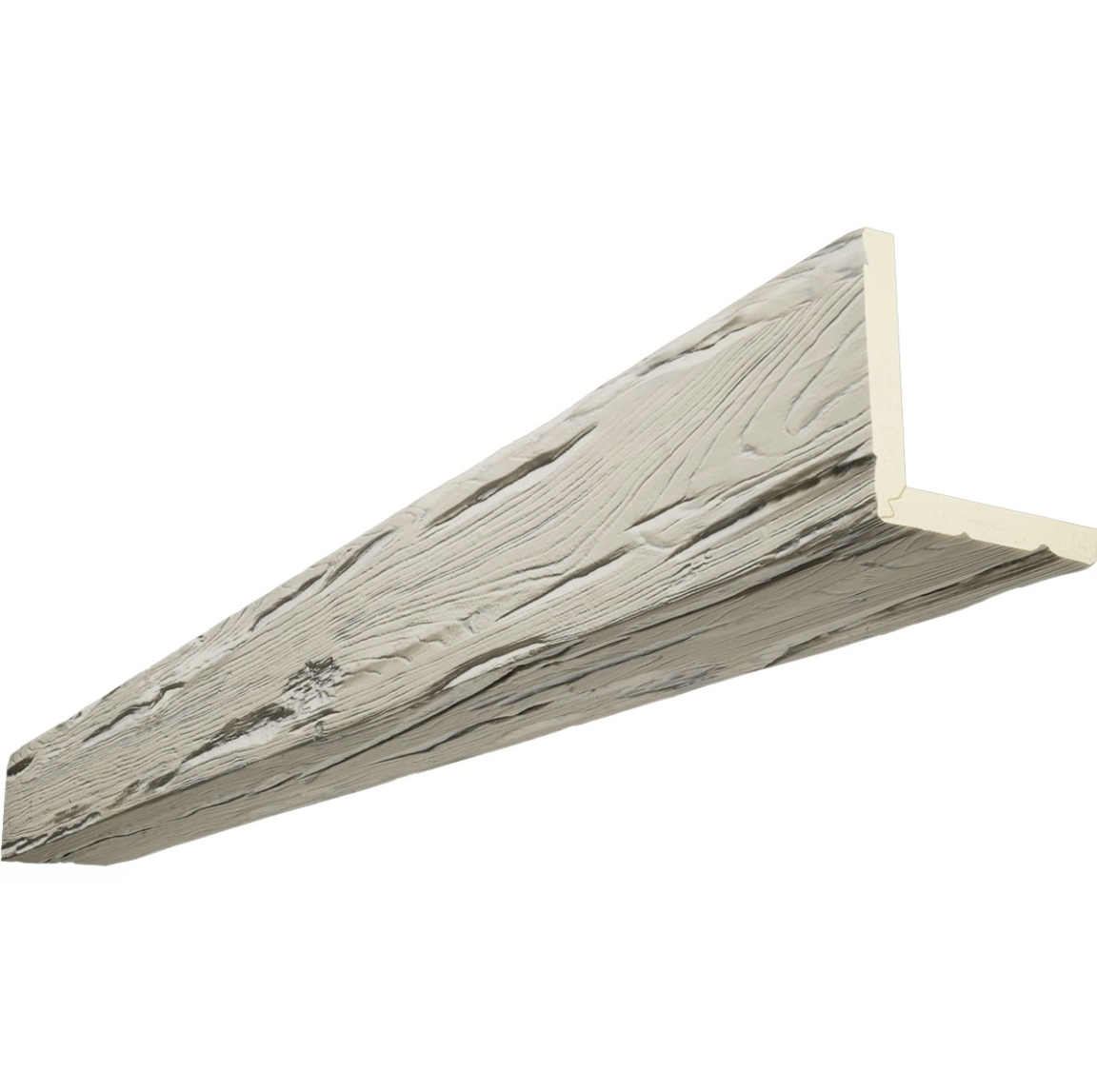
PU faux beams offer a middle path. The manufacturing process controls surface consistency while retaining enough organic character to convey genuine material presence. A wire-brushed oak-finish beam provides the visual interest of natural wood without the unpredictability that would disrupt a carefully calibrated contemporary interior. The depth and shadow created by the beam's three-dimensional profile delivers exactly the sculptural quality that contemporary architects seek, expressed in a warm material register.
Scale and Proportion in Contemporary Spaces
The ceiling heights common in contemporary residential construction — typically 2.4 to 2.7 metres — create proportional challenges for beam installations that differ from the generous heights of period properties. Beams that work beautifully in a Georgian reception room with 3.6-metre ceilings would overwhelm a modern apartment with standard ceiling heights.
This constraint has driven innovation in beam profile design. Contemporary interiors favour slender, precisely detailed beams rather than the deeply moulded rustic profiles associated with farmhouse aesthetics. Thin-flange beams with clean chamfered edges, narrow section beams that read as architectural lines rather than structural elements, and multi-part beam arrangements using paired slim sections all serve contemporary proportional requirements.
The concept of the beam as line rather than mass has proven particularly productive. Installing pairs of narrow beams parallel to each other, spaced to create deliberate shadow gaps, establishes strong horizontal or vertical rhythms that organise the ceiling plane without dominating it. This approach suits the kind of open-plan contemporary living spaces where a single dominant element would compete with the carefully composed furniture groupings below.
Colour selection in contemporary installations tends toward either very light or very dark extremes. Pale grey-washed and limed finishes complement white walls and pale stone floors in Nordic-influenced interiors. Deep charcoal and ebony finishes create dramatic contrast against white ceilings in more theatrical contemporary schemes. Mid-toned beams — the honey oak and natural pine of traditional interiors — appear less frequently, as they lack the clarity of purpose that contemporary design typically demands.
Complementing Other Contemporary Materials
Modern interiors rarely feature timber in isolation. The most successful contemporary schemes layer multiple materials — stone, metal, glass, plaster, and timber — in compositions where each material contributes distinct qualities without competing for attention.
Beam selection should acknowledge and support these material compositions. A space featuring blackened steel window frames and exposed concrete floors calls for beam finishes that relate to the metal palette — deep espresso, warm charcoal, or oxidised iron effects rather than pale Scandinavian tones. The timber element picks up the warmth latent in the otherwise cool material palette without disrupting the industrial character.
Against warm stone surfaces — travertine, limestone, or pale marble — lighter beam finishes perform better. The organic warmth of pale timber tones amplifies rather than contradicts the natural warmth of stone, creating a cohesive material statement. This combination has become something of a contemporary classic, appearing across residential and hospitality contexts with equal success.
Glass and mirror surfaces in contemporary interiors require careful consideration when beam installations are planned. The reflection of a beam installation in a large glazed area doubles its visual presence — potentially a welcome amplification of texture and interest, but equally potentially overwhelming if the beam scale or finish was not specified with reflections in mind. Walking through a space and imagining the reflected view from key positions is worth doing before finalising the specification.
Styling the Space Around the Beams
The furniture and accessories that populate a beam-enhanced contemporary space should be selected with the same intentionality as the beams themselves. A beautiful beam installation can be undermined by furniture choices that feel mismatched or insufficiently considered.
The scale relationship between beams and furniture matters more than many designers acknowledge. Large, heavy beams above delicate, small-scaled furniture creates visual imbalance — the architecture dominates rather than supports. Equally, tiny slender beams above oversized block furniture feel underpowered. The proportions need not match precisely, but they should be in conversation.
The contemporary preference for natural materials extends to upholstery and soft furnishings. Linen, cotton, wool, and leather introduce additional material layers that interact with the beam texture. The warmth of these textiles complements timber beam warmth; synthetic fabrics — polyester, nylon, acrylic — introduce a flatness that feels incongruous against organic surfaces. The investment in natural fibre soft furnishings pays dividends in the overall material coherence of the space.
Artwork and decorative objects against beam-clad walls require similar consideration. The strong textural presence of beam walls provides a rich backdrop for art, but the interaction can become busy if both the wall and the artwork compete for attention. Often the most effective approach is to hang considered, minimal artwork against the most texturally intense beam walls — letting the architecture speak alongside a single powerful artistic statement rather than in competition with a crowded gallery arrangement.
Lighting the Contemporary Beam Interior
Lighting design deserves particular attention in contemporary interiors with beam installations. The controlled, intentional quality of contemporary space demands equally considered lighting rather than the generic overhead illumination that characterises less ambitious schemes.
Directional downlighting positioned to gra across beam surfaces creates the shadow relief that makes the texture readable. If light falls parallel to the beam direction or flat onto the beam face, the dimensional quality collapses and the installation loses much of its visual impact. The angle of incidence should be steep — somewhere between 30 and 60 degrees from the perpendicular — to generate the shadow depth that defines the beam profile.
Layered lighting schemes serve contemporary interiors better than single-source illumination. General ambient light provides the base visibility; task lighting addresses specific functional needs; accent lighting highlights architectural features and material qualities. Within this framework, beam installations typically receive accent lighting treatment — focused, directional light that reveals texture and creates atmosphere rather than merely illuminating the space.
Smart lighting control enables the beam installation to serve different functions at different times. A bright, even illumination during daytime makes the space practical for work and family activities. Evening scenes might reduce ambient levels while raising the accent lighting on the beams, shifting the atmosphere toward relaxation and socialising. These programmatic lighting changes are straightforward to implement with current control systems and significantly extend the functionality of the space.
A Long-Term Design Investment
The decision to install beams as a primary design element commits the property to a particular aesthetic character for the foreseeable future. This permanence demands careful consideration of how the chosen style will age — both in terms of physical condition and stylistic relevance.
PU faux beams age gracefully in physical terms. The material maintains its dimensions, surface quality, and colour stability across the decades of expected service life. Unlike natural wood, which may develop surface wear, checking, or fading, polyurethane retains its as-installed appearance with routine cleaning only. This longevity represents a genuine advantage over natural materials that require ongoing maintenance investment.
Stylistically, the reconciliation of natural material warmth with contemporary spatial discipline appears to represent a durable design direction rather than a passing trend. The desire for authentic material presence in our living environments reflects deeper psychological needs that are unlikely to diminish. Spaces designed to satisfy these needs should retain their relevance as design fashions evolve around them.
Technical References
ASTM standards cited in every specification
Test Data
Lab results from internal testing program
Updated 2026
Reviewed against current product specs


