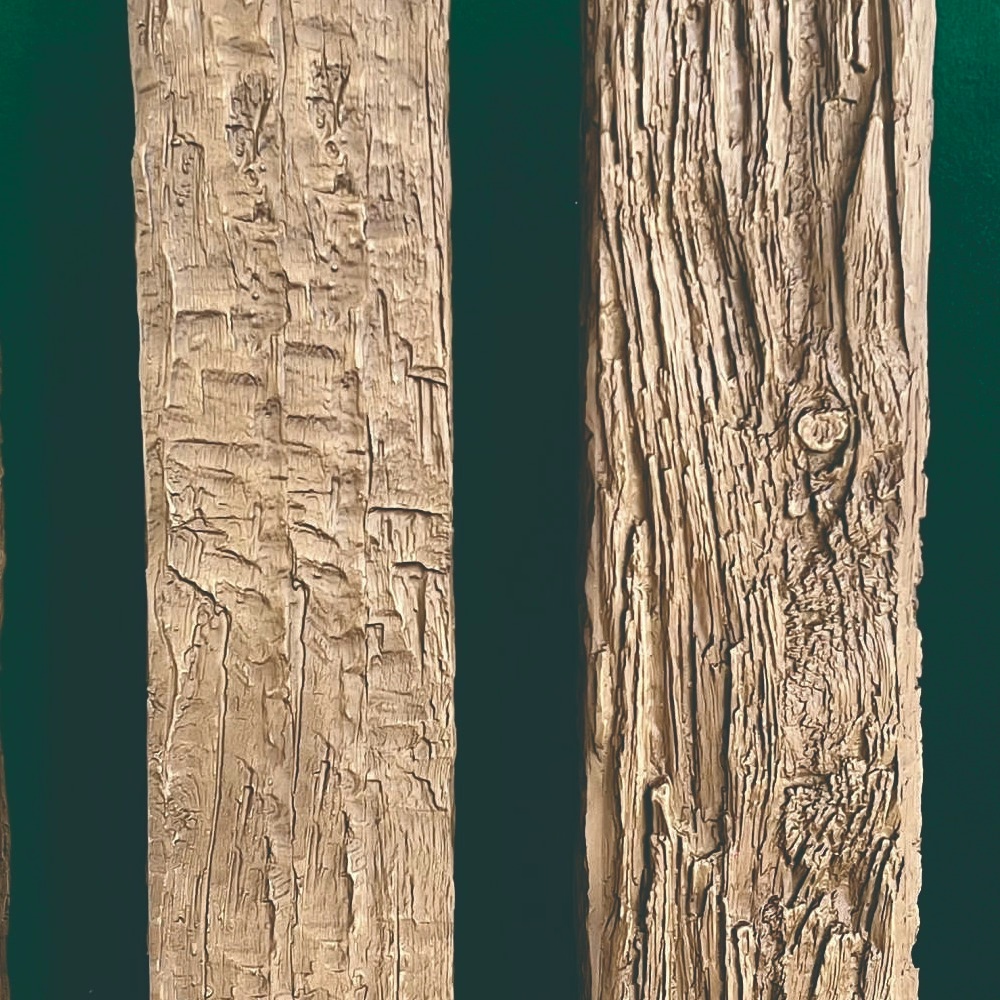
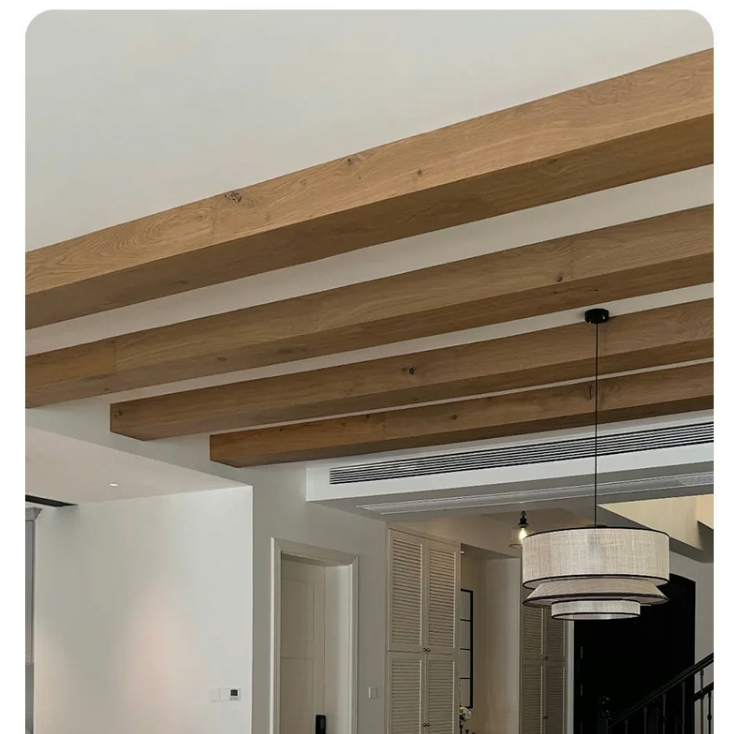
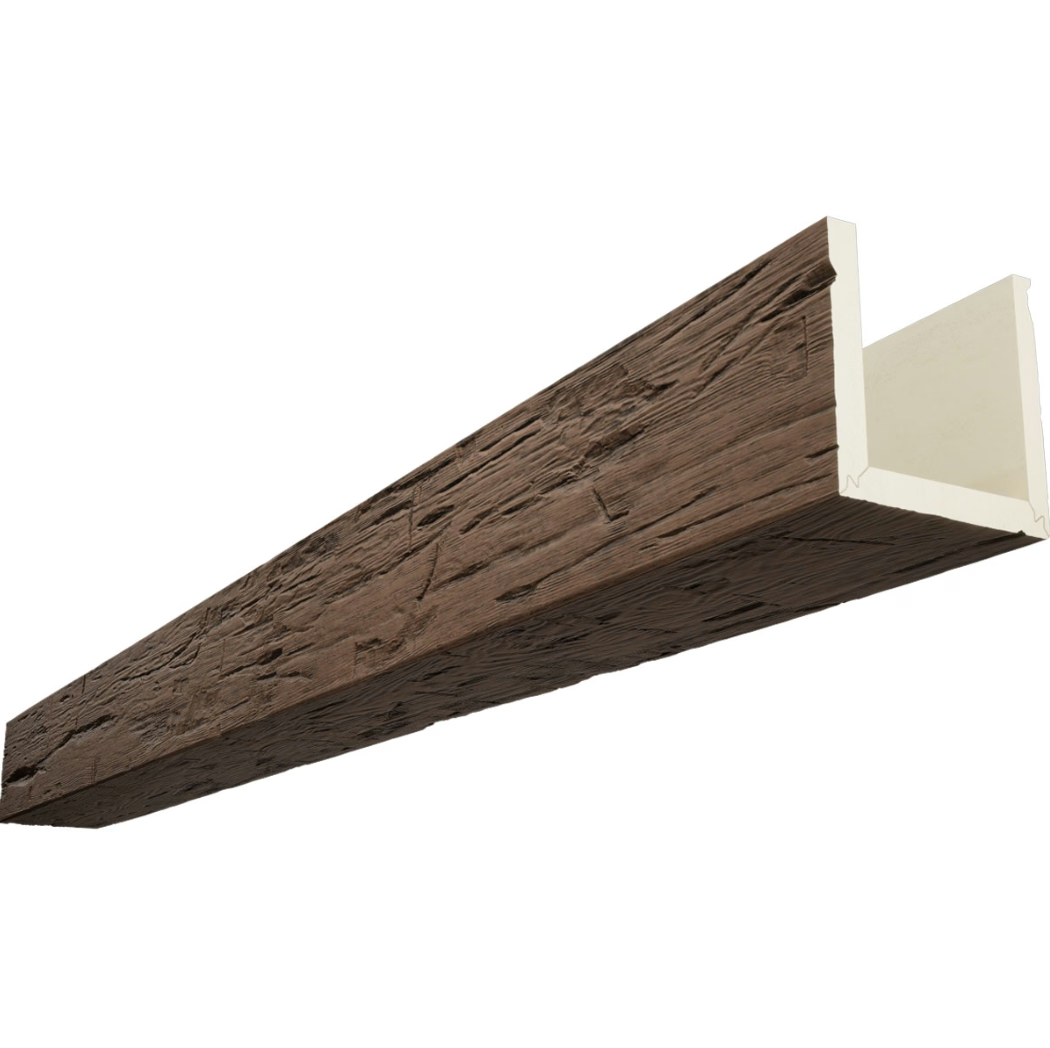
New Zealand's architectural identity has always been shaped by its geography — the dramatic landscape, the temperate maritime climate, the blend of Pacific and European cultural influences, and the distinctive character of its cities and rural areas. Contemporary New Zealand architecture reflects these influences while engaging with global design currents, creating a built environment that is recognisably its own while participating in broader conversations about sustainability, materiality, and residential quality.
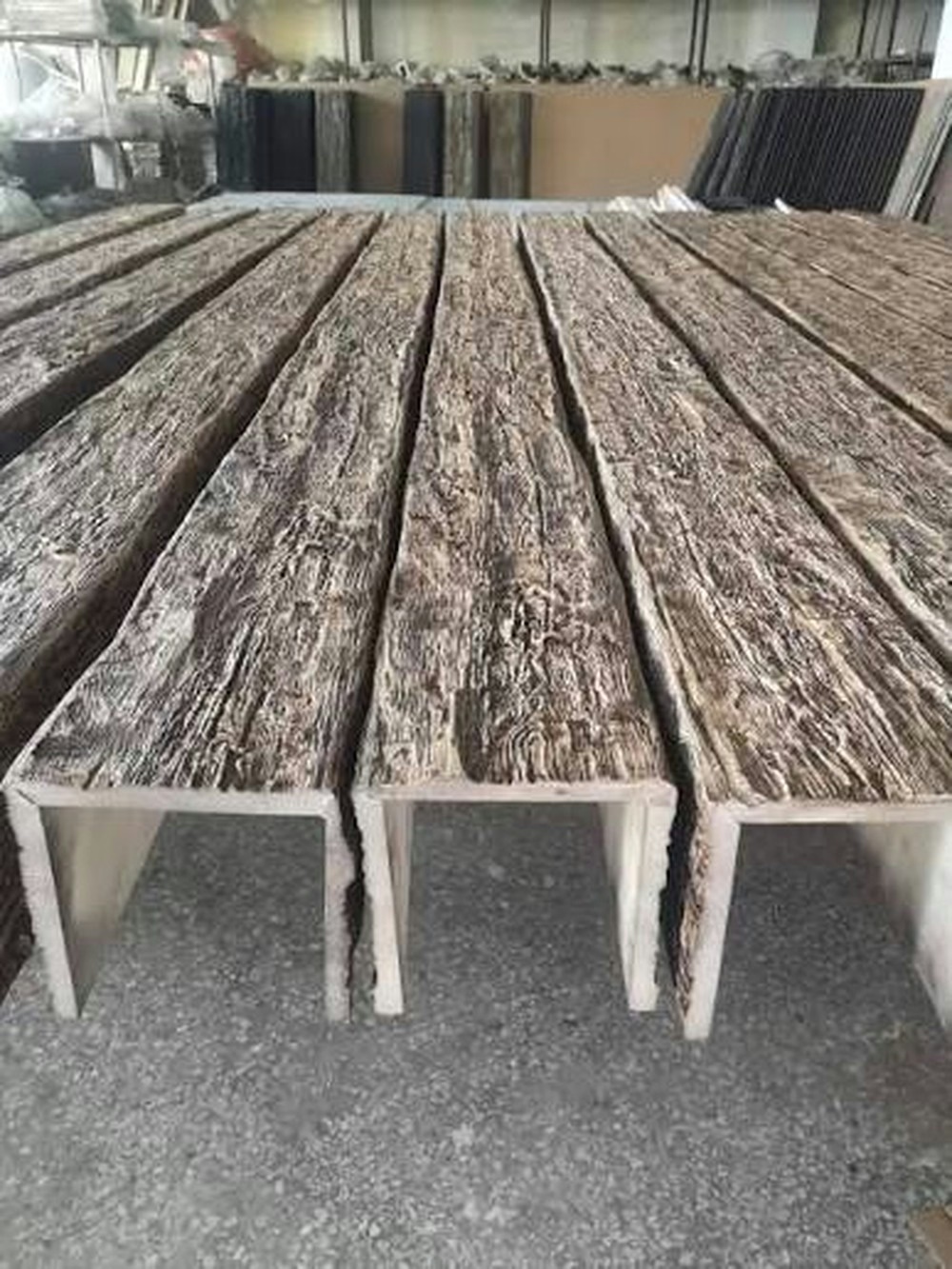
The specification of PU faux wood beams in New Zealand contexts requires awareness of these local conditions and how they affect product selection, installation practice, and design approach. From the humidity patterns of the upper North Island to the colder temperatures of the South Island interior, from the urban apartment developments of Auckland and Wellington to the rural lifestyle blocks that characterise peri-urban New Zealand, the application of beam products varies in ways that generic international guidance may not fully address.

New Zealand Architectural Context
Contemporary New Zealand residential architecture spans a broad range of styles and influences, from the mid-century modernist heritage that Auckland and Wellington neighbourhoods preserve, through the contemporary new-build interpretations of New Zealand's outdoor lifestyle culture, to the rural vernacular adaptations that characterise lifestyle block development.
The New Zealand indoor-outdoor living culture — the expectation that living spaces will flow naturally to outdoor entertaining areas, that covered decks and pergolas will extend the usable living area, and that the boundary between inside and outside will be deliberately blurred — creates specific requirements for beam installations that span both interior and exterior applications. The versatility of PU beams in both contexts makes them particularly suitable for New Zealand's architectural requirements.
The New Zealand building code sets performance standards that affect material specification in ways that differ from some international jurisdictions. Understanding these requirements — particularly regarding fire performance, structural loading, and moisture management — is essential for compliant beam specification in New Zealand construction projects.
Climate Considerations for NZ Applications
New Zealand's climate varies substantially from subtropical conditions in the far north to cool temperate conditions in the south, with significant regional variation in rainfall, humidity, and temperature extremes. These climate patterns affect beam specification in predictable ways.
Humidity management is the primary climate consideration for beam specification throughout New Zealand. The maritime climate delivers frequent rainfall, high relative humidity, and significant diurnal temperature fluctuations in many regions. These conditions affect building fabric in ways that beam specification must acknowledge — not through restriction but through appropriate product and finish selection.
Polyurethane's moisture resistance provides significant advantages in New Zealand's humid conditions. Unlike natural timber, which absorbs and releases moisture continuously, polyurethane maintains its dimensions and surface quality regardless of humidity levels. This stability is particularly valuable in New Zealand's unheated spaces — garages, covered outdoor areas, conservatories — where natural timber would be at significant risk of moisture-related deterioration.
UV exposure affects New Zealand beam installations more severely than in many other locations, due to the country's latitude and the high solar radiation levels that result from the relatively thin ozone layer over the Southern Hemisphere. UV-stable finish formulations are essential for any beam application with significant sun exposure, including north-facing rooms, conservatory ceilings, and covered outdoor areas. The technical specifications for UV-stable products should be reviewed to confirm adequate protection for the specific exposure conditions of the installation.
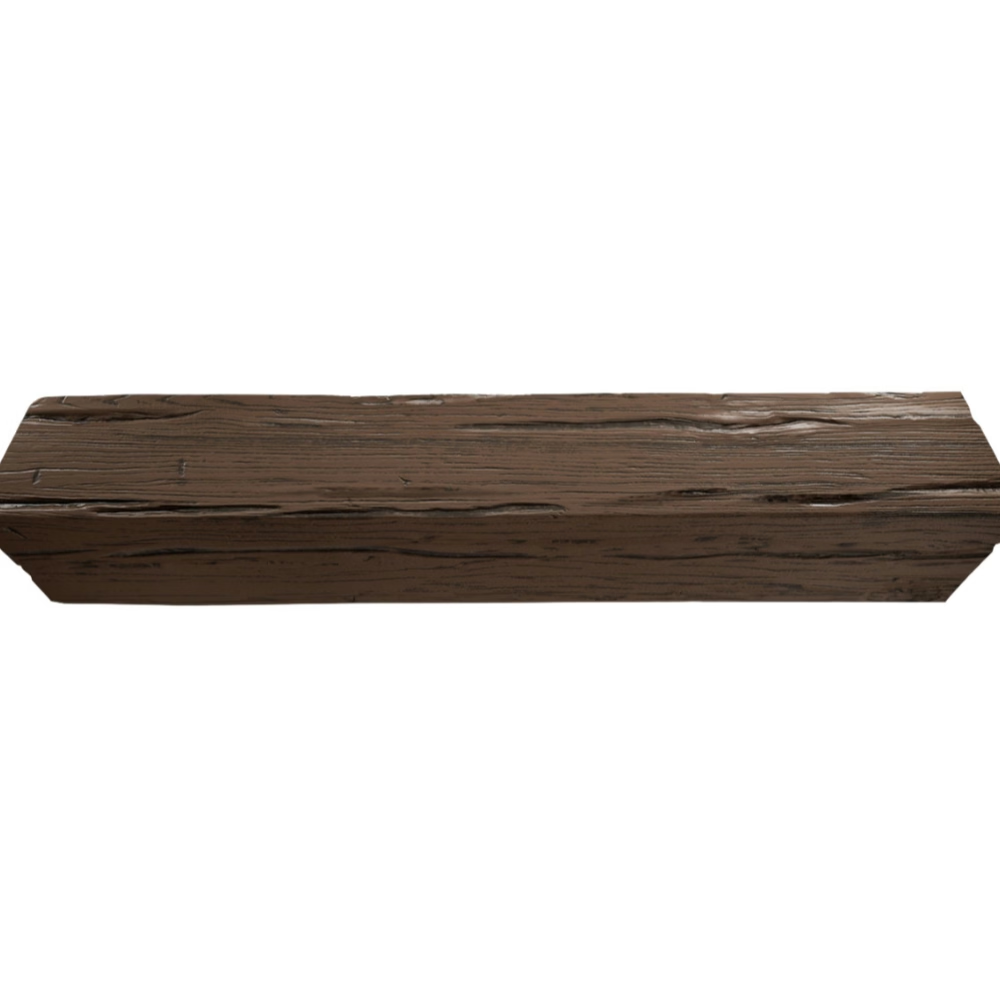
Residential Applications in NZ Context
New Zealand residential architecture presents several application contexts where beam installations serve the specific requirements of New Zealand homes.
Lifestyle block and rural residential properties represent a significant sector of the New Zealand market where beam installations add architectural quality to what might otherwise be functional rural buildings. The farmhouse aesthetic that many lifestyle block owners seek aligns well with beam installations in rustic or country-modern finishes. The light weight of polyurethane beams is particularly valuable in rural construction, where structural timber sizes may be smaller than in urban construction and where the weight of genuine timber beams could exceed available structural capacity.
New residential developments in Auckland, Hamilton, Tauranga, Wellington, and Christchurch offer opportunities for beam specification in both individual custom homes and medium-density housing developments. The warm material aesthetics that beams provide align well with the quality expectations of New Zealand buyers, who increasingly expect residential interiors to offer the material richness and design consideration that was previously associated only with higher-specification builds.
Renovation and extension projects throughout New Zealand's housing stock represent a substantial market for beam applications. Whether updating a 1970s suburban home, extending a character villa, or renovating a contemporary property to update its specification, beam installations provide a high-impact improvement that New Zealand homeowners increasingly recognise as a viable option.
Commercial Applications in NZ Context
New Zealand commercial architecture offers distinct opportunities for beam specification across several building types and sectors.
Hospitality venues — restaurants, cafés, bars, and boutique accommodation — represent a significant commercial application for beams in New Zealand. The New Zealand hospitality sector has developed a distinctive aesthetic that blends the country's natural environment with sophisticated international design influences. Beam installations contribute to this aesthetic through warm material presence, architectural scale, and the crafted quality that distinguishes premium hospitality venues from standard offerings.
The New Zealand tourism accommodation sector — from boutique hotels in converted heritage buildings to purpose-built lodge developments in scenic areas — presents specific beam application opportunities. Lodge and resort architecture often deliberately evokes the natural environment, using timber and timber-look materials to connect guests with the landscape. Faux beams in these contexts provide the material warmth of timber with the durability and consistency that commercial applications demand.
Office and workspace fit-outs in New Zealand's commercial centres increasingly incorporate beam installations as part of the workplace quality initiatives that organisations implement to attract and retain talent. The Wellington and Auckland office markets in particular show growing demand for workspace environments that depart from the generic corporate aesthetic toward more individual, material-rich environments.
Regulatory and Standards Considerations
New Zealand's building regulatory framework creates specific compliance requirements that affect beam specification and installation.
The New Zealand Building Code sets performance standards that materials must meet for use in specific applications. Beam products for commercial applications should carry appropriate documentation demonstrating compliance with relevant standards. The fire performance requirements of the Building Code are particularly significant for commercial applications, where fire ratings may be mandated by the building's use type and occupancy classification.
Standards New Zealand documentation provides guidance on appropriate installation methods for various construction types common in New Zealand. The timber framing conventions, concrete construction methods, and steel frame practices that characterise New Zealand building each present specific fixing and installation requirements that beam installers should understand.
Local council requirements may add to the national building code provisions, particularly for heritage properties, character buildings, and structures in special character zones. Beam installations in these contexts may require specific consent applications or heritage authority consultation before proceeding.
Sourcing and Supply for NZ Projects
The supply chain for beam products in New Zealand has developed significantly as demand has grown, with distributors and specialist suppliers operating throughout both islands.
Import products from international manufacturers serve the New Zealand market alongside domestically produced alternatives. The quality range in both categories is substantial, and careful product evaluation is advisable before specification commitment. Technical data sheets, fire certificates, and physical samples should be reviewed for all products under consideration.
Lead times for beam products can be longer for non-standard specifications, custom finishes, or products requiring international shipment. Project programmes should account for these lead times when scheduling beam installation, particularly for projects with compressed timelines or those requiring custom fabrication.
Regional availability varies across New Zealand, with greatest product availability in the main metropolitan areas and more limited options in smaller towns and rural areas. Projects outside major centres may require additional lead time for product delivery or may benefit from specifying products with reliable regional distribution.
Technical References
ASTM standards cited in every specification
Test Data
Lab results from internal testing program
Updated 2026
Reviewed against current product specs