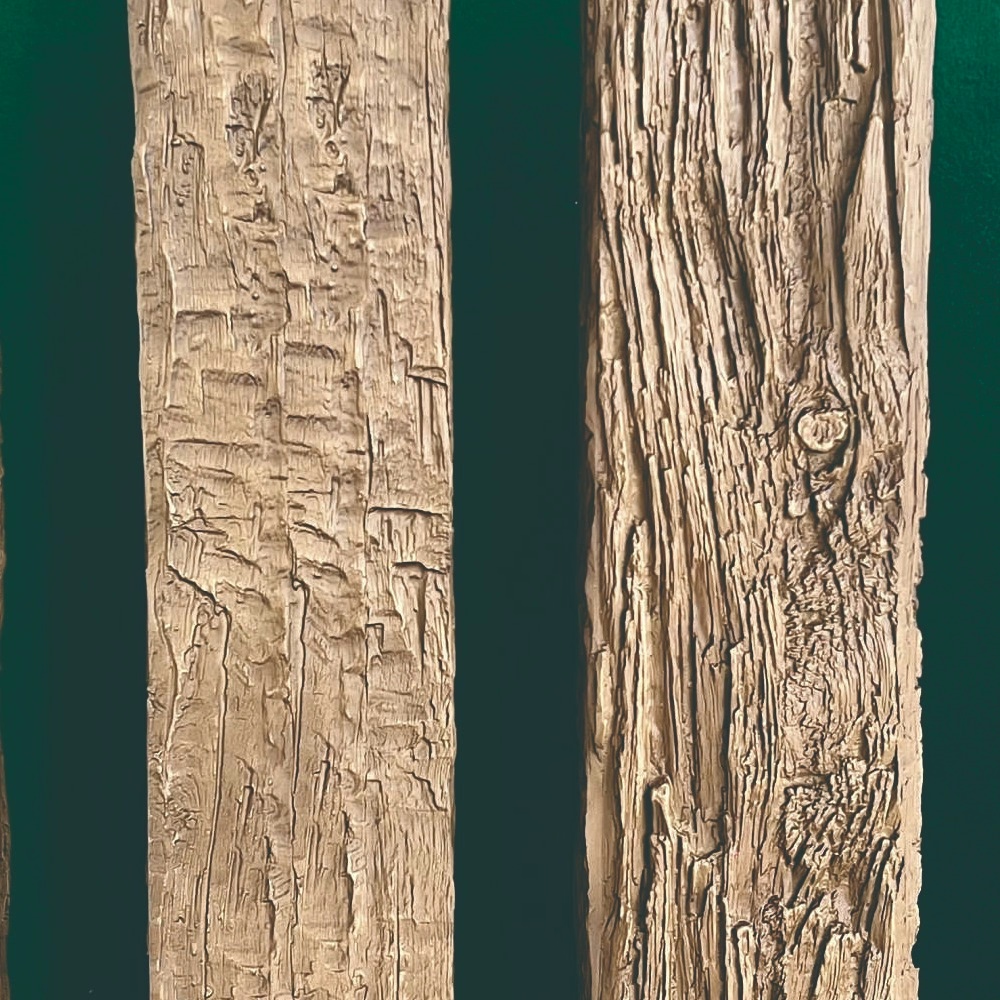
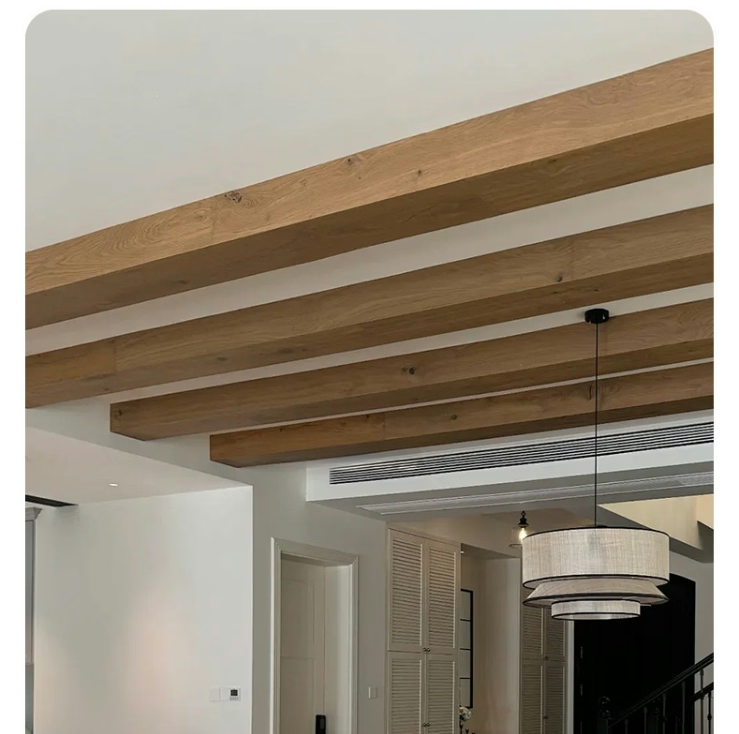
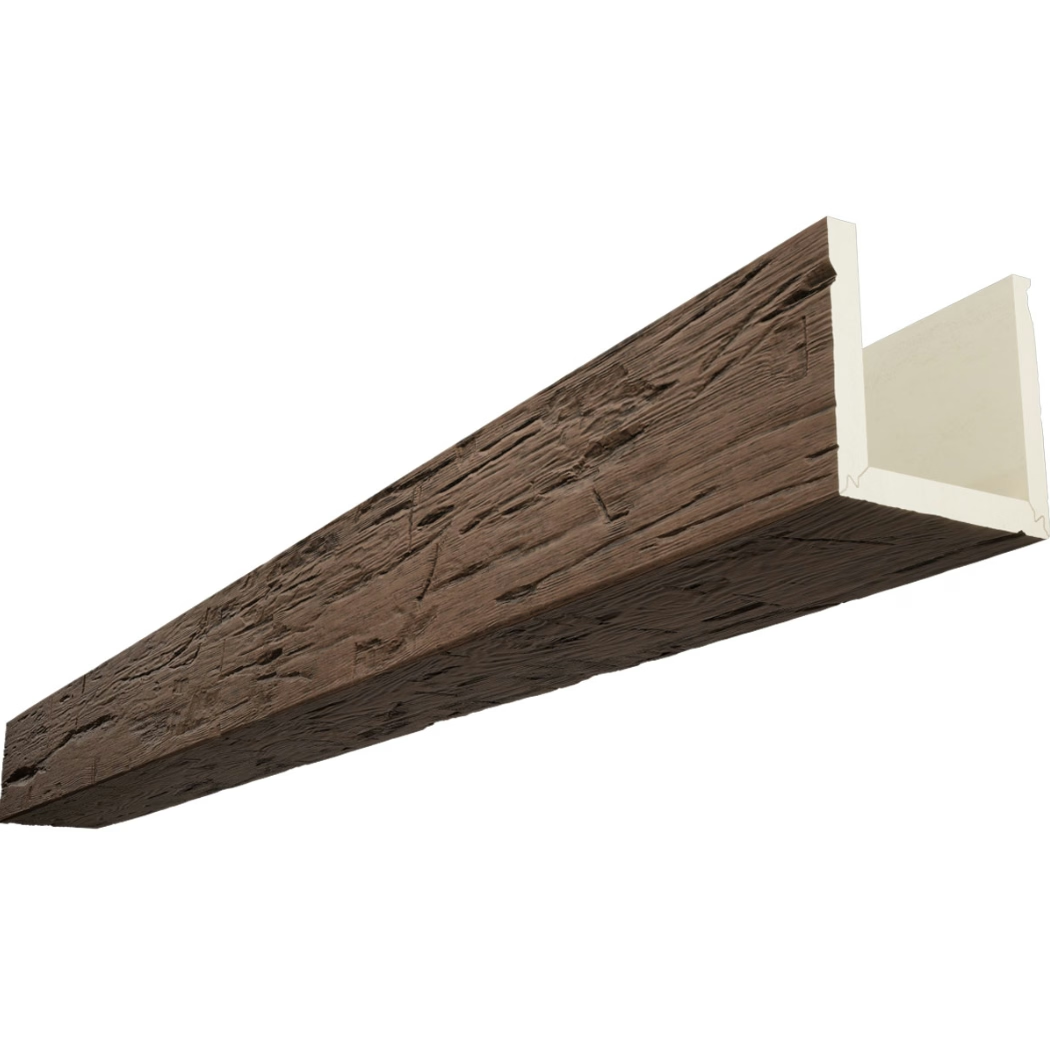
The moment someone crosses the threshold into a commercial space, they begin forming judgments about the environment. Lighting, scale, materials, and visual rhythm all contribute to the impression that either draws people in or creates subtle friction. Ceiling treatment plays an underappreciated role in this equation. A flat, unfinished ceiling reads as generic, while a ceiling with thoughtful beam work signals intention, craft, and attention to detail. That signal matters whether the space is a boutique hotel, a professional office, a restaurant, or a retail environment.
Polyurethane architectural beams have established themselves as a reliable solution for commercial projects where aesthetic ambition meets practical constraints. The material delivers the visual presence of heavy timber without the structural demands that timber imposes. This distinction opens possibilities that would otherwise require expensive engineering studies, specialized contractors, and potentially prohibitive installation costs.
The Engineering Reality Behind Aesthetic Choices
Authentic timber beams present genuine structural considerations that go beyond their visual presence. A solid wood beam spanning a room carries actual weight and must be specified accordingly. Engineering calculations determine appropriate species, dimensions, and support conditions. The installation requires attention to load paths, connection details, and long-term deflection characteristics. These requirements add complexity and cost to every project that specifies real timber.
Polyurethane beams sidestep these concerns entirely. The hollow-core construction reduces weight to a fraction of solid timber while providing the visual mass that designers seek. No structural calculations are needed because the beams do not bear building loads. They exist purely as architectural elements—beautiful surfaces that transform how a ceiling reads without compromising or reinforcing the structure above.
This separation of aesthetic function from structural function represents a meaningful shift in what is possible. Designers can specify dramatic beam arrangements that would be impractical or impossible with solid timber. A coffered ceiling spanning a three-story atrium becomes achievable. An exposed beam treatment in a space with inadequate joist capacity becomes viable. The material constraints that once limited ceiling design have effectively disappeared.
Commercial Applications Across Market Segments
Hospitality environments benefit enormously from polyurethane beam treatments. Hotel lobbies set the tone for the entire guest experience, and a well-detailed ceiling contributes substantially to that first impression. Restaurant dining rooms rely on atmosphere, and beam work creates the visual warmth that encourages lingering over meals and conversations. The material's resistance to moisture and temperature variation handles the demands of these environments without the vigilance that natural wood requires.

Office buildings increasingly embrace hospitality-inspired design as they compete for tenants who expect residential comfort in commercial settings. Ceiling beams create visual interest in open-plan areas, define zones within large floor plates, and add warmth to spaces that might otherwise feel institutional. The lightweight installation means that retrofitting existing buildings requires minimal disruption to ongoing operations below.
Retail environments leverage beam treatments to create memorable shopping experiences. The texture and scale that beams provide break up flat ceiling planes and add visual depth to spaces that might otherwise feel cavernous or generic. Luxury retailers use beam work to signal quality and craftsmanship, while mainstream retailers use it to create aspirational atmospheres at accessible price points.
Educational and healthcare facilities face unique requirements around fire safety and hygiene. Quality polyurethane beams meet stringent fire classification requirements, with products available that carry appropriate ratings for institutional occupancies. The non-porous surface does not harbor bacteria or mold, and cleaning protocols require nothing more than standard commercial-grade disinfectants.

Installation Efficiency for Occupied Buildings
Commercial renovation projects rarely enjoy the luxury of extendedvacancy periods. Businesses need to maintain operations, and construction schedules must accommodate real-world constraints. Polyurethane beams install quickly enough to fit within compressed project windows, often completing in days what site-built treatments would require weeks to accomplish.
The tools required for installation are basic and widely available. Miter saws cut beam ends cleanly. Drill/drivers secure mounting hardware. Construction adhesive bonds beams to mounting surfaces. No specialty equipment, no extended training, no lengthy acclimation periods. Crews familiar with general carpentry can install polyurethane beams without additional certification or specialized knowledge.
This accessibility expands the pool of qualified installers, which translates to competitive pricing and available scheduling. Projects that might wait months for a specialty timber craftsperson can move forward with local contractors who have immediate availability. The practical benefit of this accessibility often determines whether projects proceed at all.
Long-Term Performance in Demanding Environments
Commercial spaces experience traffic, temperature fluctuation, and occasional impact in ways that residential environments do not. The durability of polyurethane beams handles these conditions without the wear patterns that natural materials exhibit. Scratches that would mar real wood leave no visible mark on properly finished polyurethane. Moisture from HVAC systems, cleaning operations, or occasional spills does not cause swelling or degradation.
The color stability of factory-applied finishes preserves the appearance of new installations over years of service. UV exposure in spaces with significant natural light does not cause the fading or bleaching that plagues site-applied stains and paints. The investment in premium materials pays dividends through years of maintenance-free service rather than requiring periodic refinishing to retain appearance.
Building operators appreciate the predictable nature of polyurethane beam performance. There are no seasonal adjustments, no preventive treatments to schedule, no inspection protocols beyond general visual checks. The ceiling treatment simply performs its aesthetic function without generating operational demands.
Design Flexibility That Serves Project Goals
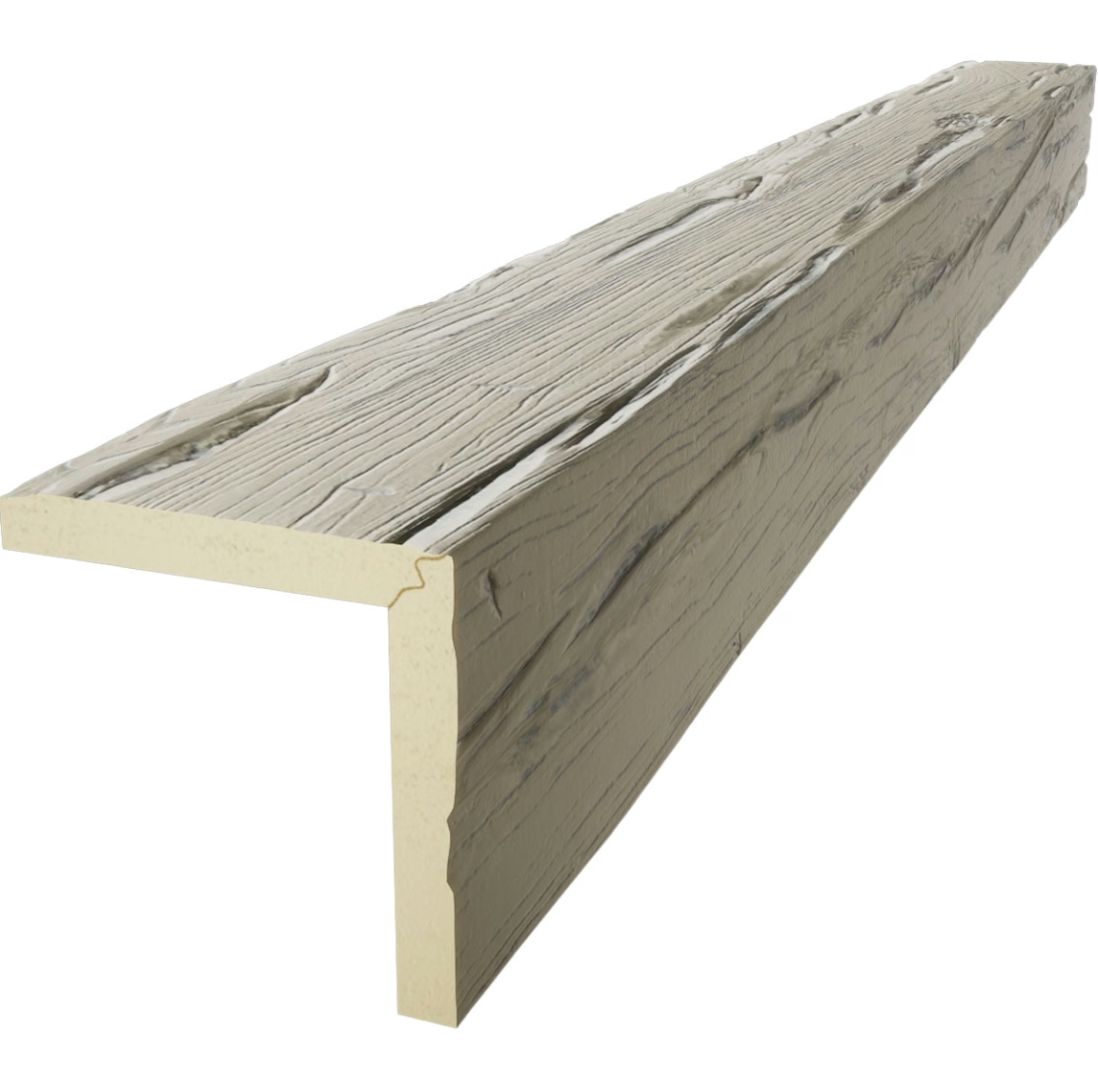
The range of available finishes in polyurethane beam products covers the spectrum from reclaimed barn wood aesthetics to refined contemporary profiles. Projects can select the visual register that serves their brand and their clientele. A rustic mountain lodge achieves authenticity through beam finishes that simulate weathered barn timber. A contemporary urban restaurant achieves sophistication through beam profiles with clean lines and refined grain patterns.
The ability to specify beam dimensions, profiles, and finishes independently means that projects are not constrained by inventory or standard offerings. Custom profiles develop in collaboration with manufacturers, creating unique treatments that differentiate spaces from competitors. This design flexibility serves projects across all market segments and price points.
Architects and interior designers who have specified polyurethane beams in commercial applications consistently report positive outcomes for their clients. The combination of visual impact, installation efficiency, and long-term performance addresses concerns that often arise during project development. Premium polyurethane architectural beams represent a mature product category with proven track records across diverse commercial environments.
Technical References
ASTM standards cited in every specification
Test Data
Lab results from internal testing program
Updated 2026
Reviewed against current product specs