The difference between a well-designed building and a truly exceptional one often lives in the details. Baseboards, crown moldings, column surrounds, ceiling beams, and architectural trim work together to create environments that feel considered and complete. When these elements are executed with precision, the cumulative effect establishes a visual language that communicates quality throughout every space. When they are absent or executed poorly, the architecture feels incomplete regardless of how impressive the larger gestures might be.
Polyurethane has earned its place in high-end architectural specification because it delivers the precision and consistency that premium projects demand while offering advantages that natural materials cannot match. The manufacturing process controls every dimension with tolerances that hand-crafted work cannot consistently achieve. The material properties ensure long-term performance without the maintenance demands that compromise natural materials over time.
Beyond Beams: The Range of Polyurethane Architectural Elements
While ceiling beams receive significant attention, the broader category of polyurethane architectural elements encompasses a wider range of products that serve distinct functions within interior design. Each category brings specific benefits that contribute to comprehensive architectural treatments.
Corbels and bracketry support visual weight while adding historical character to spaces. Polyurethane versions replicate the intricate carved details that characterize traditional millwork without the fragility of the originals. These elements install cleanly and accept paint or stain to match surrounding finishes. The ability to produce complex profiles consistently makes polyurethane corbels preferable to hand-carved alternatives that may vary from piece to piece.
Column covers and wraps transform standard structural columns into architectural features. Rather than painting over bare steel or concrete, designers specify column covers that match beam finishes or introduce complementary detailing. The installation requires minimal specialized equipment, and the result elevates the visual quality of the space substantially. Columns that once read as utilitarian become focal points that reinforce the design narrative.
Medallions and ceiling ornaments concentrate decorative interest at strategic points. These elements frame chandelier locations, define ceiling centers, and add visual punctuation to otherwise flat planes. Polyurethane medallions capture the intricate scrollwork of traditional ceiling ornaments while remaining lightweight enough to install without structural concerns. The factory-applied finishes ensure that these details look sharp and refined from the moment of installation.
Material Properties That Serve High-End Applications
The engineering characteristics of polyurethane align remarkably well with the requirements of premium construction. Dimensional stability means that installed elements maintain their shape and proportions regardless of temperature or humidity changes. Natural materials expand and contract with environmental conditions, creating gaps, checks, and movement that compromises appearance over time. Polyurethane does not exhibit these behaviors.
The density and surface hardness of properly formulated polyurethane resists impact damage in ways that wood and plaster cannot match. High-traffic areas, commercial environments, and spaces frequented by children or pets all present challenges that polyurethane handles without showing wear. Surfaces that would dent, scratch, or chip with natural materials remain smooth and intact with polyurethane.
Moisture resistance extends the range of suitable applications considerably. Bathrooms, pool areas, humid climates, and exterior applications under overhangs all accommodate polyurethane elements that would require extensive protection or treatment if specified in natural materials. This versatility simplifies specification and reduces the risk of field problems.
Custom Capabilities for Distinctive Projects
High-end projects frequently require elements that do not exist in standard catalogs. Custom millwork historically represented the solution, with skilled craftsmen creating unique profiles and assemblies to specification. This approach delivers exceptional results but at costs and timelines that exclude many projects.
Polyurethane manufacturing processes support custom element development with much greater efficiency. Computer-controlled tooling creates molds directly from digital models, eliminating the manual pattern-making that drives custom woodwork costs. The resulting products match design intent precisely while maintaining the consistency and quality control of factory production.
Lead times for custom polyurethane elements typically run weeks rather than months, and unit costs decrease substantially as production quantities increase. A project that requires a unique corbel profile can develop the design, produce the mold, and manufacture the required pieces within a timeline compatible with construction schedules. This efficiency opens custom design to project types that would otherwise be limited to standard offerings.

Integration With Broader Design Systems
Premium interior design typically involves a coherent system of materials and details that work together to create unified environments. Polyurethane architectural elements integrate with these systems through careful attention to finish matching, proportion relationships, and visual weight calibration.
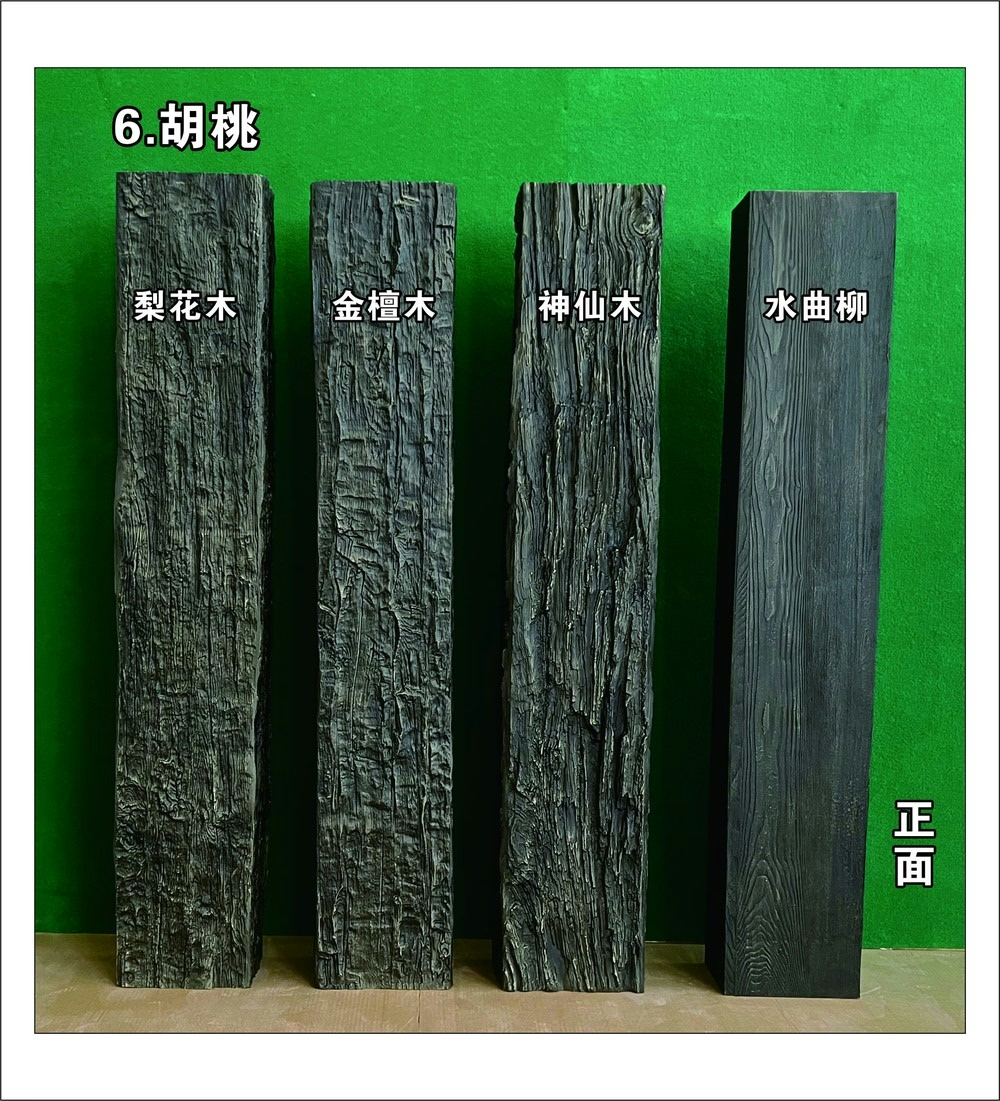
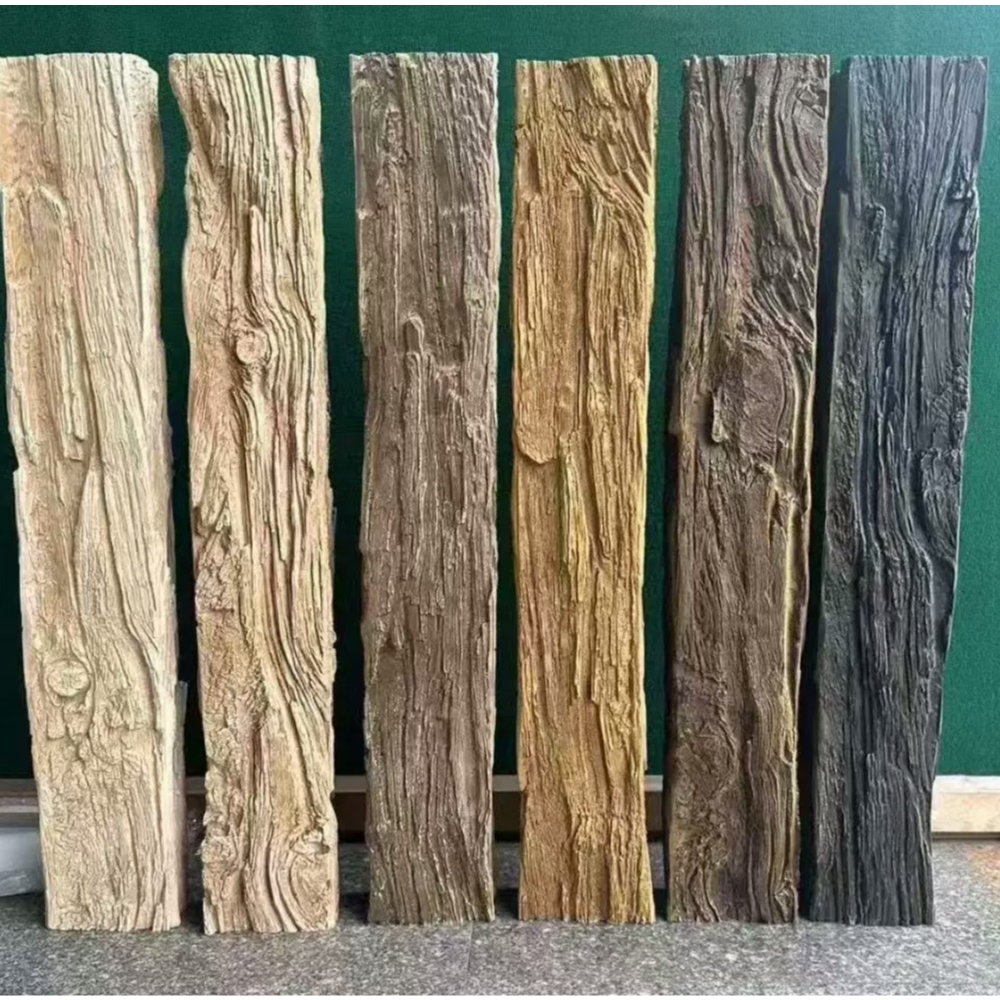
Finish options in polyurethane products span the complete range from clear coatings that preserve the natural appearance of the material to opaque paints that match any color system. Grain textures can simulate various wood species with sufficient accuracy to fool close inspection. The ability to specify finishes independently from profiles means that designers can select the exact combination of form and surface treatment that serves each project's requirements.
Proportion relationships between architectural elements require attention during design development. Beam depths, molding widths, and decorative element scales must relate to each other and to the architectural setting in ways that feel harmonious. Standard product lines provide guidance on appropriate proportions, while custom capabilities support adjustments when standard guidance does not align with specific project conditions.
Performance Verification and Quality Assurance
Specifying premium products requires confidence that performance claims will hold up in practice. Quality polyurethane manufacturers provide documentation of relevant testing and certification, including fire ratings, structural properties, and environmental characteristics. Projects in regulated occupancy categories should verify that specified products meet applicable code requirements.
Field experience with polyurethane architectural elements spans decades across residential and commercial applications. Early skepticism about the material's ability to perform in demanding environments has largely dissipated as installations have proven their durability over extended periods. The track record provides a basis for confident specification in project types that might have initially seemed questionable.
Long-term appearance retention represents a meaningful advantage over natural alternatives. Natural wood darkens with age, develops uneven patina, and requires periodic refinishing to maintain original appearance. Polyurethane elements retain their as-installed appearance indefinitely, eliminating the maintenance obligations that natural materials impose. This characteristic particularly appeals to building owners and operators who value predictable operational costs.
The Business Case for Premium Polyurethane Elements
Beyond the aesthetic and performance considerations, polyurethane architectural elements often present compelling economics for high-end projects. Initial material costs may be competitive with or slightly higher than natural wood alternatives, but the total installed cost frequently favors polyurethane when factors like finishing, maintenance, and replacement are considered.
Construction schedules benefit from the efficiency of polyurethane installation. Speed of installation translates directly to reduced labor costs and earlier occupancy or use. Projects operating under compressed schedules may find polyurethane the only viable path to completion within required timeframes.
The combination of aesthetic capability, performance reliability, and economic advantage explains the growing presence of polyurethane in high-end architectural specifications. Designers and their clients who have experienced successful polyurethane installations consistently recognize the value proposition and specify the material with confidence for subsequent projects.
Technical References
ASTM standards cited in every specification
Test Data
Lab results from internal testing program
Updated 2026
Reviewed against current product specs


