Professional interior finishing operates under constraints that residential projects need not accommodate. Time pressures compress installation windows. Traffic continues in adjacent areas. Multiple trades coordinate their work in sequence. Specifications must be met and documented. Clients expect predictable outcomes based on track records and references. Materials that perform well in owner-occupied homes may fail in these demanding conditions.
Evaluating products for professional use requires different criteria than consumer selection. Visual appearance matters, but so does consistency across multiple units, predictable handling characteristics, reliable availability, and documentation supporting specification compliance. These requirements shape the product categories that professional contractors rely on and the manufacturers they trust.
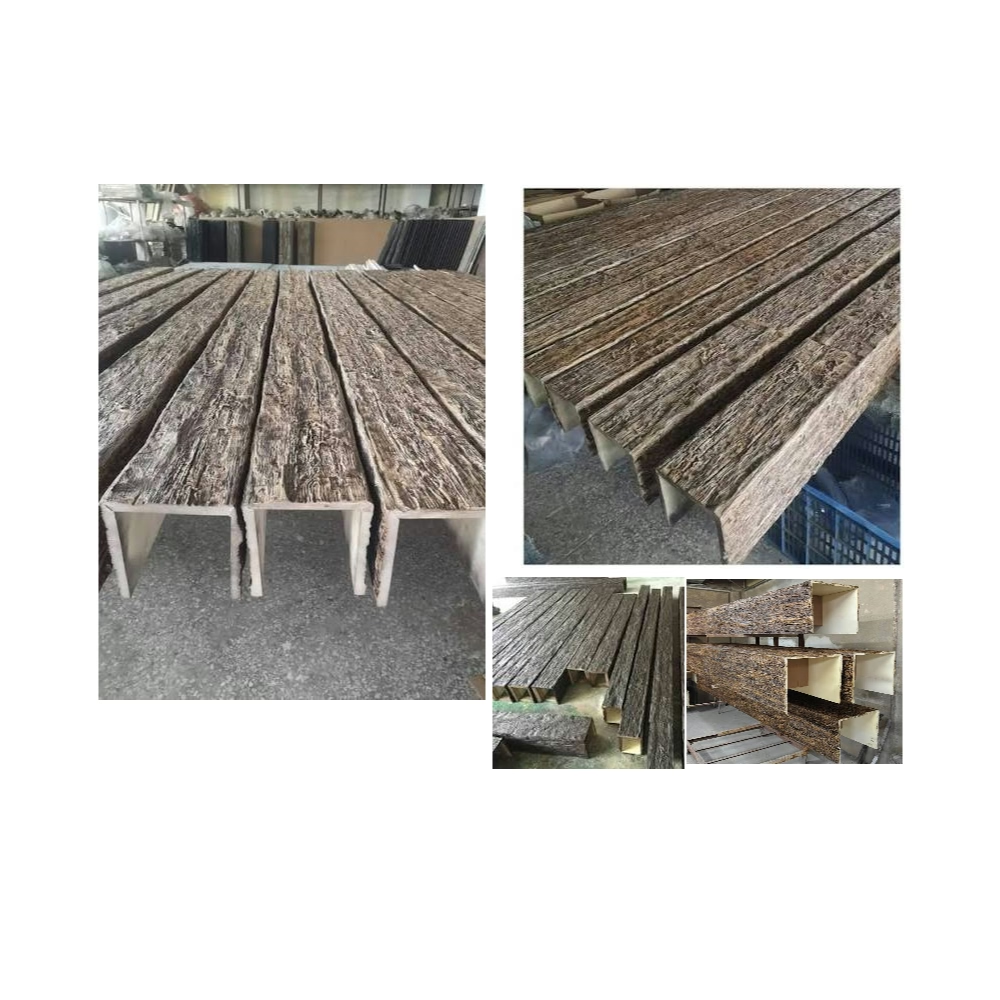
Polyurethane faux beams have established strong positions in professional finishing through sustained attention to these requirements. The products have moved from novelty status to standard specification as contractors have accumulated experience and confidence in the material category.
Engineering for Professional Installation
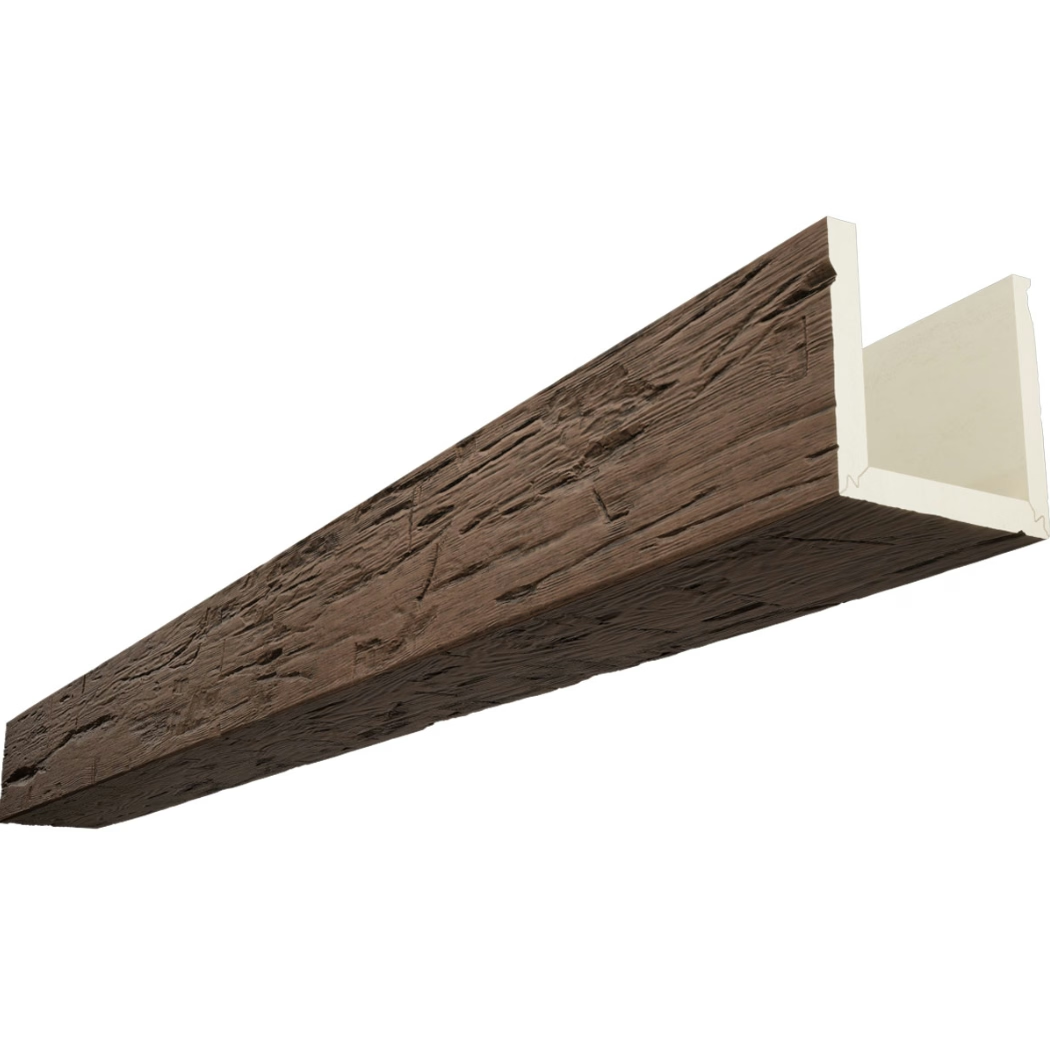
Professional installation efficiency depends on products that handle predictably and consistently. Polyurethane beams achieve this through tight manufacturing tolerances that ensure every piece matches its specifications. Lengths, widths, and depths stay within narrow ranges from piece to piece, which means installers can plan their work based on documented dimensions without checking every delivered piece.
Weight consistency follows from the controlled manufacturing process. Installers learn to anticipate handling characteristics based on beam size rather than discovering surprises when individual pieces arrive. This predictability allows accurate estimation of labor requirements and prevents scheduling disruptions caused by unexpected handling difficulty.
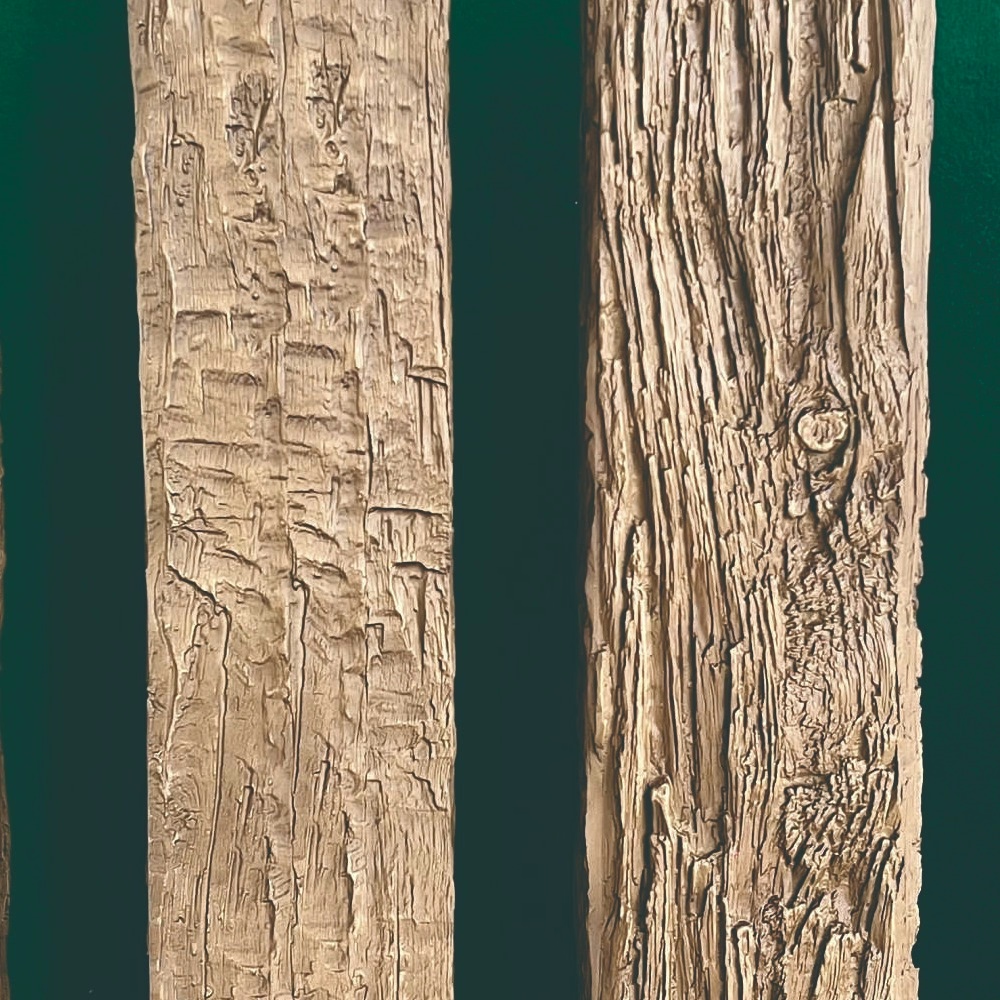
Finish consistency across production runs means that projects receiving additional materials months after initial installation can achieve seamless matching. A restaurant chain adding locations months after the prototype installation can specify the same product with confidence that the new beams will coordinate visually with the original. This consistency supports brand standards and avoids the appearance variations that plague natural materials.
Structural Features for Commercial Demands
Commercial installations face loads and stresses that residential applications may never encounter. Occasional impact from ladders, equipment movement, or overhead door operation creates demands that surfaces must withstand without damage. Polyurethane formulations designed for commercial use provide impact resistance that handles these conditions reliably.
Fire performance requirements affect specification in many commercial occupancy categories. Products meeting appropriate fire classifications enable use in hotels, offices, and assembly spaces where code enforcement scrutinizes finish materials. Documentation of fire performance allows code officials to verify compliance during inspection.
Sound absorption characteristics vary with beam design and may contribute to acoustic performance in appropriate applications. While not a primary function of faux beams, understanding their acoustic contribution helps designers integrate them effectively into overall acoustic treatment strategies.
Thermal performance relates primarily to the insulating properties of the beam material itself. Solid polyurethane provides some insulation value, while hollow beam designs may include insulation enhancement options for applications where thermal performance matters. Most ceiling beam applications prioritize appearance over thermal function.
Logistics and Supply Chain Considerations
Professional projects depend on reliable material supply. Delays in material delivery cascade into labor inefficiencies, extended site occupancy, and schedule overruns that affect profitability. Polyurethane beams from established manufacturers benefit from production capacity and inventory management that ensure reliable availability.
Lead time predictability allows accurate scheduling. Projects can plan installation crews and related trades with confidence that materials will arrive when needed. Standard products with healthy inventory levels ship within days of order confirmation, while custom items carry documented lead times that factor into project planning.
Packaging for shipping protects products through distribution channels that may include multiple handling events. Quality manufacturers use packaging appropriate to the product—reinforced cartons for small moldings, palletized packaging for large beams, and protective wrapping that prevents surface damage during transit.
Shipping damage, while never completely eliminated from any supply chain, remains rare with properly packaged products. Claims processes exist for the occasional exceptions, and responsive manufacturers resolve damage claims quickly to minimize project disruption.

Installation Training and Support
Professional contractors value manufacturers that support their installation teams through documentation, training, and technical support. Installation guides with detailed procedures help crews unfamiliar with specific products learn best practices. Video tutorials provide visual guidance that written instructions cannot fully convey.
Technical support lines connect installers with knowledgeable representatives who can address questions arising during installation. A quick call to clarify an attachment method or finish requirement prevents costly mistakes that might otherwise require rework. The availability of this support differentiates premium manufacturers from commodity competitors.
Warranty coverage provides protection against manufacturing defects that might otherwise create disputes. Clear warranty terms, straightforward claims processes, and responsive manufacturers protect both contractors and their clients from material-related problems.
Cost Accounting for Professional Specifications
Professional project costing includes material costs, labor for installation, and ongoing maintenance expenses. Polyurethane beams may present different cost profiles than alternatives, and accurate comparison requires attention to all components.
Material costs for polyurethane beams compare favorably with custom woodwork and may exceed commodity alternatives. The comparison shifts when installation labor is factored in. Faster installation reduces labor costs substantially, and the difference may more than offset any material premium.
Maintenance costs over the life of the installation favor polyurethane decisively. Natural wood requires periodic refinishing, repair of damage, and protection from moisture and insects. Polyurethane eliminates these maintenance categories entirely, reducing long-term ownership costs to routine cleaning.
Replacement costs for damaged elements favor polyurethane through both material availability and installation simplicity. Matching replacement pieces can be ordered from the original specification, and installation requires no specialized skills or equipment. Natural wood alternatives may require custom fabrication for replacements, with corresponding cost and delay implications.
Documentation and Specification Support
Professional specifications require documentation that demonstrates compliance with project requirements. Manufacturers provide product data sheets, specifications, and test reports that contractors can incorporate into project submittals. This documentation package supports the specification compliance verification that code officials and clients may request.
LEED and sustainability documentation addresses environmental concerns that affect specification in many commercial projects. While polyurethane is a synthetic material, responsible manufacturers manage their environmental impacts and provide information about recycled content, regional manufacturing, and other factors that influence sustainability assessment.
Building information modeling libraries enable architects to incorporate beam products into their digital project models. These libraries include dimensional data, appearance images, and metadata that support design development and construction documentation. The availability of BIM content facilitates specification and coordination.
Professional interior finishing projects find polyurethane faux beams deliver the combination of aesthetics, efficiency, and reliability that commercial practice demands. The material has earned its place in contractor specifications through demonstrated performance across diverse project types and conditions.
Technical References
ASTM standards cited in every specification
Test Data
Lab results from internal testing program
Updated 2026
Reviewed against current product specs