Design impact does not require wholesale transformation. Sometimes the most effective intervention is also the smallest—a single element that commands attention precisely because of its singularity. The principle underlies much successful interior design: a single painting that anchors a wall, a single pendant fixture that defines a kitchen island, a single beam that transforms a ceiling. The restraint itself becomes a design statement.
Single beam installations leverage this principle for ceiling applications where budget, space, or design philosophy argues against comprehensive beam treatment. The investment required for a single beam installation remains modest compared to covering the entire ceiling, while the visual impact often exceeds what might be expected from the scale of intervention. The single beam concentrates design energy rather than diffusing it across the entire ceiling plane.
Strategic Placement for Maximum Impact
The location of a single beam determines whether it becomes a success or an awkward addition. Thoughtful placement considers sight lines, room proportions, and the relationship between the beam and other design elements.
Above key furniture pieces creates natural focal points that guide room use. A beam positioned over a dining table defines the eating area within open floor plans. A beam above the bed creates a visual canopy that anchors the sleeping area. These placements leverage the furniture below to justify the beam above, creating relationships that feel intentional rather than arbitrary.
Centered on architectural features integrates the beam with existing room structure. A beam aligned with a fireplace, a window wall, or a prominent doorway creates visual connections that unify the interior composition. The beam reads as part of the architecture rather than as a decoration added to it.
Running the full length of a space creates directionality that organizes the room visually. A single beam spanning from one end of a room to the other establishes an axis that the eye naturally follows. This approach works particularly well in long, narrow spaces where the beam can define the primary orientation.
Scale Selection for Single Beam Impact
The size of a single beam matters more than it would in a multi-beam installation. With no other beams to provide context and proportion, the single beam must carry the visual weight that would otherwise be distributed across a complete installation.
Room proportions inform appropriate beam scale. Large rooms with high ceilings can accommodate substantial beams that would overwhelm smaller spaces. The beam should feel substantial without dominating the room entirely. When in doubt, slightly larger typically reads better than slightly smaller, as undersized elements disappoint more noticeably than oversized ones.
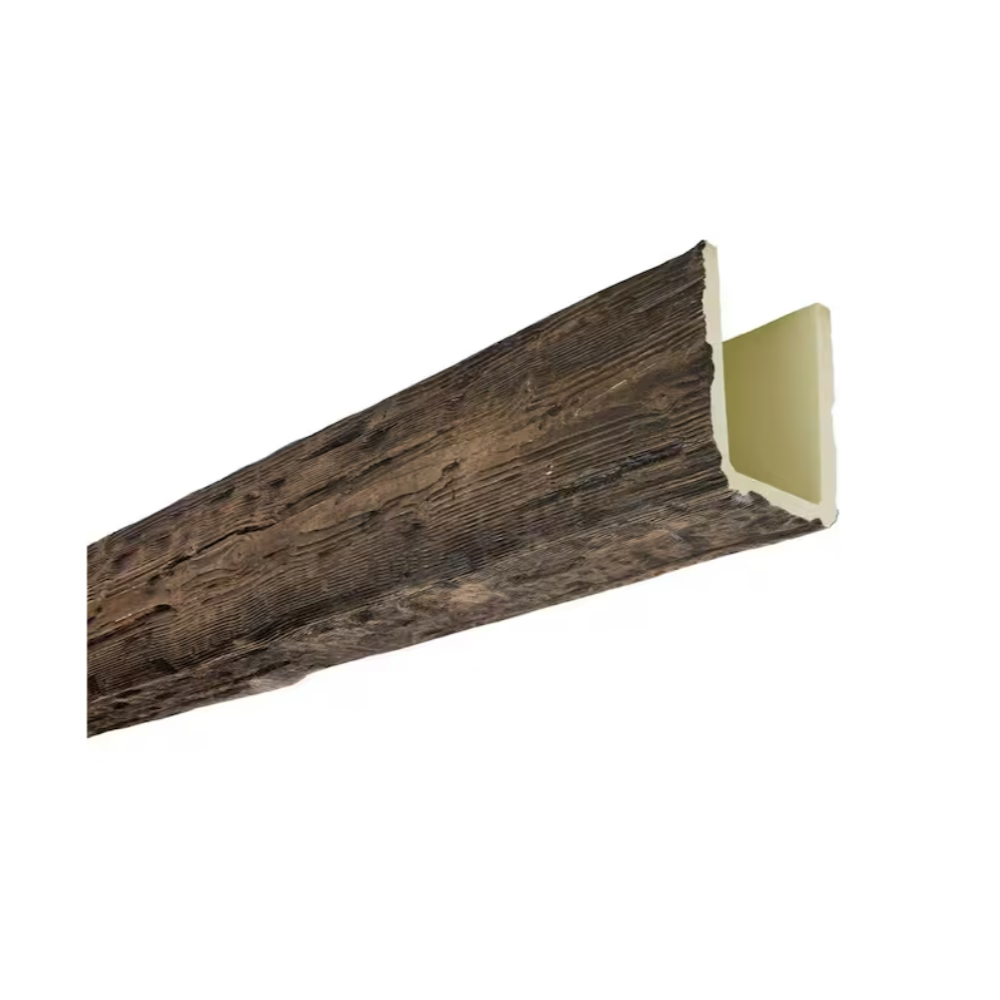
Beam depth contributes most substantially to perceived weight. Deep beams create strong shadow lines and substantial visual presence. Shallower beams read as lighter and more refined. The choice depends on the design character desired and the room proportions available.
Finish affects how prominent the beam appears. Dark finishes create stronger contrast and more dramatic presence. Light finishes recede more, becoming subtle design elements rather than bold statements. The finish should align with the level of emphasis the beam is intended to provide.
Integration With Existing Decor
Single beam installations succeed when they integrate with the existing design rather than competing against it. The beam should feel like it belongs while still creating the intended focal impact.
Material coordination ensures that the beam finish relates appropriately to other materials in the room. Wood floors, furniture, or trim create opportunities for coordination that make the beam feel part of a material palette rather than an isolated addition. The coordination need not be exact matching—complementary relationships often work better than close matching.
Color relationships between the beam and surrounding surfaces affect how the beam reads in the space. The beam will appear most prominent when it differs substantially from the ceiling color. Subtle differences create less dramatic integration. The choice depends on whether the goal is dramatic presence or refined enhancement.
Style alignment ensures that the beam profile matches the design language of the space. Contemporary spaces benefit from clean-lined beam profiles with minimal ornamentation. Traditional spaces support more elaborate profiles with classical detailing. The beam should feel like a natural extension of the design approach already present.
Installation Considerations for Single Beams
Single beam installation concentrates all the attention on one element, which means installation quality matters more than it might in multi-beam installations where attention is distributed.
Precise positioning ensures that the beam reads as intentional. Even minor deviations from intended location become more noticeable when there is no other beam to provide context. Measurement and marking before installation prevents the positioning errors that would compromise the result.
Secure mounting supports the visual weight that the beam presents. A beam that appears to sag or shift creates concern that undermines its design contribution. Mounting to structural elements using appropriate hardware ensures that the beam remains precisely positioned indefinitely.
Clean transitions at beam ends complete the installation visually. The beam should terminate cleanly where it meets walls or other surfaces. Caulking, trim, or detail work should create finished conditions that suggest professional execution rather than amateur addition.

Design Scenarios for Single Beam Application
Certain room types and design situations particularly suit single beam treatment. Understanding these scenarios helps identify opportunities where the approach might succeed.
Bedroom installations above the bed create architectural canopies that define sleeping areas. The scale of most beds relative to bedroom ceilings makes this an ideal proportion for substantial beams. The visual weight above the bed creates a sense of enclosure and focus that enhances the bedroom experience.
Home office installations above the primary workspace establish visual boundaries within open plans. A beam over the desk area creates a sense of place within the larger room. The formality that beams convey adds gravitas to the work area.
Dining room installations above the table define eating spaces within open kitchen-dining configurations. The beam establishes the dining function as distinct from cooking and living activities. The visual separation supports the different social purposes these areas serve.
Entry hall installations create immediate impressions that set the tone for the entire residence. A single beam spanning the entry ceiling announces the architectural intentions of the design. Visitors receive the message before they have moved beyond the entry.
Value Proposition for Targeted Intervention
Single beam installations offer design impact at proportional cost. The economics favor this approach for projects with limited budgets or for situations where comprehensive beam treatment seems excessive.
Investment efficiency concentrates resources on the single intervention that will create the most impact. Rather than spreading resources across a complete installation, the budget focuses on one element that can deliver substantial returns.
Experimentation value allows testing the beam approach before committing to more extensive treatment. A successful single beam installation may justify expansion to additional beams. An unsuccessful installation has cost only a fraction of what a complete treatment would have cost.
Adaptability through single beam installation leaves options open for future expansion. The successful approach can be replicated; the unsuccessful approach can be modified or abandoned without substantial sunk cost.
The strategic single beam demonstrates that design impact and budget constraint need not conflict. Thoughtful placement of one well-chosen element creates the focal presence that transforms how a room feels without transforming the budget that makes the project possible.
Technical References
ASTM standards cited in every specification
Test Data
Lab results from internal testing program
Updated 2026
Reviewed against current product specs


