Teak has occupied a special position among hardwoods for centuries, prized across cultures from its native Southeast Asia to the palaces of European monarchs and the decks of prestigious sailing vessels. The wood's exceptional durability, attractive grain, and remarkable color range—from golden honey through rich amber to deep chocolate brown—create an aesthetic vocabulary that has come to signify luxury, warmth, and exotic refinement.
Achieving teak aesthetics in contemporary interiors faces practical obstacles. Genuine teak has become increasingly scarce and expensive. Its natural oil content, while providing the durability that made the species famous, also complicates finishing. The weight of solid teak limits applications in ceiling installations where structural considerations matter. These constraints create opportunities for premium faux alternatives that deliver teak's visual qualities without its practical limitations.
Understanding Teak's Visual Character
Effective teak finish simulation requires understanding what makes teak visually distinctive. The species presents characteristic features that together create its recognized appearance.
Color range in teak spans from pale gold through rich amber to deep brown, with color distribution that varies within individual pieces and between boards from the same tree. The characteristic warmth comes from the balance of these tones rather than from any single color. Premium finishing captures this range through layered application that builds depth rather than uniform coverage.
Grain pattern in teak is relatively straight but includes characteristic figure that adds visual interest. The grain may include subtle waviness, occasional dark lines, and areas where the pattern tightens or opens. These variations should be reproduced in the simulation to achieve authentic appearance.
Texture of teak surface combines natural smoothness from the wood's fine grain with weathering effects that develop over time. New teak feels slightly oily due to natural resins; aged teak develops silver-gray patina from UV exposure. Both conditions can be simulated through appropriate finishing techniques.
Premium Finishing Techniques for Teak Reproduction
Modern finishing technology enables teak simulation that would have been impossible with earlier methods. The techniques capture teak's characteristic appearance while accommodating the material properties of polyurethane substrate.
Color layering builds the depth that distinguishes premium finishing from flat paint application. Initial coats establish the golden base tones; subsequent applications add amber and brown variations that simulate natural teak color distribution. The layering creates visual complexity that reads as authentic rather than painted.
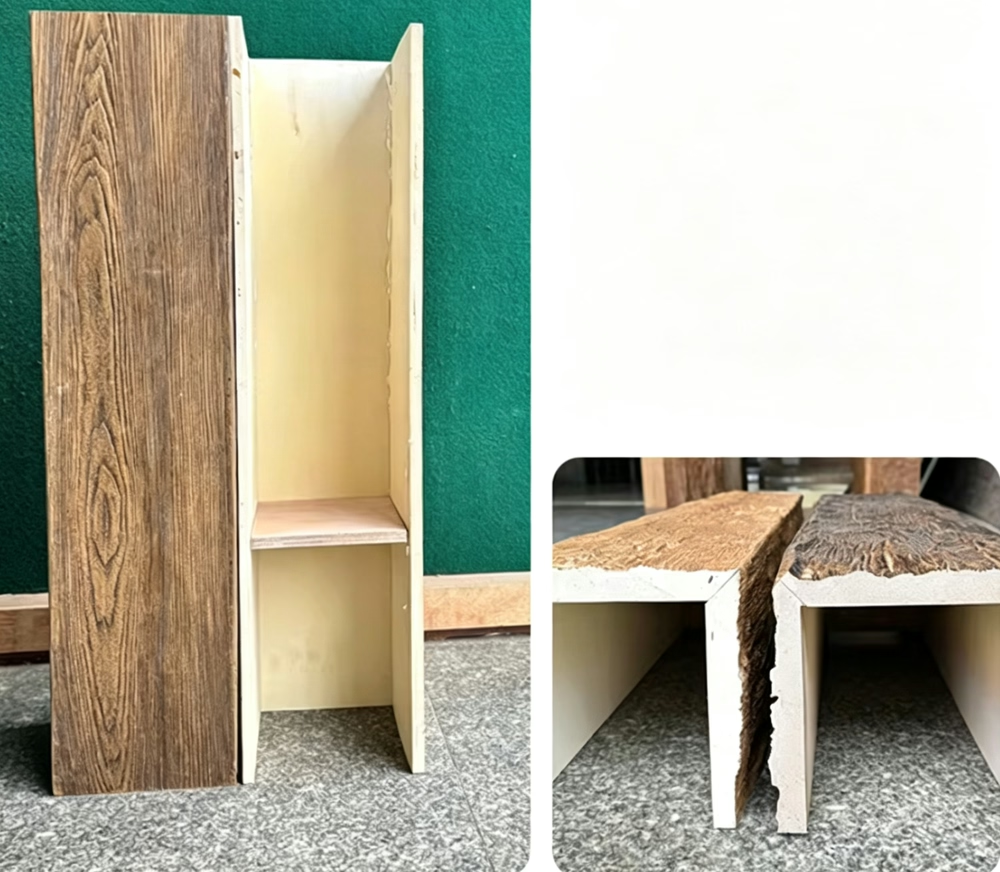
Grain printing technology transfers detailed wood grain patterns onto polyurethane surfaces with remarkable fidelity. The patterns derive from actual teak samples, capturing the characteristic features that identify the species. Advanced printing achieves resolution that fools close inspection.
Finish topcoats provide protection while maintaining the natural appearance that teak's oiled surfaces present. The topcoat should enhance rather than mask the color and grain beneath, creating the slight sheen that characterizes oiled teak without appearing plastic or glossy.
Aging treatments add the subtle patina that suggests maturity without looking artificially distressed. Light sanding in random patterns, strategic darkening in crevices, and selective surface disruption create the impression of gentle use without obvious manipulation.
Applications in Tropical Luxury Interiors
Teak finish beams serve interior design approaches that embrace warmth, natural materials, and tropical sophistication. The applications span residential and commercial projects with consistent design intentions.
Spa and wellness environments benefit from the warmth that teak aesthetics provide. Steam rooms, treatment areas, and relaxation spaces achieve the tropical resort atmosphere that clients seek. The moisture resistance of polyurethane provides practical advantages in these humid environments that genuine teak would not offer.
Luxury residential interiors in coastal and warm-climate regions find teak finish beams coordinate naturally with the indoor-outdoor lifestyle these locations support. The beams create warmth that balances the casual, natural materials—stone, rattan, linen—that characterize these interiors.
Hospitality environments including boutique hotels, resort restaurants, and luxury vacation rentals use teak finish beams to establish identity that differentiates from competitors. The distinctive appearance creates memorable atmospheres that support brand recognition and guest experience.
Integration With Tropical Design Systems
Teak finish beams participate in comprehensive interior compositions that extend beyond the ceiling plane. Successful integration requires attention to relationships with surrounding materials and elements.
Material coordination in tropical interiors typically involves natural materials that complement teak's warmth. Stone surfaces, woven textiles, rattan and bamboo elements, and plants all coordinate with teak finish. The beam finish should relate to these materials in ways that create harmony rather than competition.
Color relationships extend the warm palette that teak establishes. Earth tones, ocean blues, and sunset oranges all extend from the golden-brown foundation that teak provides. The beams become part of a color story that encompasses the entire interior composition.
Texture layering adds tactile interest to complement visual appeal. Smooth teak surfaces contrast with rougher stone, woven textiles, and organic materials. The texture vocabulary should be considered when selecting beam profiles and finishes.

Climate Considerations for Teak Finish Beams
The performance of teak finish in different climate conditions affects specification decisions and long-term satisfaction.
Humidity resistance makes polyurethane particularly suitable for the warm, humid conditions where tropical design is most appropriate. The material does not absorb moisture, swell, or develop the mold and mildew issues that natural wood faces in these conditions.
Temperature stability ensures that beams maintain their dimensions and appearance despite the temperature variations that unconditioned or partially conditioned spaces may experience. Polyurethane's dimensional stability eliminates the movement and seasonal adjustment that natural wood requires.
UV protection in premium finishes prevents the color shift that might otherwise occur in spaces with significant natural light. The tropical sun can be intense, and finishes without UV stabilization may degrade over time.
Maintenance of Teak Finish
Teak finish beams require minimal maintenance compared to genuine teak, which traditionally demands regular oiling to maintain its appearance.
Routine cleaning using soft, damp cloth removes dust and accumulated contaminants. The non-porous surface does not require oil replenishment or specialized cleaners. Simple maintenance preserves the premium appearance indefinitely.
Damage resistance provides advantages that genuine teak cannot match. The urethane base and protective coating withstand impact, scratches, and abrasion that would mark natural wood. Active households, commercial spaces, and high-traffic areas all benefit from this durability.
Long-term appearance retention means that the warm teak aesthetics persist without the graying that natural teak develops when left unfinished. The premium finish maintains its color and character throughout the service life of the installation.
Teak finish polyurethane beams make tropical luxury accessible to projects that genuine teak would exclude. The combination of authentic appearance, practical performance, and reasonable cost opens design possibilities that scarcity and expense would otherwise limit.
Technical References
ASTM standards cited in every specification
Test Data
Lab results from internal testing program
Updated 2026
Reviewed against current product specs


