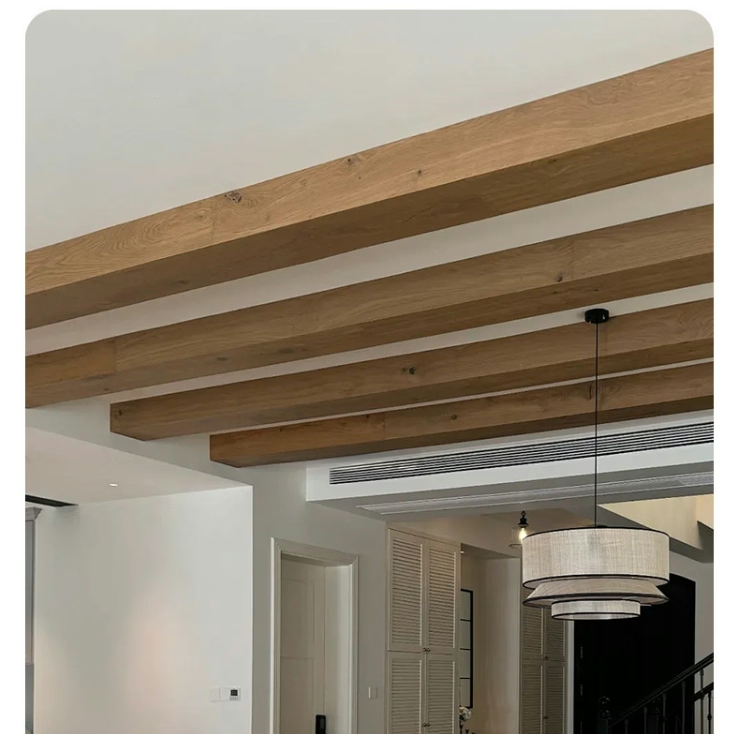
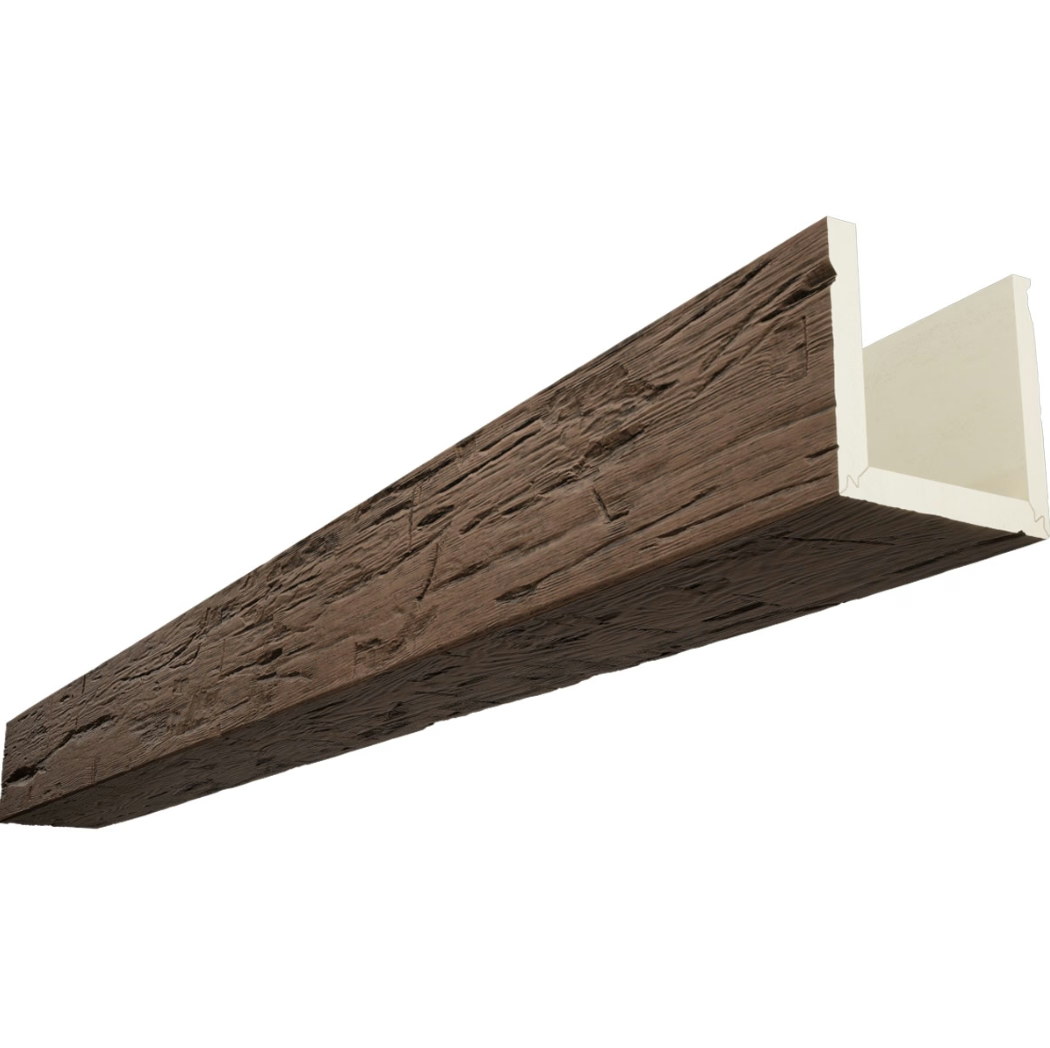
Modern procurement expectations have been shaped significantly by e-commerce platforms that promise rapid delivery on vast product catalogs. Construction and building materials have historically lagged behind consumer goods in shipping speed, but the situation is changing rapidly. Prime shipping eligible PU faux wood beams now reach US customers within days rather than the weeks traditionally associated with specialty building material procurement.
This shipping evolution responds to changing customer expectations across both residential and commercial contexts. Homeowners undertaking weekend renovation projects cannot wait weeks for materials to arrive. Interior designers managing client installations work within tight schedules that demand reliable material availability. Commercial contractors face penalty clauses that make delivery delays costly. Prime eligibility addresses these realities directly.
Understanding Prime Shipping Programs
Major e-commerce platforms have developed fulfillment networks specifically designed for rapid delivery. Prime-type programs guarantee delivery within one to two business days for eligible items, with some products qualifying for same-day or next-day delivery in metropolitan areas. These guarantees apply to in-stock items that can be picked, packed, and shipped quickly.
For building materials like faux wood beams, achieving Prime eligibility requires maintaining inventory in strategically located warehouses within these fulfillment networks. Manufacturers and distributors position stock specifically for Prime eligibility, accepting inventory carrying costs in exchange for access to the larger customer base that Prime programs provide.
Not all beam products qualify for Prime shipping, and availability varies by location. Oversized items may exceed fulfillment network capabilities, while unusual dimensions or custom products cannot be held in inventory. Understanding which products qualify helps set appropriate expectations about delivery timelines before placing orders.
Inventory and Stocking Strategies
Sustaining Prime eligibility requires ongoing attention to inventory management. Fulfillment networks track availability in real-time, and items that sell out lose Prime status until stock is replenished. Suppliers maintain buffer inventory to prevent stockouts, balancing carrying costs against the customer service benefits of consistent availability.
Popular beam configurations and standard dimensions are most commonly held for Prime-eligible inventory. Common beam lengths like eight, ten, and twelve feet typically appear in stock, while unusual lengths or custom configurations may require longer lead times. Customers with standard requirements benefit most from Prime-eligible options.
Warehouse positioning affects which delivery timeframes prove achievable. Items stocked in facilities near major metropolitan areas qualify for same-day or next-day delivery to those areas, while customers in more remote locations may require additional transit time. Understanding the geographic relationship between available inventory and delivery addresses helps set realistic expectations.

Project Planning with Expedited Shipping
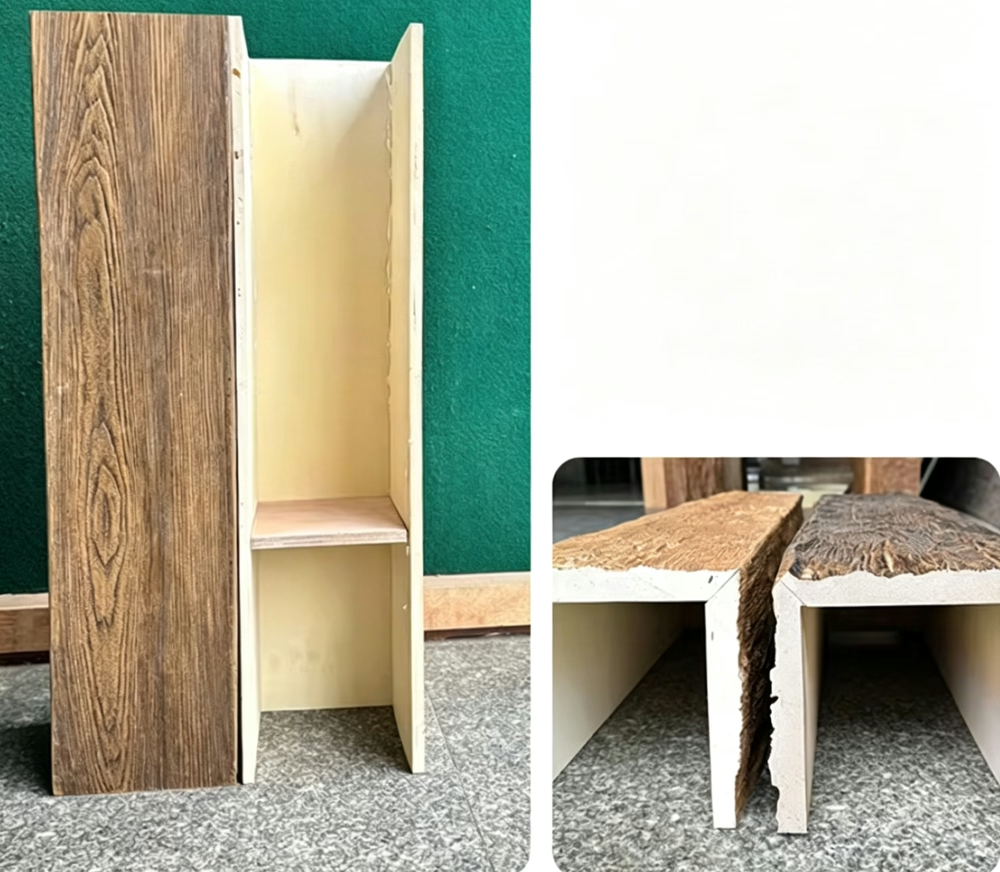
Time-sensitive projects benefit from early material procurement that accounts for potential delivery variations. While Prime programs provide reliable delivery estimates, weather events, carrier capacity issues, and other factors occasionally cause delays. Building buffer time into project schedules prevents last-minute scrambling if delivery takes longer than expected.
Installation scheduling should await confirmed delivery before committing to contractor timelines. The temptation to schedule installation before materials arrive creates risk that Prime shipping, despite its reliability, cannot entirely eliminate. Responsible project management confirms material receipt before confirming downstream schedules.
For projects requiring multiple components, coordinating delivery of all items prevents partial installations. Beams arriving before mounting hardware, or mounting hardware arriving before beams, creates inefficiencies that coordinated ordering can prevent. Some suppliers offer consolidated shipping options that align multiple components for simultaneous delivery.
Cost Considerations
Prime shipping typically involves membership fees that provide unlimited expedited shipping on eligible items. These fees represent annual investments that pay off for frequent purchasers but may not justify for occasional buyers. Evaluating purchase frequency helps determine whether Prime membership makes economic sense for individual situations.
Individual order shipping costs without Prime membership can be substantial for oversized items like beams. The dimensional weight pricing that carriers apply to large, lightweight packages creates shipping costs that sometimes exceed product prices. Comparing total landed costs including shipping against Prime-eligible alternatives from different sellers helps identify optimal procurement approaches.
For commercial buyers, commercial account programs may offer shipping advantages that compete with or exceed consumer Prime programs. Volume discounts, net payment terms, and dedicated support often accompany commercial accounts, potentially providing better value than consumer-focused programs despite similar delivery speeds.
Quality Verification with Expedited Orders
Receiving materials quickly limits the time available for advance quality verification. Unlike orders placed with extended lead times that allow questions or concerns to be addressed before shipping, expedited orders may arrive with issues that can only be identified after delivery. Understanding return policies and quality assurance procedures proves particularly important for Prime orders.
Visual inspection upon delivery should occur before accepting shipments. Noting any visible damage on delivery receipts preserves return and replacement options. Internal inspection shortly after delivery identifies any concealed damage that might not be apparent from exterior examination.
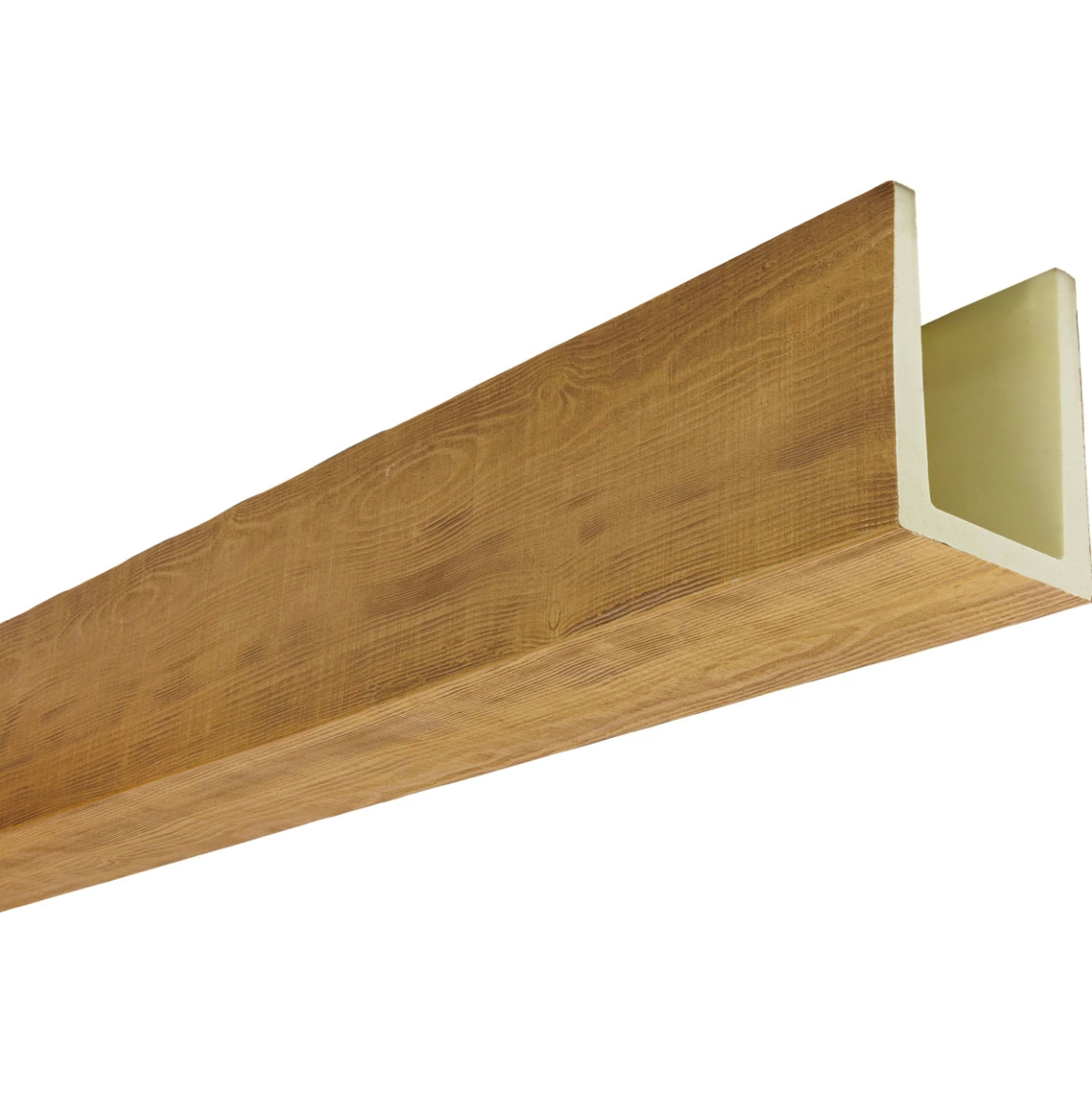
Product specifications should be verified against order confirmations before beginning installations. Dimensions, finishes, and quantities should all match expectations, with any discrepancies addressed before project work begins. Installation work on incorrect materials creates rework costs that proper verification prevents.
Returns and Customer Service
Return processes for Prime-eligible items typically align with platform policies that favor buyers. Return windows, condition requirements, and refund processing follow standardized procedures that experienced buyers understand. New buyers should review return policies before ordering to ensure they align with project needs and risk tolerance.
Customer service channels for Prime orders often provide expedited response compared to direct supplier relationships. E-commerce platforms have invested heavily in customer service infrastructure, with chat, phone, and email options available around the clock. This accessibility proves valuable when urgent questions or concerns arise during time-sensitive projects.
Dispute resolution through platform mediation generally favors buyers, creating purchasing security that encourages confident buying. This protection, combined with rapid shipping, creates low-friction procurement experiences that traditional specialty material purchasing cannot match.
Prime shipping eligible PU faux wood beams democratize access to quality building materials that were previously difficult to obtain quickly. By positioning inventory strategically and leveraging sophisticated fulfillment networks, suppliers make rapid procurement possible for customers who cannot accommodate traditional lead times.
Technical References
ASTM standards cited in every specification
Test Data
Lab results from internal testing program
Updated 2026
Reviewed against current product specs