International home decor importing represents a complex business that balances product selection, supply chain management, quality control, and market positioning across multiple channels. PU faux timber beams have become increasingly prominent in these trade flows, driven by growing demand for wood aesthetics without the cost and weight of authentic timber. Wholesale importers who establish private label programs for these products gain competitive advantages that extend beyond simple procurement cost savings.
The wholesale home decor import market serves diverse customers including retail stores, e-commerce sellers, interior designers, and commercial project buyers. Each channel has distinct requirements regarding order sizes, delivery expectations, documentation needs, and price sensitivity. Private label programs must accommodate this diversity while maintaining consistent brand positioning and operational efficiency.
Import Logistics for Private Label Beams
International procurement of private label beams introduces logistics complexity beyond domestic purchasing. Shipping lead times extend from weeks to months, requiring careful inventory planning that accounts for transit duration alongside production and processing time. Importers must maintain buffer inventory sufficient to serve customers while awaiting replenishment shipments.
Customs procedures vary significantly across import countries, affecting both cost and delivery timeline. Tariff classifications for PU beams may differ from natural wood products, potentially offering favorable duty rates for manufactured materials. Understanding applicable regulations, required documentation, and clearance procedures prevents costly delays and compliance issues.
Quality control for imported products requires different approaches than domestic sourcing. Inspections at origin verify product conformance before shipping, but limitations exist on what can be verified before goods arrive. Establishing clear quality specifications, acceptance criteria, and communication protocols with manufacturers helps prevent disputes when goods arrive with issues not discovered during origin inspection.
Market Adaptation Strategies
Successful wholesale importers adapt private label offerings to their specific market requirements. Color preferences, dimensional standards, and packaging expectations vary across regions and customer segments. Products developed for one market may require modification before serving another, affecting private label program structures.
Regulatory compliance in destination markets may impose additional requirements on private label products. Fire ratings, environmental certifications, and building code compliance can affect product eligibility for certain applications. Understanding these requirements during product development prevents costly rejections or product recalls after goods have been imported.
Pricing strategies must account for total landed costs including product cost, shipping, duties, insurance, and handling. Private label margin requirements must align with market realities, with pricing positioned competitively against both branded alternatives and direct manufacturer competition. Sophisticated importers analyze complete cost structures before establishing private label pricing.

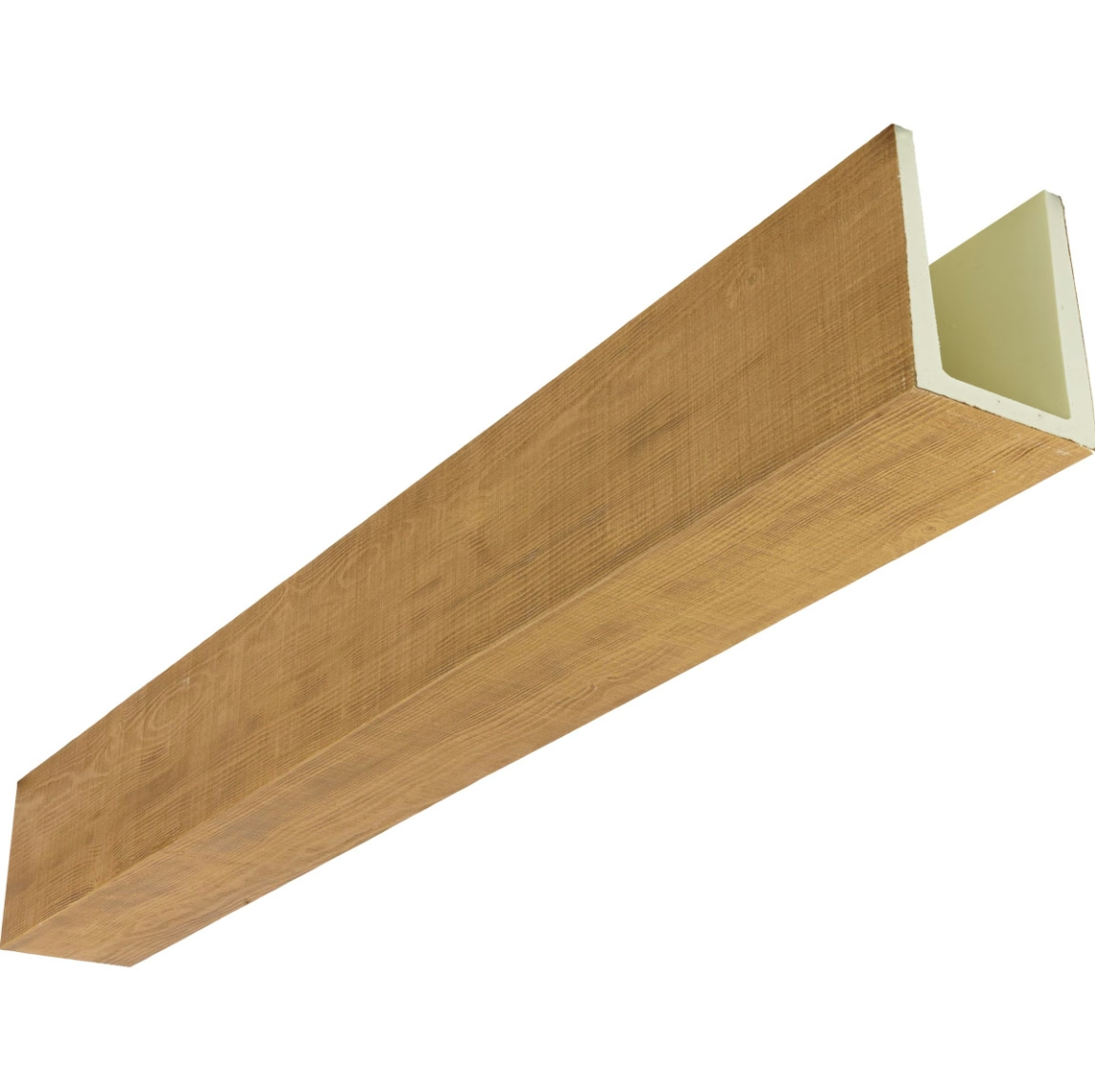
Channel-Specific Private Label Approaches
Wholesale importers serving retail channels require different private label approaches than those focused on commercial projects. Retail customers expect consumer-friendly packaging, clear installation guidance, and accessible warranty support. Products must present well on retail shelves and e-commerce listings, with branding that conveys quality and value.
E-commerce channels demand products optimized for online selling, including professional photography-ready surfaces, detailed specifications for listing content, and reliable availability for recurring sales. E-commerce private label programs often emphasize packaging that survives shipping while creating positive unboxing experiences for end customers.
Commercial project customers prioritize performance specifications, installation compatibility, and volume pricing over consumer-facing presentation. Private label programs serving these customers may involve less packaging investment but greater attention to technical specifications and project support capabilities.
Building Sustainable Competitive Advantage
True competitive advantage in wholesale importing requires more than simply attaching a brand to manufactured products. Sustainable differentiation comes from understanding customer needs, curating product selections, providing technical support, and delivering reliable service that creates switching costs for customers.
Product curation represents an often-overlooked source of differentiation. Selecting which products to offer, positioning them appropriately, and creating cohesive product families that address specific customer needs creates perceived value beyond the products themselves. Importers who thoughtfully curate selections become trusted advisors rather than simple transaction facilitators.
Technical expertise adds further value for customers requiring guidance on product selection, installation approaches, or project planning. Developing deep knowledge about beam applications, compatibility with other building materials, and installation best practices enables customer support that distinguishes informed importers from commodity competitors.
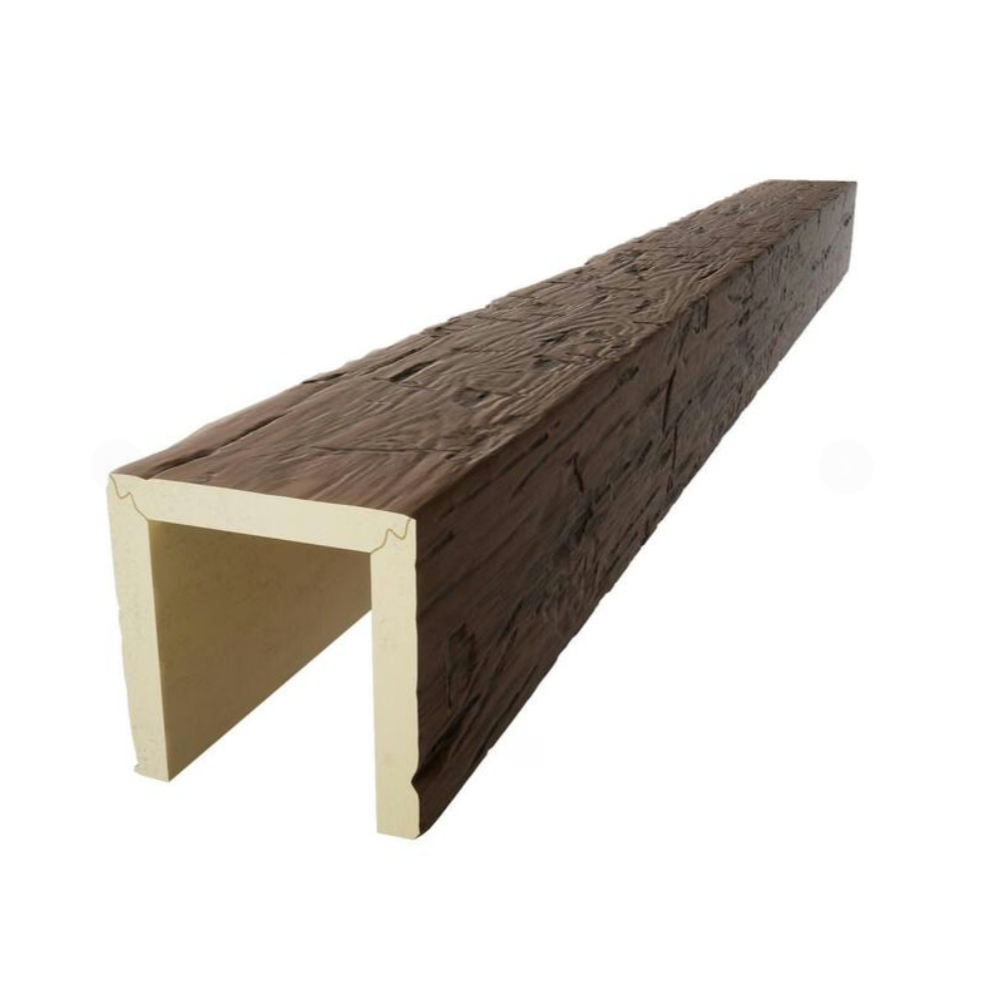
Relationship Management with Manufacturers
Long-term success in private label importing depends heavily on manufacturer relationships that evolve beyond transactional purchasing. Manufacturers who view importers as valued partners provide better service, earlier access to new products, and more flexible arrangements during challenging periods. Cultivating these relationships requires communication, reliability, and mutual respect.
Volume commitments often secure better pricing and priority treatment, but importers must balance commitment benefits against inventory risk. Contract structures that provide some flexibility while rewarding commitment help manage this balance. Understanding manufacturer constraints and priorities enables structuring arrangements that work for both parties.
Regular communication about market conditions, customer feedback, and product performance helps manufacturers serve importer needs effectively. Sharing insights about what sells, what fails, and what customers want enables manufacturers to develop products that meet market requirements. This collaborative approach strengthens partnerships while improving product-market fit.
Financial Management for Import Operations
Working capital requirements for import operations exceed those for domestic purchasing due to longer transit times and inventory needs. Capital gets committed to products months before sales revenue returns, requiring careful planning to maintain cash flow health. Private label programs must account for this extended cash conversion cycle.
Currency exposure affects private label economics when purchasing occurs in foreign currencies. Exchange rate movements can improve or erode margin unexpectedly, requiring either risk acceptance or hedging strategies. Understanding and managing this exposure prevents unpleasant surprises that might undermine otherwise successful programs.
Credit facilities tailored to import operations provide essential support for scaling private label programs. Trade finance specialists understand the documentation requirements, timing patterns, and risk profiles specific to international purchasing. Establishing appropriate credit facilities before they're urgently needed enables growth without cash flow constraints.
Private label custom branded PU faux timber beams serve wholesale home decor importers seeking to build differentiated positions in competitive markets. By addressing the unique logistics, quality, and service requirements of international trading, these programs create opportunities for importers willing to invest in building sustainable competitive advantages.
Technical References
ASTM standards cited in every specification
Test Data
Lab results from internal testing program
Updated 2026
Reviewed against current product specs


