The difference between a convincing faux wood beam installation and an obvious imitation often comes down to decisions made during planning and installation. Professional interior designers who specialize in beam installations have developed techniques through years of experimentation and observation that transform budget-friendly polyurethane beams into architectural features that even woodworking experts might mistake for authentic timber. These professional insights reveal the details that matter most when authenticity is the goal.
Understanding what makes real wood appear authentic requires careful observation of how timber behaves in various contexts. Natural wood beams carry the marks of their organic origins—subtle color variations, imperfect grain patterns, and wear patterns that speak to history and use. Faux beams, while manufactured to high quality standards, often appear artificial precisely because they lack these organic imperfections. Professional techniques address these gaps through deliberate design choices and installation approaches.
Lighting as a Design Tool
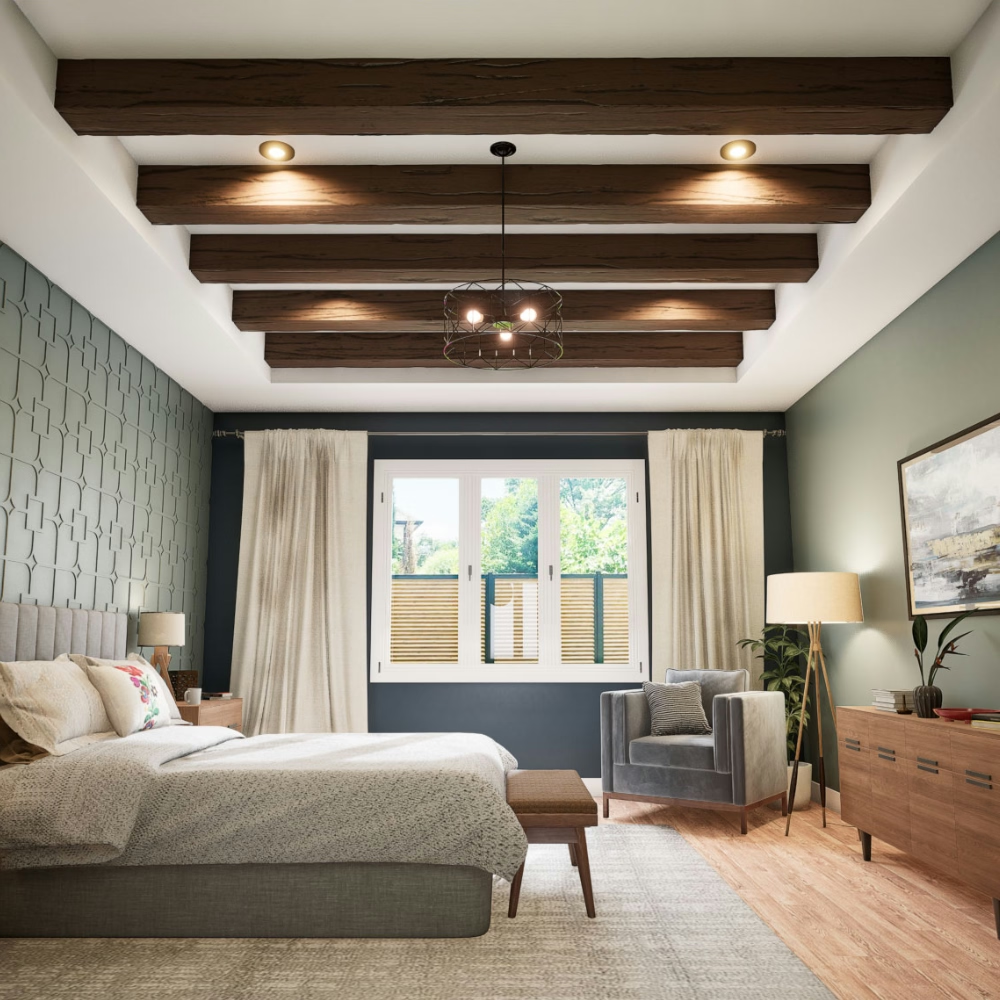
Professional designers consistently emphasize lighting as the most powerful tool for enhancing beam realism. The angle, intensity, and color temperature of light striking beam surfaces dramatically affects how texture reads to observers. Side lighting at shallow angles creates shadows within wood grain that emphasize texture depth, while front lighting tends to flatten surfaces and reduce dimensional appearance.
Natural daylight creates constantly changing conditions throughout the day, revealing different aspects of beam texture as sun angles shift. North-facing rooms or spaces with indirect natural light often prove ideal for beam installations because the softer, more consistent illumination reveals texture without harsh shadows that might expose manufacturing limitations. Understanding how natural light moves through spaces informs optimal beam placement and orientation.
Supplementary artificial lighting allows designers to control beam presentation deliberately. Recessed fixtures, track lighting, or wall sconces can be positioned to create grazing illumination that emphasizes beam texture. LED strip lighting tucked behind beam edges creates soft uplighting that makes beams appear to float while casting subtle shadows that enhance dimensional perception.
Scale and Proportion Considerations
Authentic structural beams were sized based on engineering requirements that often produced visually substantial elements. Faux beams intended to suggest structural origin should maintain similar scale relationships to surrounding architecture. Beams that appear too slender relative to room dimensions immediately signal decorative intent rather than authentic structure.
Ceiling height provides the fundamental reference for appropriate beam sizing. Professional designers often recommend beams sized at approximately one-twelfth of ceiling height for traditional proportions, though contemporary design may favor either more massive or more delicate elements depending on overall aesthetic. Calculating appropriate dimensions based on actual room measurements produces more convincing results than arbitrary selection.
Beam spacing affects both visual weight and perceived ceiling height. Closely spaced beams create visual density that works well in larger rooms with substantial furniture and accessories. Wider spacing allows beams to read as individual elements rather than a repetitive pattern, better suited to simpler spaces or modern aesthetic preferences. The spacing-to-beam-width ratio should maintain visual balance consistent with authentic structural timber.
Integration with Surrounding Elements
Seamless integration with walls, ceilings, and adjacent materials distinguishes professional installations from amateur efforts. Gaps between beams and adjacent surfaces expose the fact that beams are added rather than original architecture. Careful trimming, appropriate mounting techniques, and attention to junction details create the impression that beams belong in the space.
Corner treatment requires particular attention because corners receive close inspection from multiple viewing angles. Mitered joints that meet perfectly at outside corners suggest careful craftsmanship, while poorly executed joints appear careless regardless of beam quality. Inside corners can reveal gaps if not addressed with appropriate trim or caulking.
Matching the architectural style of surrounding elements reinforces authenticity. Craftsman-style homes suit beams with simple profiles and minimal ornamentation, while Victorian interiors might feature more elaborate beam treatments with carved details or decorative end treatments. Consistency between beam style and existing millwork creates unified appearances that read as intentional design rather than afterthought.

Color and Finish Strategies
Color variation within beam surfaces mimics the natural variation present in authentic timber. Uniform coloration appears artificial because real wood never presents perfectly consistent coloring. Beams with subtle tonal variations across surfaces, darker concentrated areas around knots, and gradations from edge to center appear more authentic than flat-colored alternatives.
Aging and weathering effects suggest that beams have been present for extended periods, adding history and character. Light distressing in high-wear locations—edges, corners, and bottom surfaces—creates the impression of beams that have experienced use without damage. These subtle effects should complement rather than overwhelm the overall finish.
Integration with adjacent wood elements requires color coordination that unifies the overall design. Beams that match existing trim or flooring create visual continuity that reinforces authenticity. Deliberate mismatch can also work effectively when it suggests that beams originated from different wood sources, as authentic timber beams in older structures often derive from various trees harvested at different times.
Installation Details That Reveal Authenticity
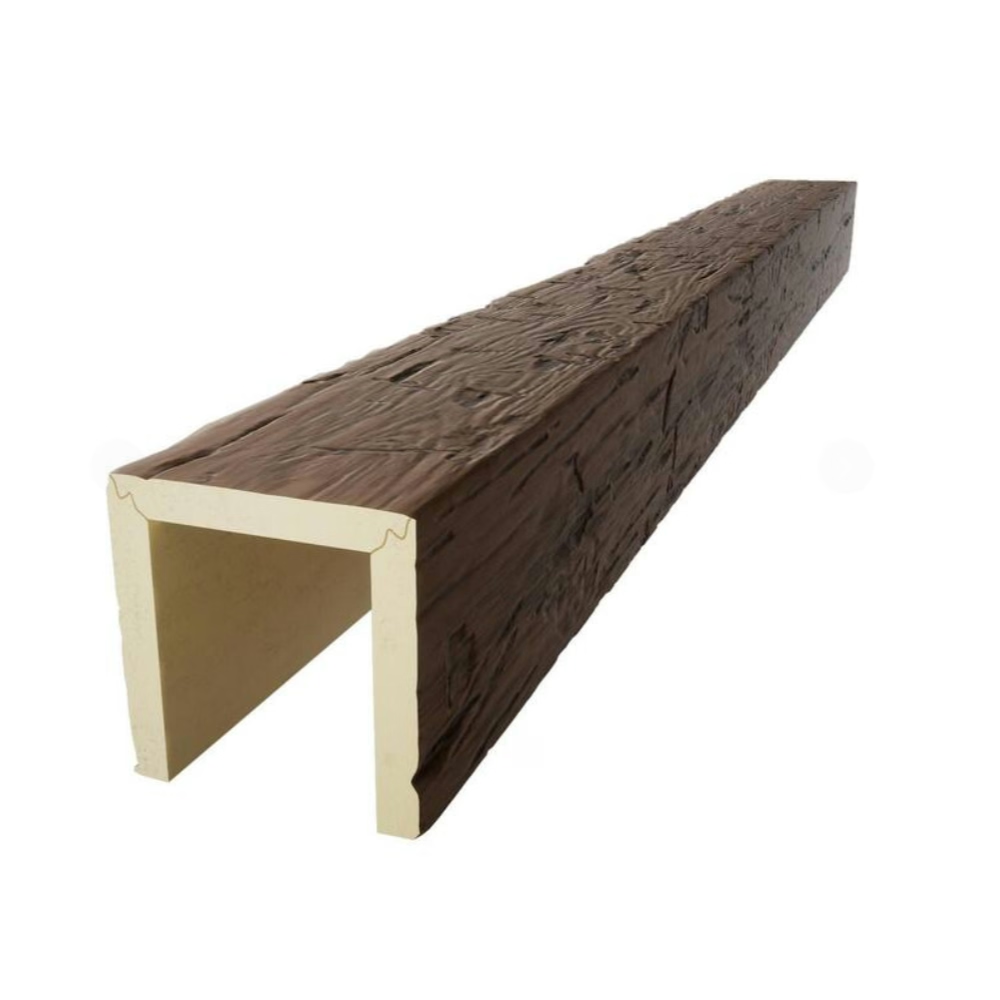
Mounting hardware visibility immediately identifies beams as additions. Professional installers conceal fasteners behind beam profiles, within shadow gaps, or beneath trim pieces that appear original to the architecture. Exposed brackets, visible screws, or mounting plates destroy illusions that other design efforts create.
Weight perception affects how observers subconsciously evaluate beam authenticity. Natural wood carries inherent weight that manifests in how beams settle slightly over time, how they respond to touch, and how they affect room acoustics. While PU beams cannot replicate actual weight, avoiding excessively hollow-sounding constructions and ensuring secure mounting that prevents movement maintains credibility.
Dimensional consistency along beam lengths proves important for realistic appearance. Natural timber exhibits subtle variations that become apparent when beams are examined closely. Perfectly uniform manufactured beams can appear too consistent, especially under raking light that reveals dimensional perfection as artificial. Slight variations in beam depth or width throughout lengths add organic character.
Common Mistakes to Avoid
Oversizing beams beyond architectural context creates obvious decoration that fails to convince. While grand scale can work in large commercial spaces, residential installations should respect room proportions that would have guided original construction. Conservative sizing that might seem underwhelming in isolation often proves more effective in context.
Insufficient texture depth creates flat appearance that undermines realism. The embossed texture on quality PU beams provides dimensional variation that enhanced lighting reveals. Budget products with minimal texturing may look acceptable in catalog photographs but fail scrutiny under actual viewing conditions. Investing in well-textured products pays dividends in authentic appearance.
Neglecting end grain treatment exposes manufactured origins. Beam ends display different characteristics than face surfaces, and unfinished ends or obviously synthetic appearances immediately signal imitation. Quality beams include appropriate end grain treatment that integrates with overall finish.
Professional designers who master these techniques create beam installations that achieve genuine architectural impact. The combination of thoughtful product selection, careful installation, and deliberate lighting design produces results that reward close inspection while creating the visual impact that makes beam installations desirable in the first place.
Technical References
ASTM standards cited in every specification
Test Data
Lab results from internal testing program
Updated 2026
Reviewed against current product specs


