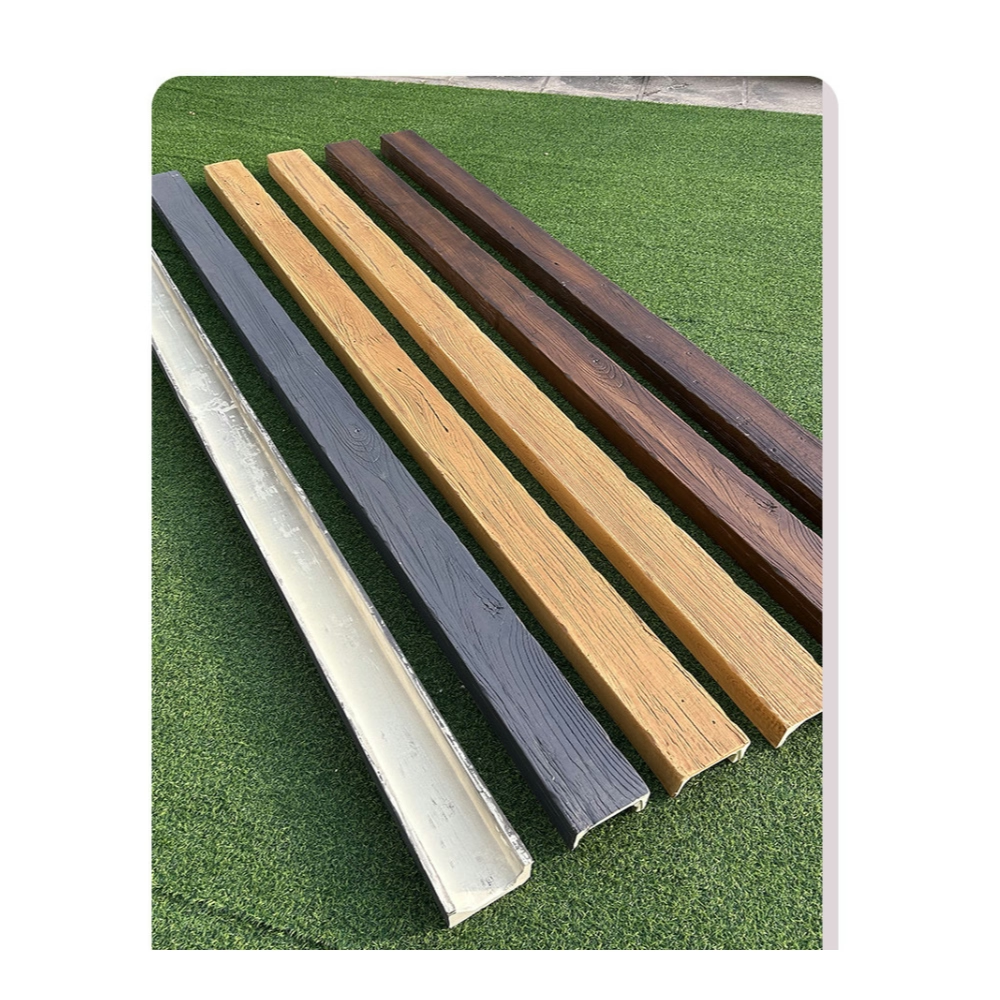
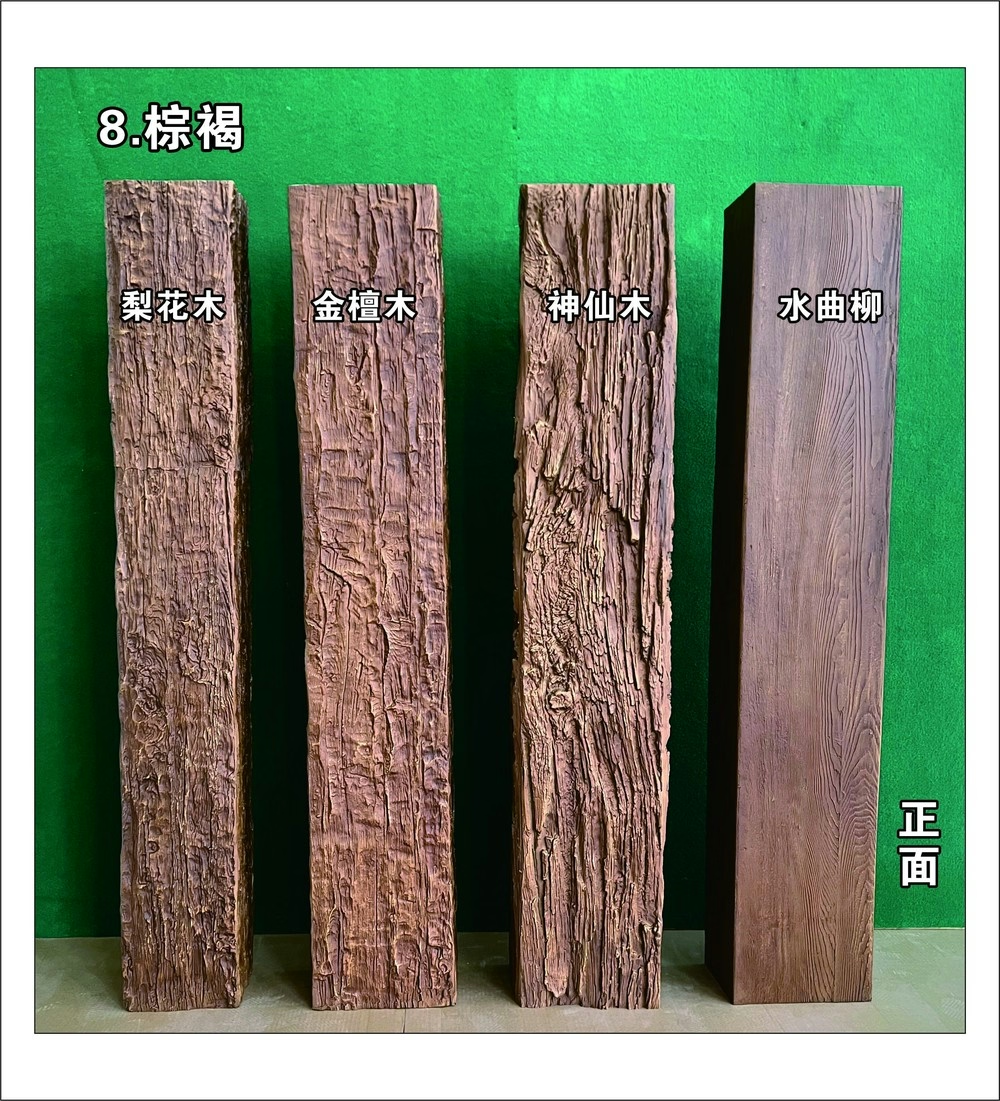
The gap between a good faux wood beam finish and an extraordinary one often comes down to techniques that professional finishers develop over years of practice. These craftspeople understand that authentic wood appearance emerges from countless small details rather than any single dramatic treatment. Their accumulated knowledge addresses the specific challenges that polyurethane surfaces present, transforming manufactured products into convincing wood imitations that satisfy the most critical observers.
Professional finishing requires understanding both the materials being worked with and the visual characteristics that define authentic wood. Polyurethane surfaces accept finishes differently than natural wood, requiring adapted techniques that work with material properties rather than against them. The best finishers develop intuition for how various products behave on PU surfaces, enabling split-second decisions during application that produce superior results.
Foundation Preparation
Surface preparation determines finish quality more than any subsequent treatment. Even the finest finish applied to poorly prepared surfaces will underperform compared to mediocre finishes on well-prepared substrates. Professional finishers examine every beam surface before beginning, identifying any imperfections that might affect the final appearance.
Cleaning removes any release agents, dust, or contamination that might interfere with finish adhesion. Solvent wiping followed by thorough drying prepares surfaces for treatment. Some finishers prefer light sanding to create mechanical bonding surfaces, while others rely on chemical adhesion promoters. Understanding which approach works best for specific products and finishes comes from experience and product testing.
Priming creates consistent base conditions across variable polyurethane surfaces. Stain-controlling primers prevent blotchy coloration on porous areas, while build primers can fill minor surface imperfections. The appropriate primer depends on the finish system being applied and the condition of the beam surface. Professional finishers maintain inventories of appropriate primers for different scenarios.
Color Layering Techniques
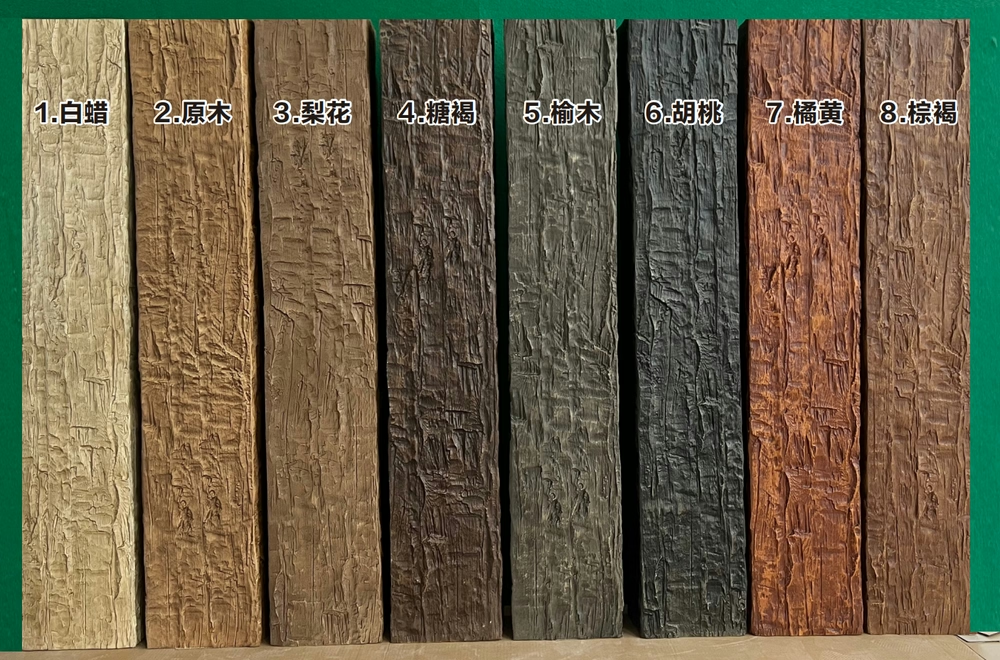
Authentic wood derives its appearance from multiple color sources that interact to create depth. Heartwood and sapwood present different base colors, while growth rings, ray cells, and knots contribute additional color variation. Layering techniques that build multiple color sources create similarly complex appearances on faux beams.
Base coat application establishes foundational color while leaving room for subsequent treatment. Rather than targeting final color immediately, professional finishers apply base coats that will be modified through subsequent layers. This approach creates depth that single-coat applications cannot achieve. The base should be slightly lighter than the target final color, allowing darkening layers to add dimension.
Glazing separates the most powerful technique in the professional finisher's arsenal. Translucent color applied over base coats collects in texture valleys while remaining thin on peaks, automatically creating the tonal variation that authenticates wood appearance. Gel stains work particularly well for this application, allowing controlled color placement without the unpredictability of penetrating stains.

Grain Pattern Enhancement
Manufactured grain texture provides the foundation for realistic wood appearance, but professional enhancement elevates this foundation to convincing authenticity. Dry brushing techniques add lighter color to grain peaks while leaving valleys darker, emphasizing the dimensional quality that grazing light reveals.
Grain line treatments address the flowing patterns that define different wood species. For oak beams, pronounced ray patterns receive individual attention through careful color application. Maple beams benefit from subtle grain line darkening that suggests the understated figure characteristic of this species. Matching treatment to intended wood species ensures coherent results.
Knot treatment requires specific attention because knots present distinctive visual characteristics that generic finishing cannot replicate convincingly. Dark center coloration surrounded by distorted grain patterns creates the appearance of aged, character-rich timber. Multiple treatment layers build the complexity that makes knot reproduction convincing.
Aging and Weathering Effects
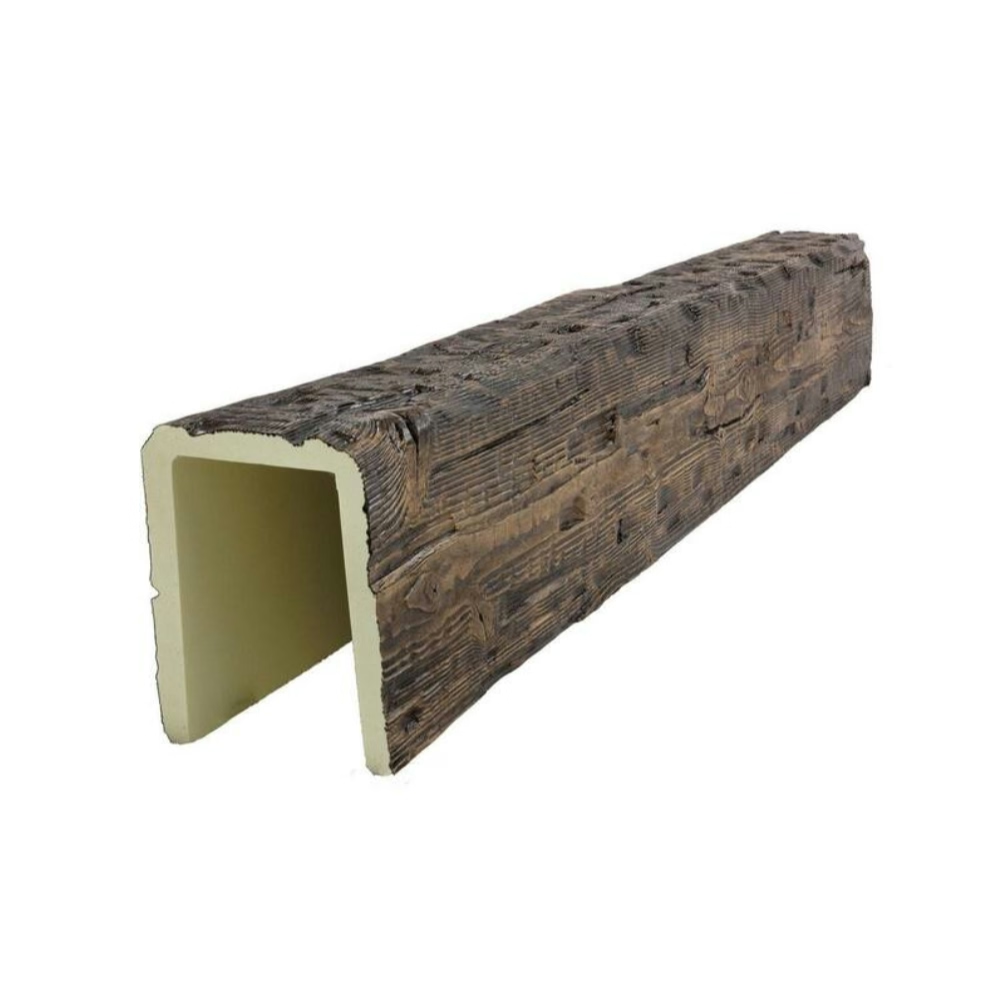
Authentic timber beams display wear patterns that communicate age and use. Strategic distressing adds these visual characteristics to faux beams, suggesting history that newer construction lacks. The key lies in restraint—distressing should suggest age without appearing damaged or neglected.
Edge wear focuses on corners and edges where natural wood experiences the most handling and contact. Subtle rounding and color loss in these locations creates impressions of beams that have existed within living spaces for extended periods. This treatment should complement rather than overwhelm overall finish quality.
Patina development through toner application adds warmth that prevents finishes from appearing too clean or new. Subtle yellowing or amber toning suggests the chemical changes that occur in aged wood, particularly in locations protected from light exposure. This treatment works best when applied selectively rather than across entire surfaces.
Sealing and Protection
Topcoat selection significantly affects both appearance and durability. Film-building finishes like lacquer and polyurethane create protective layers that resist wear while potentially adding slight gloss that enhances grain depth. Penetrating finishes like oil sealers soak into surfaces while leaving more natural appearance.
sheen level selection requires balancing aesthetic preferences against practical considerations. Satin and semi-gloss sheens often work best for faux wood because they suggest the moderate reflectivity of aged wood while remaining practical for regular cleaning. High gloss appears too artificial, while flat finishes may appear dull or unfinished.
Application technique affects final appearance as much as product selection. Even coating application without runs, sags, or holidays ensures consistent protection and appearance. Multiple thin coats typically outperform single heavy applications, with adequate drying time between coats preventing solvent entrapment that might cause later problems.
Common Finish Challenges
Orange peel texture appears when spray application produces rough surfaces rather than smooth ones. This common problem results from improper viscosity, incorrect spray technique, or inadequate conditions. Addressing each potential cause systematically resolves most orange peel issues.
Blotchy coloration occurs when stain absorbs unevenly across surfaces. On PU beams, this often results from inconsistent surface porosity or inadequate priming. Conversion to a staining system that provides more controlled color application typically resolves blotchiness.
Fish eye and cratering indicate contamination that prevents proper finish adhesion. Silicone contamination represents the most common cause, often introduced through lubricants, polishes, or personal care products. Identifying and eliminating contamination sources prevents recurrence after repair.
Professional Finishing Workflow
Experienced finishers follow consistent workflows that produce reliable results. Initial assessment identifies specific requirements and challenges before proceeding. Preparation addresses any surface issues before finishing begins. Color building proceeds through logical sequences that build complexity gradually.
Documentation of processes and color formulas enables reproduction of successful finishes. Notes about mixing ratios, application techniques, and drying times preserve knowledge that might otherwise be lost. This documentation proves particularly valuable when finishing requires interruption or when matching existing installations.
Quality checking at each stage prevents problems from propagating through subsequent steps. Catching issues early enables correction before additional work builds upon problems. Final inspection under various lighting conditions verifies that finishes perform appropriately across the range of conditions installations will encounter.
Hyper-realistic faux timber beam finishes result from knowledge, technique, and attention to detail applied systematically throughout the finishing process. Professional finishers who master these approaches create results that exceed what most observers believe possible from manufactured products.
Technical References
ASTM standards cited in every specification
Test Data
Lab results from internal testing program
Updated 2026
Reviewed against current product specs