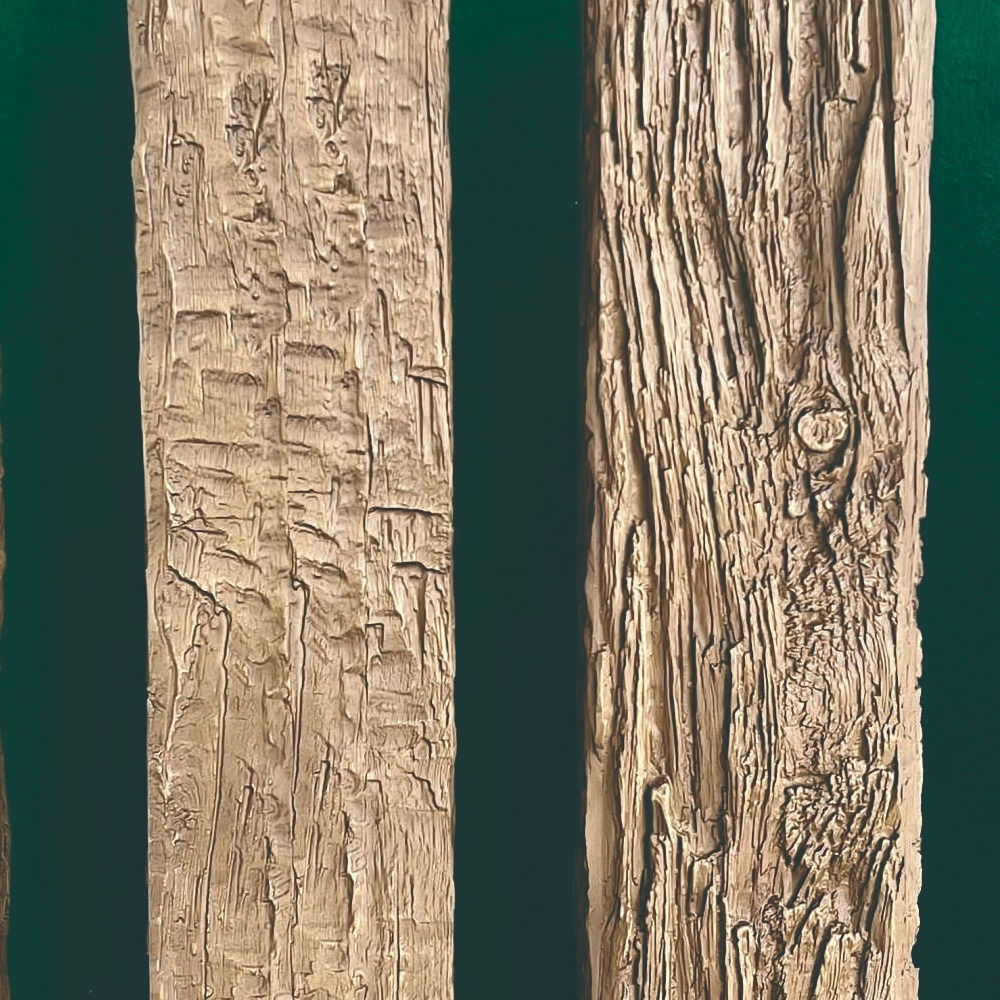
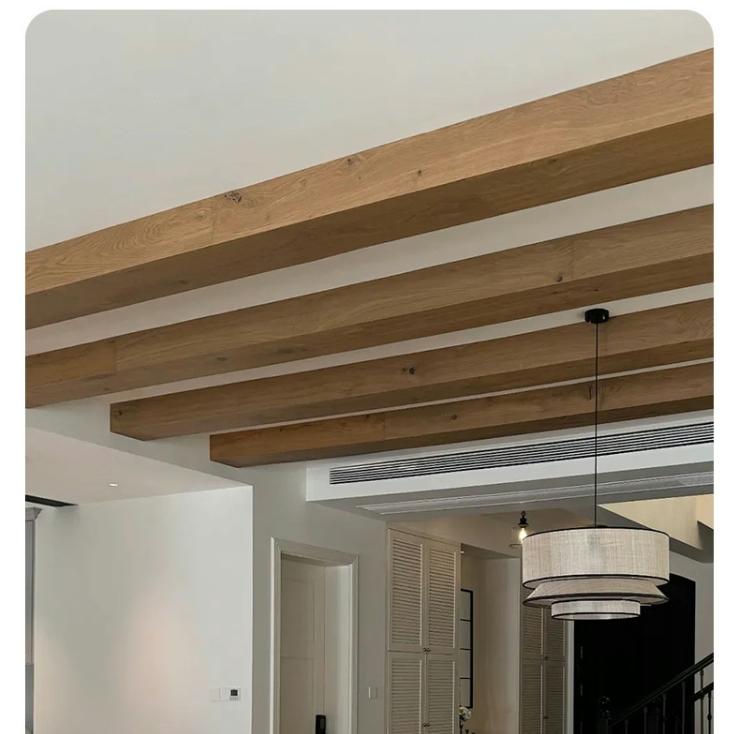
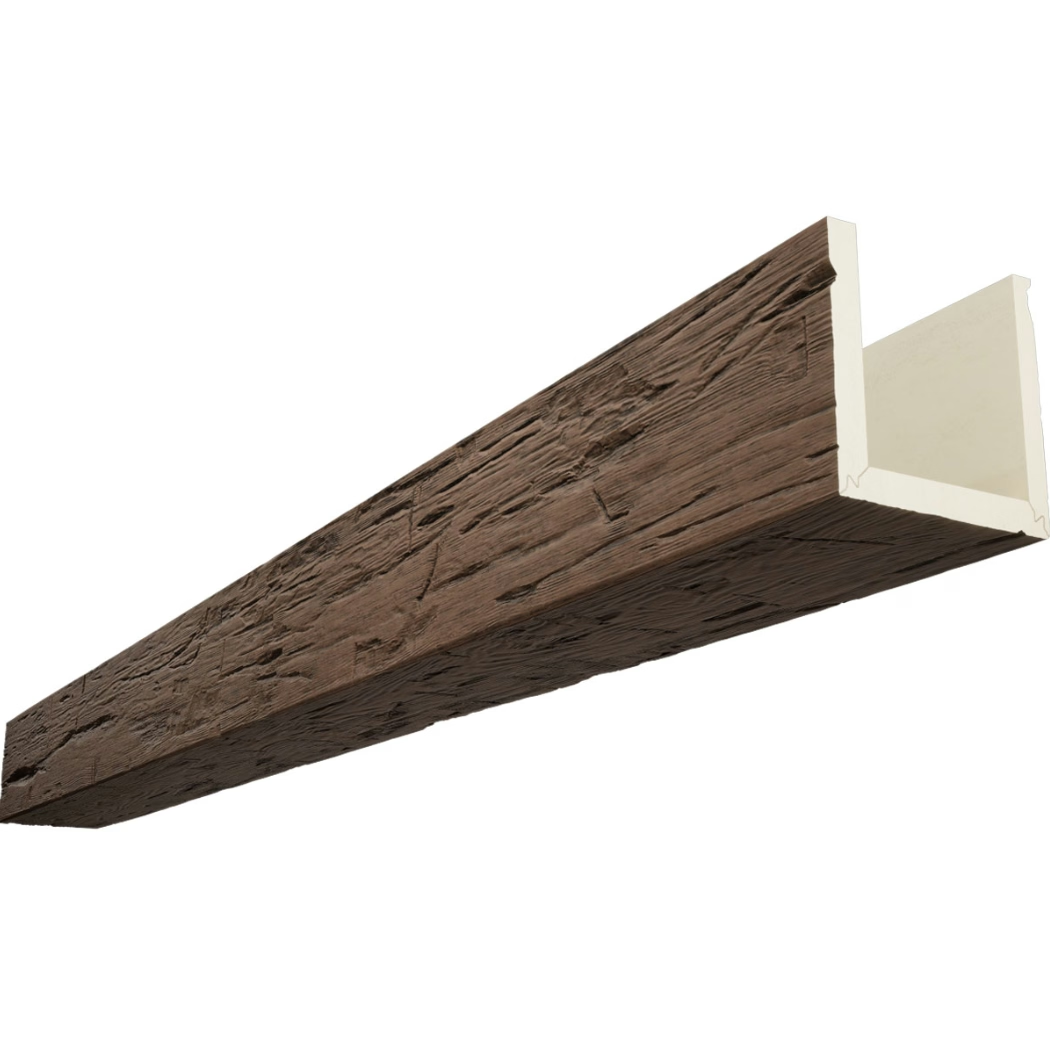
High-humidity environments present unique challenges for architectural woodwork, where traditional materials often succumb to mold, mildew, and moisture damage. Polyurethane faux timber beams with enhanced antimicrobial protection offer a compelling solution for spaces like bathrooms, covered pools, spa facilities, and coastal homes. Understanding the technology and applications helps designers specify appropriate products for challenging installations.

Understanding Mold and Moisture Challenges
Mold growth requires three conditions: organic material as food, adequate moisture, and appropriate temperatures. Polyurethane itself provides minimal nutrition for mold organisms, but dust accumulation, airborne particles, and surface residues can provide sufficient nutrients for colonization. In humid environments where condensation forms regularly, these surfaces become vulnerable to fungal growth that creates both aesthetic problems and potential health concerns.
Natural wood presents particular challenges in humid applications. Hardwoods resist moisture absorption better than softwoods, but all wood species can harbor mold in high-humidity conditions. The porous structure of wood provides not only nutrients but also water retention that extends the wet periods during which mold can actively grow. Sealing can help but typically requires periodic reapplication as coatings degrade.
Humidity levels above 60% create conditions favorable to mold growth, while levels above 80% support rapid colonization. Bathrooms without adequate ventilation, indoor pool areas, and coastal properties exposed to salt air represent particularly challenging applications. Spaces with intermittent humidity peaks may seem manageable but can develop mold colonies during extended high-humidity periods.
Antimicrobial Protection Technology
Modern anti-mold polyurethane beams incorporate antimicrobial additives that inhibit fungal growth on treated surfaces. These additives work through several mechanisms depending on their chemical nature. Some release low concentrations of antimicrobial agents that prevent spore germination and colony establishment. Others create surfaces inhospitable to microbial growth through physical or chemical mechanisms.
Silver-based antimicrobial agents represent the most common technology in premium beam formulations. Silver ions disrupt microbial cell membranes and interfere with enzyme systems essential for organism survival. At the concentrations used in consumer products, silver additives are safe for human contact while remaining effective against a broad spectrum of microorganisms including mold, mildew, and bacteria.
Zinc pyrithione provides another effective antimicrobial option with particular effectiveness against fungal species. This compound has been used successfully in marine applications where salt air creates persistent humidity challenges. When combined with silver technologies, zinc pyrithione creates redundant protection mechanisms that ensure continued antimicrobial performance even if one mechanism is compromised.

Testing and Certification Standards
Antimicrobial performance should be verified through standardized testing rather than assumed based on product claims. ASTM G21 testing evaluates fungal resistance by exposing materials to mixed fungal cultures and observing growth after extended incubation periods. Premium anti-mold products demonstrate ratings of zero or minimal growth under these challenging test conditions.
Independent laboratory certification provides verification that products perform as claimed. Look for certifications from recognized testing organizations rather than self-certified claims. Documentation should specify the exact formulations tested and the performance ratings achieved. Be aware that certification requirements and standards vary by country, and international projects may require different test protocols.
Food safety certifications may be relevant for beams installed in commercial kitchens or food service areas. While standard antimicrobial additives are generally considered safe, products used in these specialized applications should meet relevant food contact regulations. Manufacturers can provide documentation regarding the safety classifications of their antimicrobial systems.
Ideal Applications for Anti-Mold Beams
Indoor swimming pools and aquatic centers represent the most demanding applications for faux wood beams. Constant high humidity, chemical exposure from pool treatments, and large temperature fluctuations create conditions that rapidly degrade most materials. Anti-mold polyurethane beams withstand these challenges while providing the warm, natural aesthetics that contrast effectively with pool environments.

Luxury bathrooms frequently feature exposed beam ceilings or decorative beam accents that would be impractical with natural wood. Steam rooms, saunas, and whirlpool areas present the most challenging humidity conditions, and antimicrobial beam specifications provide long-term performance that would be impossible with untreated materials.
Coastal and lakeside properties experience humidity challenges from salt air and water exposure. Beams on covered porches, verandas, and poolside cabanas near waterfronts benefit from enhanced antimicrobial protection. The combination of moisture and salt creates particularly aggressive corrosion and degradation conditions that premium polyurethane formulations address effectively.
Greenhouse interiors and conservatories present unique humidity challenges where plants require high moisture levels for healthy growth. Anti-mold beams provide aesthetic warmth while standing up to the consistently humid conditions these spaces require. The lightweight nature of polyurethane also simplifies installation in these often-difficult structural environments.
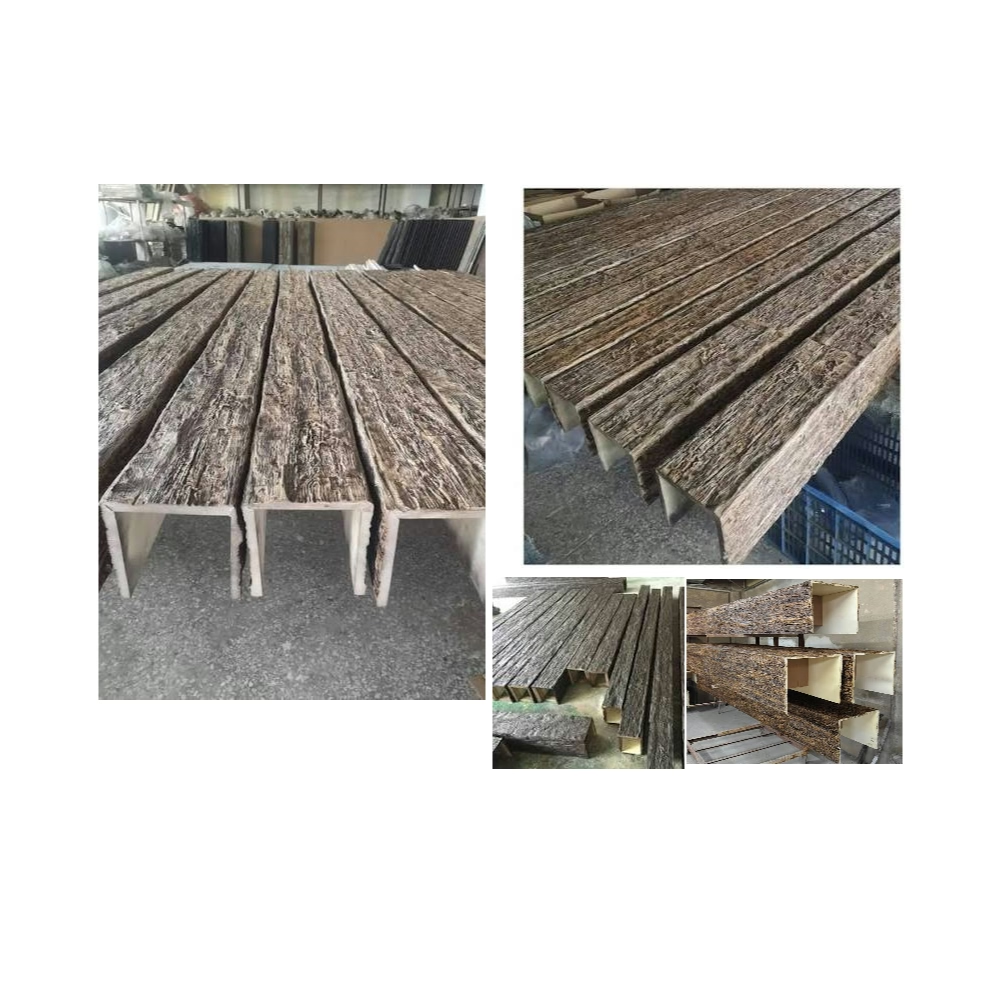
Installation Considerations for Humid Spaces
Proper installation techniques become even more critical in humid environments. All cutting and drilling should be sealed with appropriate caulk or end-grain sealer to prevent moisture infiltration into the beam structure. Even antimicrobial beams can be compromised if water penetrates to unprotected interior surfaces.
Ventilation planning helps manage humidity levels and extends the service life of all materials in humid environments. Exhaust fans, dehumidifiers, and adequate air circulation reduce the time surfaces remain wet and inhibit mold colonization. Anti-mold beams perform best when combined with humidity management strategies rather than relied upon as the sole defense.
Attachment hardware selection affects long-term performance in humid conditions. Stainless steel fasteners prevent the corrosion that would otherwise affect standard steel in damp environments. Adhesive selections should similarly emphasize moisture resistance, and flexible sealants accommodate the dimensional movements that temperature and humidity changes create.
Maintenance Requirements
While anti-mold beams resist microbial colonization more effectively than alternatives, they still benefit from regular cleaning. Dust and organic residues that accumulate on any surface provide potential nutrients for mold, so periodic washing maintains optimal appearance and protection. Mild detergent solutions and soft brushes remove accumulated materials without damaging antimicrobial surfaces.
Inspection and touch-up address any areas where surface damage might compromise antimicrobial protection. Deep scratches or gouges that penetrate through the treated surface layer may need spot treatment with appropriate sealers. Annual inspection of beams in challenging applications identifies potential problems before they develop into visible issues.
Professional maintenance services can provide periodic deep cleaning and inspection for commercial installations. Properties with large beam installations or particularly challenging conditions may benefit from maintenance contracts that ensure consistent care. Documentation of maintenance activities supports warranty claims and demonstrates due care in property management.
Product Selection and Specification
When specifying anti-mold beams, clearly indicate the environmental conditions expected in the application. Different formulations may be optimized for different humidity levels and exposure patterns. Provide details about adjacent materials, cleaning protocols, and any chemical exposures that might affect beam performance.
Request sample pieces for evaluation in the actual installation environment when possible. Accelerated testing provides useful guidance, but nothing replaces observation of actual performance over time. Samples installed in challenging environments can be evaluated after several months to verify that antimicrobial performance meets expectations.
Warranty coverage should be reviewed carefully before specification. Different manufacturers offer different warranty terms, and coverage for antimicrobial performance specifically may vary. Understanding warranty conditions helps set appropriate expectations and ensures that any performance issues can be addressed through proper channels.
Technical References
ASTM standards cited in every specification
Test Data
Lab results from internal testing program
Updated 2026
Reviewed against current product specs