The distinction between standard and architectural grade polyurethane beams reflects fundamental differences in material quality, manufacturing precision, and attention to detail that become apparent in finished installations. High-end residential projects, luxury hospitality installations, and commercial spaces with discerning clients demand the consistent quality that architectural grade products provide. Understanding these differences helps designers and contractors specify appropriately for each application.

Defining Architectural Grade Quality
Architectural grade products meet higher standards across multiple performance categories than standard production items. Material density in architectural grade beams typically exceeds 300 kg/m³, providing improved impact resistance and fastening holding strength essential for professional installations. This density level also supports the crisp detail reproduction that distinguishes premium products from budget alternatives.
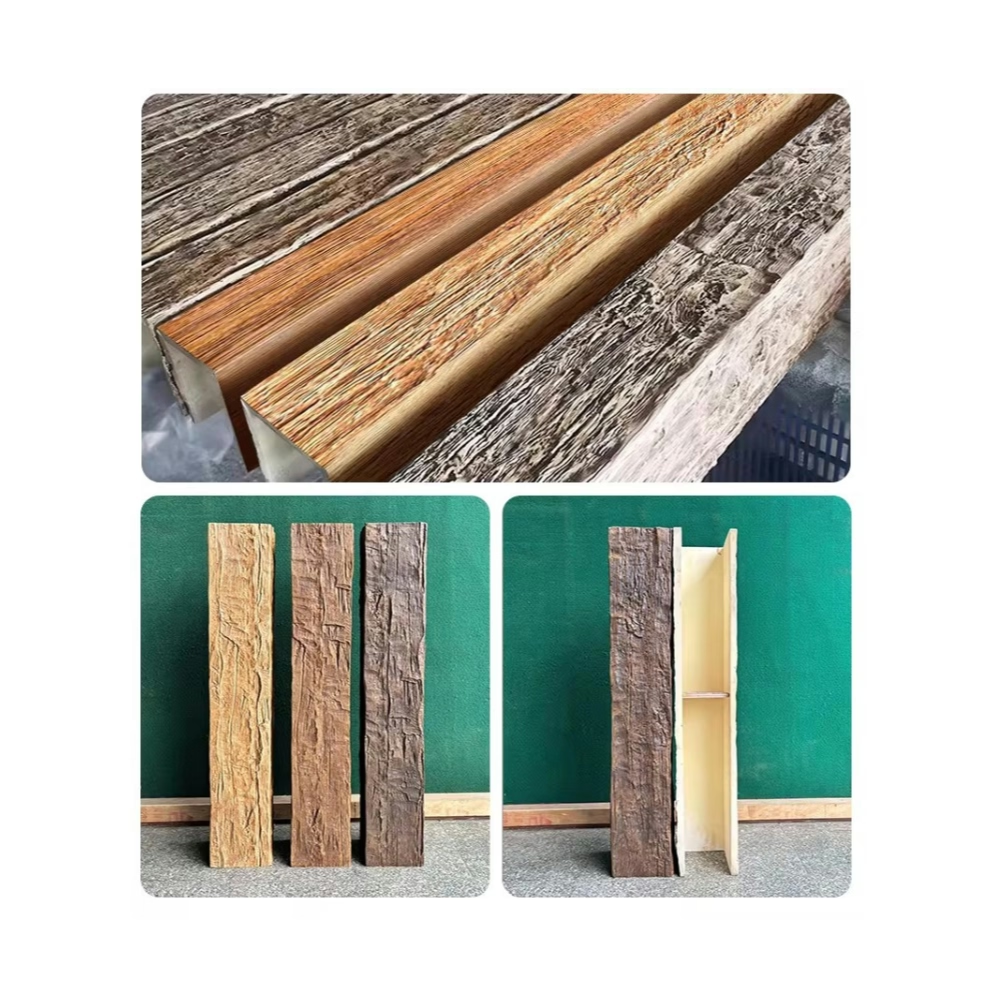
Surface finish quality sets architectural grade apart visually. Premium formulations produce smoother surfaces that accept stain and finish more uniformly, while carefully controlled texturing creates convincing wood grain patterns. The difference is most apparent in lighting conditions that reveal surface imperfections—architectural grade beams maintain their appearance whether illuminated by natural daylight or artificial lighting.
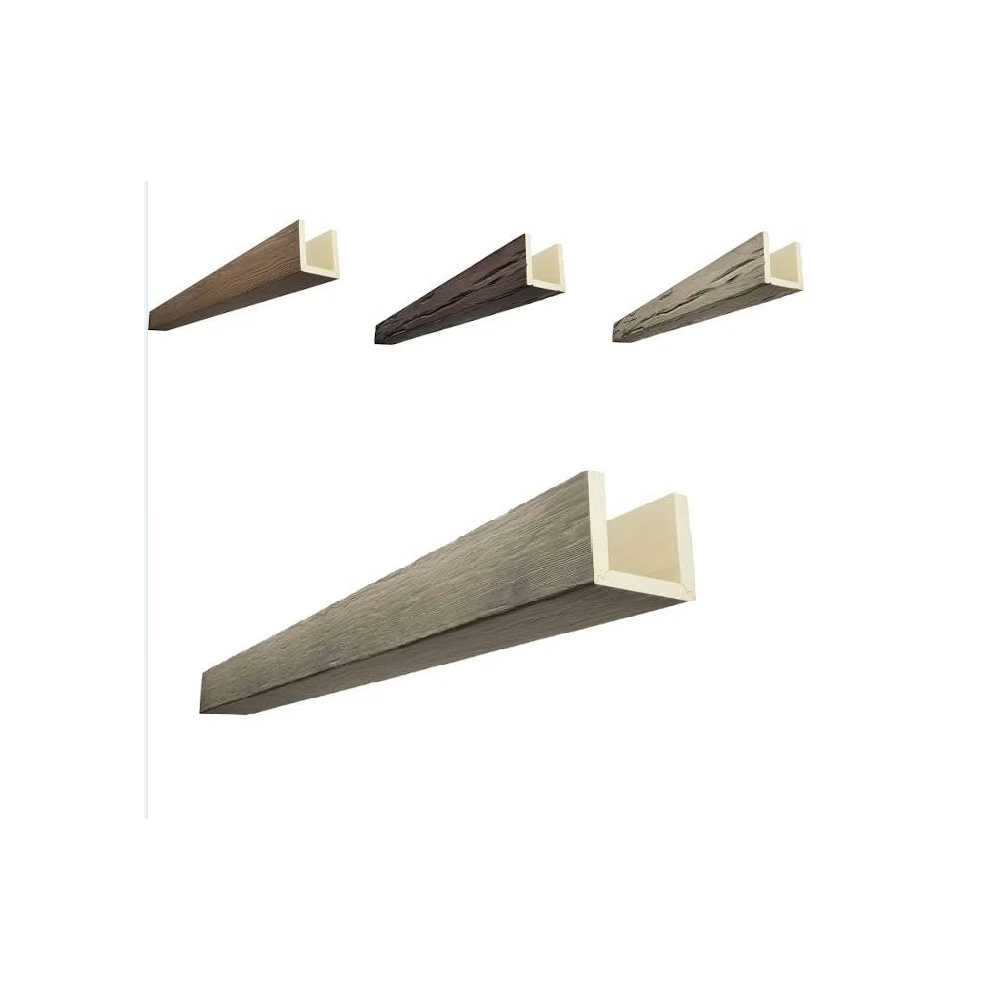
Dimensional consistency throughout production runs ensures that multiple beams will align properly and match visually when installed together. Architectural grade tolerances of ±1mm on critical dimensions prevent the visible gaps and misalignment that can occur with standard tolerance products. This consistency becomes particularly important in large installations where many beams must work together visually.
Manufacturing Process Differences
Architectural grade beams undergo more rigorous quality control throughout production. Each batch is tested for density, compressive strength, and surface quality before release. More frequent sampling and tighter acceptance criteria catch variations before they become widespread problems. The additional inspection time and rejected material increase costs but ensure consistent quality.

Mold quality directly affects the detail reproduction achievable in finished beams. Architectural grade production uses higher-quality molds with better surface finishes and more frequent replacement schedules. Premium molds produce crisper wood grain details and smoother surfaces that require less finishing work while delivering better appearance. The investment in mold quality represents a significant portion of the cost difference between architectural and standard grades.
Curing conditions for architectural grade products are more carefully controlled. Temperature and humidity variations during the curing process can affect final density and surface quality. Extended curing times allow for more complete molecular development, resulting in more stable products with better long-term performance. While this slower production pace increases costs, it eliminates the premature hardness variations that can affect faster-curing formulations.
Performance Characteristics
Impact resistance proves particularly important in architectural applications where beams may be subjected to accidental contact. Architectural grade formulations resist dents and scratches that would damage standard products, maintaining pristine appearance even in high-traffic areas. This durability translates to better long-term appearance and reduced maintenance requirements.
Fastener holding strength affects the security of beam installations. Higher density materials provide more substantial engagement for screws and nails, reducing the risk of attachment failures over time. Architectural grade beams typically demonstrate 30-40% greater pullout resistance than standard density alternatives. This improved holding strength simplifies installation while providing greater long-term security.
Color retention in architectural grade products reflects both better base materials and more consistent finishing. UV-stable pigments resist the fading that affects standard products, particularly important for beams installed in sunlit areas. Architectural grade beams maintain their appearance for years without the repainting that budget alternatives often require.
Applications Suited to Architectural Grade
Luxury residential installations frequently specify architectural grade beams for their primary living spaces. Great rooms, master suites, and formal areas receive close attention from homeowners and guests, making quality particularly important. The investment in architectural grade pays dividends in both immediate appearance and long-term satisfaction.
Hospitality projects demand the durability and consistency that architectural grade provides. Hotel lobbies, restaurants, and resort common areas see heavy use and close scrutiny. Beams that show wear or inconsistency create negative impressions that affect the overall guest experience. Architectural grade products maintain their appearance through years of heavy use while projecting the quality image hospitality brands require.
Commercial spaces with high design visibility benefit similarly from architectural grade specifications. Spas, retail environments, and professional offices all benefit from the consistent quality and superior appearance that premium products deliver. The perception of quality affects client confidence and employee pride in their work environment.
Historic restoration projects often specify architectural grade materials to match original details that cannot be reproduced with lower-quality products. The crispness of architectural grade detail reproduction allows new beams to blend with existing woodwork in ways that standard products cannot achieve. This matching capability proves essential in preservation work where authenticity matters.
Cost Considerations and Value
The price premium for architectural grade typically ranges from 25-40% above standard production costs. This premium reflects better raw materials, more rigorous quality control, and slower production schedules. For many projects, this premium represents excellent value given the improved appearance and long-term performance benefits.
Life-cycle cost analysis often favors architectural grade despite higher initial costs. Better durability reduces maintenance and replacement costs over time. Improved appearance consistency eliminates the touch-up work that standard products often require. When these factors are considered, architectural grade frequently proves more economical over typical project lifecycles.
Specification compliance becomes simpler with architectural grade. The tighter tolerances and better consistency reduce inspection failures and callbacks. Projects with strict quality requirements benefit from products that reliably meet specifications without extensive sorting or selection.
Specification and Procurement
Specifying architectural grade requires clear language in project documents. Phrases like "architectural grade" alone may be insufficient, as interpretation varies. Detailed specifications should cite specific material properties, tolerances, and quality standards that define acceptable products. Reference to manufacturer quality systems and certifications provides additional assurance.
Sample approval becomes critical for architectural grade products where appearance expectations are highest. Request samples early enough to allow for evaluation and potential specification adjustments. Compare samples from multiple sources when possible to understand the range of quality available. Approved samples should be retained for comparison against production deliveries.
Supplier qualification helps ensure that specified quality will actually be delivered. Visit production facilities when possible to observe manufacturing and quality control processes. Request references from similar completed projects. Review quality certifications and testing documentation. The effort invested in supplier qualification pays dividends through smoother projects and better outcomes.
Technical References
ASTM standards cited in every specification
Test Data
Lab results from internal testing program
Updated 2026
Reviewed against current product specs


