Design projects frequently require elements that fall outside standard product offerings. Custom faux beam manufacturing addresses these requirements, providing architects and designers with solutions that precisely match their vision. Working effectively with architectural suppliers who offer customization requires understanding processes, capabilities, and communication strategies that ensure successful outcomes.

Understanding Custom Manufacturing Capabilities
Custom beam manufacturing begins with understanding what is physically possible within polyurethane production constraints. Complex profiles with undercuts or deeply recessed details may require modifications for mold release. Very large cross-sections may need hollow construction to manage weight. Extremely long beams may exceed production equipment limitations. Discussing constraints early prevents investing effort in designs that cannot be manufactured efficiently.
Profile development typically involves creating detailed drawings that specify all dimensional requirements. Computer-aided design files allow precise communication of complex geometries. Many suppliers work from sketches or photographs of existing details that need replication, developing manufacturing drawings based on reference images. The more precisely requirements can be communicated, the more accurately the final product will match expectations.
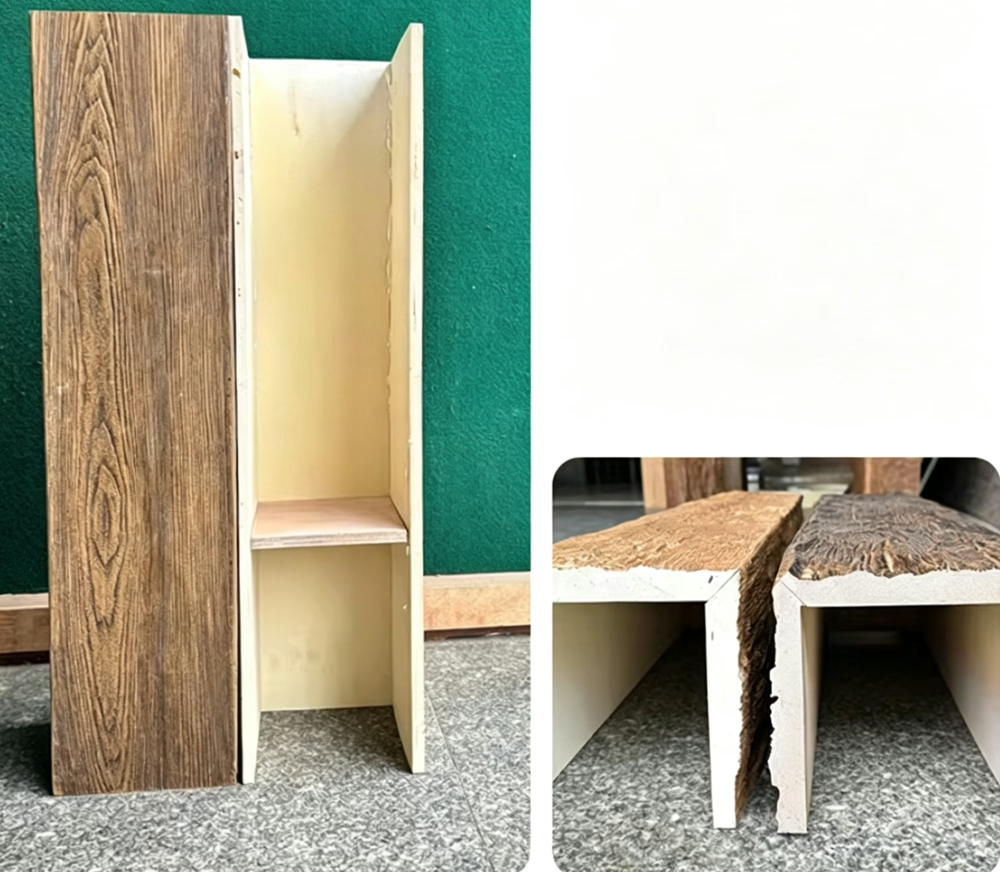
Material customization extends beyond simple color selection. Different foam densities affect weight, durability, and surface characteristics. Fire retardant additives may be required for specific applications. Antimicrobial treatments address particular environmental concerns. Surface textures can be adjusted to achieve specific appearance goals. Understanding available options helps specify appropriate combinations for each application.
The Custom Specification Process
Initial consultation establishes project requirements, timeline constraints, and budget parameters. Suppliers need to understand not just what is wanted but why—understanding the underlying design intent allows suggesting alternatives that achieve goals more efficiently. Consultation should cover installation location, environmental conditions, performance requirements, and coordination with other building elements.

Quotation development follows consultation, providing detailed pricing for custom work. Custom quotes typically address tooling costs, production costs per piece, and any additional services such as finishing or special packaging. Comparing quotes requires understanding what is and is not included—some quotes may appear lower but exclude essential elements that must be added later.
Sample production creates physical examples for design review before full production commitment. Sample timelines typically run 3-4 weeks depending on complexity, with costs that may be credited against subsequent orders. Reviewing samples in the actual installation environment provides the best assessment of appearance and appropriateness. Sample approval should be documented formally before production proceeds.
Production scheduling coordinates custom work with supplier capacity and project timelines. Complex custom orders may require reserving production slots weeks or months in advance. Confirming production schedules early ensures that custom work completes in time for installation without requiring expedited shipping that increases costs significantly.
Profile Development Options
Replica profiles recreate existing beam details from historical buildings, discontinued products, or unique architectural elements. Replication requires detailed reference materials—photographs with scale references, physical samples, or architectural drawings. The replication process may involve multiple iterations before achieving satisfactory matches. This approach suits restoration projects and additions to existing buildings where continuity matters.
Original profile creation develops entirely new beam designs for specific projects. Design development typically involves sketching concepts, refining proportions, and testing manufacturability. Computer modeling allows visualization of profiles in three dimensions before committing to tooling. Original profiles become intellectual property that may be available exclusively to the commissioning client or released for broader use depending on arrangements.
Modified standard profiles adjust existing designs to meet specific requirements. Simple modifications like adding or removing a molding detail, changing proportions, or adjusting corner radii often require minimal tooling investment. Modified standards offer middle-ground pricing between standard products and fully custom development.
Hybrid profiles combine elements from multiple existing designs to create unique appearances. A beam might incorporate the base profile from one design with details borrowed from another. Hybrid approaches work well when projects have specific constraints that pure custom development would not address more effectively.
Color and Finish Customization
Custom color matching produces beam finishes that precisely match specified colors. The process typically begins with color standards provided by designers—paint chips, fabric swatches, or digital color specifications. Laboratory technicians develop formulations that reproduce target colors, with samples provided for approval before production. Custom color work adds time and cost but ensures that beams integrate seamlessly with surrounding elements.
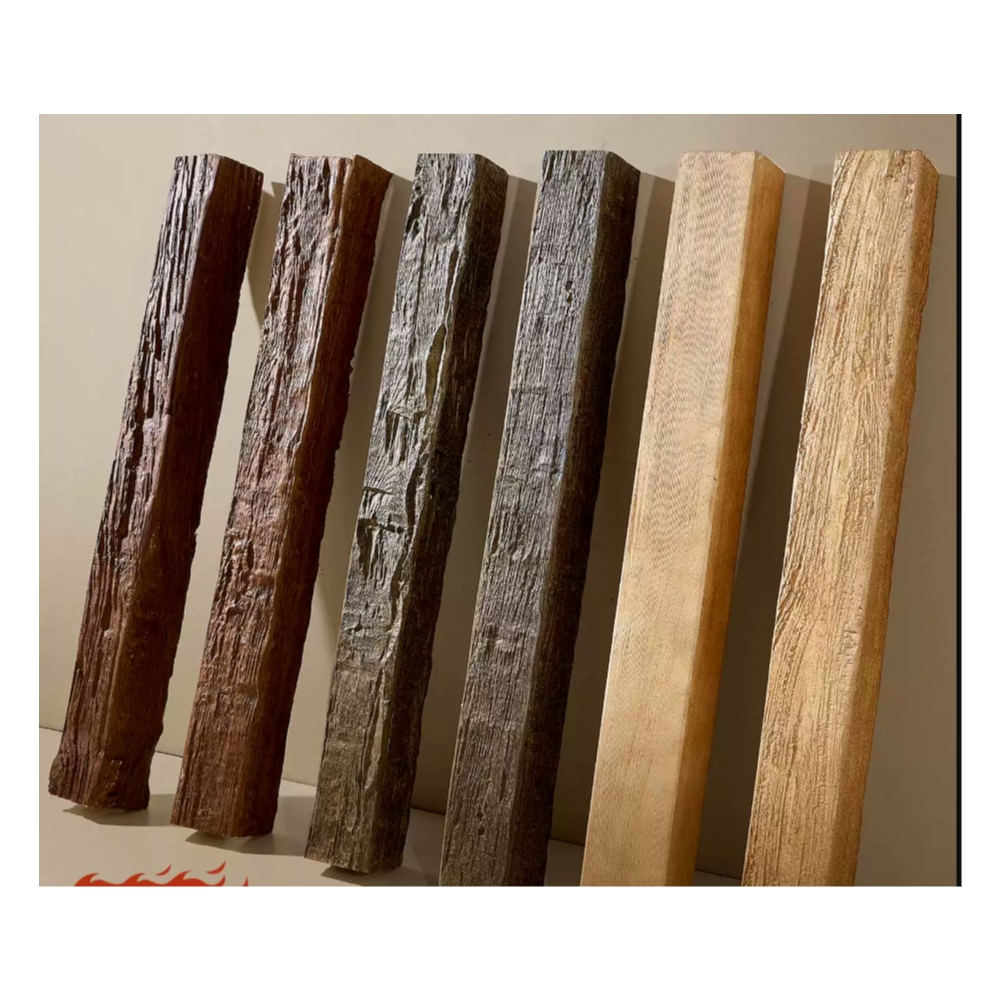
Multi-tone finishes apply different colors to different beam surfaces to enhance dimensional perception. Staining raised details while painting recesses creates depth that single-color finishes cannot achieve. Multi-tone finishing requires additional production steps but produces results that more closely approach natural wood appearance.
Graining customization adjusts the character of wood grain patterns. Some projects may benefit from more pronounced grain that reads clearly from a distance, while others need subtle grain that appears natural without distracting from overall surfaces. Custom graining requires skilled craftsmen who can adjust technique to achieve desired results.
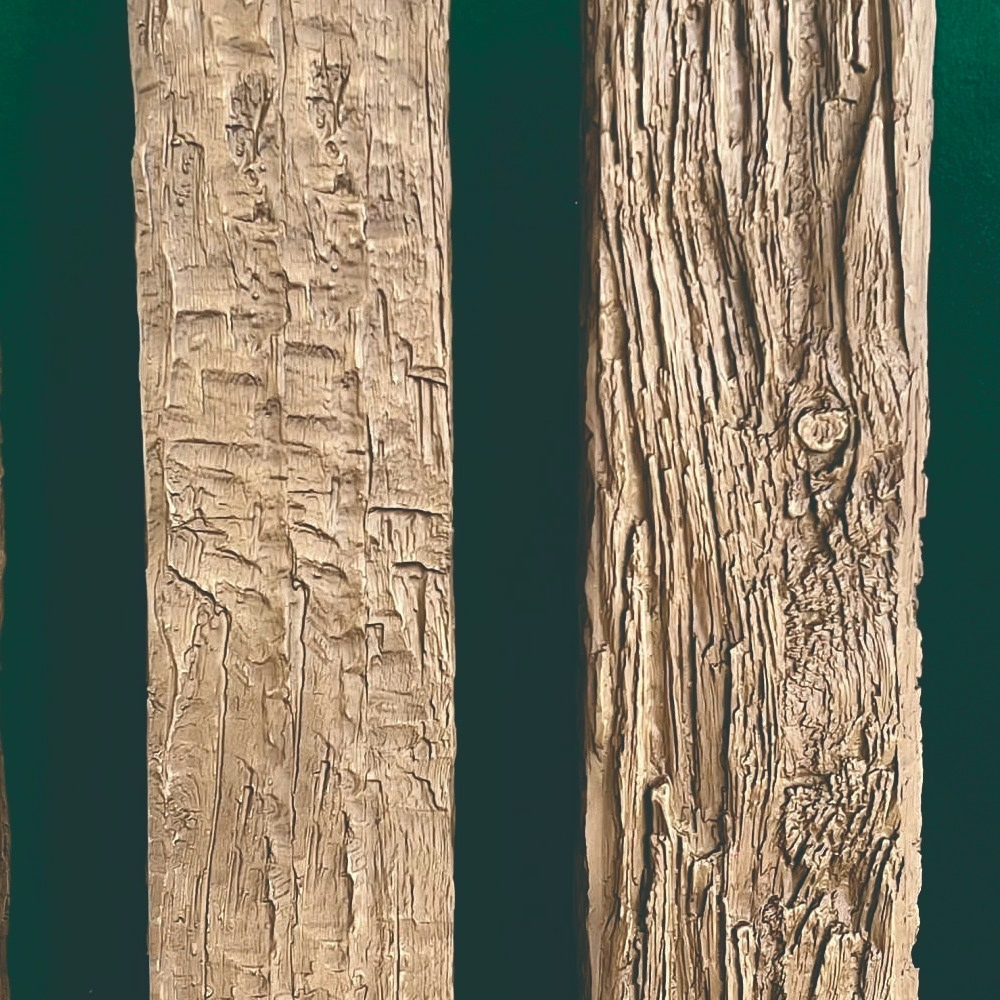
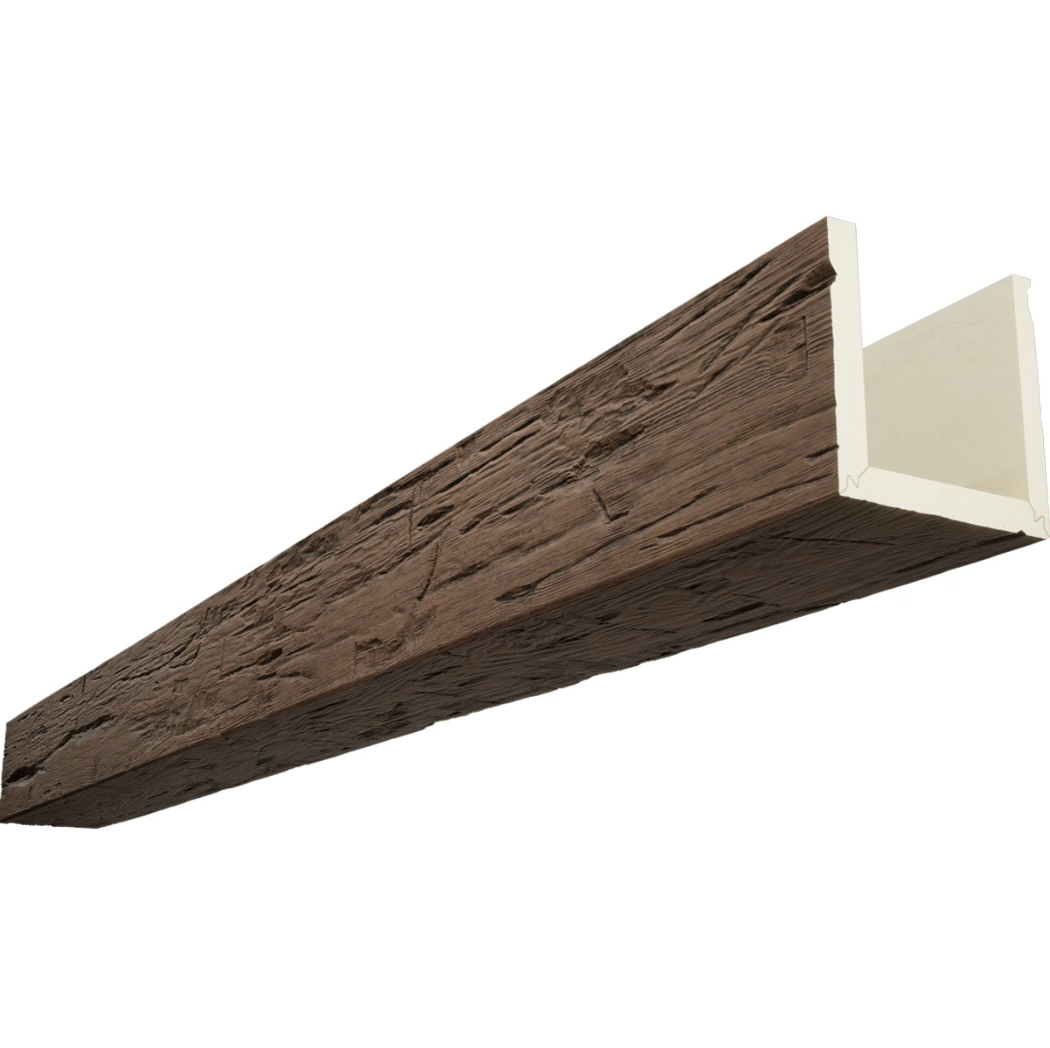
Texture modification changes surface characteristics beyond basic wood grain. Hand-scraped textures that reference antique woodwork, wire-brushed surfaces that expose underlying grain, or perfectly smooth contemporary surfaces all represent texture options. Texture choices affect how beams age and how they respond to cleaning, factors that should inform specification decisions.
Working with Suppliers Effectively
Clear communication prevents misunderstandings that waste time and money. Written specifications supplemented by visual references provide the clearest guidance. Confirming understanding through summary communications ensures that both parties share the same expectations. Ambiguity that seems minor in conversation can produce significant problems in finished products.
Realistic timelines acknowledge the time custom work requires. Rushing custom production risks quality compromises that negate the benefits of customization. Building adequate schedule allowances prevents pressure that leads to mistakes. When timeline constraints are significant, discussing them with suppliers early may reveal options that accommodate both quality and schedule.
Sample evaluation should be thorough and objective. Compare samples against specifications to identify any deviations that matter. Consider how samples will appear in the actual installation environment rather than just under ideal showroom conditions. Identify any concerns while samples are still available for discussion rather than after production has begun.
Documentation protects all parties by establishing clear records of what was agreed upon. Written confirmations of specifications, pricing, and timelines provide reference points if questions arise later. Retain all correspondence, samples, and approval documents throughout the project. Good documentation facilitates problem resolution if issues develop.
Building Supplier Relationships
Ongoing relationships benefit both designers and suppliers. Familiarity with a supplier's capabilities allows faster, more accurate quotation for subsequent projects. Suppliers who understand design preferences can suggest options that align with established aesthetic directions. Relationship development requires initial projects that establish working patterns and mutual understanding.
Feedback provision helps suppliers improve products and services. Sharing what worked well and what could be better allows continuous improvement. Specific feedback about product performance over time helps suppliers refine formulations and processes. Designers who provide constructive feedback contribute to better outcomes on future projects.
Fair dealing builds trust that facilitates collaboration. Paying promptly, honoring commitments, and treating supplier personnel professionally encourages reciprocal behavior. Suppliers who feel valued are more likely to accommodate urgent requests and go the extra mile when projects face challenges.
Technical References
ASTM standards cited in every specification
Test Data
Lab results from internal testing program
Updated 2026
Reviewed against current product specs