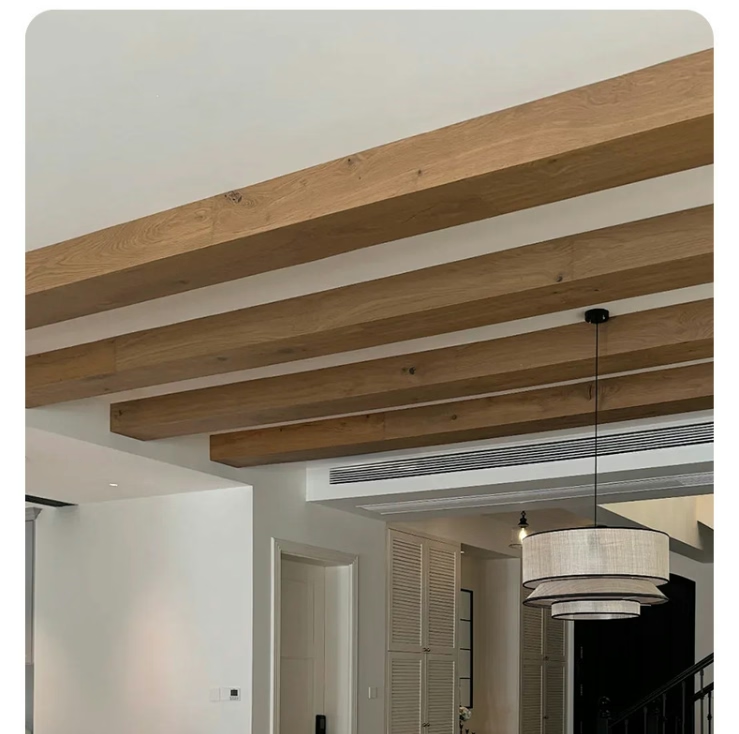
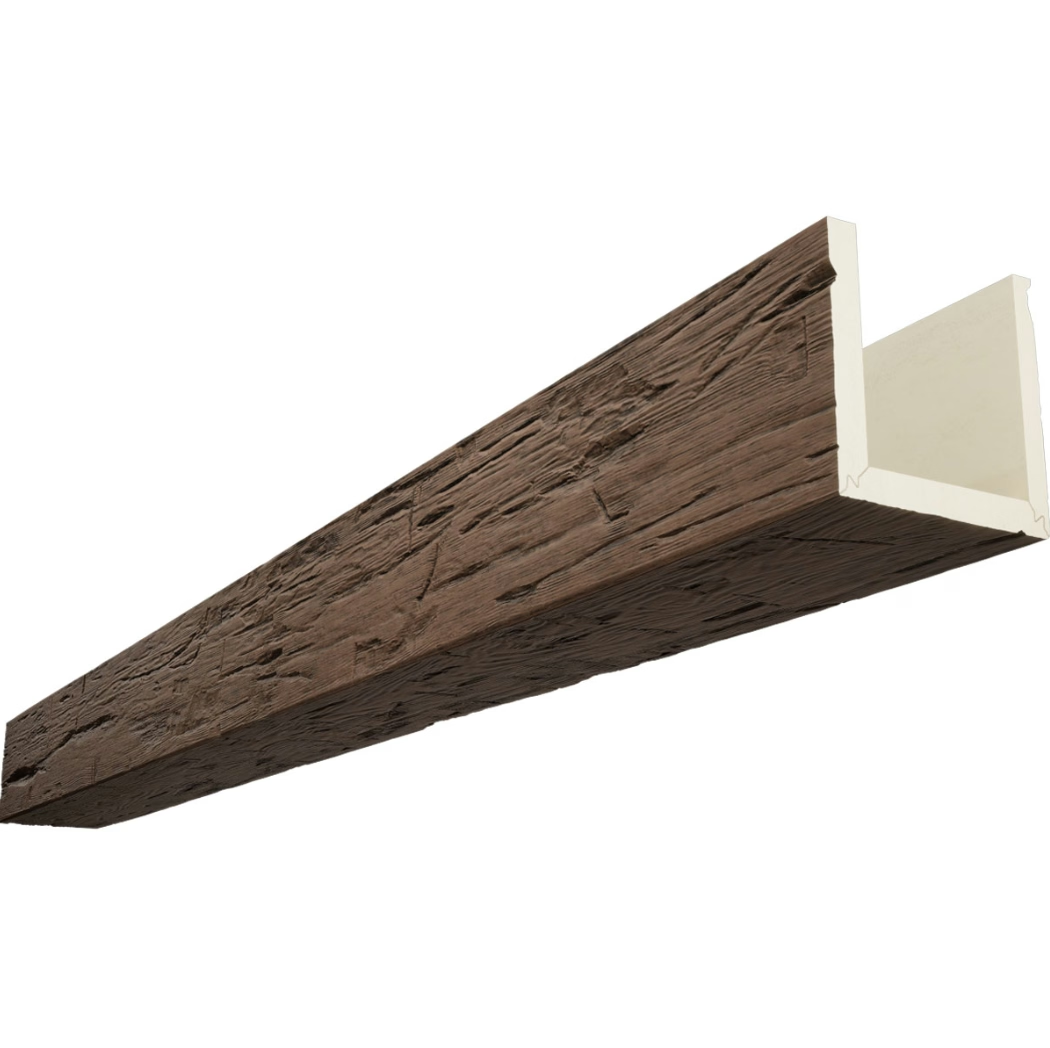
Large-scale projects and wholesale arrangements create specific challenges around color consistency that custom batch matching services address. When projects require dozens or hundreds of beams across multiple production runs, maintaining uniform appearance becomes essential. Professional color batch matching ensures that all pieces coordinate regardless of when they were produced or which manufacturing batch they came from.

The Science of Color Matching
Color perception involves physical, physiological, and psychological factors that interact in complex ways. The same beam will appear differently under incandescent lighting, fluorescent tubes, and natural daylight. Professional color matching accounts for these viewing conditions by specifying colors under standardized illuminants that predict real-world appearance more accurately than arbitrary lighting conditions.
Spectrophotometric measurement quantifies color numerically using reflectance curves that describe how surfaces interact with light across the visible spectrum. These measurements provide objective data that transcends the subjectivity of visual comparison. Color matching services use spectrophotometric data to create formulations that reproduce target colors precisely, then verify results with the same measurement technology.
Color tolerance specification defines acceptable variation from target colors. Perfect color matching is physically impossible—every production batch differs slightly from its predecessors. Professional batch matching establishes tolerance limits that ensure all pieces appear uniform to casual observers while acknowledging the practical limitations of manufacturing processes. Understanding tolerance specifications prevents disputes about acceptable variation.
Batch Matching Process Overview
Sample submission initiates the batch matching process by providing reference materials that define target colors. Physical samples provide the most accurate reference, but digital specifications from design software can serve when physical samples are unavailable. Sample quality directly affects matching accuracy, making clear, representative references essential.
Laboratory formulation develops color recipes using spectrophotometric analysis of submitted samples. Color technicians identify the pigment combination required to achieve target colors, creating formulations that can be reproduced consistently. This process requires skill and experience—colorants interact in complex ways that simple proportions cannot predict.

Trial samples demonstrate how formulations perform under actual production conditions. Surface texture, substrate absorption, and application method all affect final color appearance. Trial samples allow verification that laboratory formulations translate successfully into production finishes. Multiple iterations may be necessary to achieve satisfactory results.
Production scaling adjusts formulations for full-scale manufacturing while maintaining color consistency. Laboratory batches that work well on small samples may require reformulation for larger production runs where material handling and processing differ. Scaling requires technical expertise and quality verification at each stage.
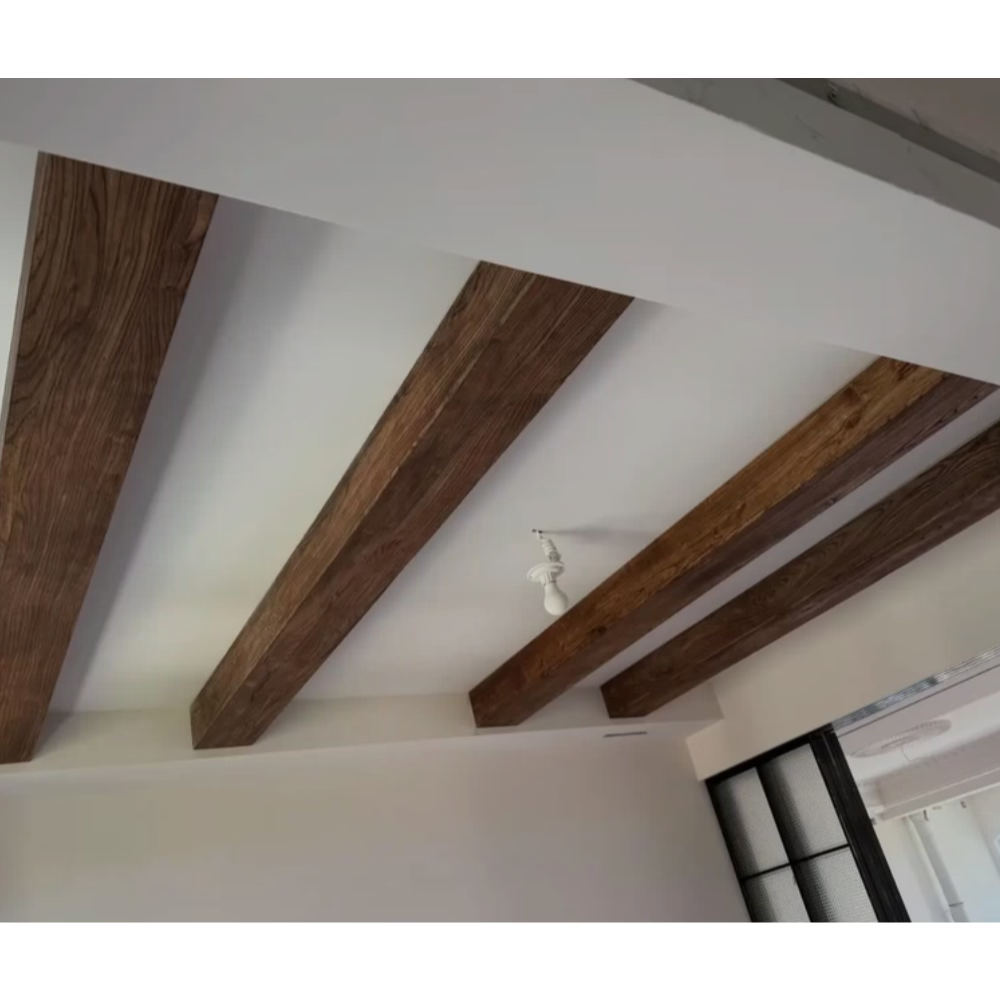
Wholesale Order Considerations
Volume discount structures typically accompany bulk beam purchases, with pricing improving as order quantities increase. Color batch matching may affect these structures—some suppliers offer standard pricing for stock colors while charging premiums for custom-matched finishes. Understanding pricing structures helps budget accurately for projects with color requirements.
Minimum order quantities for custom colors often exceed standard requirements because color changeover involves setup time and material waste. Suppliers may require orders of 20 pieces or more for custom color work to justify the process overhead. Discussing minimums early prevents surprises when quotes arrive.
Production scheduling for custom colors may extend beyond standard lead times. Color formulation, trial processing, and scaling require additional time beyond normal production. Projects requiring custom colors should anticipate lead times 2-3 weeks longer than standard specifications. Rush options may be available but typically carry significant premiums.
Maintaining Consistency Across Multiple Orders
Master standard retention ensures that color targets remain available for future production. Professional suppliers maintain master standards that document approved colors using physical samples and spectrophotometric data. These standards allow reproduction of custom colors years after initial development, ensuring that additions or replacements match original installations.
Production batch records track which manufacturing batches produced specific order quantities. When future orders require matching, batch records identify relevant production runs for color reference. This tracking enables suppliers to fulfill replacement orders that coordinate with original installations even years after initial production.
Aging studies predict how colors will change over time, allowing matching services to account for anticipated aging. UV exposure, pollution, and handling all affect color stability. Premium color matching includes aging prediction that helps specify colors that will remain attractive as they mature rather than shifting in undesirable directions.

Color Selection Strategies
Design development phase color selection allows adequate time for matching process completion. Rushing color decisions forces abbreviated matching processes that may produce inferior results. Building color selection into early project phases ensures that matching has time to proceed properly without delaying construction schedules.
Cohesive palette development creates colors that work together across large installations. Projects with multiple beam types or finishes benefit from palettes that coordinate without matching exactly. Professional color consultation helps develop palettes that provide visual interest while maintaining overall unity.
Neutral tone selection simplifies maintenance and replacement. Neutral colors like natural wood tones, warm grays, and classic whites age gracefully and coordinate with changing design schemes. Bold or unusual colors create strong initial impressions but may become dated or difficult to match years later.
Quality Verification Procedures
Incoming inspection verifies that delivered beams meet color specifications before accepting shipments. Visual comparison under appropriate lighting conditions catches obvious deviations. Instrument verification using spectrophotometers provides objective assessment when precision matters. Inspection documentation supports warranty claims if color problems emerge later.
Dispute resolution processes address situations where delivered colors fail to meet expectations. Professional suppliers investigate claims objectively, potentially resupplying non-conforming materials or adjusting pricing to reflect diminished value. Clear communication and documentation throughout the process facilitates efficient resolution.
Long-term monitoring tracks color performance in installed applications. Periodic assessment identifies any gradual changes that might indicate problems with specific formulations or exposure conditions. Monitoring data helps suppliers improve products while giving clients confidence that their installations continue performing as expected.
Technical References
ASTM standards cited in every specification
Test Data
Lab results from internal testing program
Updated 2026
Reviewed against current product specs