The distinction between standard and premium polyurethane faux wood beam production reflects fundamental differences in materials, processes, and quality standards. Premium manufacturers in China have invested in capabilities that serve the most demanding architectural applications, producing beams that meet or exceed expectations for high-end residential and commercial projects worldwide. Understanding what premium manufacturing entails helps buyers select partners appropriate for their requirements.

Premium Production Standards
Raw material selection for premium beams uses higher-grade polyurethane components that cost more but perform better. These formulations produce denser, more durable surfaces that resist impacts and maintain appearance over extended service. Material cost savings in standard production translate directly to performance compromises that premium buyers choose to avoid.
Formulation consistency requires rigorous incoming material inspection and supplier qualification. Premium manufacturers maintain relationships with established raw material suppliers whose products meet tight specifications. This consistency prevents the batch-to-batch variation that affects appearance in lesser products.
Production process control maintains tighter tolerances throughout manufacturing. Temperature, pressure, and timing parameters are monitored continuously and adjusted as needed. Statistical process control identifies trends before they produce out-of-specification products. This proactive approach prevents problems rather than simply detecting them.
Extended curing times allow polyurethane to achieve optimal molecular development before handling. Rushing this process produces materials that may appear acceptable initially but degrade faster over time. Premium manufacturers resist pressure to accelerate curing at the expense of long-term performance.
Surface Quality Excellence
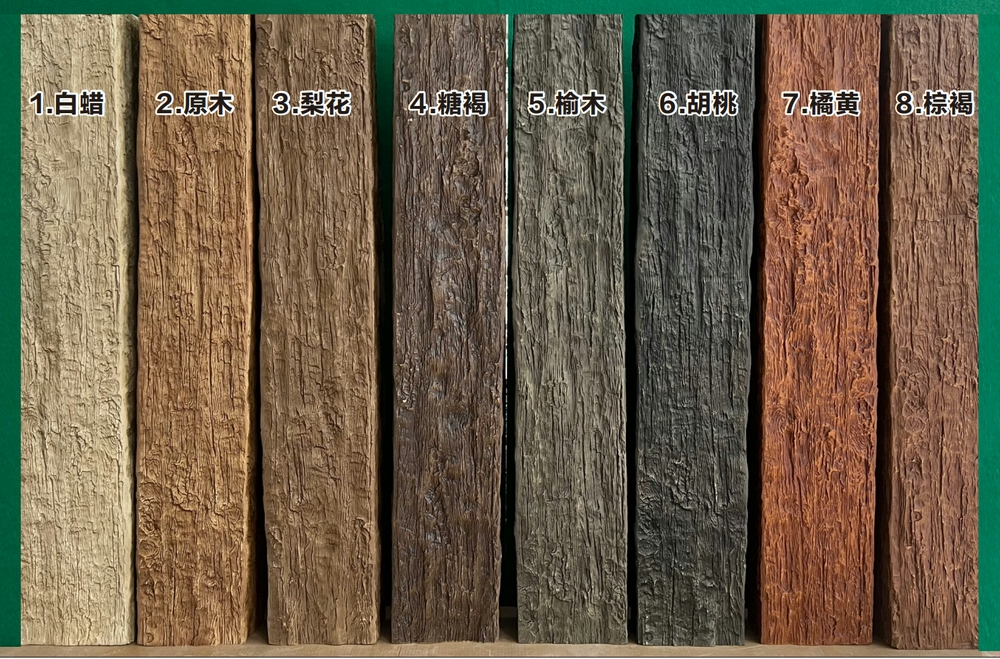
Wood grain reproduction in premium beams achieves realism that approaches natural timber. High-quality molds capture subtle details including fine grain lines, growth ring patterns, and natural variations. The investment in mold quality and maintenance pays dividends in surface appearance that justifies higher pricing.

Surface finishing protocols ensure consistent appearance across all production batches. Hand-finishing steps address minor variations that automated processes cannot eliminate. Skilled craftspeople evaluate each beam and apply finishing techniques that ensure uniform appearance.
Color consistency between pieces requires careful formulation and process control. Spectrophotometric verification confirms that colors fall within specified tolerance ranges. Pieces outside tolerances are reworked or rejected rather than shipped with inconsistent finishes.
Texture uniformity across beam surfaces prevents visible variations that undermine premium appearance. Each beam receives consistent texturing treatment from end to end. This attention to detail distinguishes premium products from alternatives that show variation in hand-feel and visual texture.
Quality Verification Systems
Dimensional inspection verifies that critical measurements meet specifications for each beam. Multiple measurement points along each beam identify any variation that might affect installation. Automated measurement systems provide consistency that manual inspection cannot match.
Surface inspection under standardized lighting conditions identifies defects that might be missed in variable illumination. Professional inspection stations replicate the lighting conditions beams will encounter in service. This simulation ensures that appearance will meet expectations after installation.
抽样 testing for physical properties confirms that formulations achieve required performance. Density, compressive strength, and other properties are verified through periodic testing. Test results are documented and available to customers upon request.
Documentation practices maintain complete records of production parameters, inspection results, and material certifications. These records support quality claims and provide traceability when questions arise. Professional record-keeping demonstrates organizational maturity that correlates with reliable performance.
Premium Profile Options
Intricate profile geometries that challenge lesser manufacturers are routine for premium producers. Complex undercuts, detailed moldings, and challenging geometries all fall within standard capabilities. Premium manufacturers invest in tooling expertise that handles these challenges efficiently.
Large-scale production maintains quality across substantial orders. Premium facilities can produce thousands of linear meters with consistent quality from first piece to last. This capability serves major projects that require substantial volumes without sacrificing appearance.
Custom profile development creates unique beam shapes for specific projects. Design collaboration produces manufacturing drawings that translate concepts into producible profiles. Development timelines vary with complexity but typically range from weeks to months for fully custom work.
Limited-edition profiles for specialty applications demonstrate manufacturing flexibility. One-off pieces for restoration projects, unique installations, or designer concepts all receive appropriate attention. Premium manufacturers understand that special requirements deserve special treatment.

Service Excellence
Technical consultation helps customers specify appropriate products for their applications. Experienced personnel understand both manufacturing capabilities and installation requirements. This expertise improves specification accuracy and prevents ordering errors.
Sample services provide physical verification of appearance and quality before production commitment. Sample timelines and costs vary but represent investments that prevent expensive mistakes. Reviewing samples in actual installation contexts provides the best basis for specification decisions.
Responsive communication maintains relationships and prevents problems from developing. Premium manufacturers assign dedicated personnel who understand customer requirements and can address questions promptly. This accessibility distinguishes premium service from transactional approaches.
Flexible fulfillment accommodates reasonable requests for order modifications, delivery adjustments, or special handling. While not unlimited, flexibility demonstrates partnership orientation that premium buyers expect. Reasonable accommodation for customer needs builds loyalty that supports long-term relationships.
International Certification and Compliance
Environmental certifications verify that manufacturing meets sustainability standards. ISO 14001 environmental management certification demonstrates systematic attention to environmental impact. Compliance with regulations in destination markets prevents shipping delays and legal complications.
Quality management system certification through ISO 9001 provides framework for consistent production. Third-party audits verify that systems function as documented. Certification demonstrates commitment to quality that premium buyers require.
Fire safety compliance varies by destination market but always requires appropriate testing and documentation. Premium manufacturers maintain testing relationships that enable compliance verification for most markets. Understanding specific requirements for destination countries ensures appropriate testing is conducted.
Social compliance standards including fair labor practices may be required by some buyers. Audits and certifications verify that manufacturing meets acceptable standards. Premium manufacturers generally welcome such verification as confirmation of legitimate operations.
Value Proposition Analysis
Premium pricing reflects genuine cost differences in materials, processes, and quality verification. Comparing prices without understanding what is included leads to poor decisions. Premium beams cost more but deliver proportionally more value through better appearance and longer service life.
Total cost of ownership accounts for maintenance, replacement, and other factors beyond initial purchase price. Premium beams that maintain appearance longer and require less maintenance often cost less over their service life. Lifecycle analysis supports premium specification for many applications.
Warranty terms distinguish premium from standard products. Longer warranties that provide meaningful protection indicate manufacturer confidence in product quality. Warranty terms should factor into purchasing decisions alongside initial pricing.
Risk reduction through premium specification prevents problems that would cost more than price differences. Appearance failures, premature replacement, and installation difficulties all create costs beyond beam purchase price. Premium specification reduces these risks.
Technical References
ASTM standards cited in every specification
Test Data
Lab results from internal testing program
Updated 2026
Reviewed against current product specs

