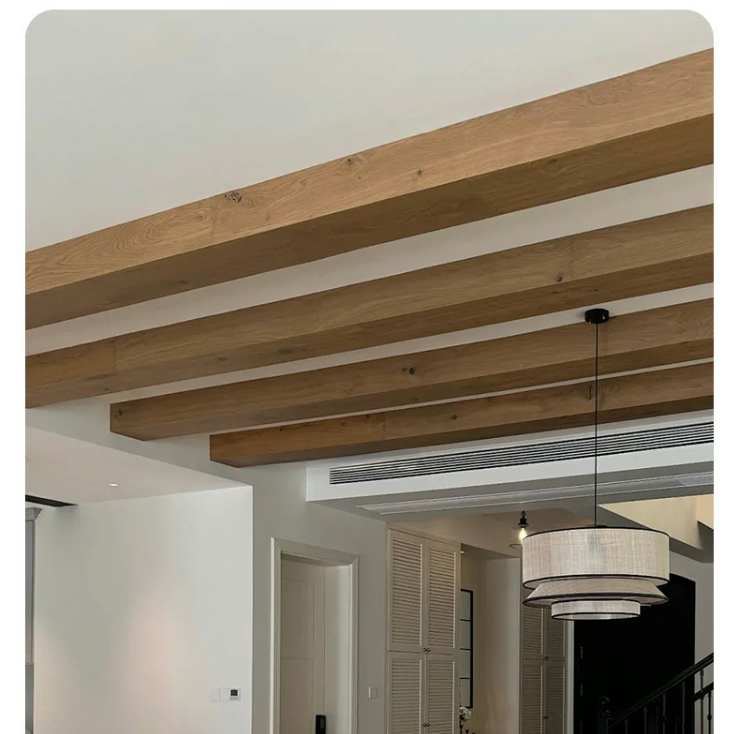
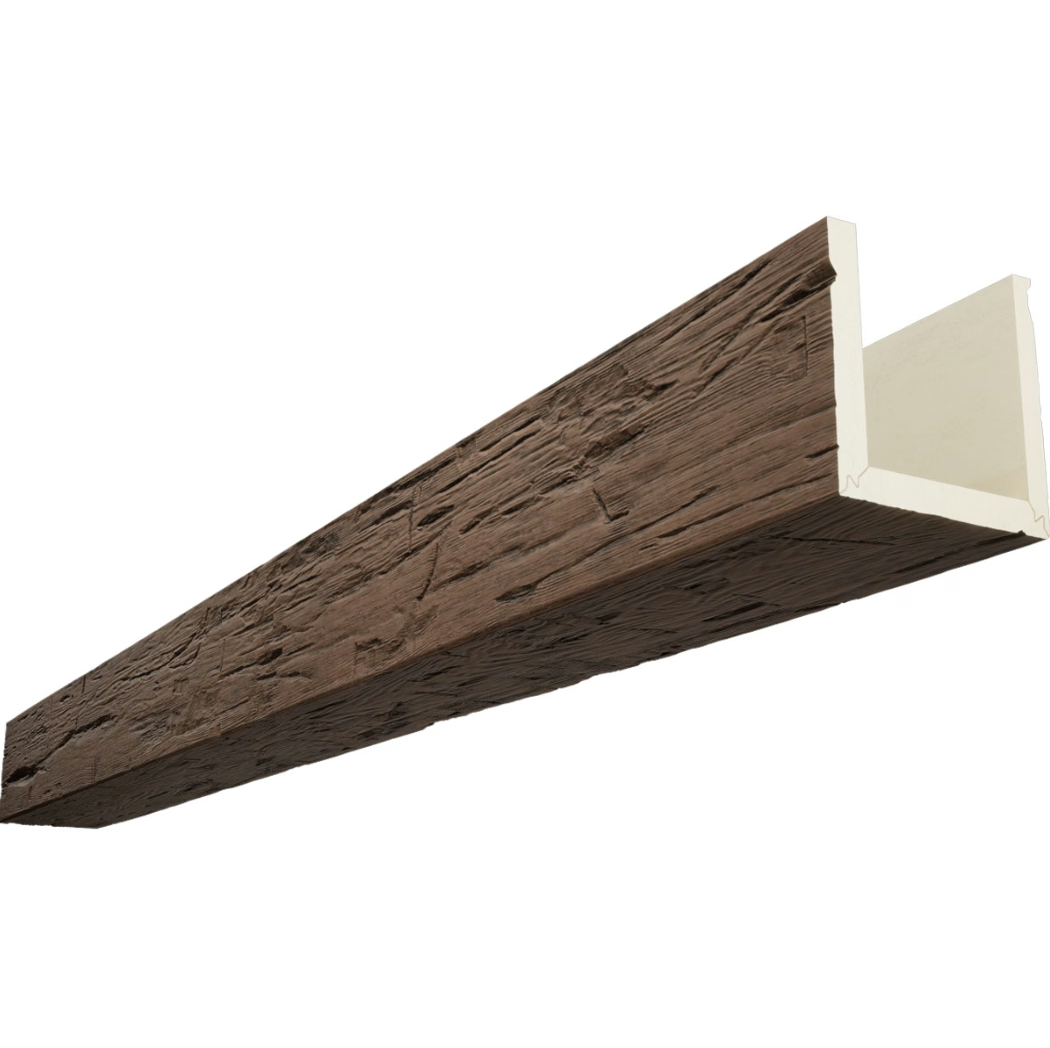
PU resin faux timber beams represent an advanced category of architectural products where sophisticated polymer chemistry meets skilled manufacturing to produce wood alternatives that serve the most demanding applications. Chinese manufacturers have developed significant expertise in this category, combining material science capabilities with production experience that enables them to serve markets worldwide. Understanding the unique characteristics of PU resin technology helps buyers appreciate why these products command premium positioning.

Understanding PU Resin Technology
Polyurethane resin differs from standard foam formulations in its molecular structure and resulting properties. While conventional polyurethane beams use expanding foam cores with surface coatings, PU resin formulations produce solid or semi-solid materials throughout the cross-section. This uniformity provides different performance characteristics that suit specific applications.
The resin production process involves carefully controlled mixing of reactive components that cure into solid polymer without the gas expansion that creates cellular foam structures. This process requires more precise control than foam production but yields materials with superior surface quality and dimensional stability. The investment in process control differentiates premium resin production from standard alternatives.
Material properties of PU resin include enhanced impact resistance compared to foam-core products. The solid polymer structure absorbs energy without the compression that affects foam materials. This characteristic proves valuable in high-traffic areas or applications where durability matters.
Surface characteristics of resin beams achieve smoothness and detail reproduction that foam products cannot match. The absence of cellular surface structure eliminates the slight texture that foam products exhibit even after finishing. This smoothness enables finishes that approach painted wood in their precision.
Premium Resin Formulation Development
Density optimization balances weight against performance requirements. Higher densities provide improved properties but increase material costs and handling weight. Premium manufacturers work with customers to identify optimal density for specific applications rather than offering one-size-fits-all solutions.
Additive packages address specialized requirements including fire retardance, UV stability, and antimicrobial protection. These additives integrate into the resin matrix during production rather than applying as surface treatments. This integration ensures long-term effectiveness that surface treatments cannot match.
Color pigmentation in resin formulations achieves depth and consistency that surface finishing alone cannot produce. Pigments distributed throughout the material provide color that remains consistent even if surface wear occurs. This characteristic proves particularly valuable for beams that may experience handling or installation scratches.
Reinforcement options for structural applications may include internal stiffening elements or modified formulations that enhance load-bearing capability. While faux beams typically do not carry structural loads, certain installations benefit from enhanced rigidity. Premium manufacturers offer these options for applications requiring them.
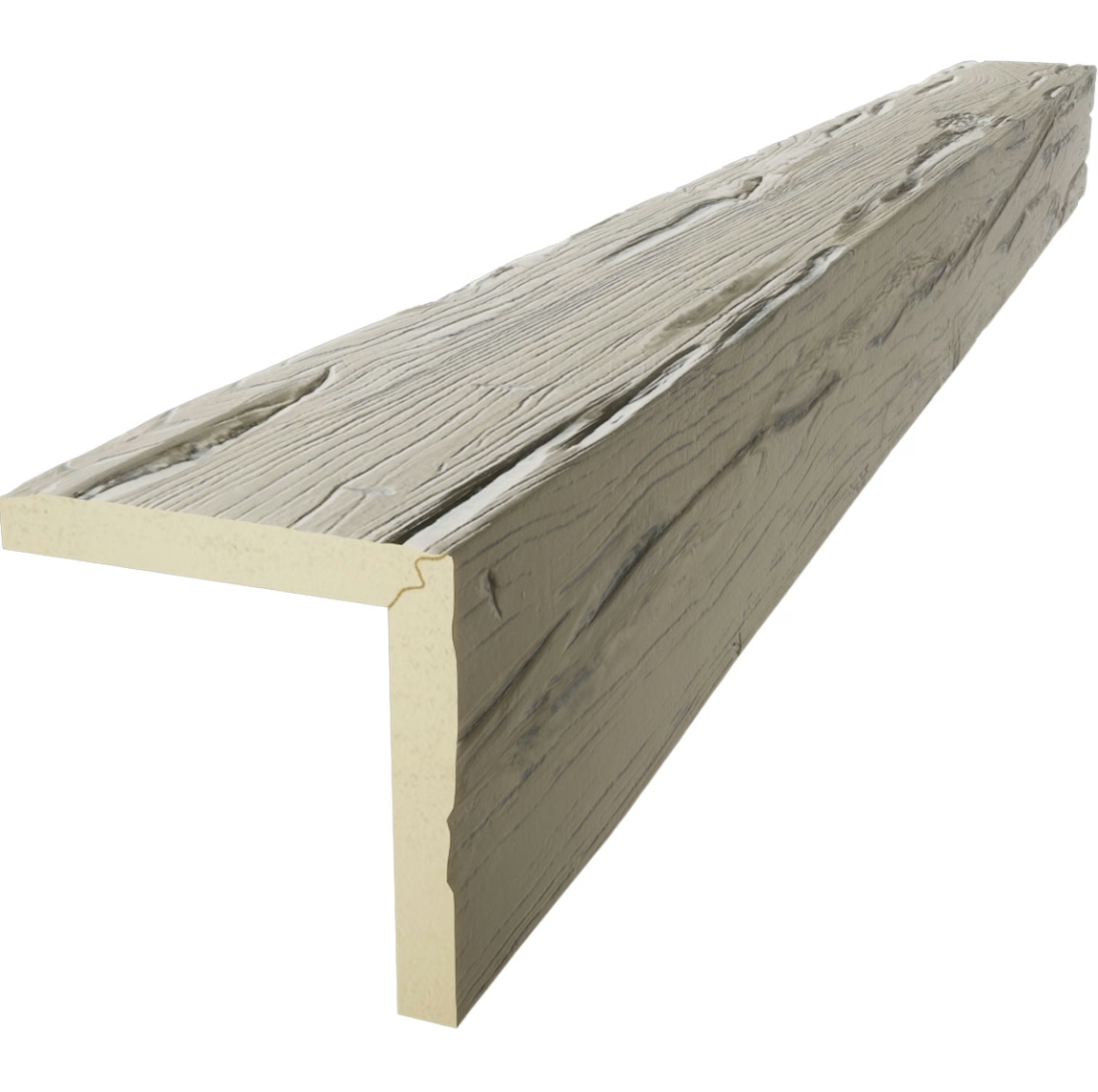
Production Excellence
Mold quality determines what surface quality is achievable in finished beams. Premium manufacturers invest in high-quality molds with precisely machined surfaces that reproduce every detail accurately. Mold maintenance schedules prevent degradation that would affect surface quality over production volumes.
Mixing precision ensures consistent material properties throughout each beam and across production batches. Computer-controlled mixing systems dose components with accuracy that manual processes cannot achieve. This precision eliminates variation that would affect appearance and performance.
Curing control affects final properties significantly. Resin formulations require specific temperature and time conditions to achieve optimal development. Premium manufacturers maintain curing conditions that ensure each batch reaches its potential rather than rushing cycles that compromise quality.
Post-curing treatment prepares beams for finishing and shipment. This additional time at controlled temperature completes any remaining chemical reactions and stabilizes dimensions. Premium products receive adequate post-curing that eliminates problems that might emerge later in service.
Surface Finishing Expertise
Multi-stage finishing processes prepare resin surfaces for final treatment. Sanding, filling, and sealing create foundations that ensure uniform finish appearance. Each stage requires appropriate materials and techniques specific to PU resin chemistry.
Paint application using equipment designed for resin products achieves coverage that less specialized approaches cannot. Spraying equipment calibrated for resin surface tension produces finishes without runs or orange peel. Multiple thin coats provide better results than single heavy applications.
Wood grain effects applied over solid resin bases create authentic timber appearance. These techniques layer color and texture to produce depth that simple painting cannot achieve. Premium finishing achieves results that may be indistinguishable from natural wood at normal viewing distances.
Sealant and topcoat application protects finishes from the wear that installation and service impose. UV-resistant topcoats prevent the yellowing that affects some polymer surfaces. The investment in quality topcoats extends the attractive service life of premium beams.
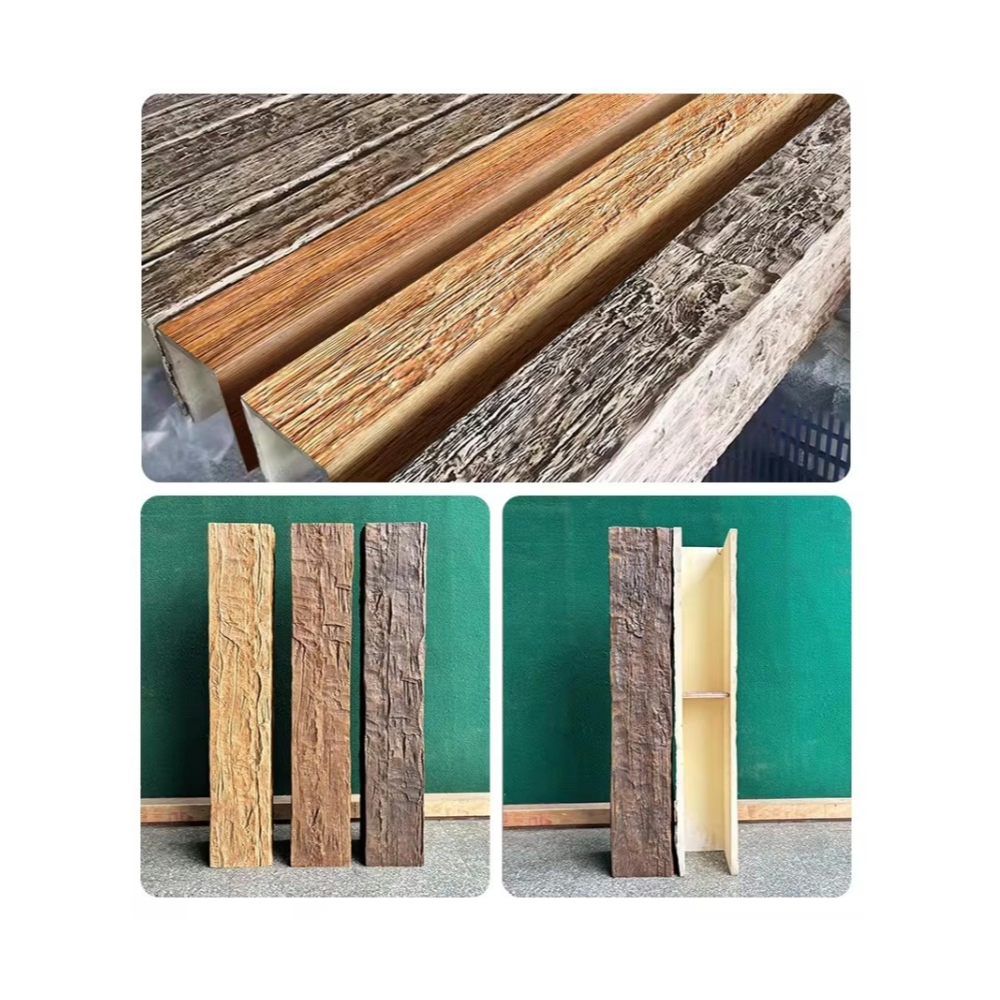
Quality Standards and Testing
Physical property testing verifies that formulations achieve specified performance. Compression testing, impact resistance, and flexibility measurements confirm that material properties meet requirements. Testing documentation supports quality claims and warranty coverage.
Accelerated aging tests simulate years of service exposure to predict long-term performance. UV chamber exposure, temperature cycling, and humidity testing identify potential problems before products enter service. Premium manufacturers conduct these tests routinely rather than only when problems emerge.
Consistency verification across production batches ensures that quality remains stable over time. Statistical sampling of finished products identifies any trends that might indicate process drift. This monitoring prevents the gradual degradation that less systematic approaches might miss.
Third-party certification through recognized testing laboratories provides independent verification of quality claims. Certifications from organizations like UL or Intertek carry weight that self-certification cannot match. Premium manufacturers pursue appropriate certifications for their target markets.
Application Guidance
Indoor residential applications represent the largest market for premium PU resin beams. Great rooms, dining areas, and master suites benefit from the authentic appearance and durable surfaces these products provide. Premium residential installations often specify these beams for their primary living spaces.
Hospitality environments demand the durability and appearance consistency that premium resin beams provide. Hotel lobbies, restaurant dining rooms, and resort common areas see heavy use that tests material limits. Premium specification ensures that installations maintain their appearance through years of service.
Commercial spaces including retail environments, professional offices, and entertainment venues also benefit from premium beam specification. The investment in quality supports brand image and creates environments that impress clients and customers. Commercial applications often justify premium specification through appearance requirements.
Historic preservation projects may specify PU resin beams when matching original details requires capabilities that natural materials cannot provide. Reproduction of historic profiles, repair of damaged originals, and creation of complementary new elements all suit resin technology capabilities. These specialized applications benefit from manufacturer expertise in restoration work.
Specification Best Practices
Clear project requirements communicate needs accurately to potential manufacturers. Written specifications supplemented by drawings, photographs, and physical references ensure that manufacturers understand what is expected. Ambiguous specifications lead to disappointed expectations.
Sample evaluation before production commitment verifies that proposed products meet project requirements. Requesting samples of proposed formulations and finishes allows assessment in actual conditions. Sample approval documented in writing prevents disputes about what was agreed upon.
Timeline planning accounts for the additional time that premium production requires. Custom formulation, extended curing, and thorough quality verification all extend lead times beyond standard alternatives. Building adequate schedule allowances prevents pressure that might compromise quality.
Communication throughout production maintains alignment and identifies issues early. Regular updates and opportunity for questions keep projects on track. Responsive manufacturers welcome engagement that helps ensure successful outcomes.
Technical References
ASTM standards cited in every specification
Test Data
Lab results from internal testing program
Updated 2026
Reviewed against current product specs