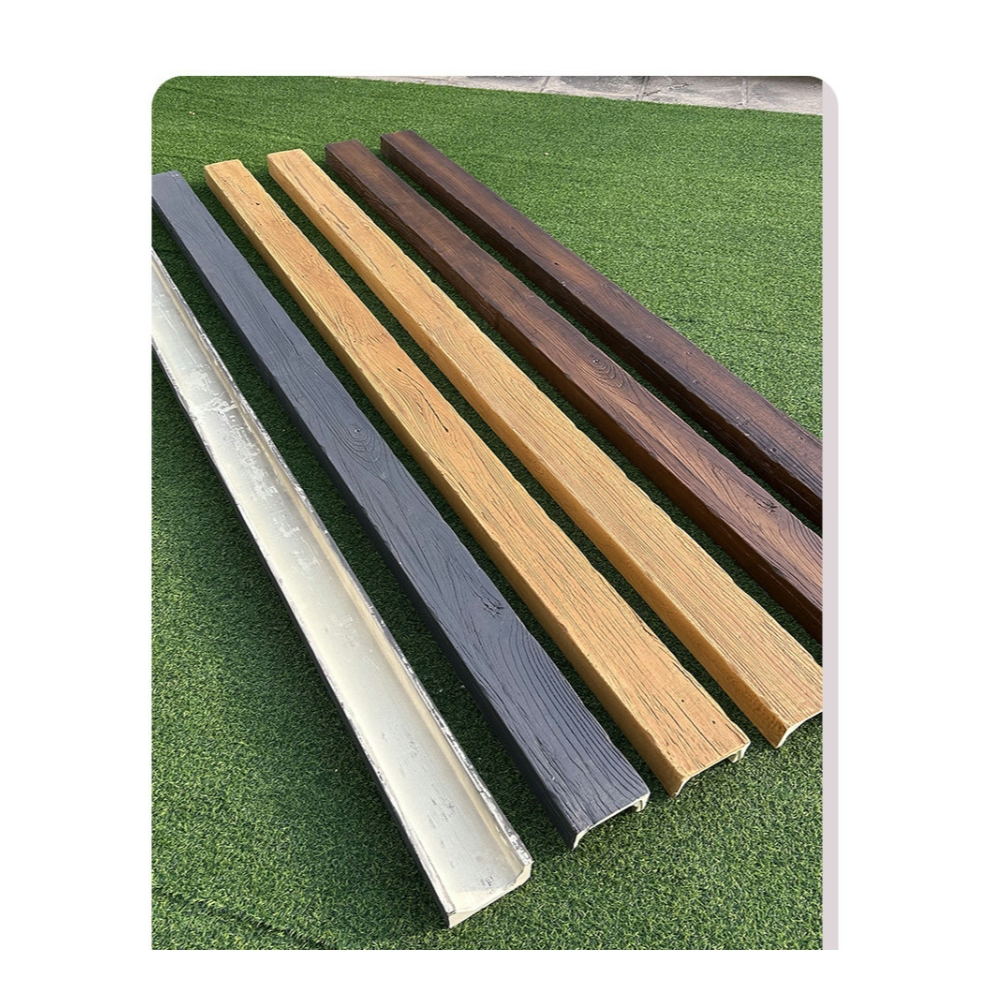
The decision to incorporate polyurethane faux wood beams into a space involves numerous considerations that determine whether the final result meets expectations. While these products offer remarkable versatility and aesthetic appeal, achieving professional-quality results requires understanding the unique characteristics of polyurethane materials, matching beam specifications to installation conditions, and applying appropriate techniques throughout the mounting process. Professional expertise in these areas distinguishes successful installations from disappointing outcomes that fail to capture the warmth and character that authentic timber provides.
Beam selection begins with accurate space assessment and honest evaluation of project goals. Ceiling height fundamentally influences appropriate beam sizing—rooms with standard eight-foot ceilings typically accommodate beams in the four-to-six-inch range, while higher ceilings permit larger profiles that create more dramatic visual impact. Room proportions matter as well; narrow rooms may benefit from beams running perpendicular to the longer dimension to create the illusion of expanded width, while open-plan spaces might use beams to define distinct functional areas without physical barriers. Expert consultants ask detailed questions about these spatial characteristics before recommending specific beam models.
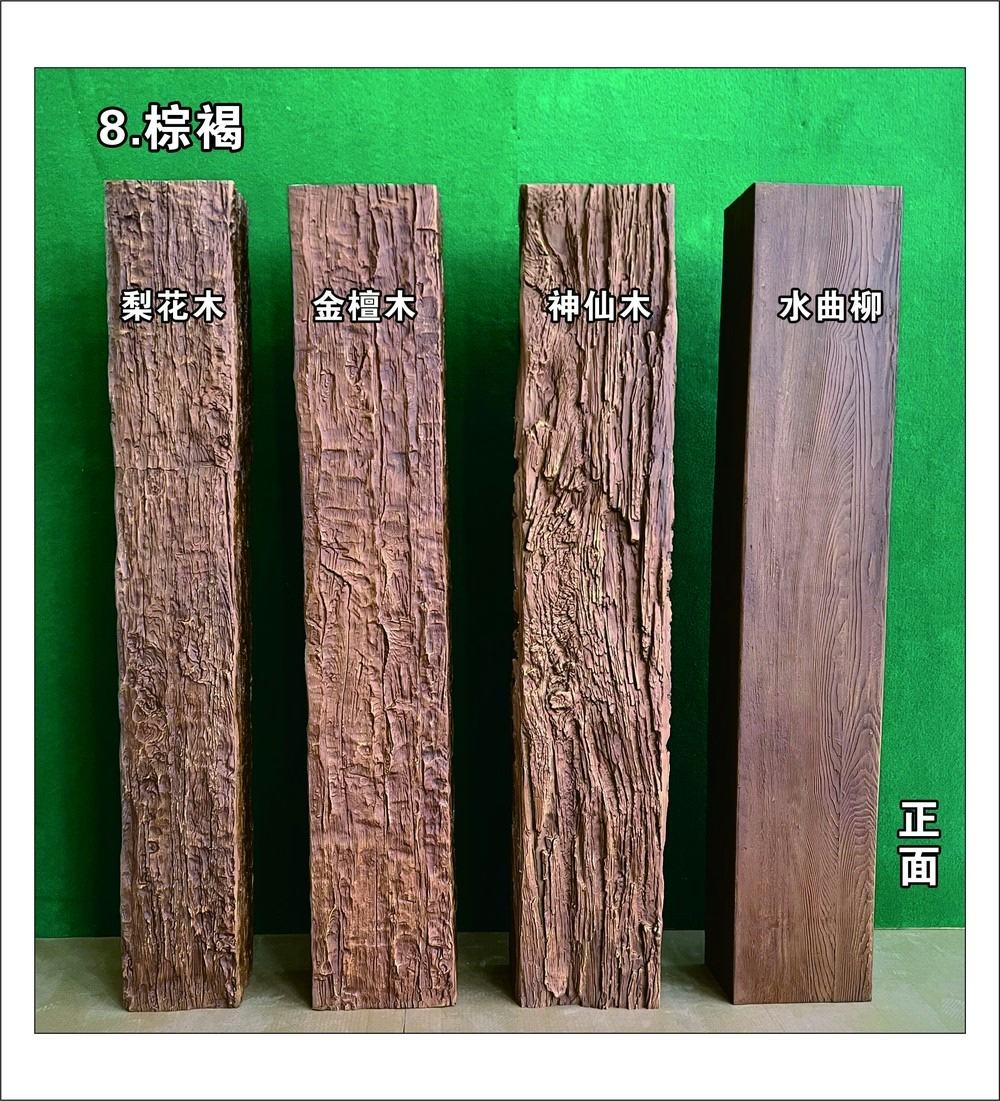
The architectural style of existing spaces should guide beam style selection for harmonious integration. Craftsman and farmhouse aesthetics pair naturally with beams featuring prominent grain patterns, hand-hewn textures, and darker stain finishes. Contemporary and minimalist spaces often work better with sleeker beam profiles, smooth surfaces, and lighter or painted finishes that maintain clean visual lines. Transitional spaces offer flexibility to experiment with various styles, though consistency throughout connected rooms remains important for cohesive design flow. Professional advisors maintain extensive image libraries demonstrating how different beam styles perform in various settings, helping buyers visualize outcomes before purchasing.
Structural considerations influence not only beam selection but also mounting method decisions. While polyurethane faux beams are significantly lighter than solid timber, the cumulative weight of multiple beams, potential ceiling substrate conditions, and any accessories like integrated lighting all factor into mounting system design. Experts evaluate whether existing ceilings can support direct attachment, whether additional framing or blocking is needed, and whether specialized hardware is required for beams exceeding certain lengths or spanning unsupported distances. These technical assessments prevent installation failures that could damage ceilings or cause beams to fall.
Finish selection represents another area where professional guidance proves invaluable. Polyurethane beams arrive in various conditions ranging from raw, paintable surfaces to factory-finished options with authentic-looking wood stains and protective coatings. Buyers choosing raw beams gain flexibility to customize color matching, but must understand preparation requirements, appropriate paint products, and finishing techniques that achieve durable, attractive results. Factory-finished beams offer convenience and guaranteed appearance, though color matching to existing woodwork requires careful product selection or sample verification. Expert advice helps buyers weigh these trade-offs based on their specific project constraints, skill levels, and aesthetic requirements.
Installation technique instruction forms a core component of professional faux beam services. Even high-quality beams fail to deliver intended results when improperly mounted. Experts teach proper handling procedures that prevent surface damage during transport and installation, techniques for creating invisible joints when beams must be joined end-to-end, methods for cutting beams cleanly without cracking or splintering polyurethane, and approaches for integrating beams with existing trim, molding, and architectural details. Video tutorials, illustrated guides, and live consultation sessions address the full range of installation scenarios encountered across residential and commercial projects.
Lighting integration has become an increasingly common request as homeowners and designers recognize the dramatic potential of combining faux beams with illumination systems. Experts advise on compatible lighting types, from recessed fixtures installed within beam cavities to surface-mounted fixtures and indirect lighting that grazes beam surfaces to emphasize texture. Thermal considerations matter when selecting lighting for polyurethane beams, as excessive heat can damage or discolor the material. Professional guidance helps buyers select lighting options that achieve intended ambiance while preserving beam appearance and safety.
Maintenance and care guidance ensures that faux beam installations maintain their beauty over extended periods. Unlike solid wood, polyurethane does not require periodic refinishing or treatment against moisture and pests. However, understanding appropriate cleaning methods, avoiding abrasive materials that might scratch surfaces, and addressing any damage promptly all contribute to long-term satisfaction. Experts provide specific care instructions based on beam finish type, environmental conditions, and usage patterns, giving buyers realistic expectations about ongoing maintenance requirements.

Budget planning assistance helps buyers achieve desired outcomes without overcommitting resources. Professional advisors understand pricing structures across beam types, sizes, and finish levels, and can suggest strategies for maximizing impact within specific budget constraints. Sometimes selecting slightly smaller beams in premium finishes delivers better results than larger beams in basic options. Other times, strategic placement of beams in focal areas while leaving secondary spaces untreated creates visual coherence without requiring full-room coverage. These nuanced recommendations require experience that generic online resources cannot provide.
The value of professional expert advice becomes most apparent when projects involve complexity beyond standard installations. Vaulted ceilings, curved walls, irregular room shapes, multi-level spaces, and commercial environments with specific performance requirements all benefit from consultation with specialists who have encountered similar challenges before. These experts can anticipate potential complications, suggest proven solutions, and help buyers avoid mistakes that would prove costly to remediate. For significant investments in home improvement or commercial fit-out, the cost of professional consultation represents a small fraction of overall project value while significantly improving probability of successful outcomes.
Accessing professional expertise has become increasingly convenient through digital communication channels. Video consultations allow experts to assess spaces remotely, review photographs and measurements provided by customers, and deliver personalized recommendations without requiring in-person visits. Email correspondence accommodates detailed technical questions with written responses that serve as references throughout installation processes. The combination of these remote consultation options with comprehensive online resources makes expert guidance accessible regardless of buyer location, bringing professional-grade support to projects of all scales.

Technical References
ASTM standards cited in every specification
Test Data
Lab results from internal testing program
Updated 2026
Reviewed against current product specs