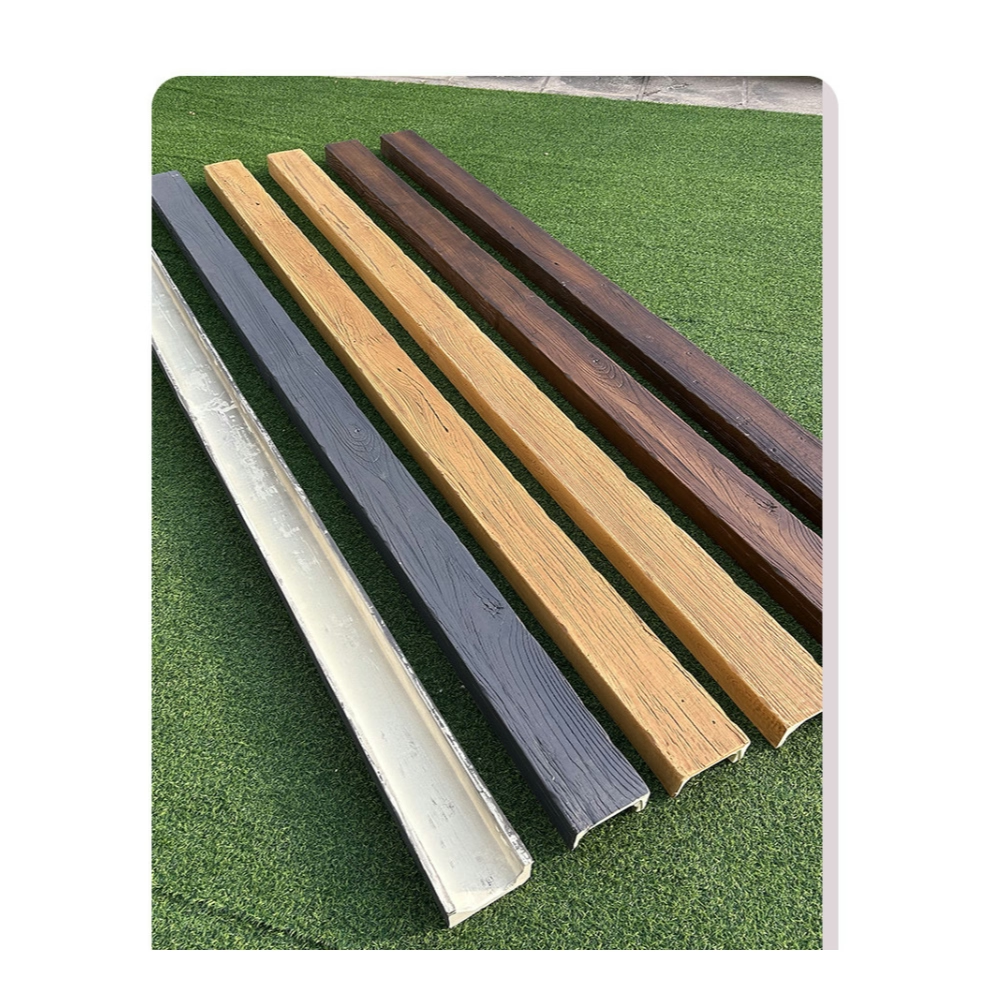
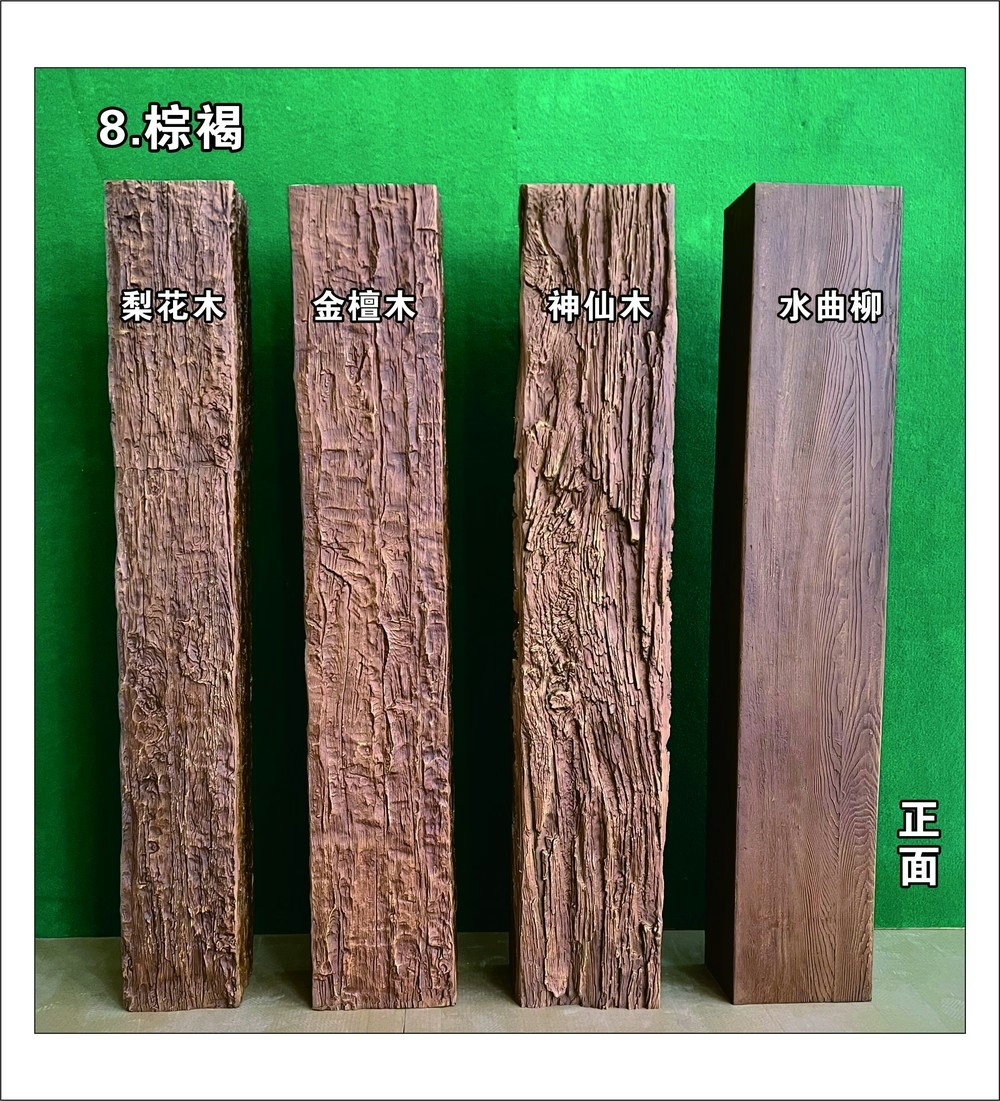
Adhesive bonding represents a fundamental technique in polyurethane faux beam installation, yet the importance of proper gluing procedures is often underestimated by those unfamiliar with the unique characteristics of polyurethane materials. Whether joining beam segments, attaching beams to mounting surfaces, or assembling complex multi-piece configurations, the strength and durability of resulting bonds depends entirely on adherence to professional gluing practices. Understanding these techniques prevents the joint failures and attachment problems that compromise otherwise well-planned installations.
Adhesive selection begins with understanding the specific requirements of each bonding application. Beam-to-beam joints connecting mitered corners or butt joints require adhesives with high shear strength capable of resisting the forces that stress these locations. Beam-to-ceiling attachment demands adhesives that bond effectively to both polyurethane and common construction substrates including drywall, plaster, wood, and metal. Environmental exposure applications may require adhesives with UV resistance, temperature tolerance, or moisture resistance appropriate to specific conditions. Professional installers maintain relationships with adhesive suppliers who provide technical guidance matching products to application requirements.
Polyurethane-specific adhesives offer advantages beyond general-purpose construction adhesives when working with faux beams. These formulations bond particularly well with polyurethane materials, often creating bonds stronger than the material itself. Flexibility after curing accommodates the subtle movements that building structures experience without cracking or debonding. Water-based options provide lower VOC emissions for interior applications where air quality matters. Professional installers understand these formulation differences and select products optimized for faux beam applications rather than defaulting to generic adhesives.
Surface preparation determines adhesive performance more than any other factor. Polyurethane beam surfaces must be clean, dry, and free from contamination that might interfere with bonding. Dust from cutting operations, oils from handling, and debris from installation environments all compromise adhesion if not removed before adhesive application. Cleaning procedures using appropriate solvents that evaporate completely prepare surfaces for bonding without leaving residues. This preparation step requires time and attention but delivers dividends in bond strength and longevity.
Application technique influences bond quality significantly. Adhesive applied in continuous beads along joint surfaces provides complete coverage without gaps that might become failure points. Adequate bead size ensures sufficient material for complete bonding without excessive squeeze-out that creates cleanup requirements. Application temperature affects viscosity and spreading characteristics—adhesive too cold may not flow properly, while adhesive too warm may cure before proper joint assembly. Professional installers maintain adhesives at appropriate temperatures and work efficiently to ensure proper joint assembly within adhesive open times.
Clamping procedures hold bonded joints in proper alignment during adhesive curing. Even slight movement during curing creates stress concentrations that weaken bonds and may cause eventual failure. Professional clamping uses appropriate pressure applied uniformly across joint surfaces without crushing or deforming beam materials. Clamping duration depends on adhesive formulation and environmental conditions, with inadequate curing time before load application compromising bond strength. Understanding specific product cure requirements prevents premature stress application that undermines joint integrity.
Joint configuration affects adhesive performance in ways that inform assembly approach. Broad, flat joints between beam surfaces offer more bonding area than narrow edge joints, creating stronger bonds with greater load capacity. Tongue-and-groove or stepped joint profiles increase bonding area while providing alignment guidance during assembly. Mechanical interlocking features combined with adhesive bonding provide redundancy that improves reliability. Professional installers design joint configurations that maximize adhesive performance rather than simply butting surfaces together.
Assembly sequencing for complex multi-beam installations considers access requirements for adhesive application and clamping. Joints that will become inaccessible after earlier assembly must receive full adhesive application before that assembly step. Clamping access for joints that will be hidden after installation must occur while access remains possible. Planning these sequences prevents the compromises that time pressure creates when installers discover they cannot reach joints for proper adhesive application.
Environmental conditions during and after adhesive application affect curing and bond development. Temperature extremes slow cure times and may prevent proper adhesive polymerization. High humidity accelerates water-based adhesive curing but may interfere with certain formulations. Air circulation helps solvent evaporation in some adhesive types while potentially causing skin formation on others. Professional installers monitor environmental conditions and adjust procedures accordingly to ensure optimal cure regardless of site conditions.
Quality verification after adhesive curing confirms that bonds achieved intended strength. Visual inspection identifies any adhesive gaps or voids that might indicate application problems. Gentle tapping on joints produces sounds that reveal debonding or incomplete contact. Pull testing applies controlled force to sample joints to verify bond strength development. These verification procedures identify problems while corrections remain possible, before concealed joints become impossible to access.
Safety practices during adhesive handling protect installers and building occupants. Personal protective equipment including gloves, eye protection, and respiratory protection prevents exposure to adhesive components. Adequate ventilation during application and curing removes vapors from occupied spaces. Proper disposal of adhesive containers and contaminated materials prevents environmental contamination. Professional installers maintain safety equipment and training appropriate to the adhesive products they use.
Troubleshooting adhesive problems requires understanding common failure modes and their causes. Adhesive that remains uncured indicates application temperature too low, open time exceeded before assembly, or incompatible adhesive selection. Brittle adhesive that cracks under stress suggests formulation inappropriate for application conditions or excessive age reducing performance. Debonding at interfaces reveals surface preparation deficiencies or incompatible material combinations. Professional installers recognize these patterns and adjust procedures to prevent recurrence.
Long-term adhesive performance depends on initial application quality and ongoing environmental exposure. Adhesives properly applied under ideal conditions maintain bond strength for decades in typical interior applications. Harsh environmental conditions—excessive moisture, extreme temperatures, UV exposure, or mechanical stress—may reduce longevity regardless of application quality. Professional specification of adhesive products for specific application conditions provides the best assurance of long-term performance.

Maintenance considerations for adhesive-bonded assemblies address conditions that might develop over time. Periodic inspection identifies any signs of joint movement or debonding before they progress to visible problems. Environmental control within reasonable ranges prevents conditions that stress adhesive bonds. Prompt attention to any developing issues prevents minor problems from progressing to major failures. These maintenance practices, combined with quality initial installation, ensure that adhesive-bonded beam assemblies provide lasting performance.
Professional gluing techniques distinguish high-quality beam installations from amateur attempts. The investment in understanding proper adhesive selection, application, and curing pays dividends in strong, durable joints that perform reliably throughout the life of beam installations. For anyone serious about achieving professional results with polyurethane faux beams, mastering these gluing techniques represents essential knowledge.

Technical References
ASTM standards cited in every specification
Test Data
Lab results from internal testing program
Updated 2026
Reviewed against current product specs