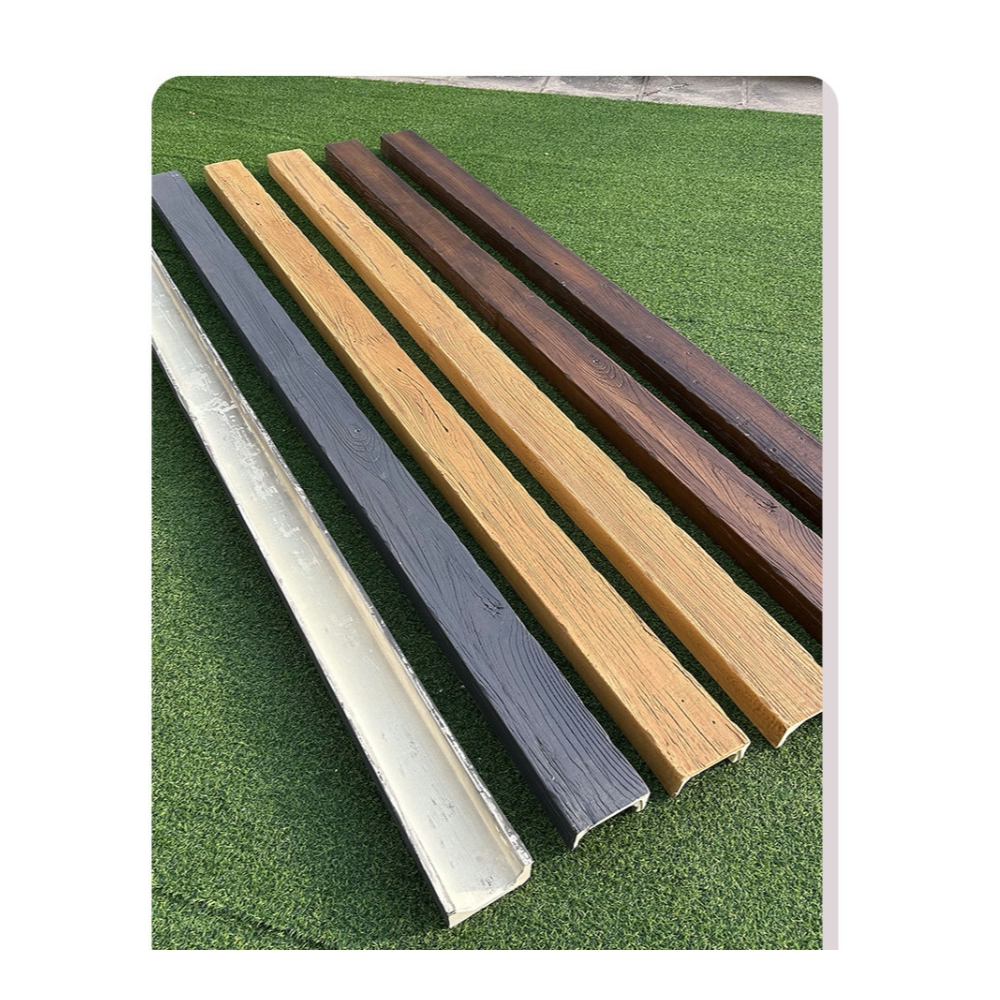
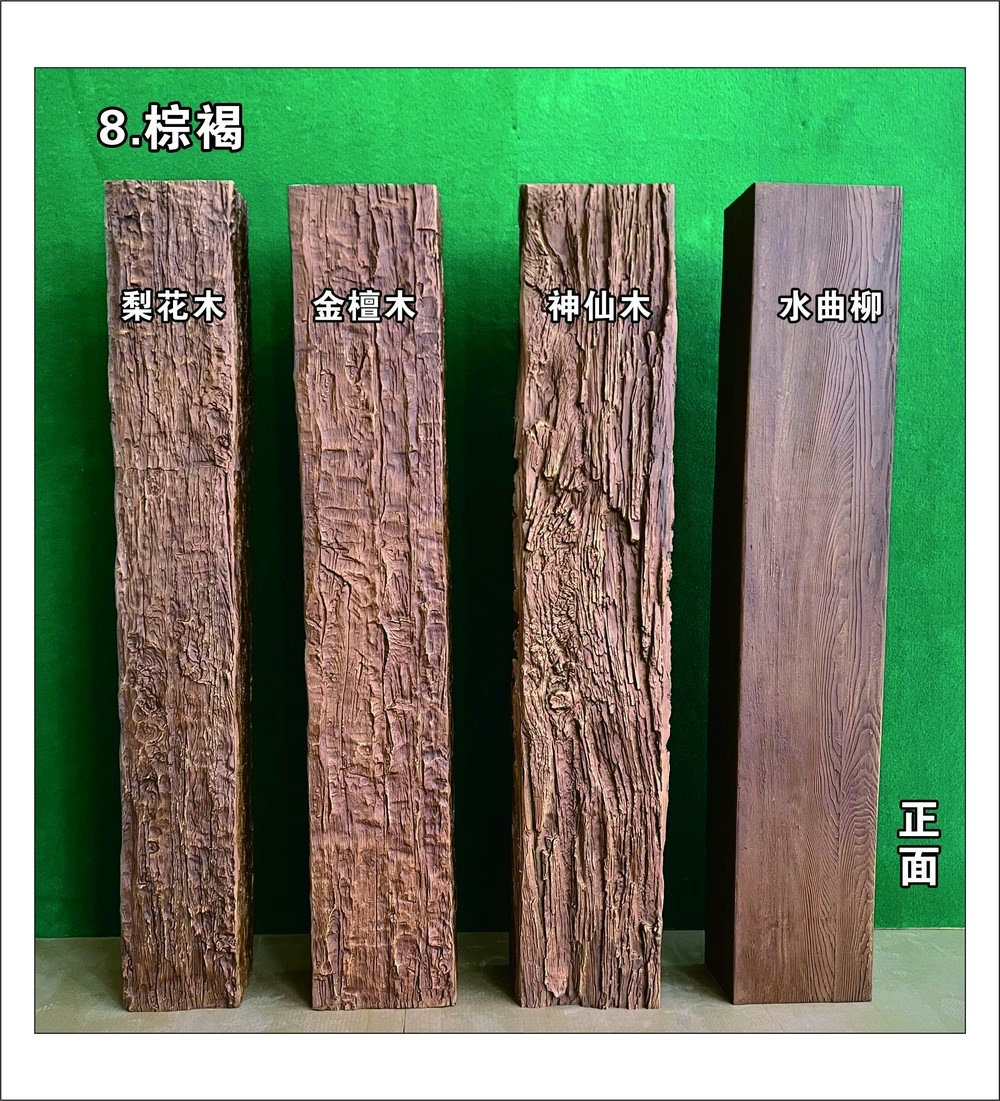
Systematic inspection represents the difference between beam installations that perform reliably over decades and those that fail prematurely due to overlooked deficiencies. Professional inspectors follow structured checklists that ensure comprehensive evaluation without overlooking critical details. These systematic approaches identify issues at stages when correction costs minimal time and expense, before problems become concealed behind finished surfaces or lead to structural failures.
Pre-installation inspection begins before any mounting activity commences, evaluating conditions that affect installation success. Surface assessment checks ceiling substrates for adequate strength, appropriate material composition, and freedom from conditions that might compromise attachment. Moisture content in wood substrates should remain below levels that promote rot or dimensional instability. Surface flatness evaluation identifies irregularities that might affect beam alignment or create gaps after installation.
Structural framing assessment ensures that ceiling structure can support beam weight and mounting hardware loads. Access to attic spaces or ceiling cavities allows direct inspection of joist condition, spacing, and attachment to surrounding structure. Any signs of structural compromise—rot, insect damage, cracks, or inadequate fastening—require remediation before beam installation proceeds. This structural review prevents mounting failures that result from inadequate underlying support.
Material verification confirms that beams and hardware match specifications before installation begins. Beam dimensions should match ordered specifications within acceptable tolerances. Finish quality should meet expectations established during purchasing decisions. Hardware should match specified types, sizes, and load ratings. Any discrepancies discovered at this stage can be addressed through returns or reorders; materials already installed create more complex resolution scenarios.
Environment assessment evaluates conditions that affect installation and long-term performance. Temperature and humidity conditions should fall within manufacturer recommendations for adhesive curing and finish application. Adequate ventilation removes fumes from adhesives and finishes during application. Lighting conditions allow proper visibility for accurate installation work. Environmental factors that fall outside acceptable ranges should be corrected before proceeding.
Equipment verification ensures that tools and supplies necessary for installation are present and functional. Fastener inventories should match requirements for beam quantities and mounting configurations. Adhesive products should be appropriate for specific substrates and environmental conditions. Cutting tools should produce clean cuts without tear-out or damage. Level and measurement tools should be calibrated accurately. This preparation prevents mid-installation delays from missing equipment or supplies.
Documentation review confirms that installation plans, drawings, and specifications are current and accessible. Layout drawings should reflect actual site conditions and account for any changes from original plans. Hardware specifications should be available for reference during installation. Inspection criteria should be understood before work begins. Having this documentation available during installation ensures consistent decision-making throughout the project.
During-installation inspection monitors ongoing work quality at regular intervals. Attachment point spacing should match specifications, with measurements confirming consistent intervals throughout. Fastener penetration should achieve adequate depth without exceeding maximum limits. Adhesive coverage should be complete without gaps or voids. Alignment verification throughout installation prevents cumulative errors that become severe by project completion.
Hardware inspection evaluates mounting components as installation proceeds. Bracket placement should align with structural elements and support beam positioning as designed. Connection points should be secure before beams are placed. Support hardware should be level and properly oriented. Any hardware showing defects or damage should be replaced rather than installed despite problems. This ongoing hardware monitoring catches issues before beams conceal mounting points.
Beam alignment inspection ensures that installed beams meet positional and orientational requirements. Horizontal beams should be level within acceptable tolerances. Parallel beams should maintain consistent relationships throughout their lengths. Joint alignment should create smooth transitions without steps or gaps. Visual assessment from normal viewing distances reveals alignment problems that might not appear in close inspection.
Seam quality inspection evaluates joints between beam segments for appearance and structural integrity. Mitered corners should meet precisely at corners with consistent angles. Butt joints should align without visible steps or gaps. Adhesive should not squeeze out excessively or leave gaps that indicate incomplete bonding. Surface finishes should blend seamlessly across joints without visible transitions.
Attachment security testing applies gentle pressure to beams after initial mounting to verify secure attachment. Beams should not shift, creak, or feel loose when pressure is applied. Any movement indicates inadequate attachment that should be corrected before proceeding. This functional testing provides confidence that visible attachment points have achieved designed holding capacity.
Surface condition inspection monitors beam surfaces throughout installation for damage from handling, tools, or adjacent work. Scratches, dents, or finish damage should be identified and documented for repair. Protection measures should prevent additional damage during remaining installation work. This ongoing surface monitoring preserves appearance quality for project completion.
Post-installation inspection provides comprehensive evaluation after all mounting work is complete. Final attachment verification confirms that all mounting points remain secure after completion of surrounding work. Alignment confirmation re-checks beam positioning after any adjustments during final installation phases. Surface condition review documents any damage incurred during installation for repair planning.
Structural load testing applies appropriate loads to verify that mounting systems support intended weight without excessive deflection. Static load tests confirm that beams do not deflect significantly under normal loading conditions. If beams will support additional items such as light fixtures or ceiling fans, loading tests should verify adequate support capacity. This structural verification provides assurance that beams will perform safely under actual use conditions.
Finish condition assessment evaluates overall appearance quality against established standards. Lighting conditions similar to normal use conditions should be used for final assessment. Any areas requiring touch-up or repair should be identified and documented. Overall appearance should meet expectations established during product selection and specification.
Documentation completion records inspection findings for project records and warranty support. Inspection reports should detail any deficiencies identified, corrections made, and final conditions achieved. Photographic documentation provides visual evidence of installation quality. These records support warranty claims, future maintenance, and professional liability documentation.
Safety verification confirms that installations meet safety requirements beyond structural adequacy. Fall protection for installers should remain in place until all work at elevation is complete. Electrical safety should be verified if beams are installed near electrical systems. Fire safety should be confirmed if beams are installed in rated assemblies. Safety compliance protects both workers during installation and building occupants afterward.
Client walkthrough provides opportunity for property owners to review completed installations and ask questions. Professional installers demonstrate inspection findings and explain any decisions made during installation. Care and maintenance instructions prepare owners for ongoing upkeep. This walkthrough creates understanding and acceptance of completed work.
Punch list development documents any remaining items requiring completion before final project acceptance. Deficient items should be specific and measurable, allowing clear verification of correction. Priority classification helps organize correction work efficiently. Final verification confirms that all punch list items have been adequately addressed.
Warranty registration ensures that manufacturers receive installation documentation required for warranty activation. Product registration provides dates that establish warranty eligibility. Installation documentation supports warranty claims if issues arise later. Professional installers complete warranty registration as part of final project procedures.

Follow-up inspection scheduled for several weeks or months after completion identifies any issues that develop during initial use. Thermal cycling, settling, and normal wear may reveal problems not apparent immediately after installation. Early identification of developing issues allows correction before they progress to significant problems. This post-occupancy inspection completes the professional inspection process.
Quality assurance program development formalizes inspection procedures for ongoing use. Checklists should be reviewed and updated based on installation experience. New issues encountered should be added to inspection criteria for future projects. Continuous improvement in inspection processes enhances quality on subsequent installations. Professional organizations develop these programs as part of commitment to excellence.
Training and certification ensures that inspection personnel maintain current knowledge of inspection techniques and standards. Continuing education keeps inspectors current with product developments and installation techniques. Certification programs validate inspector competency for clients and employers. Professional development in inspection skills benefits both individual careers and overall industry quality.

Technical References
ASTM standards cited in every specification
Test Data
Lab results from internal testing program
Updated 2026
Reviewed against current product specs