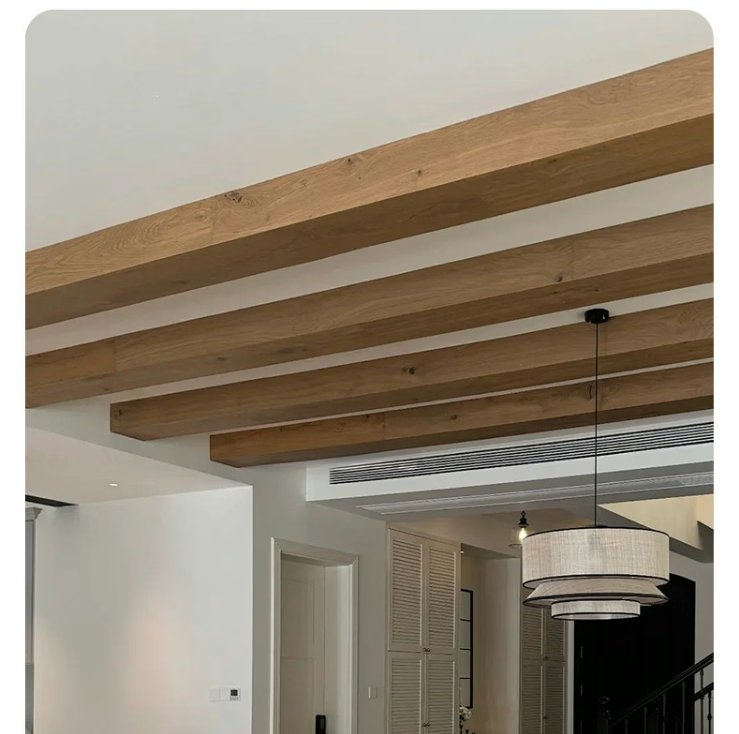
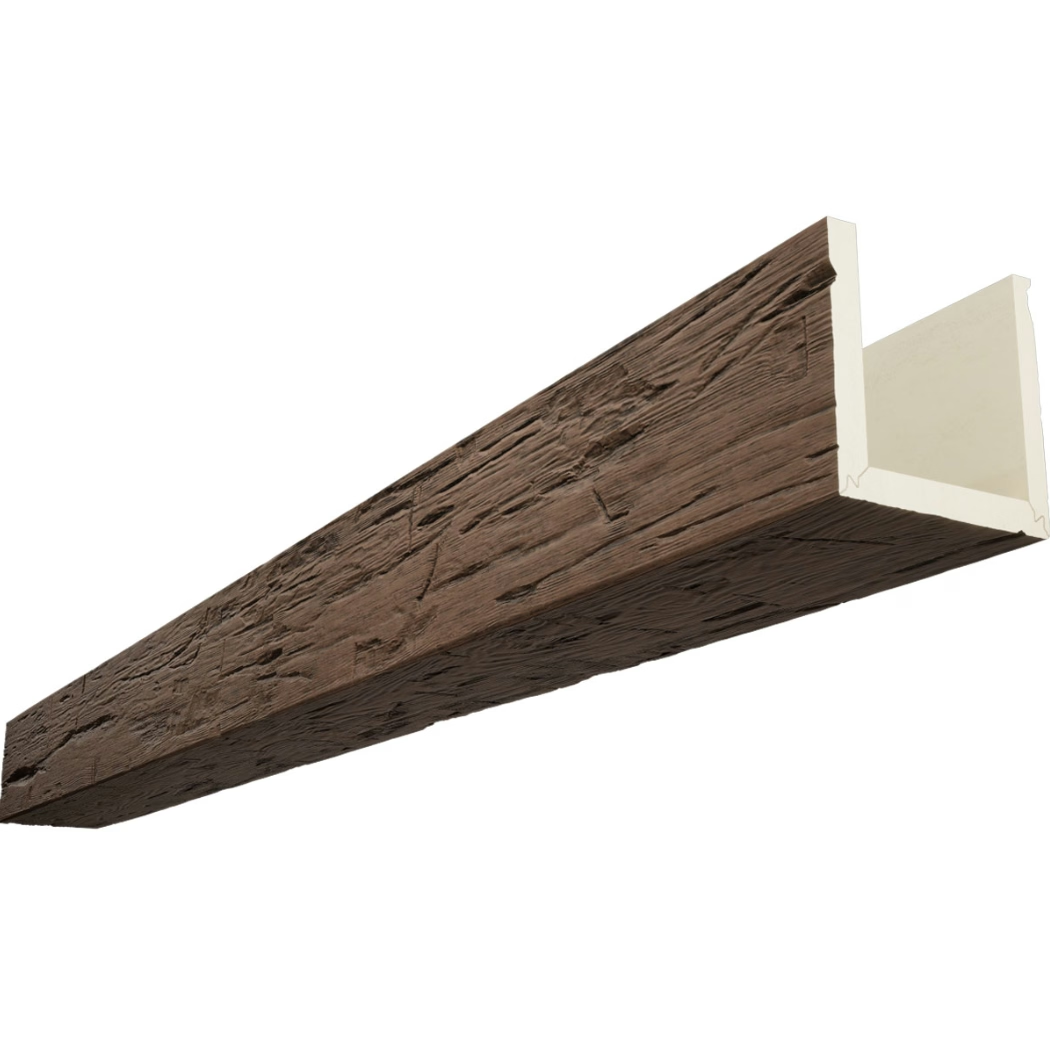
When you're managing a construction project that spans multiple countries or sourcing decorative building materials for a regional distribution network, the logistics of moving large volumes of polyurethane faux wood beams can quickly become overwhelming. These lightweight yet bulky products require careful planning to ensure they arrive safely, on time, and within budget. Professional logistics solutions tailored specifically for the faux beam industry address these challenges head-on, transforming what could be a logistical nightmare into a smooth, predictable process.
The first consideration in any bulk shipment of decorative beams is understanding the unique physical characteristics of polyurethane products. Unlike heavy timber or steel structural elements, polyurethane faux beams are surprisingly lightweight relative to their size. This characteristic creates both opportunities and challenges during transportation. While the reduced weight means lower shipping costs per unit, the bulky nature of these products means they'll occupy significant container space, making efficient packing essential for cost-effective transportation.

Understanding Container Optimization for Faux Beam Shipments
Professional logistics providers understand that maximizing container utilization requires more than simply stacking boxes. For polyurethane beams, the packing strategy must account for the products' dimensions while protecting them from crushing forces during transit. Most shipments utilize either 20-foot or 40-foot standard containers, with the choice depending on total volume and destination port capabilities. A well-loaded 40-foot container can typically accommodate between 200 and 400 individual beams, depending on their cross-sectional dimensions and lengths.
The packing process begins with proper bracing within the container. Wooden pallets form the foundation, with beams arranged in interlocking patterns that prevent shifting during ocean crossings or overland transportation. Each layer gets secured with industrial strapping, and the entire load gets braced against the container walls using wooden boards. This attention to packaging detail significantly reduces the risk of in-transit damage, which otherwise could result in costly claims and project delays.
Temperature and humidity control represent additional considerations for international shipments. While polyurethane itself resists moisture absorption better than natural wood, prolonged exposure to salt air in marine environments can affect surface finishes. Professional logistics companies address this through container desiccants and, for high-value shipments, climate-controlled shipping options. These preventive measures ensure the beams arrive looking exactly as they left the factory.
Freight Consolidation Strategies
For buyers who don't require full container loads, freight consolidation provides an economical alternative. Consolidation services aggregate smaller orders from multiple buyers heading to the same destination region, filling containers more efficiently and spreading transportation costs across several parties. This approach works particularly well for distributors serving scattered markets or contractors handling multiple smaller projects simultaneously.
The consolidation process involves careful inventory management at the consolidation warehouse. Each buyer's order gets identified, counted, and staged separately within the shared container. Sophisticated warehouse management systems track every piece, generating detailed packing lists that correspond to each recipient's order. Upon arrival at the destination port, the consolidated shipment gets distributed according to these records, with each buyer receiving exactly what they ordered.
Lead time planning becomes especially important with consolidated shipments. Since the logistics provider must wait until sufficient cargo accumulates to fill a container, transit times may extend by one to three weeks compared to direct shipments. Buyers who plan ahead and submit orders early capture the cost benefits of consolidation without sacrificing delivery timelines. Professional logistics partners communicate clearly about cutoff dates and expected sailing windows, enabling buyers to coordinate their procurement schedules accordingly.

Customs Documentation and Compliance
International trade in construction materials involves substantial documentation requirements. Polyurethane faux wood beams typically fall under Harmonized Tariff System codes related to plastic products or prefabricated architectural elements, depending on their specific classification. Professional logistics providers maintain current knowledge of these classifications and their associated duties, helping buyers avoid unexpected costs or shipment holds at customs.
The essential documents for any international beam shipment include commercial invoices, packing lists, bills of lading, and certificates of origin. For polyurethane products, material safety data sheets may also prove necessary to demonstrate that the products meet environmental and fire safety standards in the destination country. Experienced logistics teams prepare this documentation meticulously, ensuring consistency across all paperwork to prevent customs delays.
Some markets impose additional requirements for building materials, particularly regarding fire resistance ratings and emissions standards. European markets, for example, may require CE marking demonstrating compliance with Construction Products Regulation standards. North American projects might need documentation of compliance with local building codes. Professional logistics providers maintain relationships with testing laboratories and certification bodies, streamlining the process of obtaining necessary approvals before shipment.
Delivery Coordination and Project Integration
Getting beams from the port to the job site represents the final leg of a complex journey. Professional logistics solutions extend beyond international transportation to include domestic freight coordination, specialized vehicle arrangements, and site delivery scheduling. This end-to-end service ensures that materials arrive when construction crews are ready to install them, avoiding costly storage expenses or project delays due to late deliveries.
Site delivery planning requires detailed information about access conditions, off-loading capabilities, and scheduling constraints. Urban construction projects may face restrictions on large vehicles during certain hours, while rural installations might require specialized equipment for off-road delivery. Logistics coordinators gather this information during order processing, developing delivery plans that account for the unique circumstances of each project location.
For large-scale projects involving multiple deliveries, professional logistics teams implement phased delivery schedules that align with construction phasing. This approach prevents materials from accumulating on-site before they're needed while ensuring continuous availability throughout the installation process. Warehouse facilities at or near the job site may be arranged for projects requiring intermediate storage, providing flexibility in delivery timing without straining limited site space.
Building Long-Term Logistics Partnerships
The most successful buyers of faux wood beams develop ongoing relationships with logistics providers who understand their specific needs. These partnerships yield benefits that compound over time: established processes that reduce administrative overhead, preferred pricing due to consistent volume commitments, and institutional knowledge that anticipates and prevents problems before they occur.
A logistics partner familiar with your projects can offer valuable recommendations for packaging improvements, route optimization, or consolidation opportunities that might otherwise go unnoticed. They track relevant regulatory changes, tariff updates, and shipping market fluctuations, passing along insights that inform your procurement decisions. This consultative relationship transforms logistics from a transactional expense into a strategic advantage for your business.
When evaluating logistics partners for faux beam shipments, look for providers with documented experience in the decorative building materials sector. Ask about their track record with similar shipments, their relationships with ocean carriers and domestic freight providers, and their capabilities for handling documentation and customs clearance. The right partner makes international sourcing of polyurethane beams straightforward and predictable, supporting your business growth without adding complexity to your operations.
Technical References
ASTM standards cited in every specification
Test Data
Lab results from internal testing program
Updated 2026
Reviewed against current product specs