
Every major construction decision benefits from preview capability. Clients hesitate to approve expensive installations based solely on photographs and product specifications, and rightfully so. Photographs cannot convey how light plays across beam textures, how the color reads in the actual space, or how the proportions feel when standing beneath the beams. Professional mockup and sample services address this fundamental limitation, transforming uncertain decisions into confident approvals.
The investment in creating mockups and providing samples returns value through multiple channels. Clients make decisions faster when they can experience the actual product rather than imagining it. Disputes about appearance decrease dramatically when expectations have been set accurately. Sales close more readily when the product fear factor has been removed through tangible demonstration.
Understanding Mockup Applications
Full-scale mockups recreate the actual installation scenario in miniature or section form, allowing clients to see exactly how beams will appear in their space. A wall-mounted mockup might show two feet of beam section with mounting details, while a ceiling mockup could display a section of multiple beams with their spacing. The mockup scale should be large enough to communicate the essential qualities of the final installation without requiring excessive material.
Ceiling mockups prove particularly valuable for beams spanning large areas. The visual impact of wide beam spacing or the effect of texture depth on the overall appearance cannot be judged from small samples. A mockup spanning several feet in each direction communicates scale and proportion that smaller samples cannot convey. Some contractors create temporary mockups directly on the ceiling using lightweight materials, giving clients the most accurate preview possible.
Section mockups show construction details that affect appearance and function. How beams meet at corners, how beam ends terminate at walls, and how mounting hardware is concealed all represent decisions that benefit from physical demonstration. Section mockups allow clients to examine these details closely and ask informed questions before the actual installation commits these decisions permanently.
Sample Provision Strategies
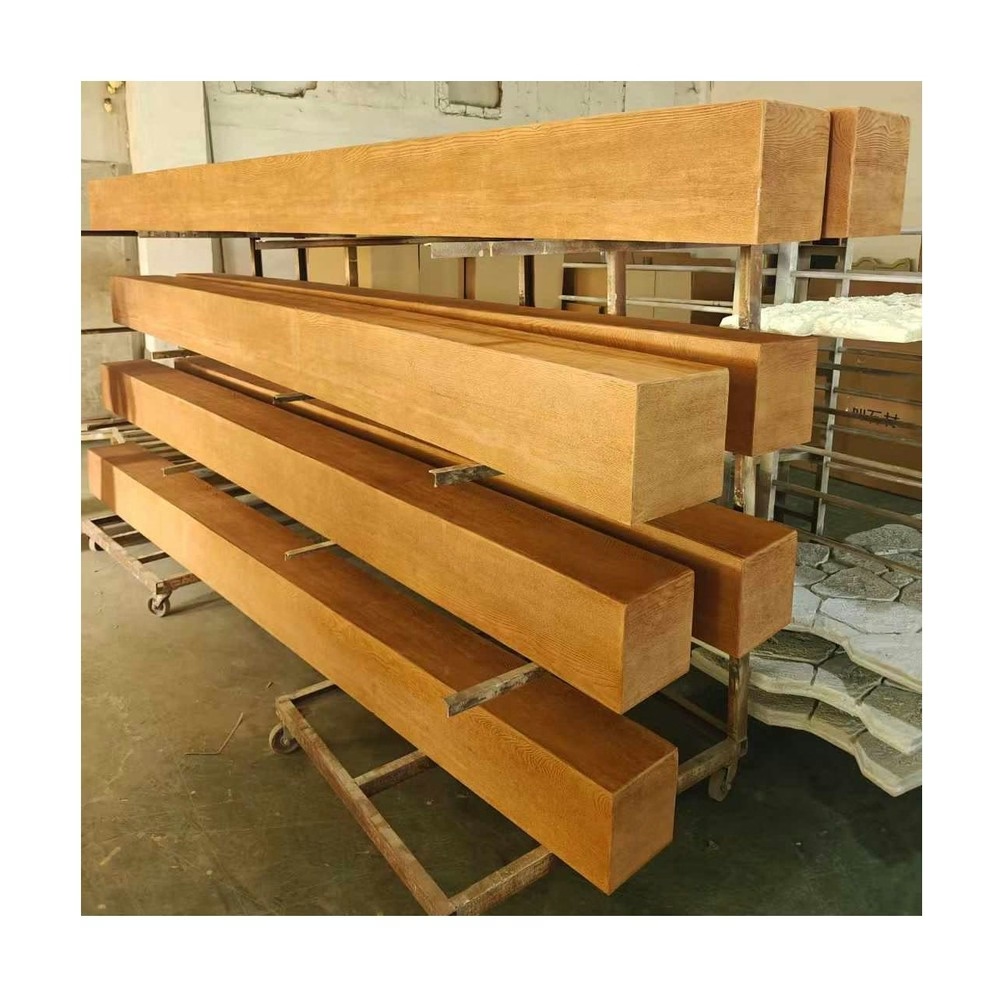
Physical samples serve different purposes than mockups and should be selected accordingly. A small sample chip demonstrates color and texture adequately but cannot convey scale or spatial impact. Provide samples sized appropriately for the decision they inform— small samples for finish selection, larger samples for texture evaluation, and full-length beam sections when span or proportion matter.
Sample presentation affects client perception of professionalism. Mount samples on clean cards with product information clearly labeled, rather than handing over loose pieces or sending samples in envelopes. Professional presentation reinforces the quality of the product and your commitment to service excellence. Include light conditions information if the sample looks significantly different under various lighting types.
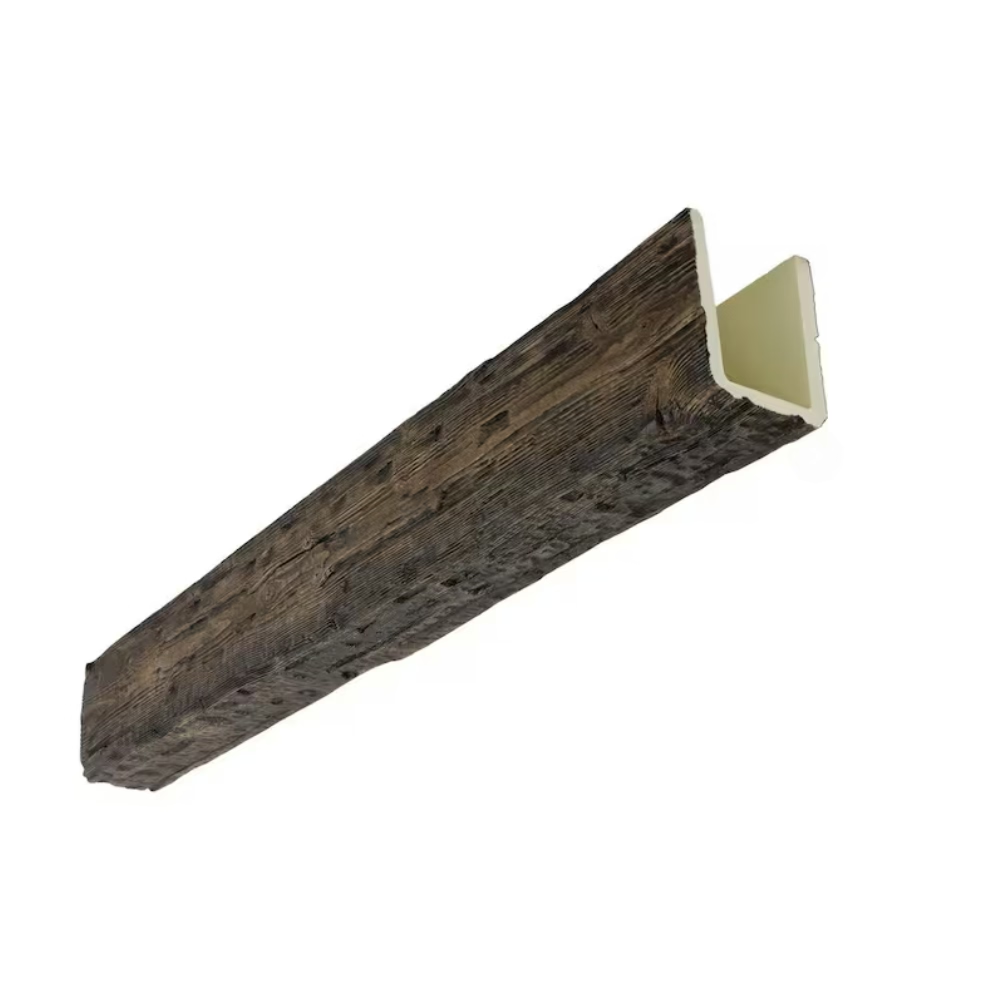
Consider providing multiple sample types to address different client concerns. A finish sample shows the color and texture, a cross-section sample reveals the structural composition, and a weight comparison sample demonstrates how lightweight the material is compared to real timber. This multi-dimensional demonstration addresses concerns that single samples cannot touch.
Setting Appropriate Expectations

The mockup and sample process serves partly as an education opportunity. Many clients approach faux beams with preconceptions based on past experiences with lower-quality imitations. Modern PU faux beams achieve levels of realism that surprise even experienced professionals, but clients must see and touch the actual product to believe it. Allow adequate time during sample and mockup review for this discovery process.
Discuss lighting conditions that will affect the installed appearance. Samples viewed under showroom lighting may look different than they appear in the client's actual space. Warn clients about significant lighting variations and recommend they view samples in their own space under their actual lighting before final approval. This proactive education prevents post-installation surprises.
Address the relationship between samples and installation variation honestly. Batch production variation means that individual pieces may differ slightly from samples and from each other. Professional installers source beams from consistent production batches for specific installations, but clients should understand that some natural variation is inherent in the manufacturing process. Explain your quality control approach for managing this variation.
Client Involvement in Approval Process
Structure the approval process to maximize client confidence while protecting yourself from unreasonable demands. Provide samples and mockup access early in the project, allowing time for client consideration without creating project delays. Document what samples were provided, when they were provided, and client acknowledgment of receipt.
Create a formal approval form that documents client decisions about beam selection, finish treatment, and installation approach. This form should reference specific samples or mockups by identifier, preventing future disputes about what was approved versus what was installed. Have clients sign the approval form before ordering materials or beginning installation.
Allow reasonable time for client decision-making without letting the process stall indefinitely. Establish timelines for approval at the beginning of the mockup/sample phase, and communicate consequences of delayed decisions for project scheduling. Professional relationship management keeps the process moving while respecting client needs for careful consideration.
Capture client feedback during mockup and sample review that informs the installation approach. Notes about preferred texture density, color warmth, or beam proportions guide product selection and installation technique. This feedback loop improves both the immediate project outcome and your understanding of client preferences for future projects.
Documentation and Record Keeping
Photograph all samples and mockups before providing them to clients, creating a record of what was available for review. Photograph the samples again when returned, noting condition and any changes that occurred during client review. These records protect against disputes about sample availability or condition.
Include sample photographs in project documentation, referencing them in contracts and approval forms. The visual record prevents confusion about which specific samples informed which decisions. Include lighting conditions and viewing angle information with photographs when this context matters for future reference.
Archive samples after project completion in case future reference becomes necessary. Questions about beam matching for additions, repairs, or insurance claims all benefit from access to the original samples. Organize archived samples by project and maintain records of their storage location for efficient retrieval.
Build a portfolio of mockup and sample configurations that demonstrates your capabilities to future clients. Professional photography of successful mockups builds credibility and helps clients visualize what the process can provide. This portfolio approach turns each mockup into marketing material that supports future sales.
Technical References
ASTM standards cited in every specification
Test Data
Lab results from internal testing program
Updated 2026
Reviewed against current product specs


