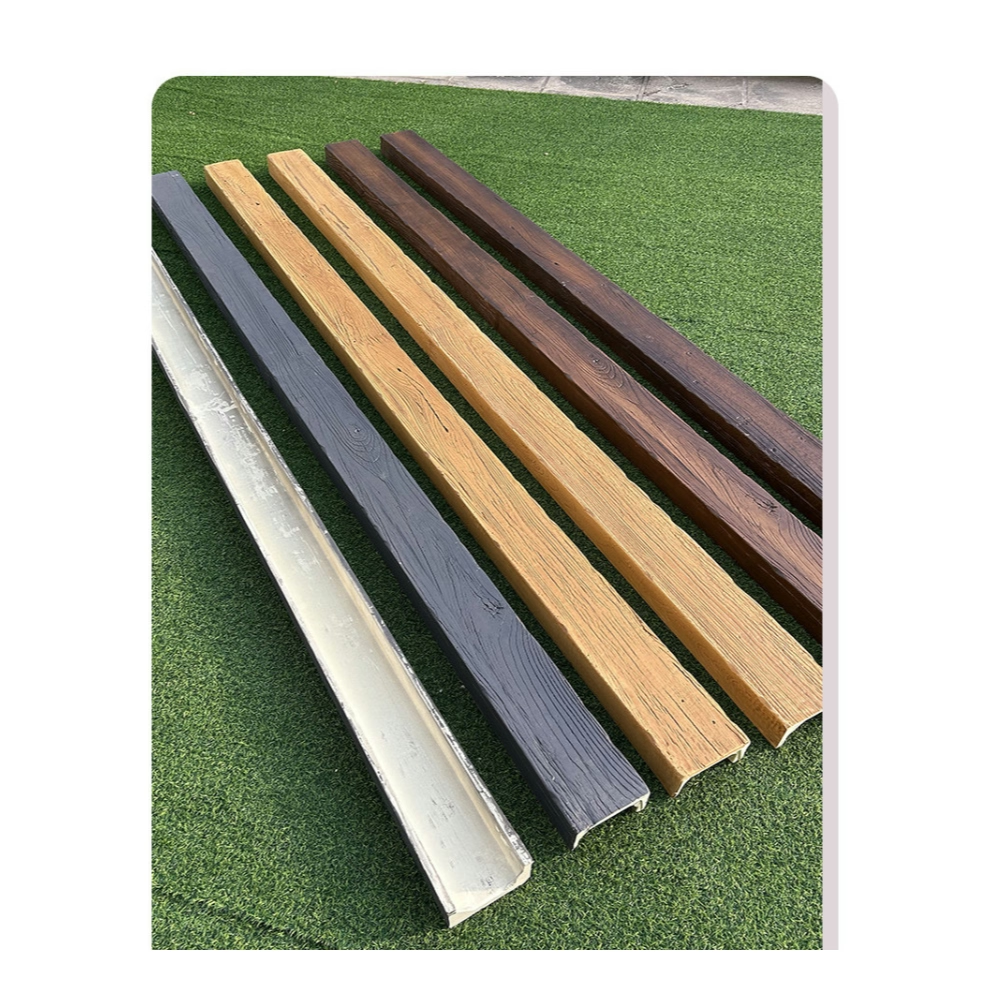
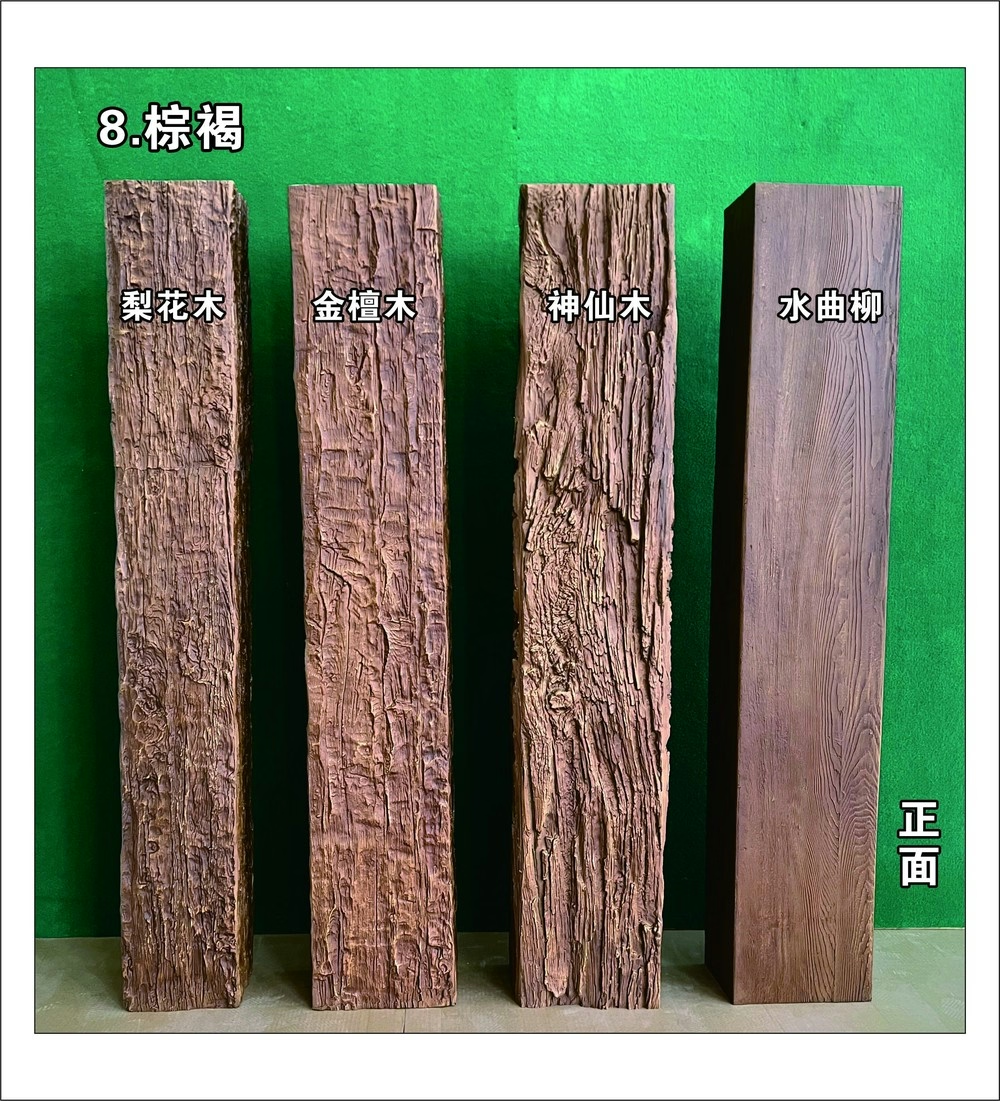
Construction projects involving polyurethane faux beams benefit significantly from professional on-site guidance during installation. Even experienced builders sometimes encounter situations that require specialized knowledge or fresh perspective. On-site support bridges experience gaps, accelerates problem-solving, and ensures that installations meet quality standards that satisfy demanding clients and pass inspection scrutiny.
On-site guidance serves different purposes at different project stages. During initial planning, guidance helps coordinate beam installation with other trades and ensures that structural preparations support the planned approach. During active installation, guidance provides real-time troubleshooting and technique refinement. During final inspection, guidance confirms that completed work meets quality expectations.
Pre-Installation Site Assessment
Professional on-site guidance typically begins with comprehensive site assessment before installation commences. This assessment evaluates structural conditions, verifies that all necessary materials are available, and identifies potential issues that might complicate installation. Addressing these issues proactively prevents delays and callbacks that cost more to fix later.
Structural assessment examines ceiling and wall conditions where beams will attach. This assessment identifies joist or stud locations, evaluates surface conditions, and determines whether any remediation is needed before installation can proceed. Moisture issues, surface contamination, or structural deficiencies identified during assessment get documented with recommendations for correction.
Material verification confirms that all required beams, hardware, and accessories are on site and match specifications. This verification prevents situations where installation begins only to discover that wrong materials were shipped or essential components are missing. Professional on-site guidance includes systematic material checks that catch discrepancies before they cause problems.

Technique Demonstration and Training
On-site guidance often includes hands-on demonstration of techniques that installers may not have practiced extensively. These demonstrations transfer knowledge that enables consistent quality across the installation team. Workers who observe proper technique can apply it throughout their work, raising overall quality standards.
Attachment technique demonstration shows how to properly secure beams for different ceiling conditions. This demonstration covers fastener selection, adhesive application, and methods for verifying secure attachment. Workers who understand why techniques work the way they do make better decisions when situations deviate from standard conditions.
Finishing technique demonstration addresses seam treatment, filler application, and surface preparation for painting or staining. These techniques significantly affect the finished appearance, and proper demonstration prevents common finishing errors that degrade results. Professional finishers willing to share their expertise help raise overall industry quality.
Real-Time Problem Solving
Construction sites present unpredictable challenges that require immediate solutions. On-site guidance provides access to expert problem-solving when unexpected conditions emerge. Rather than waiting for direction from off-site managers or manufacturers, installers can work through issues with knowledgeable guidance present.
Unforeseen obstacles often require creative solutions developed on the spot. An unexpected pipe running where a beam should attach, a structural element in a different location than plans indicated, or a surface condition that complicates attachment—these situations benefit from fresh perspective that experienced on-site guidance provides.
Coordination issues between trades create many on-site challenges. When beam installation must integrate with electrical work, HVAC routing, or other mechanical systems, on-site guidance helps coordinate activities that might otherwise conflict. This coordination prevents rework that wastes materials and time while maintaining schedule momentum.
Quality Assurance During Installation
On-site guidance includes ongoing quality verification that catches problems before installation proceeds past the point where correction is practical. This verification examines attachment security, alignment accuracy, and finish quality throughout the installation process rather than only at completion.
Alignment verification ensures that beams sit in correct positions relative to each other and to architectural features. Professional guidance includes measurement verification and visual assessment that confirms proper positioning before installers move on to subsequent work. Catching alignment errors early prevents problems that would require removing completed work to correct.
Attachment verification confirms that all fasteners are properly driven and all adhesive joints are secure. This verification includes physical checks that fasteners meet proper depth requirements and that adhesive squeeze-out indicates adequate coverage. Professional guidance documents these verifications for quality records.

Coordination with Other Trades
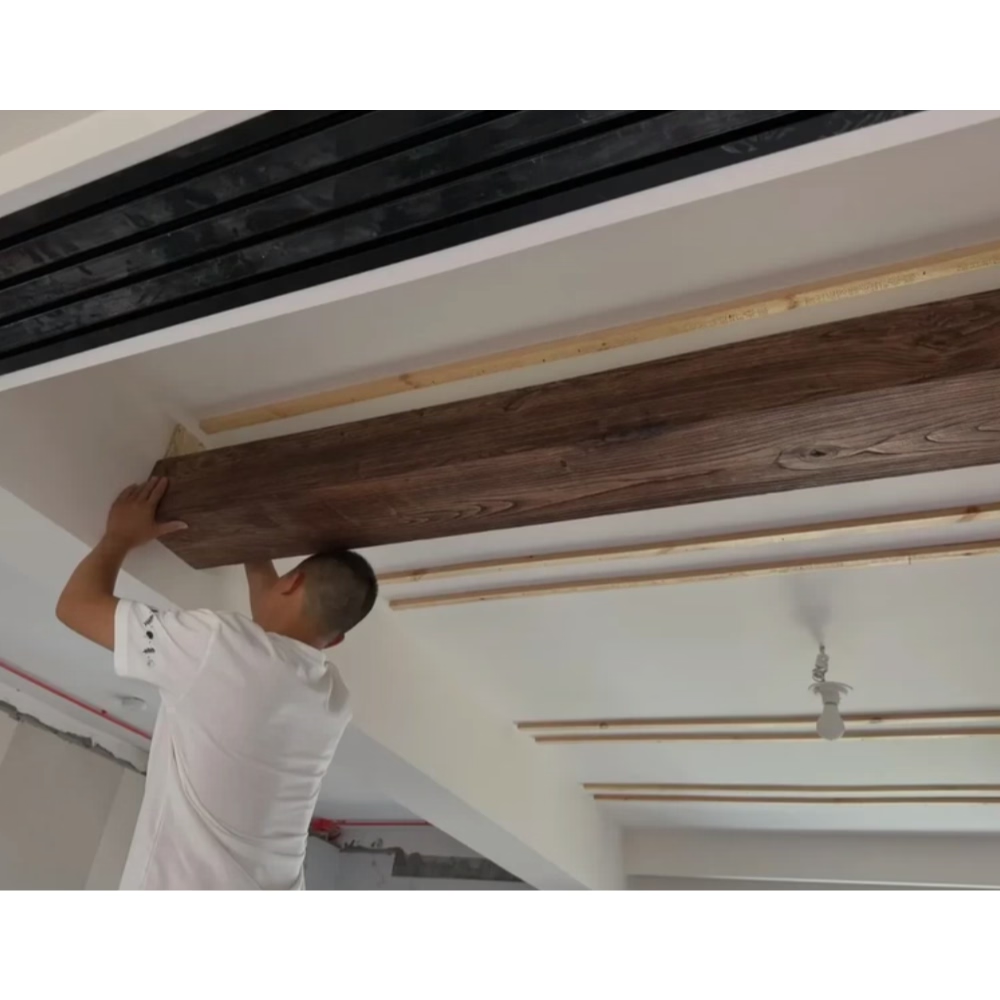
Faux beam installation rarely happens in isolation from other construction activities. Professional on-site guidance helps coordinate beam work with electrical, mechanical, and finishing trades that share the work space. This coordination prevents conflicts and ensures that all trades can complete their work efficiently.
Electrical coordination addresses fixture mounting, wiring access, and outlet placement that beams may affect. Guidance helps determine where beams should stop or modify to accommodate electrical requirements. This coordination happens during planning but often requires adjustment during installation as conditions evolve.
HVAC coordination ensures that beam installation doesn't interfere with air distribution systems. Supply diffusers, return grilles, and ductwork routing may all interact with beam placement. On-site guidance helps resolve conflicts that emerge when mechanical and beam plans don't align perfectly.
Documentation and Training for Future Projects
Effective on-site guidance extends beyond immediate problem-solving to build lasting capabilities within the installation team. Documentation of techniques, solutions, and verification procedures enables knowledge transfer that improves future project performance.
Photo documentation captures completed work at various stages, creating reference material for similar future projects. These photos show not just finished appearances but installation methods, blocking details, and finish techniques that inform future installations.
Training sessions during on-site guidance transfer techniques directly to installation team members. Workers who receive this training can apply learned techniques on subsequent projects, reducing dependence on external guidance and improving overall crew capabilities.
Technical References
ASTM standards cited in every specification
Test Data
Lab results from internal testing program
Updated 2026
Reviewed against current product specs