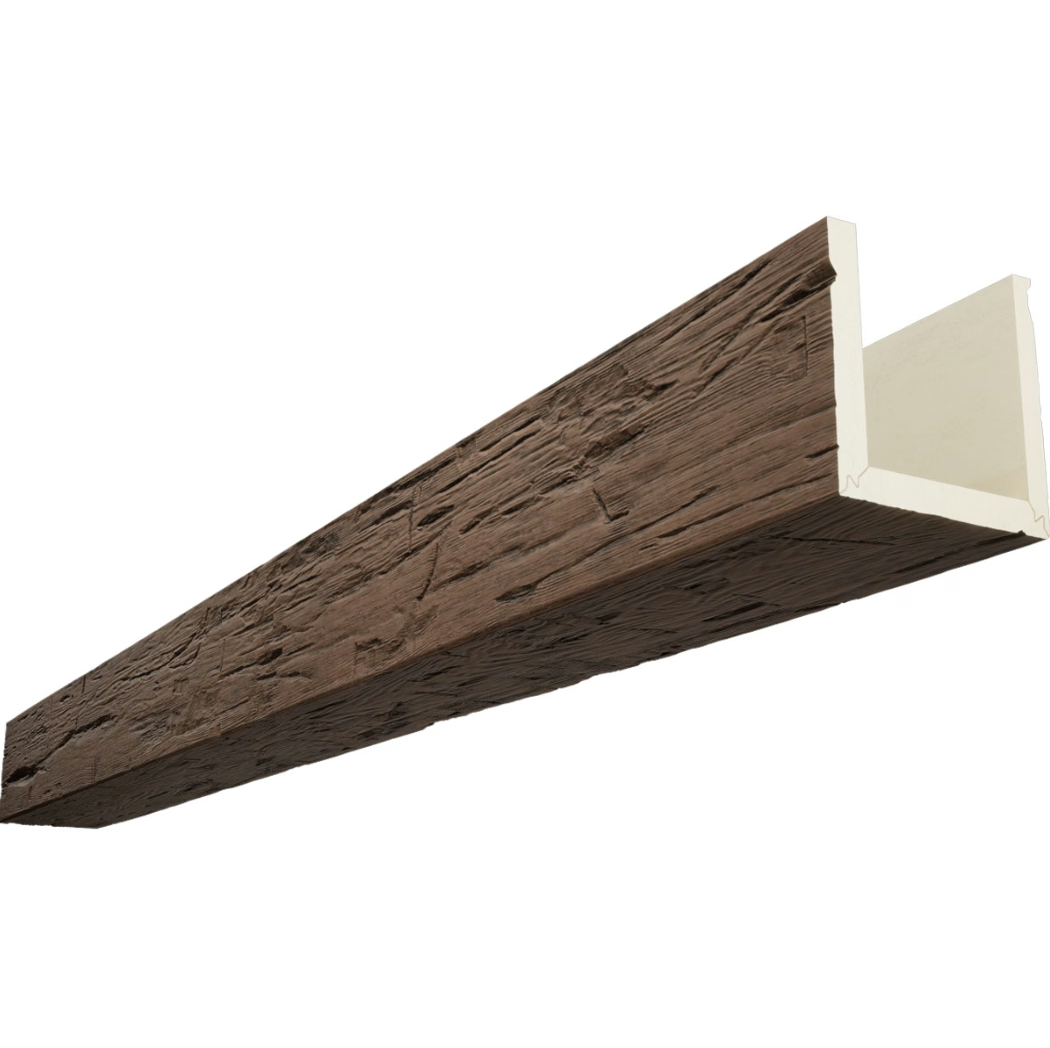
Architectural millwork beam projects combine the complexity of custom manufacturing with the challenges of construction site installation. Managing these projects successfully requires coordination across multiple disciplines, timeline management under uncertain conditions, and quality assurance that spans design through completion. Professional project management brings structure to this complexity, transforming potential chaos into predictable execution that delivers results meeting expectations.
The project management discipline applied to millwork beam projects borrows from broader construction management while addressing the specific characteristics of custom architectural products. Understanding these specialized practices helps stakeholders appreciate the value professional management provides and how it affects project outcomes.
Project Planning and Scheduling
Effective project management begins with comprehensive planning that establishes direction and expectations for all participants. This planning translates design intent into actionable schedules, identifies resource requirements, and establishes communication frameworks that keep everyone informed. Professional planners create roadmaps that guide projects from initiation through completion.
Master scheduling integrates beam procurement, fabrication, delivery, and installation into coherent timelines. Professional project managers understand dependencies between these phases, identifying critical paths that determine overall project duration. This scheduling enables realistic deadline setting and proactive management of potential delays.
Resource planning ensures that labor, equipment, and materials align with schedule requirements. Project managers coordinate between trades, ensuring that installation crews, lifting equipment, and materials arrive when needed without excessive waiting. This coordination minimizes idle time and maximizes productive utilization of expensive resources.

Procurement and Supply Chain Management
Beam procurement involves multiple decisions that affect cost, quality, and schedule outcomes. Professional project managers guide these decisions, balancing trade-offs between competing priorities. Their expertise helps avoid pitfalls that plague less experienced procurers.
Vendor selection evaluates manufacturers and suppliers against criteria including quality capability, production capacity, financial stability, and service orientation. Professional project managers develop vendor shortlists, conduct evaluations, and recommend selections that align with project requirements. This systematic approach identifies partners who can deliver rather than simply accepting whoever responds first.
Order management tracks procurement progress from specification through delivery. Professional managers monitor production status, anticipate potential delays, and coordinate delivery timing with installation schedules. This active management prevents supply disruptions that would otherwise cascade through subsequent project phases.

Site Coordination and Logistics
Construction site conditions introduce variables that challenge even well-planned projects. Professional project managers anticipate these challenges, developing contingency approaches that maintain progress despite unexpected conditions. Their presence ensures that site issues receive appropriate attention and resolution.
Access coordination ensures that beam deliveries reach installation locations efficiently. Large beam shipments require planning for unloading, staging, and movement to installation areas. Project managers coordinate with general contractors, other trades, and site management to create delivery windows that minimize disruption.
Trade coordination addresses the multiple disciplines that share construction sites. Beam installation intersects with electrical, mechanical, and finish work that both enables and constrains scheduling. Professional managers facilitate coordination between trades, resolving conflicts that arise from competing resource demands.

Quality Assurance and Inspection
Maintaining quality standards throughout millwork projects requires systematic verification that catches issues before they become expensive problems. Professional project managers implement inspection frameworks that ensure quality while keeping projects moving. This balance between verification and pace distinguishes professional management from either quality-obsessive delays or pace-compromised shortcuts.
Pre-installation verification confirms that beams and materials meet specifications before installation begins. Project managers coordinate inspection activities that verify dimensions, finishes, and quantities match requirements. This verification prevents installation of non-conforming materials that would require removal and replacement.
Installation inspection verifies that work proceeds according to quality standards throughout the process. Professional managers or their delegates examine attachment, alignment, and finishing at regular intervals. Issues identified during inspection receive immediate correction rather than accumulating until completion.

Risk Management and Contingency Planning
Every construction project faces risks that could affect outcomes if they materialize. Professional project managers identify these risks, assess their likelihood and potential impact, and develop contingency plans that enable rapid response. This proactive risk management reduces the surprises that derail projects.
Schedule risks include potential delays from weather, labor availability, material shortages, and coordination conflicts. Professional managers build buffers into schedules and identify acceleration options that can recover lost time if delays occur. This flexibility enables meeting deadlines despite inevitable disruptions.
Quality risks involve potential defects, non-conforming materials, and installation errors that could require rework. Professional managers implement quality controls that reduce defect likelihood while maintaining remediation capabilities that address issues efficiently when they occur.
Communication and Documentation
Project success depends on effective communication that keeps stakeholders informed and engaged. Professional project managers establish communication frameworks that ensure appropriate information reaches appropriate parties at appropriate times. This discipline prevents the misunderstandings that cause costly errors.
Status reporting provides regular updates on progress, issues, and forecast outcomes. Professional managers develop reporting formats appropriate for different audiences, from detailed technical reports for project teams to executive summaries for leadership. Consistent reporting enables proactive management of emerging concerns.
Change management addresses modifications that arise during project execution. Professional managers evaluate change impacts, communicate implications to stakeholders, and implement approved changes through controlled processes. This discipline prevents scope creep while ensuring that necessary changes receive appropriate consideration.
Project Closeout and Handoff
Project completion requires systematic closeout that ensures all obligations get fulfilled and documentation gets transferred. Professional project managers oversee closeout activities that transition projects smoothly from construction to occupancy. This attention to detail protects all parties' interests and enables successful project conclusions.
Punch list management identifies and resolves final deficiencies that prevent project acceptance. Professional managers coordinate inspection activities, track resolution progress, and verify that all punch items receive appropriate attention. This disciplined closeout ensures that projects complete fully rather than trailing into warranty periods with unresolved issues.
Documentation transfer provides owners with information needed for ongoing maintenance and operation. Professional managers compile warranties, maintenance guidance, and as-built documentation that supports long-term building management. This transfer enables owners to care for installed beams appropriately throughout their service lives.
Technical References
ASTM standards cited in every specification
Test Data
Lab results from internal testing program
Updated 2026
Reviewed against current product specs